Pruning
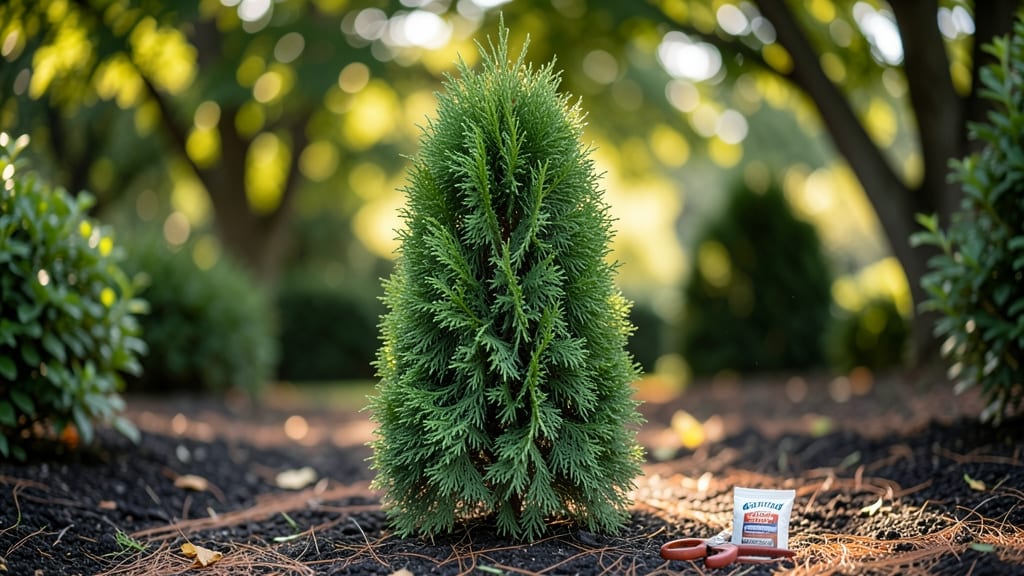
The whipcord arborvitae tree’s signature feathery branches turn any yard into a lush, evergreen sanctuary—just like mine, which I’ve pruned for years using the layered canopy technique to keep those elegant, whipcord-like branches flawless year-round.
The key isn’t just trimming; it’s understanding how to shape growth for year-round density while preserving that signature texture.
This tree thrives in full sun to partial shade and tolerates a range of soils, but well-draining soil prevents woody stems from becoming too rigid. Spacing matters too—plant them 6 to 8 feet apart for airflow and light penetration, which keeps foliage soft and vibrant.
Water deeply the first year to establish roots, then let the soil dry slightly between waterings once established.
With the right pruning, you’ll end up with a tree that stays dense at the base and airy at the top, creating that signature layered look. The branches will hold their whipcord texture, and new growth will fill in gaps naturally.
Start pruning in early spring to encourage fresh, lush foliage for the season ahead.
Works beautifully in hedges, privacy screens, or as a standalone specimen. The secret is patience—this tree rewards consistent care with year-round greenery that turns heads. Let’s get those shears ready!
📚 In This Guide
- What you need
- Instructions
- Tips and common mistakes
- Wrapping up and next steps
What you need
- ● Pruning shears: Bypass pruners (sharp, 6-8" blades) for clean cuts on small branches.
- ● Loppers: Bypass or anvil type (18-24" handles) for thicker branches (up to 1.5" diameter).
- ● Pruning saw: Curved or folding saw for branches over 1.5" in diameter.
- ● Ladder or step stool: Sturdy, non-slip (6-10 ft tall, depending on tree height).
- ● Gloves: Heavy-duty, cut-resistant (gardening or pruning-specific).
- ● Disposable pruning bags or bucket: For collecting clippings (5-gallon capacity recommended).
- ● Rake or leaf blower: To clear fallen debris afterward.
- ○ Pruning sealant (optional but helpful): Tree wound dressing for large cuts (e.g., Tanglefoot Tree Wound Pruning Seal).
- ● Safety gear: Safety glasses, long sleeves, and closed-toe shoes.
- ● Tree tie or zip ties: For securing branches during shaping.
- ● String or measuring tape: To mark desired pruning lines.
- ● Disinfectant (70% isopropyl alcohol or bleach solution): To clean tools between cuts and prevent disease spread.
- ● Mulch: Organic or inorganic to replenish after pruning (3-4" layer).
- ● Check local regulations: Ensure pruning aligns with homeowner association (HOA) or municipal guidelines (some areas restrict tree modifications).
- ● Timing: Prune in late winter or early spring (before new growth starts) for best results.
- ● Weather: Choose a dry, overcast day to avoid stressing the tree.
How to prune whipcord arborvitae for a lush, year-round canopy
This is the pruning method I’ve used for years to transform thin, straggly arborvitae into dense, sculptural evergreens.
Assess the Tree’s Structure and Growth Habits
Start by examining the whipcord arborvitae’s branches—look for long, thin stems that lack foliage density. These are your targets for pruning. The goal is to encourage lateral growth by cutting back to a lateral bud or branch. I always prune in late winter or early spring before new growth begins, as this gives the tree time to recover before summer heat.
Use your hands to gently trace the branch structure. You’ll notice some branches grow straight up while others angle outward. The straight branches are often the ones that need thinning to allow light to reach the inner canopy. Avoid pruning more than one-third of the tree’s foliage in a single season—this can stress the plant and reduce its winter hardiness.
Prune for Density Using the “Layered Canopy” Technique
Begin by removing the longest, least productive branches first. These are usually the ones that stick out like whips and create a sparse look. Cut just above a lateral bud or side branch at a 45-degree angle to prevent water from pooling on the cut. This encourages the tree to grow bushier from that point. I use clean, sharp pruning shears to make precise cuts—dull blades tear the bark and invite disease.
Next, focus on the inner branches. Thin them out to improve airflow and light penetration. Aim to create a graduated canopy—taller branches at the bottom and shorter ones at the top. This not only enhances the tree’s natural shape but also prevents the lower branches from dying back due to lack of light. If you’re unsure where to cut, look for branches that cross or rub against each other—these should be removed entirely to avoid damage.
Shape and Maintain for Long-Term Growth
After thinning, step back and assess the tree’s overall shape. The whipcord arborvitae should now have a more balanced, full appearance. If some areas still look sparse, lightly trim the tips of the remaining branches to encourage branching. Avoid heavy pruning at the tips, as this can leave the tree vulnerable to winter burn. Instead, focus on selective pruning to fill in gaps.
Once pruning is complete, clean up the area by removing all clippings and disposing of them properly. This prevents disease from spreading. Water the tree deeply after pruning to help it recover, especially if you’ve pruned in dry conditions. Over the next few weeks, you’ll notice new growth emerging from the lateral buds—this is your reward for patience and precision.
Monitor and Adjust for Seasonal Changes
Throughout the growing season, keep an eye on the tree’s response to pruning. If you notice any branches growing too long or thin again, make minor adjustments as needed. Whipcord arborvitae respond well to light, regular pruning rather than one heavy trim. In late summer or early fall, you can do a light maintenance pruning to tidy up any overgrowth before winter.
This is also the time to check for signs of stress, such as yellowing foliage or stunted growth. If you see these, it may indicate over-pruning or poor soil conditions. Adjust your approach accordingly—sometimes, less is more. A well-pruned whipcord arborvitae will reward you with a dense, lush canopy that stays green year-round, even in harsh winters.
Tips & tricks for pruning whipcord arborvitae
Transforming your whipcord arborvitae into a lush, year-round green statement piece takes more than just cutting branches—it’s about understanding the tree’s natural growth patterns. Here’s what I’ve learned after years of perfecting this technique.
Timing is Everything: The late winter to early spring window is critical because it allows the tree to recover before summer heat stress. If you prune too early, the tree won’t have time to heal before winter’s cold; too late, and you risk encouraging new growth that won’t harden off before frost. I’ve seen arborvitae recover beautifully when pruned in March, but those pruned in April often show signs of winter burn the following year.
Tool Precision Matters: Sharp pruning shears aren’t just about clean cuts—they’re about preserving the tree’s health. Dull blades tear the bark, creating wounds that invite disease and pests. I invest in high-quality bypass pruners and clean them with rubbing alcohol between cuts to prevent cross-contamination. For thicker branches, I use loppers, but I always make the cut just above a lateral bud at a 45-degree angle to encourage bushier growth.
Visual Cues for Pruning: When assessing which branches to remove, look for the "whipcord" effect—those long, thin stems that create a sparse look. These are your targets. For inner branches, focus on creating a graduated canopy where taller branches sit at the bottom and shorter ones top out. This not only improves airflow but also prevents the lower branches from dying back due to lack of light. I like to step back every few cuts to visualize the overall shape—it’s amazing how a few strategic snips can transform the tree’s appearance.
Recovery Care is Key: After pruning, the tree’s recovery phase is just as important as the cuts themselves. Deep watering helps the tree bounce back, especially in dry conditions. I’ve noticed that trees pruned in dry weather often show slower recovery, so I always water thoroughly after pruning. Over the next few weeks, keep an eye out for new growth emerging from the lateral buds—this is your reward for precision pruning.
Pro Tips for Whipcord Arborvitae Tree
- Transforming your whipcord arborvitae into a lush, year-round green statement piece takes more than just cutting branches—it’s about understanding the tree’s natural growth patterns.
- Timing is Everything: The late winter to early spring window is critical because it allows the tree to recover before summer heat stress.
- Tool Precision Matters: Sharp pruning shears aren’t just about clean cuts—they’re about preserving the tree’s health.
Frequently asked questions
about the whipcord arborvitae tree and its pruning technique—here’s what you need to know!What’s the best time of year to prune whipcord arborvitae for that layered look?
The ideal time is late winter or early spring (before new growth starts). This timing ensures you shape the tree without stressing it during dormancy or risking disease from summer pests. Avoid heavy pruning in fall, as it can leave the tree vulnerable to winter damage.
How often should I prune my whipcord arborvitae to maintain its whipcord effect?
Prune lightly every 6–12 months to encourage dense, layered growth. Focus on trimming back overgrown branches to 1/3 of their length in early spring. Over-pruning can weaken the tree—think "less is more" for that signature whipcord texture!
Can I use this technique on other evergreen trees, or is it whipcord arborvitae-specific?
While whipcord arborvitae thrives with this method, you can adapt it to other columnar evergreens like Thuja occidentalis ‘Smaragd’ or Chamaecyparis lawsoniana ‘Columnaris’. Avoid dense shrubs like boxwoods—they need different pruning styles to prevent dieback.
Why are my whipcord arborvitae branches turning brown after pruning?
Brown tips often signal over-pruning, stress, or fungal issues. Check for Phomopsis (a common arborvitae disease) and treat with fungicide if needed. Prune only healthy wood, and avoid cutting into old, woody stems—stick to fresh, green growth for best results.
Do I need special tools for whipcord pruning, or will regular shears work?
Regular bypass pruners work fine for small branches, but for thicker stems (over ½ inch), use loppers or a hand saw. Sharp tools prevent tearing, which can invite disease. Disinfect blades between cuts to keep your tree healthy!
Wrapping up and next steps
The whipcord arborvitae is a stunning choice for year-round greenery, and with the right pruning techniques, you can cultivate a luxuriously dense layered canopy that stands out in any landscape.
Remember, patience and precision are key—focus on gradual shaping, seasonal maintenance, and proper tool care to keep your tree thriving. 🌿
Ready to transform your outdoor space? Start small—pick a single section of your arborvitae this weekend and practice your pruning skills. Before you know it, you’ll have a lush, manicured masterpiece that turns heads (and maybe even inspires your neighbors to ask for tips!). Happy pruning! ✂️🌟