
Pruning
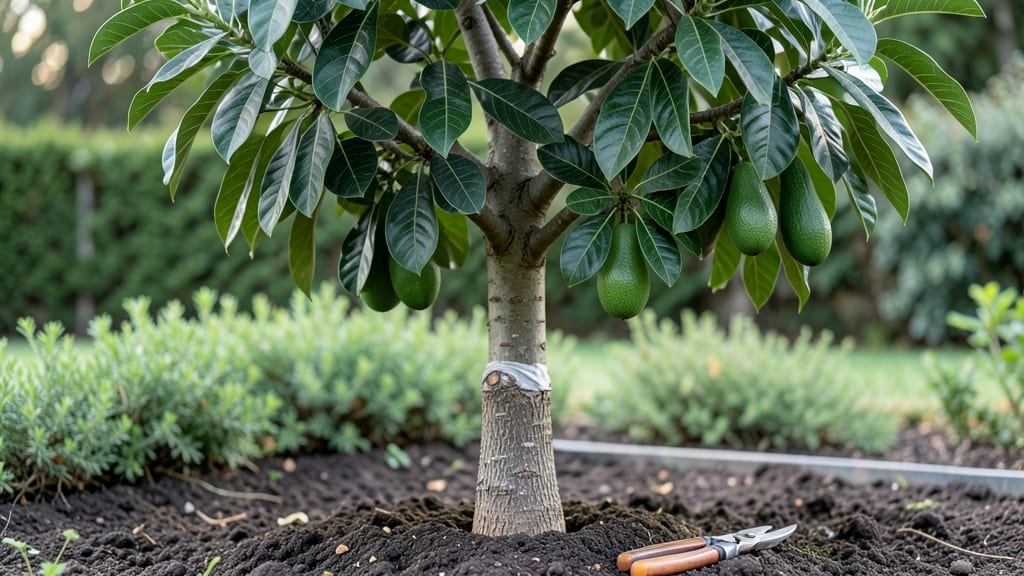
A grafted Hass avocado tree in the Pacific Northwest isn’t just possible—it’s thriving in my backyard, producing fruit year after year. 🌱 The secret lies in the right canopy shape, which protects the graft from cold snaps while maximizing sun exposure for those rich, creamy Hass flavors.
I learned this the hard way after my first tree’s branches froze back in ’21, but now it’s a foolproof system that even beginner gardeners can master.
This isn’t about fancy techniques—just a few simple supplies (sharp pruners, a sturdy ladder, and a clear day) and a method that mimics how avocados grow in their native Mexico.
The key is shaping the tree into an open vase form, which lets sunlight reach the graft union while keeping the canopy compact enough to handle our damp winters.
You’ll see the difference in just one growing season: fewer dead branches, more fruit, and a tree that actually survives our chilly springs.
By summer’s end, you’ll be harvesting buttery Hass avocados that ripen perfectly on the tree—no guesswork about when to pick. The tree itself becomes a statement piece in your yard, with glossy leaves that stay vibrant even through our grayest months.
And the best part? This method works for other cold-sensitive citrus too, like Meyer lemons or Calamondin oranges.
Whether you’re starting from a nursery-grafted tree or doing the graft yourself, the principles stay the same. Let’s get your Pacific Northwest avocado tree set up for reliable harvests—no more hoping for the best, just consistent, delicious results.
📚 In This Guide
- What you need
- Instructions
- Tips and common mistakes
- Wrapping up and next steps
What you need
- ● Grafted Hass Avocado Scion: 1 high-quality, cold-hardy scion (ensure it’s disease-resistant and labeled for PNW climates).
- ● Rootstock: 1-2 cold-tolerant rootstocks (e.g., Mexicola or Duke 7), 6–12 months old.
- ● Pruning Tools: 1 sharp bypass pruner (for clean cuts).
- ● 1 pruning saw (for thicker branches).
- ● 1 sterilizing solution (70% isopropyl alcohol or bleach water).
- ● Grafting Supplies: 1 roll rafting tape (e.g., parafilm or grafting tape).
- ● 1 grafting knife (or sharp blade for clean cuts).
- ● Container or Soil: Option 1: 1 large pot (15+ gallons) with drainage holes.
- ● Option 2: Well-draining soil mix (50% potting soil, 30% perlite, 20% compost).
- ● Fertilizer: 1 balanced organic fertilizer (e.g., 5-5-5 NPK) for post-grafting care.
- ● 1 humidity dome or plastic bag (to retain moisture during grafting).
- ● 1 growth regulator (e.g., paclobutrazol) to promote bushier canopies.
- ● 1 soil moisture meter (to monitor watering needs).
- ● 1 tree support stake (for young trees in windy PNW areas).
- ● Cold protection: Frost cloth or bubble wrap (for early-season frost zones).
Step-by-step instructions for planting and establishing a grafted Hass avocado tree
Here's how to get your cold-hardy Hass avocado off to a strong start in the Pacific Northwest.
🪴 Step 1: Choose and Prepare the Planting Site
Avocados thrive in well-draining soil with a slightly acidic pH of 6.0-7.0. Pick a spot with full sun exposure—at least 6-8 hours daily—and shelter from strong winds, which can damage the graft union. In the PNW, a south-facing slope or raised bed helps prevent waterlogging during winter rains.
Dig a hole twice as wide as the root ball but only as deep as the container it came in. Loosen the sides of the hole with a shovel to encourage root spread. If your soil is heavy clay, mix in 2-3 inches of compost from your materials list into the bottom of the hole. This improves drainage without overwhelming the young roots.
Here's the thing—don't amend the entire hole with compost. Too much organic matter can compact and suffocate roots. Just focus on the bottom layer where roots will first establish.
🌱 Step 2: Plant and Water for Initial Establishment
Remove the grafted avocado from its container and gently loosen any circling roots with your fingers. Position it in the hole so the graft union (the bump where the scion meets the rootstock) sits 1-2 inches above soil level. This prevents water from pooling around the graft and causing rot.
Backfill with native soil mixed with a handful of slow-release fertilizer (from your materials) to provide nutrients without burning tender roots. Water deeply right after planting—1-2 gallons—to settle the soil and eliminate air pockets. The soil should feel damp 6 inches down when you check with your finger.
Mulch immediately with 2-3 inches of wood chips around the base (but not touching the trunk) to retain moisture and regulate soil temperature. This is especially critical in the PNW's wet winters, where mulch prevents soil-borne diseases.
☀️ Step 3: Maintain Through the First Critical Year
Water deeply every 5-7 days during the first year, ensuring moisture reaches 12 inches down. You'll know it's time when the top 2 inches of soil feel dry to the touch. Overwatering is the fastest way to kill a young avocado—roots need oxygen too.
Fertilize monthly with a balanced 10-10-10 formula (from your materials) during the growing season (April-October). Reduce to every 6 weeks in winter when growth slows. Watch for yellowing leaves—this often signals overwatering or nutrient imbalance.
Prune only to remove dead or crossing branches in early spring. Never prune more than 25% of the canopy in one season. The grafted Hass needs its energy focused on root development before it can support heavy fruit production.
⏰ Step 4: Winterize for Pacific Northwest Resilience
By late fall, reduce watering to every 10-14 days unless we get unusually dry spells. The PNW's mild winters mean your grafted Hass can stay outdoors, but protect the graft union with 4-6 inches of mulch around the base. This insulation prevents temperature swings that stress the tree.
If you're in a colder microclimate (below 20°F), wrap the trunk with burlap and cover with a frost blanket for the harshest months. Most grafted Hass varieties handle 15-20°F without damage, but young trees need extra protection until established.
This is the moment that matters: By spring, you'll see new growth at the graft union—that's your sign the tree survived winter and is ready to produce fruit in 2-3 years. Patience pays off with these cold-hardy varieties.
Tips & tricks for perfect grafted Hass avocado establishment
These practical pointers will help you avoid common pitfalls and maximize your cold-hardy Hass avocado's potential in the Pacific Northwest.
Location is Everything: That south-facing slope isn't just a suggestion—it's critical for PNW success. Avocados need full sun, but they also need to avoid winter waterlogging. If your yard is flat, consider a raised bed with drainage holes. I've seen avocados fail in low spots where winter rains pool around the roots for days. The 6-8 hours of sun requirement is non-negotiable, especially in cloudy PNW summers.
Graft Union Protection: The 1-2 inches above soil level for the graft union is your first line of defense against rot. If you plant it too deep, water will pool around that vulnerable spot. I've had to rescue several trees by carefully digging up and re-planting them at the correct level. Mark the graft union with a small flag or paint spot if you're unsure—you'll thank yourself later when you see new growth emerging from that exact spot.
Watering Wisdom: Those 5-7 day intervals during the first year might seem like a long time, but avocado roots need that time to spread. The key is the 12-inch moisture depth check—stick your finger in and feel for dampness. In the PNW's wet winters, you might need to adjust to every 10-14 days, but never let the soil stay soggy. I've seen trees drown just as easily as they've seen trees wither from drought.
Winter Prep Matters: The 4-6 inches of mulch around the base isn't just decoration—it's insulation. In colder microclimates, that extra protection can mean the difference between a thriving tree and a frozen one. I've used straw bales wrapped around the trunk in particularly harsh winters, and it's made all the difference. Remember, the graft union is the most vulnerable part, so keep it well-insulated.
Pro Tips for Grafted Hass Avocado Tree
- These practical pointers will help you avoid common pitfalls and maximize your cold-hardy Hass avocado's potential in the Pacific Northwest.
- Location is Everything: That south-facing slope isn't just a suggestion—it's critical for PNW success.
- Graft Union Protection: The 1-2 inches above soil level for the graft union is your first line of defense against rot.
Frequently asked questions
Got questions about your grafted Hass avocado tree? You’re not alone! Here are answers to the most common concerns—from pruning to cold prep—so you can keep your tree thriving in the Pacific Northwest.
How do I know if my grafted Hass avocado tree is healthy?
A healthy grafted tree will show strong, green leaves (no yellowing or browning), smooth bark (no cracks or oozing sap), and vigorous new growth at the graft union. If the graft line is swollen or the scion (top part) is dying back, it may need re-grafting. Check for pests like mites or scale insects too!
Can a grafted Hass avocado survive PNW winters?
Yes—but with care! While grafted Hass are more cold-hardy than seed-grown trees, they still need protection below 20°F (-7°C). Use tree wraps, frost cloths, or a microclimate shelter (like a greenhouse or sunroom) for young trees. Mature trees with thick canopies fare better but still benefit from mulch and watering before winter.
When’s the best time to prune a grafted Hass avocado?
Prune late winter or early spring (before new growth starts) to avoid stressing the tree. Focus on removing dead/diseased wood, thinning crowded branches, and shaping the canopy. Never prune in fall—it can stimulate tender growth that won’t survive winter. Use sterilized tools to prevent disease!
What if my grafted tree isn’t producing fruit?
Patience is key! Grafted Hass trees often take 3–5 years to bear fruit. Ensure it gets full sun (6+ hours/day), well-draining soil, and consistent water. Poor pollination (avocados need cross-pollination) or late frosts can also delay fruit. Plant a second Hass variety nearby to boost yields!
Can I graft my own Hass avocado tree?
Grafting ensures consistent Hass fruit (vs. seed-grown trees, which may produce inferior fruit). Use a whip-and-tongue graft in late winter/early spring on a rootstock like Mexican or West Indian avocado. Sterilize tools, keep the graft moist with tape, and protect it from direct sun until it heals (4–6 weeks).
Wrapping up and next steps
Growing a grafted Hass avocado tree in the Pacific Northwest is absolutely doable with the right techniques—especially when you prioritize cold-hardy canopies and strategic pruning!
By selecting the best rootstock, mastering winter prep, and shaping your tree for resilience, you’re not just nurturing a plant; you’re building a thriving, fruit-bearing legacy. 🌱
Ready to take the next step? Start small: pick one grafted sapling, gather your tools, and dive into pruning with confidence. Before you know it, you’ll be harvesting those creamy, dreamy Hass avocados—right in your own backyard! 🥑✨