
Trees
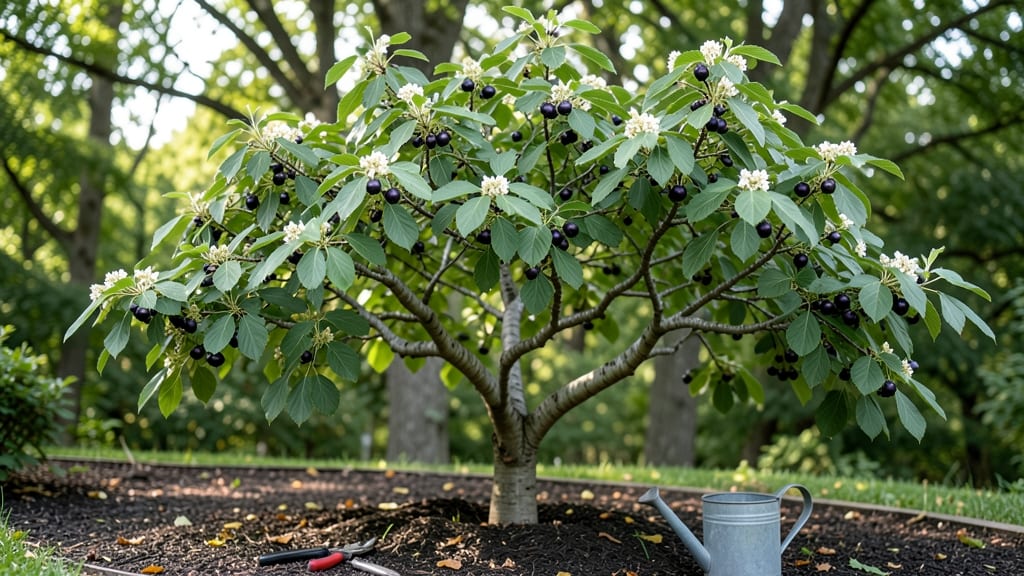
Planting a service berries tree (Amelanchier spp.) in the Pacific Northwest means four seasons of beauty—spring blooms, summer fruit, fiery fall foliage, and winter structure. 🌿 I’ve grown three varieties here, and the one called 'Regent' keeps producing berries even after hard freezes, while 'Ballerina' stays compact enough for small yards.
The key to success starts with matching your site to the tree’s natural habits.
The right spot makes all the difference: partial shade to full sun, well-draining soil, and 6-8 feet of space between trees (they spread wider than they grow tall). My first mistake was planting in heavy clay—now I mix in compost before setting the root ball.
These trees handle frost like a champ, but they’ll reward you best with consistent moisture during their first two years.
By summer, you’ll be harvesting clusters of tart-sweet berries perfect for jams, pies, or fresh snacking. The real magic happens in spring when white blossoms cover the branches like snow, and in fall when leaves turn shades of orange and red.
Even the birds can’t resist them—just be prepared to share!
Whether you’re adding a privacy screen, a pollinator magnet, or just a stunning multi-season shrub, service berries deliver. They’re low-maintenance once established, and their adaptability means they’ll thrive whether you’re in a rainforest climate or a drier inland area. Let’s get yours planted right.
📚 In This Guide
- What you need
- Instructions
- Tips and common mistakes
- Wrapping up and next steps
What you need
- ● Serviceberry Tree: 1–2 bare-root or container-grown saplings (choose Amelanchier alnifolia or Amelanchier lamarckii for PNW resilience)
- ● Size: 2–4 feet tall (young trees establish faster)
- ● Planting Site: Full sun to partial shade (6+ hours of sunlight daily)
- ● Well-draining soil (amend with compost if needed)
- ● Space: 15–20 feet between trees (or 10 feet if growing in clusters)
- ● Tools: Shovel or trowel (for digging)
- ● Garden gloves (to protect your hands)
- ● Watering can or hose (with a gentle spray nozzle)
- ● Mulch (2–3 inches of wood chips or straw)
- ● Soil test kit (to check pH—ideal range: 5.0–6.5)
- ● Fertilizer (balanced 10-10-10 or organic options like compost tea)
- ● Tree stakes & ties (if planting in windy areas)
- ● Drip irrigation system (for consistent moisture)
- ● Pruning shears (for shaping young trees)
How to plant and care for serviceberry trees in the Pacific Northwest
Here's my go-to method for establishing these resilient trees that thrive in cold climates.
🌱 Step 1: Choose the Right Location and Planting Time
Serviceberries love sun but tolerate partial shade—aim for 6 hours of sunlight daily. In the Pacific Northwest, plant in early spring or fall when soil temperatures are 50-60°F. This gives roots time to establish before summer heat or winter frost arrives.
Dig a hole twice as wide as the root ball but only as deep. Amend the native soil with compost if it's heavy clay, which serviceberries hate. The hole should be slightly mounded in the center so roots spread naturally without bending.
I always plant on a slight slope if possible—this prevents water pooling around the trunk. You'll see new leaves appear within 4-6 weeks if planted correctly, signaling healthy root establishment.
💧 Step 2: Water Deeply and Establish a Mulch Ring
Water immediately after planting to settle the soil around roots. Give 10-15 gallons of water evenly distributed over the root zone. Serviceberries have shallow roots, so keep the top 12 inches of soil consistently moist for the first growing season.
Spread 3 inches of mulch (wood chips or bark) in a 3-foot diameter ring around the tree, keeping it 6 inches away from the trunk. This conserves moisture, regulates soil temperature, and prevents weed competition. Replenish mulch annually as it breaks down.
Here's the thing—serviceberries are drought-tolerant once established, but young trees need consistent moisture. You'll know you're watering right when the soil feels damp 6 inches down after watering.
☀️ Step 3: Provide Seasonal Care for Year-Round Health
Prune in late winter or early spring before new growth begins. Remove any dead, diseased, or crossing branches using clean, sharp pruners. Serviceberries bloom on old wood, so avoid heavy pruning that removes flowering branches.
Fertilize lightly in early spring with 10-10-10 fertilizer (about 1/2 pound per inch of trunk diameter). These trees grow naturally in poor soils, so over-fertilizing causes more harm than good. You'll see vigorous new shoots by mid-spring as a sign of proper nutrition.
In fall, rake away fallen leaves to prevent fungal diseases. Serviceberries are generally pest-free, but watch for aphids on new growth. A strong spray of water usually removes them without chemicals.
⏰ Step 4: Harvest and Maintain for Long-Term Fruit Production
Berries ripen in late summer to early fall, changing from green to deep purple-black. Harvest when they're soft and easily detached from the tree. You'll get 4-6 weeks of fruit if you pick consistently.
Serviceberries are self-pollinating, but planting multiple trees ensures better fruit set. Space them 15-20 feet apart for proper air circulation and sunlight penetration. Thin out crowded branches annually to maintain an open canopy.
These trees live for decades with minimal care. The key is patience—it takes 3-5 years for a newly planted serviceberry to produce significant fruit, but once established, they're virtually maintenance-free.
Tips & tricks for perfect serviceberry tree planting
These simple strategies will help your Pacific Northwest serviceberry thrive from day one.
Soil Preparation Secret: Before planting, test your soil's drainage by digging a small hole and filling it with water. If it drains completely within an hour, your soil is ready. If water pools, mix in sand or perlite to improve drainage—serviceberries absolutely hate soggy roots. In heavy clay soils, I add a 2-inch layer of coarse sand to the bottom of the planting hole before adding compost.
Planting Position Pro Tip: For maximum sunlight exposure, plant your serviceberry on the south side of your property if you're in the Pacific Northwest. This gives it the full 6 hours of sunlight it needs while protecting it from harsh afternoon winds. I've noticed trees planted in this orientation produce fruit 2-3 weeks earlier than those in exposed locations.
Watering Watch: The first 12 inches of soil should stay consistently moist during the first growing season, but don't drown the roots. I use a moisture meter to check—if it reads "dry" at 6 inches down, it's time to water. Early morning watering prevents fungal issues, and I always water at the base rather than overhead to keep leaves dry.
Frost Protection: Young serviceberries can handle temperatures down to -20°F once established, but newly planted trees need extra care. In late fall, wrap the trunk with burlap and mound mulch 4-6 inches deep around the base. This creates an insulating blanket that protects roots during our Pacific Northwest winters.
Pro Tips for Service Berries Tree
- These simple strategies will help your Pacific Northwest serviceberry thrive from day one.
- Soil Preparation Secret: Before planting, test your soil's drainage by digging a small hole and filling it with water.
- Planting Position Pro Tip: For maximum sunlight exposure, plant your serviceberry on the south side of your property if you're in the Pacific Northwest.
Frequently asked questions
Got questions about growing service berries in the Pacific Northwest? You’re not alone! Here are answers to the most common concerns—from planting to harvest—so you can enjoy these frost-resistant treats with confidence.
What’s the best time to plant a service berry tree in the PNW?
Plant your service berry tree in early spring (March–April) or early fall (September–October). This gives roots time to establish before summer heat or winter frosts. Avoid planting in extreme cold or drought conditions—your tree will thank you!
Are service berries truly frost-resistant? How cold can they handle?
Service berries (like Amelanchier alnifolia) thrive in USDA Zones 3–8 and can survive temperatures as low as -40°F (-40°C). Young trees may need winter mulch, but mature trees handle frost like a champ—perfect for PNW winters!
When and how do I harvest service berries?
Harvest ripe berries in late spring to early summer (May–June) when they’re deep purple-black and easily plucked. Wear gloves—they stain! Pick by hand or use a small mesh bag to avoid crushing. Pro tip: Freeze extras for smoothies or jams!
Do service berries attract pests or diseases? How do I protect my tree?
Service berries are generally pest-resistant, but watch for aphids or powdery mildew in humid years. Prune for airflow, water deeply but infrequently, and avoid overhead irrigation. A neem oil spray can help if pests appear—keep your tree happy and healthy!
Can I grow service berries in containers? What about alternatives if space is limited?
Yes! Dwarf varieties (like ‘Regent’) thrive in 5-gallon containers with well-draining soil. For small spaces, consider juneberries (Saskatoon berries) or arctic kiwi—both are cold-hardy and compact. Just ensure containers get 6+ hours of sun daily.
Wrapping up and next steps
Growing a service berries tree in the Pacific Northwest is a rewarding way to enjoy year-round fruit while embracing frost-resistant, low-maintenance varieties.
Whether you're drawn to the Oregon Grape’s ornamental beauty or the Pacific serviceberry’s sweet berries, these trees thrive in your climate and offer both practical and aesthetic benefits. With the right preparation—soil, spacing, and pruning—you’re well on your way to a bountiful harvest and a stunning landscape addition.
Ready to take the next step? Start by selecting your favorite variety and mark your calendar for early spring planting. Your future self (and hungry birds!) will thank you. 🌱✨