
Pruning
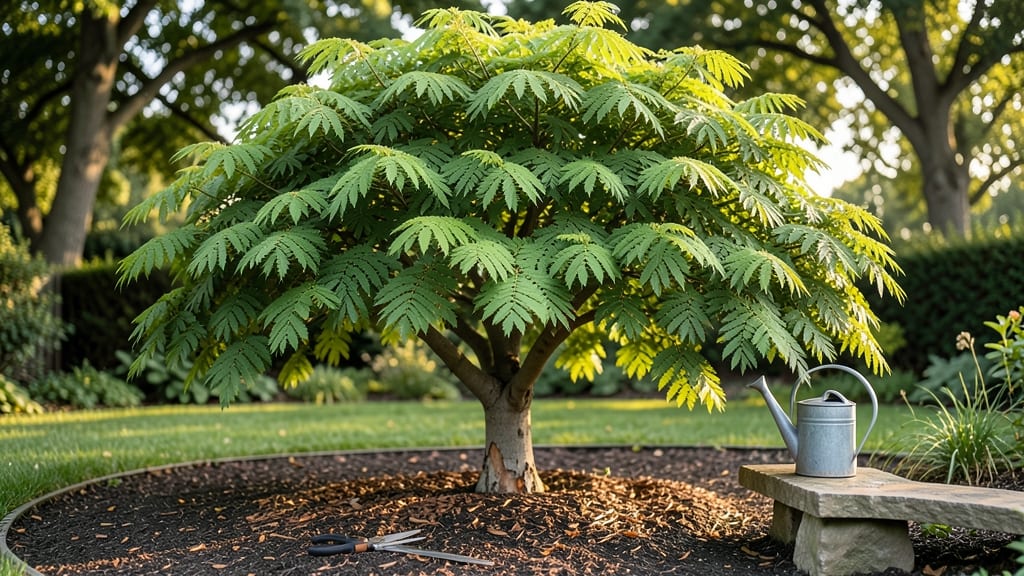
Pruning your gold leaf tree isn’t just about keeping it tidy—it’s about unlocking its full potential for the Pacific Northwest’s rainy seasons and mild winters. 🌿 I’ve shaped mine from a tangled mess into a showstopper with just a few strategic cuts each year, and the difference in blooms and foliage is night-and-day.
The key is timing: prune right after flowering (late spring) to encourage dense growth, then do light maintenance in fall to prep for winter. You’ll need basic tools—a pair of sharp bypass pruners and gloves (the seeds are toxic, so handle carefully)—and about 30 minutes to shape it properly.
Even in our damp climate, the tree responds beautifully when you follow a few simple rules.
What you’ll end up with is a tree that bursts with golden-yellow foliage in fall, produces more of those fragrant spring flowers, and stays structurally sound through windy PNW winters.
The branches will look fuller, the blooms more abundant, and you’ll avoid the common mistake of over-pruning, which stresses the tree.
This approach works for both young trees and mature specimens, whether you’re dealing with a small patio tree or a larger landscape feature. Let’s get those pruners ready—your gold leaf tree will thank you for years to come.
📚 In This Guide
- What you need
- Instructions
- Tips and common mistakes
- Wrapping up and next steps
What you need
- ● Pruning shears or secateurs – Choose bypass pruners (sharp, clean-cut blades) for clean cuts on small branches (up to ½ inch thick). Sterilize with rubbing alcohol before and after use to prevent disease spread.
- ● Loppers – For branches ½ to 1½ inches thick. Opt for bypass loppers with long handles for leverage.
- ● Pruning saw – A curved-tooth saw for thick branches (1½+ inches). Avoid tearing the bark!
- ● Gloves – Heavy-duty leather gloves to protect against thorns and sap (Laburnum can be prickly!).
- ● Disposable pruning bags or bucket – Collect debris to prevent pests and keep your workspace tidy.
- ● Rubbing alcohol (70%+ isopropyl) or bleach solution – For sterilizing tools between cuts.
- ● Ladder or step stool – Ensure it’s stable and rated for your weight to reach higher branches safely.
- ○ Sharpie or pruning sealant – Mark branches to remove or seal larger wounds (optional but helpful for healing).
- ● Hand pruners with ratcheting mechanism – Reduces hand fatigue for long sessions.
- ● Extension pole pruners – For high branches without a ladder.
- ● Pruning paint or tree wound dressing – Apply to cuts larger than ½ inch to prevent decay.
- ● Work gloves with grip – Extra cushioning for comfort during extended pruning.
- ● Notebook & pencil – Sketch your tree’s shape before pruning to guide your cuts.
- ● Mulch or compost – Refresh the base after pruning to boost soil health.
Step-by-Step guide to pruning gold leaf trees in the Pacific Northwest
Here's how I keep my gold leaf trees lush and healthy year-round—no matter the rain or wind.
✂️ Step 1: Prune for Airflow in Early Spring
Start your pruning in late February or early March when new growth begins but before buds burst. This is when the tree is still dormant but waking up, making it less stressful to trim. Focus on removing any dead, diseased, or crossing branches first—these compete for energy and can invite pests.
Use clean, sharp pruning shears to make cuts just above a leaf node or bud, angled slightly away from the branch collar. I like to step back and look at the tree from all sides—this helps me spot branches that are growing inward or rubbing against each other. Remove these first, as they’ll weaken the tree’s structure over time.
Here's the thing—gold leaf trees respond well to open-center pruning, so avoid cutting back too aggressively. Aim to remove no more than 25% of the foliage in one session. You’ll see new growth sprout within 4-6 weeks, signaling the tree is happy with the shape.
☀️ Step 2: Lighten the Canopy in Late Spring
By May or June, your gold leaf tree will be in full leaf. This is the time to thin out dense areas to improve sunlight penetration. The goal is to let light reach the inner branches, which keeps the foliage vibrant and prevents fungal issues from trapped moisture.
Look for branches that are growing too close together or shading others. Snip these back to a leaf node or outward-facing bud—this encourages new growth in the right direction. I also remove any weak, leggy stems that stretch toward the light. These won’t contribute much to the tree’s structure and can make it look unbalanced.
Real talk: If you notice yellowing leaves, it’s often a sign of overcrowding or poor airflow. Pruning now will help the tree recover. Water deeply after pruning to help it recover faster—gold leaf trees love moisture but hate soggy roots.
✂️ Step 3: Shape and Maintain Through Summer
Summer pruning is all about maintenance and shaping. Wait until after the tree has finished flowering (if it does) and focus on tidying up rather than heavy cuts. This is when you can refine the tree’s form—trimming back any branches that spoil its natural silhouette or grow in awkward directions.
Use hand pruners for smaller branches and loppers for thicker stems. Always cut just above a leaf node or bud, and avoid leaving stubs—these can rot and invite disease. If you’re pruning larger branches, make the cut just outside the branch collar to promote faster healing.
I like to prune in the early morning or late afternoon when temperatures are cooler. This reduces stress on the tree and helps it recover faster. After pruning, give the tree a light application of mulch (if using) to retain moisture and protect roots.
⏰ Step 4: Prepare for Winter with Minimal Pruning
By October or November, your gold leaf tree will start slowing down for winter. This is the time for light pruning only—focus on removing any dead, broken, or diseased branches that might have appeared over the year. Avoid heavy pruning now, as the tree needs all its energy to prepare for dormancy.
If you notice any weak or damaged branches, trim them back to a healthy node. Also, remove any suckers or water sprouts that might have popped up—these drain energy from the main tree. This is a great time to clean up the area around the tree, too, removing fallen leaves and debris to reduce pests.
Here’s where it gets fun—watch how the tree’s natural shape emerges as it sheds leaves. You’ll see where next year’s growth will focus, giving you a head start on spring pruning. A little care now means a stronger, more beautiful tree come spring.
Tips & tricks for perfect gold leaf tree pruning
These simple yet game-changing tips will help your Pacific Northwest gold leaf trees thrive all year long—without the guesswork.
Timing is Everything: The late February to early March window for Step 1 pruning is critical because it aligns with the tree's natural dormancy break. If you're in a particularly cold microclimate, wait until you see the first tiny green buds peeking through—this means the tree is ready to handle pruning without stress. I've seen trees in the Cascades need an extra week compared to those in the Willamette Valley, so don't rush it. The 4-6 week growth response time mentioned is actually shorter in warmer microclimates—sometimes you'll see new shoots in just 3 weeks!
Tool Selection Matters: For Step 3's summer maintenance, I can't emphasize enough how important it is to use the right tool for each branch size. Your standard hand pruners are perfect for branches up to pencil thickness, but for anything larger, loppers are a must. I keep a pair of bypass pruners (the kind with curved blades) for clean cuts on smaller branches—they leave a smoother cut that heals faster than anvil pruners. And here's a pro move: always carry a small bottle of rubbing alcohol with you to wipe down your tools between cuts—this prevents spreading disease between branches.
Seasonal Adjustments: The Pacific Northwest's variable climate means you might need to adjust the May/June canopy thinning (Step 2) based on your specific location. In wetter years, you might want to do this pruning slightly earlier to prevent fungal issues from all that trapped moisture. Look for leaves that are staying green but have yellowing edges—that's your tree's way of saying "I need more light!" Also, if you're in a coastal area, you might notice your tree's growth is more vigorous, so you can be slightly more aggressive with thinning than the 25% guideline suggests.
Winter Prep Insight: When preparing for winter in Step 4, don't overlook the importance of cleaning up fallen leaves and debris. This isn't just about aesthetics—it's pest prevention. I've seen gold leaf trees in unkempt yards develop scale insects over winter because the fallen leaves provided perfect hiding spots. Make it a habit to rake up all debris within a 3-foot radius of your tree's drip line. And if you're in an area with heavy winter rains, consider adding a 2-inch layer of mulch (but keep it away from the trunk) to help protect roots from erosion.
Pro Tips for Gold Leaf Tree
- These simple yet game-changing tips will help your Pacific Northwest gold leaf trees thrive all year long—without the guesswork.
- Timing is Everything: The late February to early March window for Step 1 pruning is critical because it aligns with the tree's natural dormancy break.
- Tool Selection Matters: For Step 3's summer maintenance, I can't emphasize enough how important it is to use the right tool for each branch size.
Frequently asked questions
Got questions about keeping your gold leaf tree (Laburnum × watereri) thriving in the Pacific Northwest? Here are answers to the most common concerns—from timing to troubleshooting—so you can prune with confidence!
When is the best time to prune my gold leaf tree in the PNW?
The ideal time is late winter to early spring (February–March), just before new growth begins. This avoids disturbing spring blooms and reduces disease risk. For light shaping, you can also prune after flowering (May–June), but avoid heavy cuts then.
Should I prune my gold leaf tree in winter if it’s dormant?
Yes! Dormant pruning (December–February) is safe and often preferred in the PNW’s mild winters. Focus on removing dead, diseased, or crossing branches first. Just avoid pruning on frosty days—wait for temperatures above 40°F (4°C) to prevent stress.
Can I prune my gold leaf tree to encourage more gold foliage?
Prune to open the canopy—remove dense inner branches to let sunlight reach the golden leaves. Aim for an airy, vase-like shape and avoid "topping" (cutting the main stem flat), which can reduce foliage vibrancy. Light annual pruning (10–20% of growth) works best.
My gold leaf tree has blackened leaves—what’s wrong?
Blackened leaves often signal fungal issues (like powdery mildew) or aphid infestations. Prune affected branches 1–2 inches below the damage and sterilize tools with rubbing alcohol. Improve airflow by thinning dense growth, and consider neem oil spray for pests. Avoid overhead watering.
Is there a good alternative if my gold leaf tree isn’t thriving?
If your Laburnum struggles with PNW’s wet winters or pests, try golden rain tree (Koelreuteria paniculata) or fothergilla (Fothergilla gardenii). Both offer golden foliage, better disease resistance, and adapt well to Pacific Northwest conditions. Just note: Neither blooms as spectacularly as Laburnum!
Wrapping up and next steps
Pruning your gold leaf tree is all about patience, timing, and a little finesse—especially in the Pacific Northwest’s unique climate. By following seasonal cues, using the right tools, and mastering techniques like thinning cuts and structural shaping, you’ll keep your tree thriving for years.
Remember, less is often more—avoid over-pruning to preserve its stunning foliage and health.
Ready to give your tree the TLC it deserves? Grab your pruners, schedule a quick check-in this spring, and enjoy the rewards of a beautifully maintained gold leaf tree! 🌿✨