
Trees
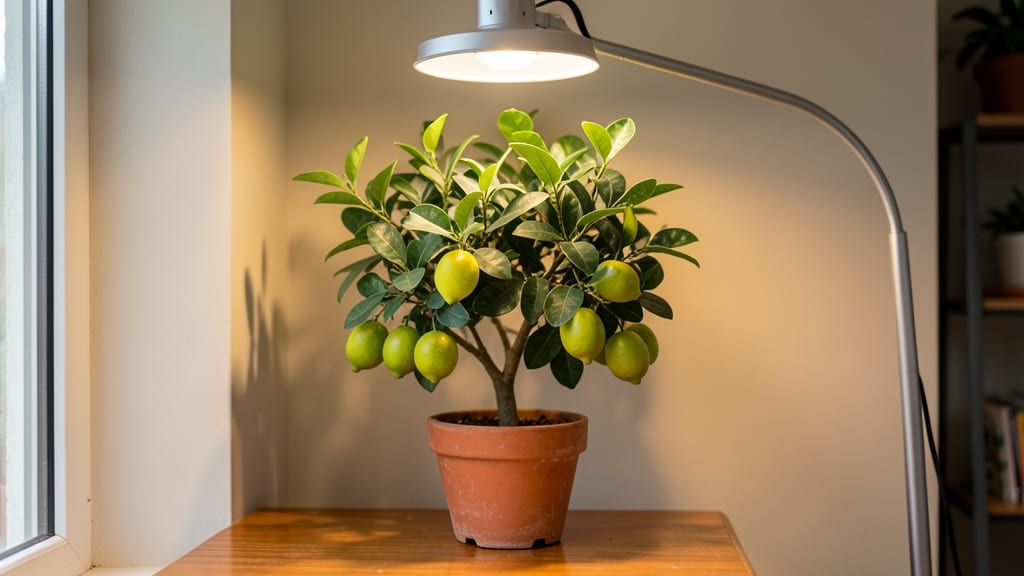
Growing fruit trees inside isn’t just possible—it’s the secret to fresh fruit year-round, even in a tiny apartment. 🌱 I've grown dwarf citrus, figs, and even apples on my sunniest windowsill, and the sweetest surprise is how much easier it is than you'd think with the right setup.
The key is choosing compact varieties like 'Meyer' lemon, 'Boston' apple, or 'Chicago Hardy' fig—all designed to thrive in containers. You'll need a 10-15 gallon pot, well-draining soil, and a grow light for winter months when natural light fades.
My first tree took up more space than I expected, so I switched to a 5-gallon fabric grow bag that saves room while still supporting healthy roots.
By summer, you'll be harvesting tiny but flavorful fruits that taste better than anything store-bought. The scent of blossoms in winter or the first green figs in spring make it worth every effort. Plus, indoor trees purify the air while giving you that farm-fresh feeling daily.
Works in any climate, from desert apartments to cold-weather condos. The biggest challenge? Light—but we'll tackle that with simple adjustments. Let's get those trees growing!
📚 In This Guide
- What you need
- Instructions
- Tips and common mistakes
- Wrapping up and next steps
What you need
- ● Dwarf fruit tree varieties: Choose self-pollinating types like Columnar Apple, Patio Pear, or Dwarf Citrus (1–3 trees, depending on space).
- ● Large containers: 15–30 gallon pots with drainage holes (1 per tree). Use lightweight materials like fabric grow bags or ceramic.
- ● High-quality potting mix: Well-draining blend (e.g., 60% inorganic + 40% organic, like perlite + coconut coir). ~5–10 gallons per tree.
- ● Slow-release fertilizer: Balanced (10-10-10 or 20-20-20) for citrus/apple; acidic (e.g., 8-3-9) for blueberries. ~1 lb per tree.
- ● Grow lights: Full-spectrum LEDs (40W–60W) or fluorescent bulbs (12,000–15,000 lux). 1 light per 2–3 sq ft of canopy.
- ● Humidity tray: Shallow tray + pebbles (or a humidifier for arid climates).
- ● Pruning tools: Sharp bypass pruners + sterilizing alcohol (70% isopropyl).
- ● pH meter: For soil testing (critical for citrus/blueberries; aim for 6.0–7.0 or 4.5–5.5 respectively).
- ● Self-watering system: Drip irrigation or smart pots (e.g., Blum or Lufa Farm models).
- ● Pollination aid: Small paintbrush for hand-pollinating (if trees aren’t self-pollinating).
- ● Support structures: Mini trellis or bamboo stakes for tall varieties (e.g., Columnar Apple).
- ● Thermometer/hygrometer: To monitor temperature (ideal: 65–85°F) and humidity (50–70%).
- ● Space: South-facing window (6+ hours sunlight) OR dedicated grow light setup (12+ hours/day).
- ● Time commitment: Daily light checks, weekly pruning, and seasonal fertilizer adjustments.
- ● Patience: Dwarf trees take 2–5 years to bear fruit (citrus may fruit sooner!).
- ● Local regulations: Verify indoor tree legality (some apartments restrict large plants).
How to grow miniature fruit trees indoors for compact harvests
Here's how to cultivate dwarf fruit trees year-round without sacrificing space or flavor.
🪴 Step 1: Select the Right Dwarf Variety and Container
Start with dwarf or semi-dwarf rootstock varieties like 'Patio Peko' peach, 'Columnar' apple, or 'Little Gem' fig—these stay under 6 feet tall when pruned properly. Choose a container with drainage holes at least 18-24 inches deep and 12-18 inches wide to accommodate root growth without crowding.
I always use unglazed terra cotta pots for my indoor trees because they wick away excess moisture through the walls, preventing root rot. Fill the bottom 2 inches with gravel or expanded clay pebbles to create a drainage layer—this prevents waterlogging while still allowing roots to breathe.
🌱 Step 2: Prepare the Soil and Plant with Care
Use a well-draining potting mix designed for fruit trees or create your own blend of 60% premium potting soil, 30% perlite, and 10% compost. Avoid garden soil—it compacts in containers and suffocates roots. Fill the pot ¾ full, leaving room for the root ball and a 2-inch top layer for mulch.
When planting, position the graft union (the visible bump near the base where the scion was attached) 1-2 inches above the soil line. This ensures the tree maintains its dwarf characteristics and prevents the rootstock from dominating. Water thoroughly until it drains freely from the bottom, then let it sit for 10 minutes to settle the soil around the roots.
☀️ Step 3: Position for Optimal Light and Temperature
Place your tree within 3-4 feet of a south-facing window or under 14-16 hours of artificial grow light daily. Without enough light, leaves yellow and fruit development stalls. I use a full-spectrum LED grow light on a timer to supplement winter sunlight—keep it 6-12 inches above the tree and adjust as it grows.
Maintain temperatures between 65-75°F during the day and 55-65°F at night. Avoid drafts from heating vents or air conditioning—fluctuations stress the tree and can cause fruit drop. If your home runs cooler, place a small space heater near the tree (safely!) to keep roots warm, especially in winter.
💧 Step 4: Water and Fertilize for Consistent Growth
Water when the top 2 inches of soil feel dry—stick your finger in to check. Overwatering is the #1 killer of container fruit trees, so always allow excess water to drain completely. In summer, you may need to water every 2-3 days, but reduce to once a week in winter when growth slows.
Feed your tree every 4-6 weeks with a balanced, slow-release fertilizer (10-10-10 or 20-20-20) mixed at half the recommended strength. Too much fertilizer burns roots and leads to leaf scorch. In late summer, switch to a low-nitrogen, high-phosphorus formula to encourage flowering and fruit set for next year.
✂️ Step 5: Prune and Train for Shape and Productivity
Prune twice a year: once in late winter to shape the tree and remove dead wood, and again right after harvest to encourage new growth. Use clean, sharp pruners to make cuts at a 45-degree angle just above a leaf node. Remove any suckers (shoots growing below the graft union)—they sap energy from the desired fruit-bearing branches.
Train young trees with a central leader (one main trunk) or open-center shape (for easier fruit picking). If your tree grows leggy toward the light, gently tie branches to a small stake or trellis to encourage upward growth. You’ll see stronger structure and better fruit production within 3-4 months of consistent pruning.
Tips & tricks for perfect miniature fruit trees indoors
These space-saving secrets will help your dwarf fruit trees thrive year-round without taking over your home.
Container Selection: Unglazed terra cotta pots aren't just traditional—they're essential. The porous walls prevent moisture buildup that leads to root rot, especially critical in Step 1 when you're creating that 2-inch drainage layer. For extra insurance, elevate your pot on feet or a saucer to prevent water pooling at the bottom during those summer watering sessions every 2-3 days.
Lighting Strategy: That 14-16 hours of artificial grow light isn't just about duration—it's about consistency. I use a timer to automate this because natural light varies dramatically by season. Position your light 6-12 inches above the tree and adjust as it grows. Notice how the leaves will lean toward the light? That's your tree telling you it's ready for a slight repositioning every few weeks to grow evenly.
Pruning Precision: When pruning twice yearly as instructed, focus on creating an open-center shape for easier fruit access. In Step 5, those 45-degree cuts above leaf nodes aren't just aesthetic—they encourage new growth while maintaining the tree's structural integrity. I always sterilize my pruners with rubbing alcohol between cuts to prevent disease transmission, especially important when dealing with multiple trees.
Temperature Management: The 65-75°F day range and 55-65°F night range are ideal, but real homes have hot spots and cold corners. I place a small thermometer near my trees to monitor conditions. If your space fluctuates more than 10°F between day and night, consider a small oscillating fan on low to create gentle air movement—it mimics natural wind conditions and strengthens stems.
Pro Tips for Fruit Trees Inside
- These space-saving secrets will help your dwarf fruit trees thrive year-round without taking over your home.
- Container Selection: Unglazed terra cotta pots aren't just traditional—they're essential.
- Lighting Strategy: That 14-16 hours of artificial grow light isn't just about duration—it's about consistency.
Frequently asked questions
Got questions about growing fruit trees indoors? You’re not alone! Here are answers to the most common concerns—from space-saving hacks to troubleshooting tricks—so you can enjoy fresh fruit year-round without the yard.
Can I really grow a full-sized fruit tree indoors?
Not full-sized, but yes! Dwarf or bonsai varieties (like apple, citrus, or fig) thrive indoors with proper care. These trees stay compact (3–6 feet tall) and produce fruit—just expect smaller yields than outdoor trees. Choose self-pollinating varieties for easier harvesting!
How long does it take for an indoor fruit tree to bear fruit?
Patience is key! Most dwarf trees take 2–5 years to fruit, depending on the type. Citrus trees (like Meyer lemons) may fruit in 1–3 years, while apples or pears can take longer. Light, temperature, and pollination (if needed) speed up the process.
What’s the best light source for indoor fruit trees?
Natural sunlight is ideal, but a grow light (LED or fluorescent) works too. Place your tree near a south-facing window (6+ hours of light daily) or use a light on a timer (14–16 hours/day). Lack of light? Leaves turn yellow or stretch—adjust as needed!
Why aren’t my indoor fruit tree’s leaves turning green?
Yellow or pale leaves usually mean light deficiency or overwatering. Check your tree’s pot drainage (no soggy roots!) and move it closer to a bright window or light source. Brown edges? It might be dry air—mist leaves or use a humidifier!
Are there space-saving alternatives to full trees?
Try:
- Hydroponic fruit trees: Grow in water-based systems (e.g., Kratky method) to save space.
- Dwarf citrus in pots: Lemons, limes, or oranges fit on countertops with proper pruning.
- Herbaceous fruit plants: Strawberries or dwarf blueberries thrive in hanging pots.
Wrapping up and next steps
Growing fruit trees inside isn’t just creative—it’s a game-changer for urban gardeners and small-space enthusiasts! 🌱 With the right techniques, you can enjoy fresh, homegrown fruit year-round, regardless of outdoor climate. Whether you’re using dwarf varieties, hydroponics, or clever indoor setups, the key is patience, consistency, and a little experimentation.
Ready to turn your vision into a harvest? Start small—pick one variety and a sunny spot—then watch your indoor orchard thrive! 🍎✨ Next step: Sketch your space, gather supplies, and dive in—your future fruit snacks are waiting!