
Pruning
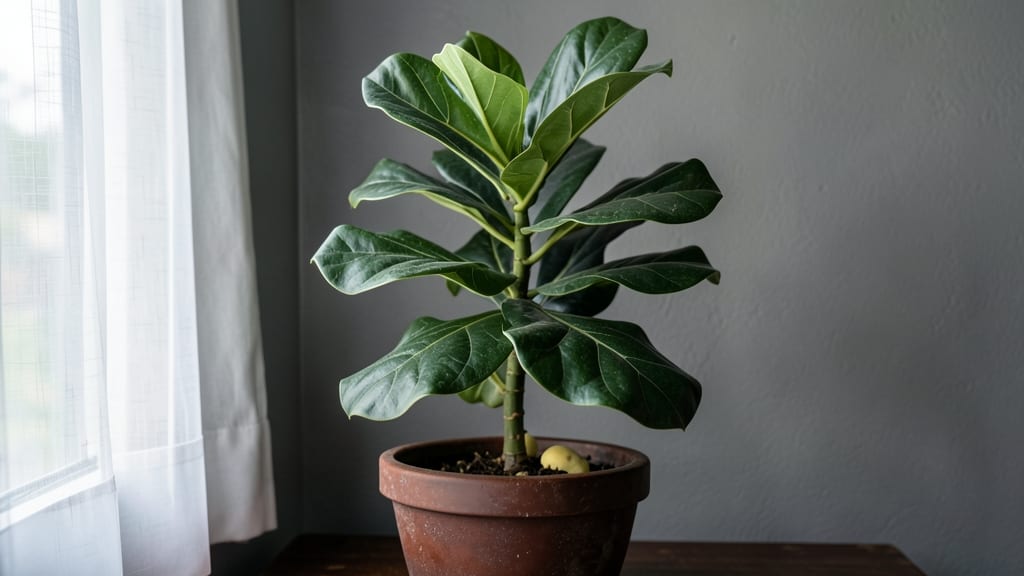
Ficus trees don’t need to be jungle giants—my small ficus tree thrives on a sunny windowsill, its glossy leaves reaching just 3 feet tall with the right care.
The secret lies in selecting dwarf varieties like the Ficus microcarpa 'Ginseng' or Ficus benjamina 'Exotica,' which grow slowly and stay manageable even in tiny apartments.
I’ve kept mine compact for years by pruning strategically and controlling light exposure, turning what could be a maintenance nightmare into a low-stress, rewarding houseplant.
You’ll need minimal supplies: a well-draining pot (at least 10 inches wide), sharp pruning shears, and a light misting bottle for humidity.
These trees tolerate indoor conditions better than most, but they do demand consistency—water only when the top inch of soil feels dry, and rotate the pot monthly to prevent lopsided growth. The payoff? A tree that fits your space without sacrificing lush, healthy foliage.
Even my black thumb can’t kill these with basic attention.
With the right pruning, your ficus will stay bushy and full, producing new growth where you snip. I trim mine in early spring to shape it and remove leggy stems, always cutting just above a leaf node.
The result? A tree that looks intentionally sculpted, not neglected. Plus, you’ll avoid the heartbreak of watching it outgrow its home—something that’s happened to every ficus I’ve ever owned before.
This approach works for both indoor and outdoor cultivation in mild climates.
For outdoor ficus, move them to partial shade in summer and bring them inside before temperatures drop below 50°F. The same pruning rules apply, so you get the best of both worlds: a year-round green accent that stays small and stays happy. Let’s get growing!
📚 In This Guide
- What you need
- Instructions
- Tips and common mistakes
- Wrapping up and next steps
What you need
- ● Pruning shears: Bypass pruners (sharp, clean blades for clean cuts) – 1 pair.
- ● Hand pruners: For smaller branches (diameter 1 pair.
- ○ Loppers: For thicker branches (½–1½ inches) – 1 pair (optional, if needed).
- ● Disinfectant: 70% isopropyl alcohol or rubbing alcohol – small bottle.
- ○ Pruning sealant: Wound sealant (optional, for larger cuts) – small tube.
- ● Gloves: Heavy-duty gardening gloves (protect from sap and thorns) – 1 pair.
- ● Rubbing alcohol or hydrogen peroxide: To sterilize tools – small bottle.
- ● Plastic bags or container: For collecting pruned branches – 1–2.
- ○ Measuring tape: For assessing branch size and spacing – 1 (optional).
- ● Timing: Prune in late winter or early spring (before new growth starts).
- ● Lighting: Ensure good natural or artificial light for visibility.
- ● Workspace: Clear a flat surface near the tree (for tools and debris).
- ● Water: Keep a spray bottle handy to mist leaves post-pruning (helps reduce stress).
- ● Research: Know your ficus variety (e.g., Ficus elastica, Ficus benjamina)—some respond better to specific pruning styles!
Step-by-Step guide to growing a compact ficus tree indoors
Here's how to cultivate a lush, space-saving ficus that thrives in tight indoor quarters.
Select the Right Ficus Variety for Small Spaces
Choose a dwarf or compact variety like the Ficus microcarpa 'Ginseng' or Ficus lyrata 'Little Fiddle'—both stay under 6 feet tall with proper care. These varieties naturally grow slower and tolerate indoor conditions better than their larger counterparts. Avoid standard ficus elastica unless you're willing to prune aggressively, as they can outgrow small spaces quickly.
Check the plant's tag for its mature height range. If it lists 5-6 feet, it's a good candidate. Place it near a bright window now to assess how it responds to your light conditions before committing to a permanent spot. The first few weeks are crucial for determining whether your chosen variety will thrive in your home's environment.
Prepare the Ideal Growing Environment
Position your ficus near an east or west-facing window where it will receive bright, indirect light for at least 6 hours daily. South-facing windows work too, but you may need to filter the light with a sheer curtain during peak afternoon sun to prevent leaf scorch. North-facing windows are too dim for most ficus varieties unless you supplement with a grow light.
Keep the temperature between 65-75°F during the day and avoid drafts from windows, doors, or vents. Ficus trees dislike sudden temperature swings, which can cause premature leaf drop. Place it in a spot where the humidity stays moderate—40-50% is ideal. If your home is dry, consider using a pebble tray with water beneath the pot to increase humidity around the plant.
Establish Proper Watering and Soil Care
Water your ficus when the top 2 inches of soil feel dry to the touch. Stick your finger into the soil to check—if it's damp, wait another day or two. Overwatering is the fastest way to kill a ficus, as it's prone to root rot in soggy conditions. Use room-temperature water and avoid letting the plant sit in standing water. Empty the saucer after 15 minutes to prevent the roots from suffocating.
Use a well-draining potting mix designed for indoor trees or create your own blend by mixing 50% peat moss, 30% perlite, and 20% compost. This combination ensures aeration while retaining enough moisture for the ficus's needs. Repot every 2-3 years or when the roots begin circling the pot, which you'll notice when they emerge from the drainage holes. Choose a container that's only 1-2 inches larger in diameter than the current pot to encourage compact growth.
Prune and Train for Compact Growth
Prune your ficus in early spring to shape it and encourage bushier growth. Use clean, sharp pruning shears to cut just above a leaf node or bud, where new growth will emerge. Remove any leggy stems or branches that detract from the plant's compact form. You can also pinch back the tips of new growth to promote branching—this is especially effective on young plants.
To maintain a small stature, avoid letting the ficus grow taller than 4-5 feet unless you're aiming for a standard-sized tree. If it outgrows your desired height, prune the top growth back by one-third in early spring. The plant will respond by sending out new shoots from the sides, creating a fuller, more compact shape. Always sterilize your pruning tools with rubbing alcohol to prevent the spread of disease.
Monitor and Maintain for Long-Term Health
Watch for signs of stress like yellowing leaves, leaf drop, or brown tips, which often indicate overwatering, underwatering, or low humidity. Yellow leaves on the bottom of the plant are normal as it matures, but sudden yellowing or wilting requires immediate attention. Adjust your watering schedule or move the plant to a more humid location if needed.
Fertilize your ficus every 4-6 weeks during the growing season (spring and summer) with a balanced, water-soluble fertilizer diluted to half strength. Reduce fertilization in fall and winter when the plant enters its dormant phase. Dust the leaves occasionally with a damp cloth to keep them clean and allow for better light absorption. A healthy ficus will reward you with glossy, vibrant leaves and steady, compact growth.
Tips & tricks for perfectly compact ficus growth
These practical insights will help you coax maximum lushness from your space-saving ficus while keeping it contained.
Light Assessment: In Step 2, when positioning near your east or west window, observe your ficus for the first two weeks. If leaves appear pale or stretched toward the light, you're not getting enough bright, indirect light for those crucial 6 hours daily. Move it closer to the window or supplement with a grow light for 4-6 hours if needed—this prevents the leggy growth that defeats the purpose of compact varieties.
Temperature Stability: Maintaining that 65-75°F range during the day is easier than it sounds. I've found that placing the ficus away from exterior walls helps prevent temperature swings when you open windows in warmer months. Also, avoid placing it near kitchen vents or heating ducts, which can cause sudden drafts that stress the plant. A small digital thermometer near the plant helps track fluctuations you might not notice otherwise.
Soil Mix Precision: The 50-30-20 blend of peat moss, perlite, and compost in Step 3 is perfect, but here's the trick: sterilize your potting mix before use. Microwave it in a covered container for 2-3 minutes to kill any pathogens or pests that could harm your ficus. This is especially important if you're repotting a plant you've had for years, as soil-borne issues accumulate over time. The sterilized mix gives your compact tree the clean foundation it needs to thrive in its limited space.
Pruning Timing: When you prune in early spring as directed in Step 4, focus on making clean cuts just above leaf nodes. The key is to prune when new growth is about 2-3 inches long—this gives you material to propagate if desired, while still encouraging bushier growth. I've seen many people over-prune in an attempt to control height, which actually stresses the plant. Remember, you're shaping rather than drastically reducing—think of it as giving your ficus a stylish haircut rather than a buzz cut.
Pro Tips for Ficus Tree Small
- These practical insights will help you coax maximum lushness from your space-saving ficus while keeping it contained.
- Light Assessment: In Step 2, when positioning near your east or west window, observe your ficus for the first two weeks.
- Temperature Stability: Maintaining that 65-75°F range during the day is easier than it sounds.
Frequently asked questions
Got questions about keeping your ficus tree small while maximizing its beauty? Here are some of the most common concerns—and their solutions!
How do I keep my ficus tree small indoors?
Prune regularly to control growth—trim back leggy stems in early spring or after flowering. Use a sharp pair of shears and seal cuts with cinnamon powder to prevent disease. Pro tip: Rotate the plant occasionally for even growth!
How often should I prune a small ficus tree?
For compact growth, prune lightly every 3–6 months, focusing on shaping and removing dead leaves. Avoid over-pruning—ficus trees thrive with 1/3 of their foliage intact. Spring and summer are ideal times for pruning.
Can I grow a ficus tree small in a pot without pruning?
While root-bound ficus trees may grow slower naturally, pruning is still key for maintaining shape and health. Choose a smaller pot (1–2 sizes up from the root ball) and fertilize lightly to encourage bushier growth.
Why is my small ficus tree dropping leaves?
Leaf drop is often due to overwatering, underwatering, or stress from sudden temperature changes. Check soil moisture (top inch should be dry) and place the plant in bright, indirect light. Avoid drafts and adjust care gradually.
What’s the best temperature for a small ficus tree?
Ficus trees thrive in 65–80°F (18–27°C) during the day and 60°F (15°C) at night. Keep them away from cold drafts, heating vents, or direct sunlight. If temps drop below 50°F (10°C), expect leaf drop.
Wrapping up and next steps
A small ficus tree thrives with the right care—pruning for shape, proper lighting, and consistent watering. Whether you’re trimming for size, health, or aesthetics, these steps keep your plant lush and compact. 🌿
You’ve got this! Start with confidence, and soon your ficus will be the perfect indoor centerpiece. Ready to see your tree flourish? Grab your tools and get pruning!