
Pruning
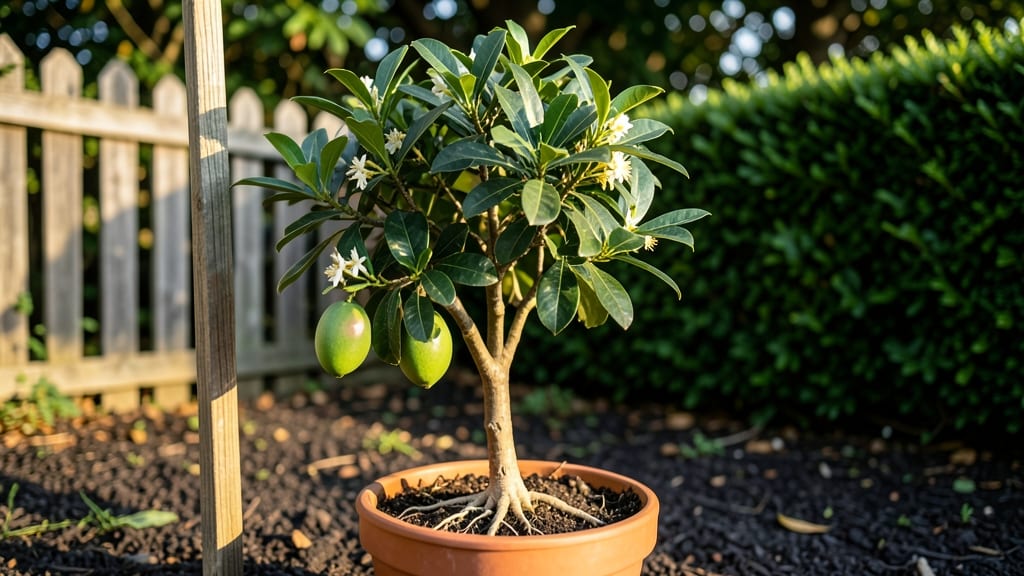
Growing a dwarf mango tree in your backyard or even on a balcony isn’t just possible—it’s a game-changer for small-space gardeners craving tropical flavors. 🌱 I’ve watched mine go from a 6-inch sapling to a fruit-bearing bush in just two years, and the secret isn’t luck—it’s knowing the right balance of sunlight, soil, and patience.
Most people assume mango trees need acres of space, but dwarf varieties thrive in containers as small as 15 gallons, making them perfect for patios, decks, or even sunny windowsills.
The real magic happens when you match their needs to your space. These trees love full sun (at least 6-8 hours daily) and well-draining soil mixed with compost—think of it as giving them a rich, airy blanket to grow into.
Watering’s the trickiest part: too much and the roots rot, too little and the leaves crisp. I’ve found a once-a-week deep watering in summer works best, adjusting for your climate.
Pruning isn’t just about shaping—it’s about encouraging those sweet, fragrant flowers that lead to fruit, and I’ll show you exactly how to do it without sacrificing growth.
By the time your tree’s two years old, you’ll be harvesting tiny, intensely sweet mangoes—not the massive grocery-store varieties, but ones packed with flavor and perfect for snacking. The best part? These trees stay compact, so you avoid the mess of dropping fruit from a 30-foot giant.
Plus, they’re surprisingly cold-hardy for tropical plants, surviving down to 28°F with the right protection. Imagine peeling a mango you grew yourself while sipping iced tea on your patio—that’s the reward waiting for you.
Whether you’re in a suburban yard, a city apartment, or a rural homestead, dwarf mango trees adapt. The key is starting right: choosing the right variety (like ‘Cogshall’ or ‘Ice Cream’), giving them the perfect pot or ground spot, and learning the subtle cues they give when they’re happy—or stressed.
Let’s get your tree off to the best possible start so you can taste that first homegrown mango sooner than you think.
📚 In This Guide
- What you need
- Instructions
- Tips and common mistakes
- Wrapping up and next steps
What you need
- ● Dwarf mango tree sapling: Choose a grafted variety (e.g., ‘Cogshall,’ ‘Julie,’ or ‘Ice Cream’) from a nursery. Ensure it’s labeled as dwarf (typically 6–10 ft at maturity).
- ● Container (if potted): A 5–15 gallon pot with drainage holes (e.g., fabric grow bags or ceramic pots). Pro tip: 💡 Larger pots = slower root binding = better long-term growth!
- ● Well-draining soil: Mix 60% potting mix (e.g., Miracle-Gro Moisture Control) with 30% perlite and 10% compost. For ground planting, amend native soil with 2–3 inches of compost.
- ● Organic fertilizer: Slow-release granular (e.g., 10-10-10 NPK) or liquid (e.g., fish emulsion). Start with ½ cup per tree every 6–8 weeks.
- ● Mulch: 2–3 inches of wood chips or straw to retain moisture and regulate soil temp.
- ● Pruning tools: Bypass pruners (for small branches, ¼–½ inch thick)
- ● Loppers (for thicker branches, ½–1½ inch thick)
- ● Sterilizing solution (e.g., 70% isopropyl alcohol or bleach water)
- ● Safety gear: Gloves (nitrile for grip), long sleeves, and safety glasses (mango sap can irritate skin!).
- ○ Support (optional): Stakes or a small trellis (if planting in windy areas or for young trees).
- ● Drip irrigation or hose: For consistent watering (aim for 1–1.5 inches per week).
- ● Sunlight access: A location with 6+ hours of direct sunlight daily (south-facing windows or outdoor spots).
- ● Growth regulator: Paclobutrazol (e.g., B-Nine) to further stunt growth (follow label instructions!).
- ● Soil pH tester: Ideal range for mangoes is 5.5–7.0 (adjust with lime or sulfur if needed).
- ● Pollination aid: A small paintbrush to hand-pollinate flowers if indoor-growing (mangoes are self-pollinating but benefit from a nudge!).
- ● Tree guard: A wire cage or mesh to protect young trees from pests (e.g., aphids, fruit flies).
How to grow a thriving dwarf mango tree in limited space
Here’s the straightforward approach I’ve used to grow sweet, compact mango trees on patios and balconies.
🌱 Step 1: Choose the Right Variety and Container
Dwarf mango trees like ‘Cogshall’ or ‘Ice Cream’ stay under 10 feet tall and thrive in 5-gallon containers or larger. These varieties produce fruit just like full-size trees but stay manageable. Pick a pot with drainage holes—mango roots hate soggy soil. I use unglazed terra cotta because it breathes and prevents root rot.
Fill the container with a fast-draining mix: combine 60% potting soil, 30% perlite, and 10% compost. This mimics tropical soil while keeping roots aerated. Avoid garden soil—it compacts and drowns roots. Tap the pot gently after filling to settle the mix without packing it down.
☀️ Step 2: Position for Maximum Sunlight and Warmth
Dwarf mangoes need full sun (6-8 hours daily) to fruit well. Place your pot in the suniest spot—south or west-facing works best. If you’re in a shady climate, supplement with a grow light for 12-14 hours daily. Without enough light, leaves yellow and fruit won’t develop properly.
Keep the soil warm (70-85°F)—mangoes are tropical. In cooler climates, move the pot indoors during winter or use a heating mat under the container. Watch for brown leaf edges—this signals temperature stress. A simple thermometer near the pot helps track soil warmth.
💧 Step 3: Water Deeply but Sparingly
Water when the top 2 inches of soil feel dry—stick your finger in to check. Overwatering is the #1 killer of container mangoes. I water deeply until it drains from the bottom, then empty the saucer to prevent root rot. Young trees need once every 3-4 days; mature ones tolerate once a week if the pot is large enough.
Mangoes love humidity. Mist leaves daily or place the pot on a pebble tray with water to raise moisture levels. You’ll see new growth when leaves stay bright green and slightly glossy—a sign the plant is happy. Yellowing leaves mean either too much water or not enough sunlight.
✂️ Step 4: Prune for Shape and Fruit Production
Prune in late winter before new growth starts. Remove dead or crossing branches first—this improves airflow and reduces disease risk. Then, trim back overly long branches by one-third to encourage bushier growth. Mangoes fruit on new wood, so pruning stimulates fruit buds.
Shape the tree like an open vase—cut branches so light reaches the center. Avoid heavy pruning in summer; it stresses the plant. After pruning, feed with a balanced citrus/mango fertilizer (10-10-10) every 4-6 weeks during growing season. You’ll notice small white flowers in spring—that’s your cue to reduce fertilizer and focus on watering.
🍎 Step 5: Harvest and Care for Future Years
Mangoes ripen 6-12 months after flowering, depending on variety. Pick when the fruit gives slightly when gently squeezed and the skin turns from green to yellow/orange. Never harvest unripe—container-grown mangoes won’t ripen off the tree like grocery store ones.
After harvest, reduce watering and fertilizing. Let the tree rest through fall and winter. In spring, repot if roots circle the container. Divide roots gently and add fresh mix. With patience, your dwarf mango will reward you with years of tropical fruit—even in small spaces!
Tips & tricks for perfect dwarf mango tree growth
Ready to transform your tiny space into a tropical oasis? These game-changing insights will help you nurture a thriving dwarf mango that actually produces fruit—no green thumb required!
Container Upgrade: While 5-gallon pots work, consider upgrading to 7-10 gallon containers as your tree matures. The extra space gives roots room to spread and prevents that dreaded "root-bound" stress. I've seen dwarf mangoes in 5-gallon pots produce fruit, but they'll reward you with bigger harvests in larger containers.
Soil Temperature Secret: That 70-85°F soil temperature range is non-negotiable! In cooler climates, I've had success using a small heat mat under the pot during winter months. You can also wrap the pot in bubble wrap for extra insulation—just leave the top exposed. The goal is to keep those tropical roots happy year-round.
Lighting Hack: If your space gets less than 6 hours of sun, a full-spectrum LED grow light can work wonders. Position it 6-12 inches above the plant for those 12-14 hours of supplemental light. I've used these same lights to extend growing seasons in my balcony garden, and they've made all the difference for my dwarf mango.
Pruning Pro Tip: When shaping your tree in Step 4, focus on creating an "open vase" shape by cutting branches at a 45-degree angle just above a leaf node. This not only improves airflow but also encourages new growth where fruit buds form. I always sanitize my pruning shears with rubbing alcohol between cuts to prevent disease spread.
Pro Tips for Dwarf Mango Tree
- Ready to transform your tiny space into a tropical oasis?
- Container Upgrade: While 5-gallon pots work, consider upgrading to 7-10 gallon containers as your tree matures.
- Soil Temperature Secret: That 70-85°F soil temperature range is non-negotiable!
Frequently asked questions
Got questions about growing your own dwarf mango tree? You’re not alone! Here are some of the most common queries—plus straightforward answers to help you cultivate a thriving, space-friendly harvest.
How long does it take for a dwarf mango tree to bear fruit?
A dwarf mango tree typically takes 3–5 years to bear fruit, depending on care, climate, and variety. Patience is key—consistent sunlight (6+ hours daily), well-draining soil, and proper pruning speed up the process. Pro tip: Some grafted dwarf varieties (like ‘Cogshall’ or ‘Ice Cream’) may fruit even sooner!
Can dwarf mango trees survive cold weather?
Most dwarf mango trees thrive in USDA Zones 10–11 and struggle below 30°F (-1°C). If you live in colder zones, grow yours in containers and bring it indoors during winter. Choose cold-hardy varieties like ‘Julie’ or ‘Kensington Pride’ for better resilience.
How often should I prune a dwarf mango tree?
Prune your dwarf mango tree twice a year: once in late winter/early spring (before new growth) to shape the tree, and again in summer to remove dead or overcrowded branches. Focus on air circulation and sunlight penetration to prevent disease.
What’s the best alternative if I can’t grow a mango tree?
If dwarf mango trees aren’t feasible, try dwarf citrus trees (like Meyer lemons) or fig trees—both are compact, fruit-bearing, and adaptable. For tropical flavors without the heat, passionfruit vines or dwarf banana plants are great indoor/outdoor options!
Why are my dwarf mango tree’s leaves turning yellow?
Yellow leaves often signal overwatering, nutrient deficiency, or pests. Check soil moisture (dwarf mangoes prefer slightly dry soil), fertilize with a balanced citrus/mango blend, and inspect for aphids or mites. Adjust care and monitor for improvement!
Wrapping up and next steps
Growing a dwarf mango tree is a rewarding way to enjoy tropical flavors—even in limited spaces!
With the right pruning techniques, soil care, and a little patience, you’ll soon be harvesting sweet, juicy mangoes right from your backyard. Don’t let small spaces hold you back—start small, prune smart, and watch your compact tree thrive!
Ready to take the next step? Pick your favorite dwarf variety, grab your pruning shears, and get growing! 🌱✨