
Pruning
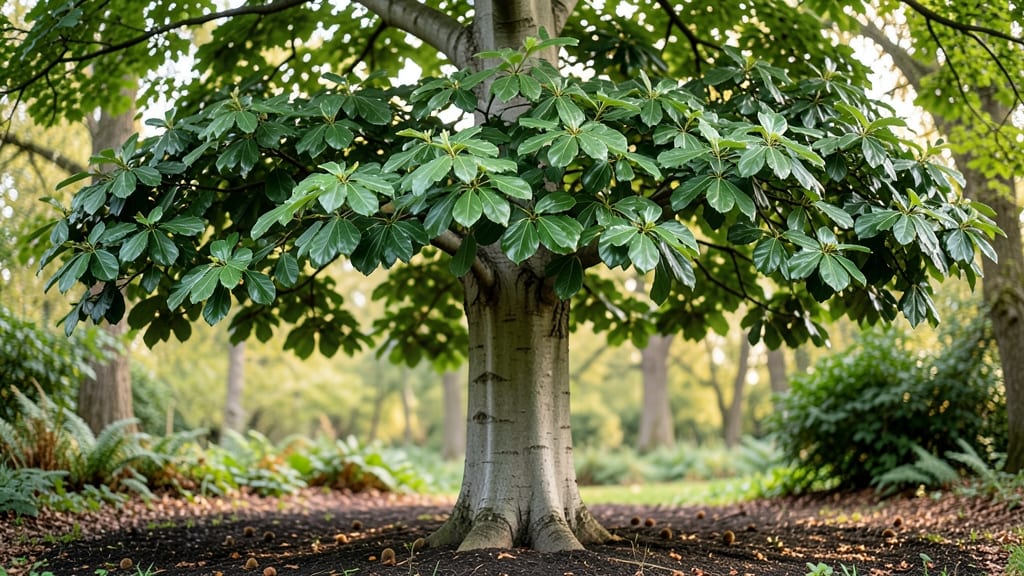
Pruning a Fagus beech tree transforms it from a tangled mess into a towering, frost-resistant masterpiece—especially in the Pacific Northwest’s damp climate. 🌿 I’ve pruned my copper beech for years, and the key is timing: late winter or early spring, before new growth starts.
A single poor cut can scar the bark for life, so sharp tools and patience are non-negotiable.
The right approach depends on your tree’s age and health. Young beech trees need shaping to encourage strong branching, while mature specimens benefit from thinning to improve airflow.
My 20-year-old copper beech now has a canopy so dense it blocks winter winds, and the purple foliage pops against the gray Pacific skies. The secret? Remove no more than 25% of the canopy in one season—less is always more with these slow growers.
You’ll end up with a tree that stays lush year-round, resists disease, and becomes the centerpiece of your landscape. The glossy leaves turn golden in fall, and the bark develops striking patterns with age.
Even in heavy shade, a well-pruned beech thrives, making it perfect for understory planting or as a solitary specimen. Just avoid pruning in fall—it invites fungal infections before winter sets in.
Works for all Fagus species, from the classic European beech to the showstopping copper or purple varieties. Whether you’re correcting a neglected tree or maintaining a healthy specimen, these techniques keep your beech looking its best for decades. Ready to get started?
📚 In This Guide
- What you need
- Instructions
- Tips and common mistakes
- Wrapping up and next steps
What you need
- ● Pruning saw (bypass or folding saw) – for thick branches (1.5"+ diameter)
- ● Pruning shears (bypass or anvil) – for smaller branches (0.25"-1.5")
- ● Loppers – for medium branches (0.5"-2")
- ○ Extension pole pruners – for high branches (optional but handy!)
- ● Gloves – cut-resistant (e.g., Mechanix or heavy-duty gardening gloves)
- ● Safety glasses – to shield eyes from debris
- ○ Disposable pruning sealant (e.g., Tanglefoot Tree Wound Pruning Seal) – 1 small bottle (optional but recommended for large cuts)
- ● Rope or ladder – if tree exceeds 10 ft tall (safety first!)
- ● Trash bags or bucket – for collecting pruned branches
- ○ Sharpie or marker – to mark branches for removal (optional)
- ● Dry, frost-free day – Beech trees hate wet cuts (increases disease risk) and late pruning can stress frost-sensitive varieties.
- ● Late winter/early spring – Best time: February–March (before buds swell). Avoid pruning in fall if frost is forecasted!
- ● Temperature check – Wait until temps stay above 32°F (0°C) for 48+ hours.
- ● Sterilize tools between cuts with 70% isopropyl alcohol or bleach solution (1 part bleach : 9 parts water) to prevent fungal spread.
- ● Skip the sealant for small cuts (<0.5" diameter)—beech trees heal well on their own!
- ● Watch for beech leaf disease (common in PNW). If spotted, sterilize tools thoroughly and remove infected branches immediately.
Step-by-Step instructions for pruning Fagus beech trees
Here's how to shape your Pacific Northwest beech tree for strength and beauty.
🌿 Step 1: Choose the Right Time for Pruning
Beech trees respond best to pruning during their dormant season, which in the Pacific Northwest runs from late fall through early spring—ideally between November and February. This timing minimizes stress on the tree and reduces disease risk. Avoid pruning during late spring or summer when the tree is actively growing, as this can invite pests and fungal infections.
Look for the tree's natural leaf drop as your signal. Once all leaves have fallen and new growth hasn't yet begun, it's safe to start. I always prune on a dry day when temperatures are above 40°F—cold, wet conditions stress the tree and slow healing.
✂️ Step 2: Gather Your Tools and Prepare the Work Area
You'll need sharp, clean pruning shears for small branches and a pruning saw for thicker limbs over ½ inch in diameter. Disinfect your tools with rubbing alcohol or a 10% bleach solution before and after each cut to prevent spreading disease. I also wear gloves to protect my hands from thorns and sap.
Clear the area around the tree of debris and any low-hanging branches that could interfere with your work. Lay down a tarp or drop cloth to catch falling leaves and branches. This keeps your workspace tidy and makes cleanup easier. If the tree is large, consider using a sturdy ladder with non-slip feet for safety.
🌱 Step 3: Identify and Remove Dead or Diseased Branches
Start by scanning the tree for dead, dying, or diseased branches. Dead branches are typically brittle, snap easily when bent, and have no green tissue inside when cut. Diseased branches often show signs like discoloration, oozing sap, or unusual growths. Remove these first—they're the lowest-hanging fruit (or branches) in terms of improving tree health.
Make your cuts just outside the branch collar, the swollen area where the branch meets the trunk. Avoid leaving stubs, as they can invite decay. If a branch is too large to cut cleanly with hand tools, use your pruning saw and make the cut on the underside of the branch to prevent tearing. Step back and admire your progress—this step alone can transform the tree's appearance.
☀️ Step 4: Thin the Canopy for Better Airflow and Light
Beech trees benefit from a well-thinned canopy that allows sunlight to reach the inner branches and air to circulate freely. Focus on removing branches that cross or rub against each other, as these often lead to wounds and disease. Aim to reduce the density of the canopy by about 20-30%—this encourages stronger growth and reduces the risk of fungal issues.
I like to start at the outer edges of the tree and work my way inward. Look for branches that grow inward or downward; these are prime candidates for removal. Make sure to leave some branches at different heights to maintain the tree's natural shape. After thinning, the tree should look more open and inviting—like it's breathing easier.
🪴 Step 5: Shape the Tree and Encourage New Growth
Now it's time to refine the tree's shape. Beech trees have a naturally elegant form, so avoid over-pruning. Instead, focus on lightly shaping the outer edges to maintain a balanced silhouette. Remove any branches that spoil the tree's symmetry or grow too close to the trunk. Remember, beech trees are slow-growing, so be patient and make gradual changes over time.
To encourage new growth, make your cuts just above a bud or lateral branch. This helps the tree redirect its energy to healthier areas. After pruning, water the tree deeply to help it recover. Avoid fertilizing immediately, as this can stress the tree. Instead, give it time to heal and focus on keeping the soil moist but well-drained.
Tips & tricks for perfect Fagus beech tree pruning
Transforming your Pacific Northwest beech tree takes more than just a pair of shears—here's what I've learned from years of pruning these majestic trees.
Timing is Everything: That 40°F minimum temperature isn't arbitrary—it's the sweet spot where the tree's sap flows slowly enough to minimize bleeding but isn't so cold that the wood becomes brittle. I've seen pruning wounds heal poorly when done in temperatures below this threshold, especially after a hard frost. If you're working at the edges of this range, consider waiting for a slightly warmer day when the tree has more energy to recover.
Tool Sharpness Matters: The ½-inch diameter threshold for when to switch from pruning shears to a saw is crucial for clean cuts. But here's the secret: your tools need to be sharper than you think. Dull blades tear the bark rather than making clean cuts, which creates larger wounds that take longer to heal. I keep a small file in my tool kit to sharpen blades between cuts—it makes all the difference in wound healing and disease prevention.
Visual Cues for Healthy Cuts: When making cuts in Step 3, look for the branch collar—that swollen area where the branch meets the trunk. The key is to cut just outside this collar, but don't guess. Run your fingers along the branch to feel where it naturally separates from the trunk. This tactile approach helps you make more precise cuts that heal better. I've made the mistake of cutting too close to the trunk, which can girdle the branch and kill it.
Canopy Thinning Strategy: That 20-30% density reduction target in Step 4 is about more than just aesthetics—it's about creating an open structure that allows sunlight to penetrate to the lower branches. I like to think of it as creating a "sunlight highway" through the tree. Start by removing branches that grow straight up from the trunk (called "water sprouts") and those that cross others. These are the first to go—they're the traffic jams of your tree's canopy system.
Pro Tips for Fagus Beech Tree
- Transforming your Pacific Northwest beech tree takes more than just a pair of shears—here's what I've learned from years of pruning these majestic trees.
- Timing is Everything: That 40°F minimum temperature isn't arbitrary—it's the sweet spot where the tree's sap flows slowly enough to minimize bleeding but isn't so cold that the wood becomes brittle.
- Tool Sharpness Matters: The ½-inch diameter threshold for when to switch from pruning shears to a saw is crucial for clean cuts.
Frequently asked questions
Got questions about pruning your Fagus (beech tree) in the Pacific Northwest? You're not alone! Here are answers to the most common concerns—from timing to tools—to keep your frost-resistant beauty thriving.
When is the best time to prune a beech tree?
The ideal window is late winter to early spring (February–March), while the tree is still dormant but before buds swell. Avoid pruning in fall—it can stimulate late growth vulnerable to frost. Pro tip: If you must prune in summer, do it early (June) to reduce stress.
Can I prune a beech tree after a hard frost?
Yes, but wait until temperatures stabilize (above 40°F/4°C for 3–5 days). Frost can weaken the tree, making it more susceptible to disease. Prune after any late-season frosts to avoid shocking the tree. Watch for: brown, brittle branches—these are dead and safe to remove.
What tools do I need for large beech tree branches?
For branches thicker than 2 inches, use a pruning saw with a bow or folding blade (like the Felco F-2). For smaller cuts, loppers (up to 1.5 inches) work best. Safety first: Wear gloves, eye protection, and a harness if branches are overhead. Pro tip: Sharpen blades before starting—dull tools tear wood, inviting disease.
Why does my beech tree bleed sap after pruning?
Beech trees naturally bleed sap when pruned in late winter/early spring—it’s harmless! The flow slows in 1–2 weeks. To minimize mess, prune on dry days and avoid cuts larger than 1/3 the branch diameter. Warning: If sap oozes heavily for months or turns black/moldy, the cut may be too large or infected.
Are there alternatives to traditional pruning for beech trees?
Yes! Consider crown thinning (removing select branches to improve airflow) or pollarding (cutting back to a stub) for mature trees—though beech trees respond best to natural shaping. For young trees, focus on structural pruning to encourage a strong, open canopy. Avoid: Topping (cutting the main stem)—it weakens the tree and invites pests.
What if my beech tree isn’t recovering after pruning?
Signs of trouble include yellowing leaves, wilting, or excessive sap. Check for: over-pruning (never remove >25% of foliage at once), disease (fungal spots, cankers), or pest damage (borers, scale). If in doubt, consult a certified arborist—beech trees are resilient but need proper care!
Wrapping up and next steps
The Fagus beech tree is a stunning, frost-resistant gem that thrives in the Pacific Northwest’s climate—when pruned with care. By mastering the right tools, timing, and techniques, you can shape its majestic canopy while ensuring long-term health.
Whether you’re trimming for aesthetics, safety, or vitality, every cut is an investment in beauty and resilience.
Ready to take action? Grab your pruners, review your notes, and schedule that first session—your beech tree’s future starts with you! 🌿✨ Start planning your pruning calendar today.