
Blooming
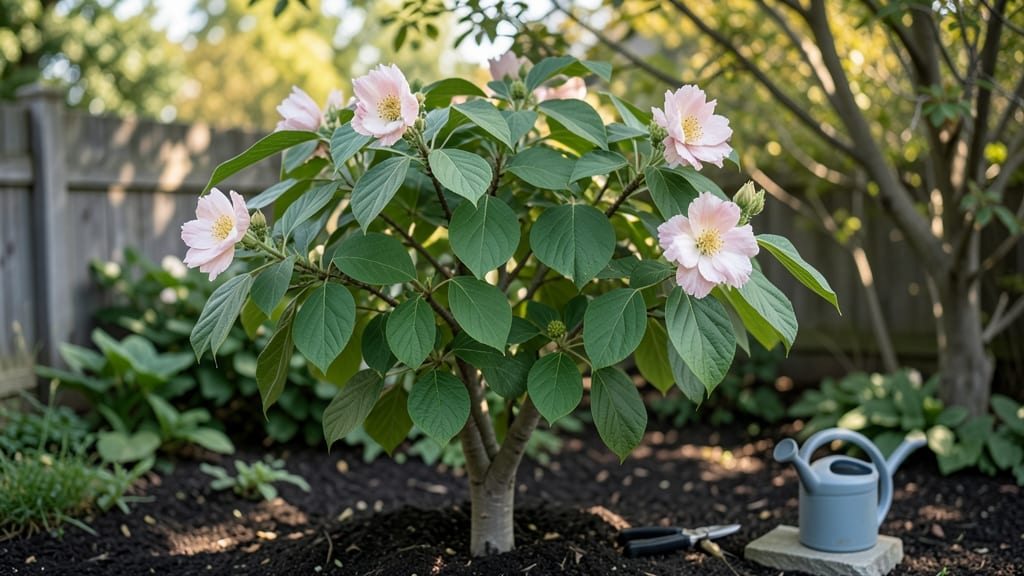
The Pacific Northwest's dogwood tree bloom transforms neighborhoods into soft pink and white dreamlands every spring. 🌸 I’ve watched these trees go from bare branches to showstopping canopies in just four weeks—when they’re happy and healthy.
The timing depends on winter chill hours and your specific variety, but most bloom between late April and early May, just as rain softens into sunshine.
Here’s the secret: dogwoods bloom on old wood, so pruning after flowering is key. Too many gardeners cut back in late winter, removing next year’s buds.
The right care—watering during dry spells, mulching to protect roots, and choosing the right location with dappled shade—ensures those iconic blooms return year after year. Some varieties, like Cornus nuttallii, are native to the PNW and thrive with minimal fuss.
When the flowers arrive, they’re followed by vibrant red berries that feed birds through winter. Pair dogwoods with spring bulbs like daffodils or ferns for a layered effect that lasts all season.
The scent alone—subtle but sweet—makes these trees worth every ounce of care. Let’s make sure yours puts on the best show possible.
Regional variations matter: coastal dogwoods may bloom earlier than inland ones, and urban areas with heat islands can push timing later. But with the right preparation—like testing soil pH and avoiding over-fertilizing—you’ll have blooms that rival the most famous PNW landscapes.
The payoff? A garden that feels like a postcard every spring.
📚 In This Guide
- What you need
- Instructions
- Tips and common mistakes
- Wrapping up and next steps
What you need
- ● Dogwood flowers: 12–20 fresh blooms (or 1–2 bunches of stems, depending on vase size). Opt for Cornus florida (eastern dogwood) or Cornus nuttallii (Pacific dogwood) for authenticity.
- ● Vase or container: 1 medium-sized vase (6–12 inches tall) with a narrow neck to support stems. Glass or ceramic works best for visibility.
- ● Pruners or sharp scissors: 1 pair for cleanly trimming stems at a 45° angle.
- ● Floral preservative: 1 packet or liquid (like Floralife) to extend bloom life.
- ● Water: 1–2 gallons of fresh, room-temperature water.
- ● Greenery fillers: Ferns, ivy, or eucalyptus (2–3 sprigs) to complement the blooms.
- ● Decorative pebbles: Small stones (½ cup) for a natural base in shallow containers.
- ● Ribbon or twine: For wrapping stems or adding a rustic touch.
- ● Pruning shears: If trimming larger branches outdoors.
How to encourage stunning dogwood blooms in the Pacific Northwest
Here's the method I've used for years to coax vibrant, long-lasting dogwood blooms in our damp, mild climate.
🌱 Step 1: Plant in the Right Spot with Proper Soil Prep
Choose a location with partial shade—morning sun and afternoon shade works best in the PNW's humid summers. Dogwoods here need well-draining, acidic soil with a pH between 5.0-6.0. I always test my soil first because our native clay can get too compacted.
Dig a hole twice as wide as the root ball but only as deep. This prevents root stress from being buried too deep. Mix the excavated soil with 2 inches of compost and 1 cup of peat moss to improve drainage and acidity. The root ball should sit 1-2 inches above the surrounding soil level—this prevents water pooling around the trunk.
☀️ Step 2: Water Deeply and Mulch for Moisture Retention
Water the newly planted dogwood deeply right after planting—soak the soil until water runs out the bottom of the hole. This settles the roots into the amended soil. In the PNW's rainy climate, we focus on keeping the soil consistently moist but never soggy during the first 2 years.
Spread 3 inches of mulch (I use cedar chips) around the base, keeping it 6 inches away from the trunk. This mimics the forest floor conditions dogwoods love while preventing rot. Check moisture weekly by pushing your finger 2 inches into the soil—if it's dry, water again. Overwatering is the #1 killer of young dogwoods here.
✂️ Step 3: Prune for Airflow and Bloom Health
Prune right after flowering in late spring to avoid cutting off next year's buds. Remove any dead, crossing, or weak branches first—these compete with healthy growth. I always make cuts just outside the branch collar where it meets the trunk for cleanest healing.
Thin out the center of the tree to improve airflow, which prevents fungal diseases common in our damp climate. Never remove more than 25% of the canopy in one year—dogwoods are sensitive to heavy pruning. You'll see stronger blooms next season when the tree isn't struggling to support dense foliage.
🌿 Step 4: Feed and Protect for Long-Term Blooms
Apply ½ cup of 10-10-10 fertilizer in early spring before new growth appears. Dogwoods here don't need heavy feeding—too much nitrogen creates leafy growth at the expense of flowers. I mix it into the top 2 inches of soil around the drip line, not right at the trunk.
Watch for borers or anthracnose fungus—both are common in PNW dogwoods. If you see holes in bark or black spots on leaves, treat immediately with horticultural oil or fungicide. A 2-inch layer of wood chips renewed annually keeps roots cool and prevents soil-borne diseases from splashing onto the trunk.
Tips & tricks for perfect dogwood blooms in the Pacific Northwest
These little details make all the difference when it comes to coaxing those showstopping dogwood blooms in our damp climate.
Soil pH is everything: Dogwoods absolutely thrive in acidic soil with a pH between 5.0-6.0. I test my soil every spring—if it's too alkaline, I mix in 2 inches of compost and 1 cup of peat moss to bring it down. You can also use sulfur-based amendments if needed. The right pH prevents nutrient deficiencies that dull bloom color.
Root ball positioning matters: When planting, make sure the root ball sits 1-2 inches above the surrounding soil level. This prevents water from pooling around the trunk, which can cause rot. I always check this by comparing the top of the root ball to the surrounding soil—it should never be buried deeper than it was in the nursery pot.
Mulching strategy for PNW winters: That 3-inch layer of cedar mulch isn't just for looks—it protects roots from our cold, wet winters while keeping soil temperatures stable. I renew it annually in early spring, making sure to keep it 6 inches away from the trunk to prevent rot. The cedar also naturally repels pests that love dogwoods.
Pruning timing is critical: Never prune in late summer or fall—you'll cut off next year's flower buds! Stick to late spring after blooming, when you can clearly see dead or crossing branches. I always sterilize my pruners with rubbing alcohol between cuts to prevent spreading disease in our damp climate.
Pro Tips for Dogwood Tree Bloom
- These little details make all the difference when it comes to coaxing those showstopping dogwood blooms in our damp climate.
- Soil pH is everything: Dogwoods absolutely thrive in acidic soil with a pH between 5.0-6.0.
- Root ball positioning matters: When planting, make sure the root ball sits 1-2 inches above the surrounding soil level.
Frequently asked questions
Got questions about maximizing your dogwood tree bloom? You’re not alone! Here are answers to the most common ones—so you can enjoy that Pacific Northwest springtime magic worry-free.
When do dogwood trees typically bloom?
Dogwood trees usually bloom in late March to early May, with timing varying by region. In the Pacific Northwest, expect flowers to appear around April—just in time for spring’s peak! Cooler climates may delay blooms slightly. Watch for bud swelling as a sign they’re ready to burst open.
What happens if my dogwood tree isn’t blooming?
No flowers? Don’t panic! Common causes include young age (trees under 5 years old may not bloom), poor sunlight (they need full sun to partial shade), or stress (drought, overwatering, or pests). Prune dead branches, ensure proper watering, and check for signs of disease. If the issue persists, consult a local arborist.
Can I force a dogwood tree to bloom earlier?
Unfortunately, you can’t rush blooms—dogwoods follow their natural cycle. However, you can optimize conditions to encourage healthy growth: plant in well-draining soil, mulch annually, and avoid heavy pruning during dormancy. For container-grown trees, move them to a sheltered spot in winter to protect roots. Patience pays off!
Are there dogwood alternatives with similar blooms?
If dogwoods don’t suit your space, try these Pacific Northwest-friendly alternatives:
- Pacific Dogwood (Cornus nuttallii) – The iconic PNW bloomer!
- Kousa Dogwood (Cornus kousa) – Disease-resistant with fragrant flowers.
- Serviceberry (Amelanchier) – White blooms + edible berries!
- Magnolia (Magnolia stellata) – Early spring flowers, shade-tolerant.
Why are insects swarming my blooming dogwood?
Don’t worry—insects are pollinators! Bees, butterflies, and beetles visit dogwood flowers naturally. However, if you see large clusters of sawfly larvae (green, caterpillar-like pests), they can defoliate trees. Spray with neem oil or introduce beneficial nematodes for organic control. Most blooms survive light pest activity!
Wrapping up and next steps
The dogwood tree bloom is nature’s way of painting the Pacific Northwest in vibrant hues—each petal a masterpiece of fleeting beauty. Whether you’re admiring them in the wild or crafting your own springtime centerpiece, these blooms remind us to slow down and savor life’s simple, stunning moments.
Ready to make the most of this season? Plan a visit to a local dogwood grove, sketch their delicate shapes, or even press a few petals into bookmarks. Let their magic inspire your next creative project! 🌸✨