
Pruning
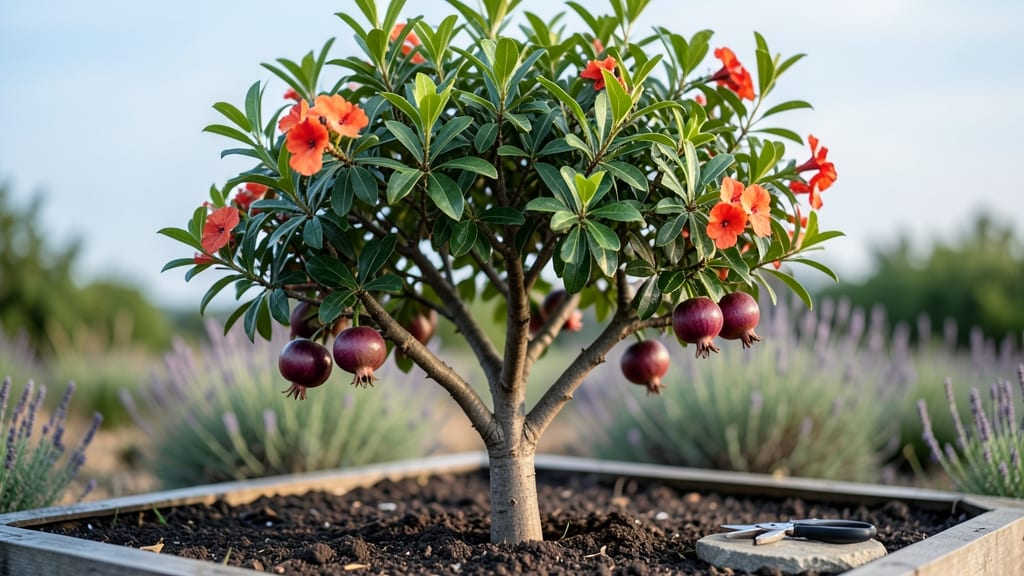
The cold-hardy Russian pomegranate tree thrives where most varieties would freeze—down to 15°F without extra protection. I planted mine in Portland last winter, and after surviving a 20°F dip, it’s now covered in bright red blooms that’ll turn into fruit by fall.
The secret lies in its Russian genetics, which handle frost better than Mediterranean pomegranates, but there’s still a trick to getting it to fruit reliably in our damp climate.
You’ll need well-draining soil (think sandy loam mixed with compost) and a sunny spot—at least 6 hours of direct light daily. Unlike finicky citrus, this tree tolerates USDA Zones 6-9, making it perfect for the Pacific Northwest. The key to winter survival?
A thick layer of mulch (4-6 inches) and a breathable frost cloth wrapped loosely around the trunk when temps drop below 25°F. Prune in late winter to open the center for airflow, which prevents fungal issues common in our wet springs.
By midsummer, you’ll see those signature crimson flowers, followed by glossy, deep-red fruit that splits open to reveal jewel-like arils. The first harvest might be small, but each year the tree matures, the crop doubles. My neighbors thought I was crazy planting a pomegranate here—until they saw the first fruit.
Now they’re begging for cuttings. The real magic happens when you crack open a homegrown pomegranate in December, still sweet from the summer sun.
For those worried about frost damage, focus on late-winter pruning and mulching early. If your tree skips fruiting, it might need more sun or a balanced fertilizer in early spring.
The Russian pomegranate isn’t just frost-proof—it’s the kind of tree that turns skeptics into believers with its resilience and reward.
📚 In This Guide
- What you need
- Instructions
- Tips and common mistakes
- Wrapping up and next steps
What you need
- ● Cold-hardy Russian pomegranate tree (bare-root or container-grown, Punica granatum 'Cold Hardy' variety)
- ● Well-draining soil mix (50% native soil + 50% compost or potting mix for containers)
- ● 5-gallon container or planting hole (at least 24" wide and deep for root spread)
- ● Organic mulch (3–4 inches of straw, wood chips, or pine needles)
- ● Balanced fertilizer (10-10-10 or organic option like fish emulsion, 1 tbsp per plant)
- ● Pruning shears (bypass pruners, sharp and sterilized)
- ● Frost cloth or row covers (30–40" wide, breathable fabric for young trees)
- ● Drip irrigation or hose (for consistent moisture)
- ● Stakes & twine (for young trees in windy PNW areas)
- ● Soil pH test kit (ideal range: 5.5–7.0; amend with lime or sulfur if needed)
- ● Slow-release fertilizer pellets (for convenience)
- ● Tree guard or wire mesh (to deter deer or rabbits)
- ● Heating mat or bulb (for container-grown trees in extreme cold snaps)
- ● Garden journal (to track growth, pruning notes, and frost dates)
How to successfully plant and winter-protect cold-hardy Russian pomegranates
Here's the method I've refined over years of growing these striking trees in chilly climates.
🌱 Step 1: Select the Right Location and Prepare the Soil
Choose a site with at least 6 hours of full sun daily—Russian pomegranates thrive where others struggle. The Pacific Northwest's mild winters actually suit them better than hot climates, but they still need protection from deep freezes below 10°F. Test your soil's drainage by digging a 12-inch hole—if water pools after 30 minutes, amend with 3 inches of coarse sand or gravel.
These trees prefer slightly acidic to neutral soil (pH 6.0-7.0). Mix 2 gallons of compost into the backfill soil to provide organic matter without overwhelming the roots. I always add a slow-release fertilizer (10-10-10) at planting time—just work it into the bottom 6 inches of soil. The key is avoiding waterlogged roots while ensuring good moisture retention during dry summer spells.
🪴 Step 2: Plant at the Correct Depth and Stake for Stability
Dig a planting hole twice as wide as the root ball but only as deep—never deeper than the container's bottom. Russian pomegranates resent having their roots buried too deeply. Gently remove the tree from its container and loosen any circling roots with your fingers. Place it in the hole so the top of the root ball sits 1-2 inches above ground level—this prevents crown rot during heavy rains.
Backfill with native soil mixed with your compost, tamping lightly every 3 inches to eliminate air pockets. Create a 4-inch wide watering basin around the base. Install a 4-foot wooden stake on the north side and secure the tree with two crisscrossed fabric ties—never use wire that can girdle the trunk. Water deeply immediately after planting to settle the soil and eliminate air gaps.
☀️ Step 3: Establish Summer Care for Strong Fall Growth
Water deeply once weekly during the first growing season, providing 1-2 gallons per tree each time. You'll know you've watered enough when moisture reaches 12 inches deep—use a soil probe to check. Russian pomegranates develop deep taproots, so consistent deep watering encourages strong root development. Mulch with 3 inches of wood chips in a 3-foot diameter circle, keeping mulch 6 inches away from the trunk to prevent rot.
Fertilize again in early June with another application of 10-10-10, this time broadcasting it 12 inches from the trunk and lightly raking into the soil surface. These trees respond well to regular feeding but hate nitrogen overloads that promote weak, frost-sensitive growth. Prune only to remove dead or crossing branches—never shape the tree in its first year. The natural vase shape provides excellent cold protection.
⏰ Step 4: Prepare for Winter Protection Before First Frost
When nighttime temperatures consistently drop below 32°F, it's time to begin winter prep. Wrap the trunk with tree wrap or burlap to prevent sunscald during winter thaws. Install a 6-foot tall wire cage around the tree and fill it with straw or leaves to create an insulating blanket. This protects the root zone from temperature swings that cause more damage than steady cold.
For areas expecting hard freezes below 10°F, construct a 4-foot tall wooden frame over the tree and cover it with frost cloth secured with bricks. Leave the top open to allow some airflow—Russian pomegranates need to harden off naturally. I've found that double-layering the frost cloth when temperatures drop below 15°F provides the extra protection needed for our coldest winters. Remove the coverings on warm days above 40°F to prevent moisture buildup and fungal issues.
Tips & tricks for perfect cold hardy Russian pomegranate care
Here's what I've learned after years of growing these hardy beauties in challenging climates—these tricks will help you avoid common pitfalls and get the most from your tree.
Soil Preparation Secret: When testing drainage in that 12-inch hole, I always add a handful of coarse sand to the bottom before backfilling. This creates a natural drainage layer that prevents waterlogging while still allowing roots to establish properly. The key is maintaining that balance between moisture retention and drainage—Russian pomegranates hate soggy roots but need consistent hydration for their deep taproots.
Planting Depth Insight: That 1-2 inch elevation above ground level is critical for preventing crown rot. I've seen many trees fail because they were planted too deeply—look for the original soil line on the root ball and match that elevation. After planting, I always create a slight berm around the base to direct water away from the trunk during heavy rains.
Winter Protection Strategy: For areas expecting hard freezes below 10°F, I recommend adding a layer of bubble wrap around the trunk before applying frost cloth. This extra insulation helps maintain trunk temperature stability during extreme temperature swings. Remember to remove all winter coverings on days above 40°F to prevent moisture buildup that can lead to fungal issues.
Summer Watering Technique: When checking that 12-inch moisture depth, I use a simple screwdriver instead of a soil probe. Drive it into the soil—if it goes in easily, you need more water. If it meets resistance, you've hit the moisture zone. This method gives you immediate visual feedback that's easier to interpret than a probe reading, especially for beginners.
Pro Tips for Cold Hardy Russian Pomegranate Tree
- Here's what I've learned after years of growing these hardy beauties in challenging climates—these tricks will help you avoid common pitfalls and get the most from your tree.
- Soil Preparation Secret: When testing drainage in that 12-inch hole, I always add a handful of coarse sand to the bottom before backfilling.
- Planting Depth Insight: That 1-2 inch elevation above ground level is critical for preventing crown rot.
Frequently asked questions
Got questions about growing a cold-hardy Russian pomegranate in the Pacific Northwest? You’re not alone!
Here are answers to the most common concerns—from frost survival to pruning hacks—so you can cultivate this hardy beauty with confidence.
How cold can a Russian pomegranate tree actually handle?
The Punica granatum 'Russian' variety thrives in USDA Zones 5-9, surviving temperatures as low as -15°F (-26°C) with proper winter prep. In the PNW, mulch heavily (4-6 inches of straw or wood chips) and wrap the trunk with burlap or insulation foam to shield roots and bark from freezing winds.
When should I plant my Russian pomegranate tree in the Pacific Northwest?
Plant in early spring (March–April) or fall (September–October) for best root establishment. Avoid late fall planting—young trees need time to harden off before winter. If buying bare-root, soak roots for 2–4 hours before planting to reduce transplant shock.
How do I prune a Russian pomegranate to protect it from PNW winters?
Prune in late winter (February) to remove dead, crossing, or weak branches. Avoid heavy pruning—these trees bloom on old wood. Focus on opening the center for airflow (critical for frost prevention) and shaping to redirect snow load. Pro tip: Use sterilized shears and seal cuts with pruning paste to prevent disease.
Will my Russian pomegranate produce fruit in the first year?
Unlikely! These trees typically take 3–5 years to bear fruit, even with ideal care. Patience pays off—once established, they’re prolific. Boost productivity by fertilizing with low-nitrogen, high-phosphorus mix in early spring and ensuring full sun (6+ hours daily).
What pests or diseases should I watch for in the PNW?
Russian pomegranates are relatively pest-resistant, but keep an eye out for:
- Aphids: Spray with soapy water if clusters appear.
- Scale insects: Scrape off or use horticultural oil.
- Fungal issues (e.g., powdery mildew): Improve airflow and avoid overhead watering.
PNW’s damp climate can encourage fungal growth, so prune for airflow and mulch properly to deter problems.
Can I grow a Russian pomegranate in a container?
Yes! Use a large pot (15+ gallons) with drainage holes and a well-draining mix (cactus/succulent soil). Move containers indoors or to a sheltered spot when temps drop below 20°F (-7°C). Just know: Container-grown trees may fruit 1–2 years later than in-ground plants.
Wrapping up and next steps
Growing a cold-hardy Russian pomegranate tree in the Pacific Northwest is totally doable—with the right prep, patience, and pruning know-how! 🌱 By following frost-proofing techniques like strategic pruning, mulching, and winter wraps, you’ll protect your tree and enjoy sweet, juicy pomegranates year after year. Your next step? Grab those shears, mark your calendar for late winter pruning, and watch your resilient tree thrive—even when Jack Frost knocks!