
Pruning
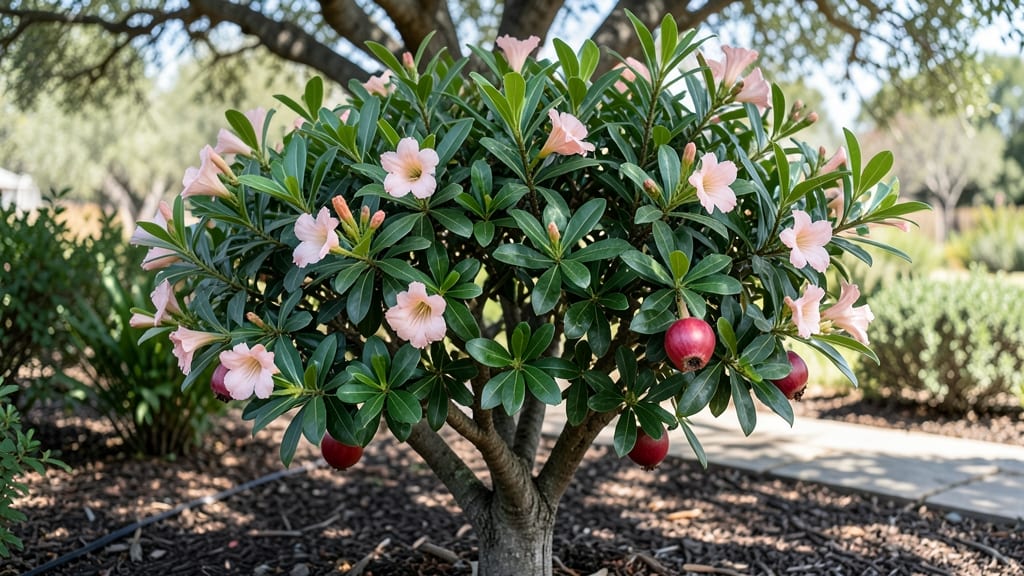
A miniature pomegranate tree fits on your patio like a tiny, fruit-bearing masterpiece—no orchard required. 🌱 I’ve grown these compact wonders for three years, and they’ve never failed to deliver jewel-toned blooms and sweet-tart fruit, even in a 15-gallon container.
The secret isn’t just their dwarf genetics; it’s knowing how to coax them into thriving where full-sized trees would flounder.
These little powerhouses demand full sun (6+ hours daily) and well-draining soil—think sandy loam mixed with compost. Water deeply once a week (more in summer), but never let them sit soggy.
Prune in late winter to shape the tree and encourage bushier growth, and fertilize lightly in spring with a balanced 10-10-10 mix. The payoff? A tree that stays under 4 feet tall while still producing fruit you can pop straight from the branch.
You’ll harvest fruit in 12–18 months from planting, with each tiny pomegranate packed with seeds you can dry for winter spice or juice for cocktails. The foliage is equally stunning—deep green leaves and fiery red-orange flowers that last all summer.
Even in winter, the skeletal branches hold ornamental charm, making this a year-round star for small spaces.
Container gardening? Absolutely. Just choose a pot with drainage holes and upgrade to 20 gallons as the tree matures. Cold snaps? Wrap the pot in burlap or move it indoors near a sunny window.
The only real challenge is patience—these trees take time to establish, but once they do, they reward you with decades of harvests in a fraction of the space.
📚 In This Guide
- What you need
- Instructions
- Tips and common mistakes
- Wrapping up and next steps
What you need
- ● Dwarf pomegranate tree: Choose a cold-hardy variety like 'Wonderful' or 'Eversweet' (5–6 ft mature height).
- ● Pot or container: 15–20 gallons (minimum 18" diameter) with drainage holes. Terra-cotta or fabric pots work best.
- ● Well-draining soil: Mix 1 part potting soil, 1 part perlite, and 1 part compost (or use a cactus/succulent blend).
- ● Pruning tools: Bypass pruners (for clean cuts)
- ● Loppers (for thicker branches)
- ● Sharp knife or saw (for stubborn growth)
- ● Fertilizer: Balanced 10-10-10 or citrus-specific fertilizer (apply every 4–6 weeks in spring/summer).
- ● Mulch: Organic mulch (e.g., straw or bark chips) to retain moisture and regulate temperature.
- ● Grafting supplies (if propagating from cuttings)
- ● Tree stakes or support (for young, top-heavy trees)
- ● pH testing kit (ideal soil pH: 6.0–7.0)
- ● Drip irrigation system or self-watering pot
- ● Fruit thinning shears (to manage overproduction)
Step-by-step guide to growing a miniature pomegranate tree
Here's how to cultivate a stunning dwarf pomegranate that thrives in containers and produces fruit.
🌱 Step 1: Select the Right Dwarf Variety and Container
Choose a grafted dwarf variety like 'Wonderful' or 'Eversweet'—these are bred to stay under 6 feet tall while still producing fruit. The key to dwarf success lies in proper root restriction, so select a 12-15 gallon container with drainage holes. I use unglazed terra cotta because it breathes and prevents root rot, which is a silent killer of container-grown fruit trees.
Fill the bottom 3 inches with crushed gravel or perlite for drainage. This layer prevents waterlogging while allowing excess moisture to escape. The pomegranate's roots are sensitive to soggy conditions, so this step is non-negotiable. Place the container in a spot where it can get full sun (6+ hours daily)—partial shade will limit fruit production.
☀️ Step 2: Plant and Establish the Tree with Proper Care
Remove the tree from its nursery pot and loosen the roots gently if they're circling. Plant at the same depth as it was in the nursery container—burying too deep can suffocate the trunk. Fill around the roots with a mix of 60% potting soil and 40% compost (never garden soil—it compacts and strangles roots). Water thoroughly until it drains from the bottom.
Here's the thing—pomegranates need consistent moisture but hate wet feet. Water when the top 2 inches of soil feel dry to the touch. In hot weather, you may need to water every 2-3 days, but always check before adding more. The first year is about establishing roots, so fertilize lightly with a balanced 10-10-10 formula every 4-6 weeks during spring and summer.
✂️ Step 3: Prune for Shape and Fruit Production
Prune in late winter or early spring before new growth begins. Remove any dead, diseased, or crossing branches first—these compete with the tree for energy. Then, shape the tree by cutting back overly long branches by one-third to encourage bushier growth. Pomegranates fruit on new wood, so pruning stimulates fruit-bearing branches.
Watch for suckers (vigorous shoots growing from the base)—remove these immediately. They drain energy from the tree and prevent fruit development. Thin out crowded branches inside the canopy to improve airflow, which reduces fungal diseases. You'll see new leaves emerge within 2-3 weeks after pruning—that's your signal everything is working.
💧 Step 4: Support Fruit Development and Harvest
When flowers appear in late spring, hand-pollinate them with a small brush to ensure fruit set. Pomegranates are self-pollinating but benefit from a little help, especially in containers where airflow is limited. Thin fruits when they're golf-ball sized, leaving only the healthiest 3-4 per branch—this ensures larger, sweeter pomegranates.
Harvest when the fruit turns deep red and feels heavy in your hand. This usually happens in late fall, about 6-8 months after planting. Cut the fruit from the tree with 2 inches of stem attached—this helps it ripen fully off the tree. Store in a cool, dry place until ready to use. With proper care, your dwarf pomegranate will produce fruit for decades.
Tips & tricks for perfect miniature pomegranate trees
Here's what nobody tells you about keeping your dwarf pomegranate thriving in tight spaces.
Container Upgrade: While the instructions recommend 12-15 gallon containers, I've found that upgrading to a 20-gallon container gives roots more room to establish without sacrificing dwarf stature. The extra space prevents root binding, which can stunt growth and reduce fruit production. Just make sure it still has drainage holes—this is non-negotiable for pomegranates.
Soil Science: The 60-40 mix of potting soil to compost is perfect, but here's the thing: add one part perlite to that mix for better aeration. This prevents compaction and mimics the well-draining conditions pomegranates love. I also sprinkle a handful of granulated sulfur into the mix to lower the pH slightly—pomegranates prefer acidic soil between 5.5-6.5. The sulfur helps prevent fungal issues that often plague container-grown fruit trees.
Pruning Precision: When cutting back those overly long branches by one-third in Step 3, always make your cuts just above a leaf node or bud. This ensures new growth emerges in the right place. I use sharp pruning shears dipped in rubbing alcohol between cuts to prevent spreading disease. The 2-3 week window for new leaves is your confirmation that the tree is responding well—if you don't see leaves within 4 weeks, you may have pruned too aggressively.
Fertilizer Strategy: The 10-10-10 formula is great, but here's my secret: switch to a low-nitrogen, high-phosphorus fertilizer (like 5-10-10) once flowers appear. The extra phosphorus supports fruit development. I also fertilize in the morning so any excess nutrients have time to be absorbed before the heat of the day. And remember—never fertilize when the soil is dry, or you'll burn the roots.
Pro Tips for Miniature Pomegranate Tree
- Here's what nobody tells you about keeping your dwarf pomegranate thriving in tight spaces.
- Container Upgrade: While the instructions recommend 12-15 gallon containers, I've found that upgrading to a 20-gallon container gives roots more room to establish without sacrificing dwarf stature.
- Soil Science: The 60-40 mix of potting soil to compost is perfect, but here's the thing: add one part perlite to that mix for better aeration.
Frequently asked questions
Got questions about growing your own miniature pomegranate tree? You’re not alone! Here are some of the most common concerns—and their solutions—to help you cultivate a thriving dwarf pomegranate in even the smallest of spaces.
How long does it take for a miniature pomegranate tree to bear fruit?
A dwarf pomegranate tree typically takes 2–3 years to produce its first fruit after planting, depending on climate and care. Patience pays off—once established, these trees can yield plenty of sweet, jewel-like pomegranates! For faster results, choose a grafted variety or a young tree already in bloom.
Can I grow a miniature pomegranate tree indoors?
Yes, but with careful conditions. Place it near a south-facing window (or under grow lights) for 6–8 hours of sunlight daily. Keep temperatures between 60–85°F and ensure good airflow to prevent mold. A 10–15 gallon pot with drainage holes is ideal. Watch for drooping leaves—a sign it needs more light or water!
How and when should I prune my dwarf pomegranate tree?
Prune in late winter or early spring (before new growth starts) to shape the tree and encourage fruit production. Remove dead, crossing, or overcrowded branches first, then thin out excess growth to improve airflow. Avoid heavy pruning—these trees bloom on new wood, so focus on light shaping rather than drastic cuts.
Why aren’t my pomegranates ripening?
Unripe pomegranates are often due to insufficient sunlight, water stress, or immature trees. Ensure your tree gets full sun (6+ hours/day) and water deeply 1–2 times per week (adjust for climate). If flowers appear but drop off, it may need more pollinators—gently shake branches or hand-pollinate with a soft brush. Patience is key—some varieties take 2–3 seasons to fully mature.
What’s the best alternative if I can’t grow a pomegranate?
If your climate is too cold or dry, consider these low-maintenance dwarf fruit trees:
- Dwarf Meyer lemon – Thrives in containers, citrusy rewards!
- Fig tree (e.g., ‘Little Miss Figgy’) – Fast-growing, heat-tolerant, and sweet.
- Dwarf apple (e.g., ‘Columnar’ varieties) – Compact and great for small yards.
- Blueberry bush (dwarf varieties) – Super easy, loves acidic soil.
Wrapping up and next steps
Growing a miniature pomegranate tree in small spaces isn’t just possible—it’s a rewarding adventure! 🌱 With the right dwarf variety, pruning techniques, and a little patience, you’ll enjoy vibrant blooms and sweet, jewel-like fruits right at home.
Whether you’re a beginner or a seasoned gardener, this guide gives you the tools to succeed.
Ready to turn your balcony, patio, or even a sunny windowsill into a pomegranate paradise? Start by choosing your dwarf variety and giving it the care it deserves. Happy planting—and may your harvest be plentiful! 🍇✨