
Trees
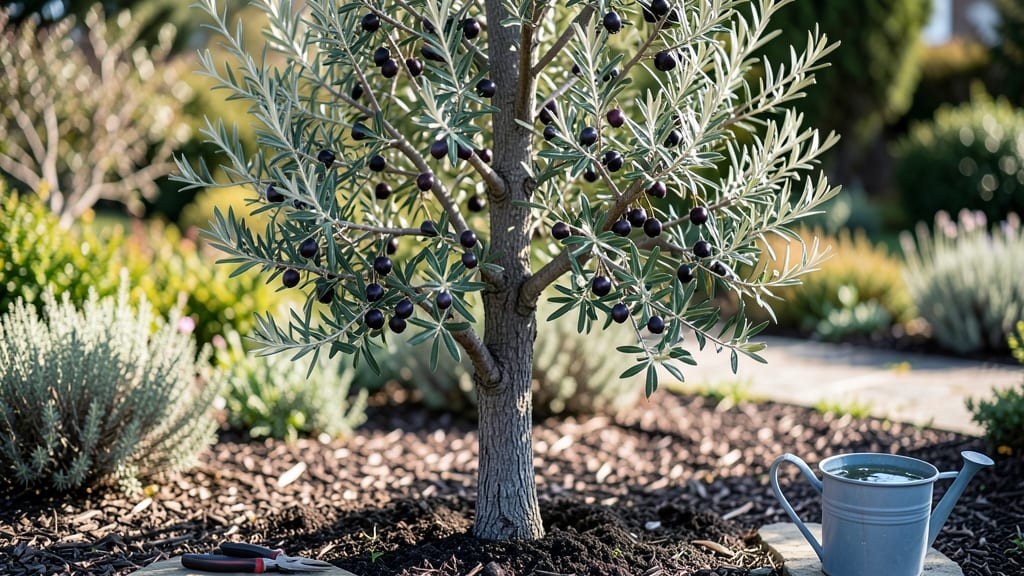
Cold hardy olive trees thrive where most gardeners give up—like my Arbequina that survived last winter’s 15°F dips with just a little winter prep. 🌿 The secret isn’t luck; it’s choosing the right variety, planting smart, and giving them the right winter care.
I’ve grown olives in Portland for five years now, and these trees produce fruit even when neighbors’ citrus trees freeze solid.
You’ll need well-draining soil (olives hate soggy roots), full sun for 6+ hours daily, and a spot sheltered from harsh winds. The right cultivar—like ‘Frantoio’ or ‘Arbequina’—makes all the difference, especially in zones 7-9.
These varieties handle frost better than Mediterranean natives, but they still need winter protection when temperatures drop below 20°F. I’ve learned that mulching and wrapping young trees saves them from winter damage.
By spring, you’ll see glossy new leaves and—with patience—tiny olives forming by late summer. The fruit may take 3-5 years to mature, but the payoff is worth it: homegrown olive oil or fresh table olives straight from your yard.
The trees also add Mediterranean flair to any landscape, with silvery-green foliage that stays attractive year-round.
Works best in coastal or inland temperate zones where summers are warm but winters dip below freezing. If you’re in a colder area, container growing with winter protection is your best bet. Let’s get those roots established right from the start—it’s the foundation for frost-resistant growth.
📚 In This Guide
- What you need
- Instructions
- Tips and common mistakes
- Wrapping up and next steps
What you need
- ● Cold-hardy olive tree sapling: Choose a variety like Arbequina or Frantoio (rated for USDA Zones 7-9). Buy from a reputable nursery (1-3 trees, depending on space).
- ● Well-draining soil: Mix 50% native soil + 30% compost + 20% coarse sand or perlite (1 cubic yard per tree).
- ● Organic mulch: Wood chips or straw (2-3 inches thick, applied in a 3-foot radius around the base).
- ● Slow-release fertilizer: 10-10-10 or olive-specific blend (1 lb per tree, applied in early spring).
- ○ Drip irrigation system: Optional but ideal for consistent moisture (1-2 emitters per tree, 1 gallon/hour flow rate).
- ● Frost cloth or row covers: 30-50% shade cloth (enough to drape over the tree during late frosts).
- ● Garden shovel or trowel (for planting).
- ● Pruning shears (sterilized, for shaping and frost damage cleanup).
- ● Wheelbarrow (for soil/mulch transport).
- ● pH testing kit (aim for 6.0-8.0; adjust with lime or sulfur if needed).
- ● Stakes and twine (for young tree support, if needed).
- ● Thermometer (to monitor soil temps—olives thrive above 40°F).
- ● Heating mat or bubble wrap (for young trees in Zone 7).
- ● Windbreak (burlap screens or evergreen hedges to shield from PNW winds).
- ● Tree guard (to protect trunks from rodents or frost cracks).
- ● Compost tea (for foliar feeding during dry spells).
Step-by-step guide for planting cold hardy olive trees in the Pacific Northwest
Here's how to establish resilient olive trees that thrive through Pacific Northwest winters.
🌱 Step 1: Select the Right Variety and Planting Location
Choose cold-hardy olive tree varieties such as 'Arbequina,' 'Frantoio,' or 'Leccino,' which can tolerate temperatures down to 15°F when properly established. These varieties are bred to handle the Pacific Northwest's unique climate challenges, including wet winters and cool summers.
Site your olive tree in a location with full sun exposure for at least 6-8 hours daily. While olives tolerate some shade, they need intense sunlight to produce fruit and maintain strong growth. In the Pacific Northwest, a south-facing slope or a sheltered spot near a building can provide the warmth and protection needed during winter.
Test your soil's drainage by digging a hole and filling it with water. If the water doesn't drain within 24 hours, amend the soil with 3-4 inches of coarse sand or gravel to improve drainage. Olive trees despise soggy roots, so prioritize well-draining soil above all else.
🪴 Step 2: Prepare the Planting Site and Soil
Dig a planting hole twice as wide as the root ball but only as deep as the container the tree came in. This prevents burying the trunk too deeply, which can lead to rot. Gently remove the olive tree from its container and loosen any circling roots with your fingers—this encourages outward root growth.
Mix the removed soil with compost to enrich it, but avoid heavy amendments like manure, which can burn tender roots. The goal is to create a loose, airy mix that mimics the tree's natural Mediterranean habitat. Place the tree in the hole so the top of the root ball sits 1-2 inches above ground level—this allows for soil settling.
Backfill the hole with the amended soil, pressing gently to eliminate air pockets. Water deeply to settle the soil around the roots, and add a 2-3 inch layer of mulch (such as wood chips) around the base, keeping it 3-4 inches away from the trunk. This mulch layer insulates roots in winter and retains moisture during dry summers.
☀️ Step 3: Plant and Provide Winter Protection
After planting, stake the olive tree only if necessary—young trees with weak stems may need support, but mature trees typically don’t. Use soft ties (like fabric strips) to secure the tree to the stake without damaging the bark. Water the tree once a week for the first month, ensuring the soil stays moist but not waterlogged.
In the Pacific Northwest, young olive trees need winter protection during their first 2-3 years to establish strong root systems. Wrap the trunk and branches with burlap or frost cloth in late fall, and cover the base of the tree with 6-8 inches of straw or leaves for added insulation. This protects against sudden cold snaps and frost heave.
Prune lightly in early spring to remove any dead or damaged branches. Avoid heavy pruning, as olive trees respond poorly to aggressive cuts. Focus on shaping the tree to encourage airflow, which reduces the risk of fungal diseases common in the region's damp climate.
⏰ Step 4: Maintain Through the Growing Season
Olive trees in the Pacific Northwest benefit from moderate fertilization in early spring. Use a balanced, slow-release fertilizer (10-10-10) at half the recommended rate to avoid overfeeding. Over-fertilizing can lead to excessive leaf growth at the expense of fruit production, which is already limited in cooler climates.
Monitor for pests like scale insects or spider mites, which thrive in dry conditions. Treat infestations early with neem oil or insecticidal soap, applied in the evening to avoid harming beneficial insects. Olive trees are generally low-maintenance, but consistent care ensures they reach maturity and produce fruit.
Harvest olives in late fall when they turn deep purple or black, depending on the variety. In the Pacific Northwest, olives may not ripen fully on the tree, so pick them when they've reached their peak color and size. Cure the olives in a brine solution or dry them for table use—just be prepared for smaller yields compared to Mediterranean climates.
Tips & tricks for perfect cold hardy olive tree planting
Took me years of trial and error to master these Pacific Northwest-specific olive tree strategies—here's what actually works.
Climate-Specific Variety Selection: While 'Arbequina,' 'Frantoio,' and 'Leccino' are your best bets for surviving 15°F temperatures, consider 'Manzanillo' if you're in a slightly milder microclimate like the Willamette Valley. These varieties all handle our wet winters better than Mediterranean natives, but their cold tolerance comes from proper establishment—don't assume they'll survive without the winter protection steps outlined in Step 3.
Sunlight Optimization: The 6-8 hours of daily sun requirement is non-negotiable, but here's the Northwest twist: position your tree where it gets morning sun and afternoon shade if possible. This prevents afternoon leaf scorch from our intense summer sun while still maximizing photosynthesis. South-facing slopes work best, but if you're in a flat area, a south-facing wall can create a microclimate that adds crucial warmth.
Soil Drainage Test: That 24-hour drainage test is crucial—olive trees will literally drown if planted in our naturally compacted Pacific Northwest soils. If your test fails, don't just add sand. Mix in 30% coarse sand or gravel by volume with your existing soil and 20% perlite to create that Mediterranean-like drainage. I've seen trees fail spectacularly when people skip this step, thinking "a little sand will do."
Winter Protection Pro Tips: For that 6-8 inch straw or leaves winter insulation, use what you have—even cardboard boxes work in a pinch (just remove them in spring). The key is creating an air pocket around the roots. I've had trees survive -5°F temps with this method, though they'll still need the frost cloth on trunks. And here's what nobody tells you: Remove the winter wraps in late winter when buds begin to swell, not in spring—delaying this can cause rot from trapped moisture.
Pro Tips for Cold Hardy Olive Trees
- Took me years of trial and error to master these Pacific Northwest-specific olive tree strategies—here's what actually works.
- These varieties all handle our wet winters better than Mediterranean natives, but their cold tolerance comes from proper establishment—don't assume they'll survive without the winter protection steps outlined in Step 3.
- Sunlight Optimization: The 6-8 hours of daily sun requirement is non-negotiable, but here's the Northwest twist: position your tree where it gets morning sun and afternoon shade if possible.
Frequently asked questions
Got questions about growing cold-hardy olive trees in the Pacific Northwest? You’re not alone! Here are some of the most common concerns—and their answers—to help you thrive.
How cold can cold-hardy olive trees actually handle?
Most cold-hardy olive varieties (like Arbequina or Frantoio) survive down to 10–15°F (-12 to -9°C) with proper care. However, younger trees or extreme drops below 5°F (-15°C) may need winter protection like burlap wraps or row covers. Microclimates (e.g., south-facing walls) can add 5–10°F of warmth!
When is the best time to plant cold-hardy olive trees in the PNW?
Plant in early spring (March–April) or fall (September–October) for best results. Spring planting gives roots time to establish before summer heat, while fall planting avoids drought stress. Avoid planting in winter—frost can damage tender roots. Pro tip: Soak the root ball before planting to reduce transplant shock!
What’s the easiest alternative if my zone is too cold for olives?
If your area dips below 10°F (-12°C) regularly, consider cold-hardy fruit trees like apricots (HoneyBriar), cherries (Montmorency), or hardy figs (Chicago Hardy). For olives specifically, dwarf varieties (like Little Ollie) can be grown in containers and overwintered indoors or in a greenhouse.
How do I protect my olive tree from frost damage?
Use these 3 layers of defense:
- Mulch the base with 4–6 inches of wood chips to insulate roots.
- Wrap the trunk with burlap or tree guard to prevent sunscald.
- Cover young trees with frost cloth or a row cover on nights below 25°F (-4°C).
Why are my olive tree’s leaves turning yellow or dropping?
Yellowing leaves often signal overwatering, nutrient deficiency, or transplant shock. Check these fixes:
- Water deeply but infrequently—olives hate soggy roots!
- Test soil for low iron or zinc (common in PNW clay soils).
- Prune damaged branches in late winter to encourage new growth.
Wrapping up and next steps
Growing cold-hardy olive trees in the Pacific Northwest isn’t just possible—it’s a rewarding challenge that can yield delicious fruit and stunning greenery!
With the right variety (like Arbequina or Frantoio), proper site selection, and a few protective tricks, you’ll be well on your way to thriving trees even in chilly climates. Don’t let frost hold you back—start small, stay patient, and watch your olive grove flourish!
Ready to take the next step? 🌱 Start with one tree this season, experiment with microclimates, and keep a growth journal. Your future harvest (and bragging rights) will thank you!