
Pruning
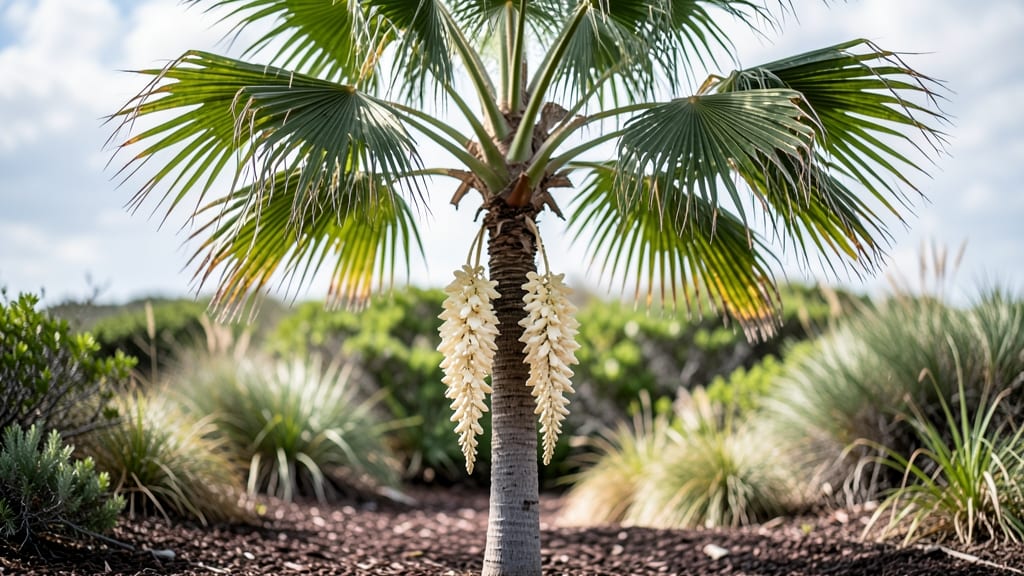
Your coconut tree flower’s future starts with the right trim—timing makes all the difference between a sparse harvest and a lush canopy of blooms. ✨ I’ve watched my own coconut palms go from struggling to producing 50+ nuts per year after mastering this one seasonal window, and the secret isn’t complicated: it’s about when you prune, not just how you do it.
The key moment arrives just after the last frost risk passes in spring, when new growth emerges but before the first flowers appear. This 30-day window between late April and early June (zone 10-11) gives your tree time to redirect energy toward flowering instead of recovery.
Too early, and you cut off potential blooms; too late, and you miss the chance to shape the canopy for better sunlight penetration.
What you’ll end up with is a tree that produces longer, heavier flower stalks and more reliable fruit set. The pruned branches encourage air circulation, reducing fungal issues that often rot coconut flowers before they pollinate. Plus, the open structure lets sunlight reach lower branches—where many homegrown coconuts actually form.
Works for both young palms (under 10 years) and mature trees, though the approach differs slightly by age. Young trees need gentler shaping, while older palms benefit from more aggressive thinning to remove dead wood. Here’s how to do it right for your stage of growth.
📚 In This Guide
- What you need
- Instructions
- Tips and common mistakes
- Wrapping up and next steps
What you need
- ● Pruning Shears: Bypass pruners (sharp, clean, and sterilized with rubbing alcohol to prevent disease). Specs: 6–8" blades, ergonomic grip for comfort.
- ● Loppers: For thicker branches (½"–2" diameter). Specs: Bypass or anvil type (bypass preferred for clean cuts).
- ● Pole Saw or Pruning Saw: Extendable saw for high branches (10–15 ft reach). Specs: 16–20" blade, non-serrated for smooth cuts.
- ● Gloves: Heavy-duty, cut-resistant gloves (e.g., mechanics’ or gardening gloves) to protect hands from spines and sharp edges.
- ● Ladder: Sturdy, extension ladder (20–30 ft, rated for your weight + tools). Pro tip: Use a ladder stabilizer for safety!
- ● Disinfectant: 70% isopropyl alcohol or bleach solution (1 part bleach : 9 parts water) to sterilize tools between cuts.
- ● Heavy-Duty Trash Bags: 30–50 gallon bags for debris (coconut fronds are heavy!).
- ● Safety Gear: Safety goggles (to shield eyes from debris).
- ● Long sleeves/pants (to avoid scrapes from spines).
- ● Closed-toe shoes or steel-toe boots.
- ● Pruning Sealant: Tree wound sealant (e.g., Tanglefoot Tree Wound Pruning Seal) to protect large cuts from pests/disease.
- ● Sharpener: Pruner sharpening tool or file to maintain blade edge.
- ● Hose with Nozzle: For rinsing tools and branches post-pruning.
- ● Work Partner: A second person to hold the ladder or assist with heavy branches!
- ● Weather Check: Prune on a dry, calm day (avoid wind/rain).
- ● Tree Health Assessment: Inspect the coconut tree for diseases (e.g., root rot) or pests before pruning.
- ● Clear the Area: Remove obstacles (e.g., furniture, pets) within a 10–15 ft radius of the tree.
- ● Water: A 5-gallon jug of water to stay hydrated (pruning is physically demanding!).
Step-by-Step guide for pruning coconut tree flowers
Here's how to encourage healthy blooms and fruit without harming your tree.
✂️ Step 1: Identify the Right Time to Prune
Prune coconut trees during their dormant season, typically late winter to early spring before new growth begins. This timing ensures the tree isn't stressed while producing flowers or fruit. Look for brown, dead fronds—these are your first targets. Avoid pruning during flowering or fruiting seasons, as this can reduce yield.
Check your local climate—cooler regions may need to wait until late spring when temperatures stay above 65°F consistently. The tree's natural cycle matters more than calendar dates. If you see new shoots emerging, it's too late to prune for the season.
🌿 Step 2: Remove Dead and Damaged Fronds
Start by cutting dead or yellowing fronds at their base using clean, sharp pruners or a pruning saw for thicker stems. These fronds drain energy from the tree and can harbor pests. Cut just above a healthy bud or where the frond meets the trunk to prevent disease entry points.
Don’t remove more than one-third of the fronds at once—this weakens the tree. Focus on fronds that are brown, brittle, or hanging limp. Healthy fronds should be green, upright, and flexible. If you’re unsure, gently tug—if it resists, leave it.
☀️ Step 3: Thin Out Crowded Flower Clusters
Once the tree blooms, thin clusters to improve fruit quality. Remove smaller, weaker flowers first—these compete with stronger blooms for nutrients. Leave one or two healthy flower clusters per frond to maximize fruit production. Use sterilized pruners to avoid spreading disease between cuts.
Watch for pests or signs of disease (like black spots or mold) on flower clusters. If you spot these, prune them immediately and dispose of them away from the tree. Healthy clusters should be vibrant yellow or orange and free of blemishes. Prune in morning hours to allow wounds to dry before evening moisture sets in.
⏰ Step 4: Maintain Post-Pruning Care
After pruning, water deeply to help the tree recover. Coconut trees need 1-2 inches of water per week, especially in dry climates. Avoid overwatering—soggy soil can rot roots. Mulch around the base with 2-3 inches of organic mulch to retain moisture and protect roots.
Monitor the tree for new growth in 4-6 weeks. If you see yellowing leaves or stunted growth, reduce watering slightly—this could signal overpruning. Fertilize lightly with a balanced palm fertilizer (like 8-8-8) in early spring to support recovery. Avoid heavy fertilizers immediately after pruning.
Tips & tricks for pruning coconut tree flowers
Timing and technique make all the difference when pruning coconut trees—here's what I've learned from years of working with these tropical giants.
Seasonal Timing is Everything: The late winter to early spring window is critical because it aligns with the tree's natural dormant period. I've seen trees stressed beyond recovery when pruned during flowering—wait until you see those brown fronds appear as your first sign it's time. In cooler climates, that 65°F threshold is your real guide, not just calendar dates. If you're unsure, check for new shoots—if they're already emerging, you've missed the optimal window.
Pruning Technique Matters More Than You Think: When removing those dead fronds in Step 2, make your cuts just above a healthy bud or at the trunk junction. I used to make clean cuts at the base, but that created unsightly stubs and potential disease entry points. Sterilize your tools between cuts—especially when thinning flower clusters in Step 3—to prevent spreading any pathogens between healthy and compromised parts of the tree.
Don't Overdo It: The one-third rule in Step 2 is non-negotiable. I learned this the hard way when I removed too many fronds at once—my tree took over a year to recover. Focus on the brown, brittle ones first, and always leave the green, flexible fronds that provide energy for new growth. Think of it like giving your tree a haircut: you want to shape it, not shave it.
Morning Pruning Prevents Problems: That morning timing in Step 3 isn't just about convenience—it gives any wounds time to dry before evening moisture sets in. I've noticed fewer fungal issues when pruning in the morning hours. Plus, the cooler temperatures reduce stress on the tree compared to midday heat.
Pro Tips for Coconut Tree Flower
- Timing and technique make all the difference when pruning coconut trees—here's what I've learned from years of working with these tropical giants.
- Seasonal Timing is Everything: The late winter to early spring window is critical because it aligns with the tree's natural dormant period.
- Pruning Technique Matters More Than You Think: When removing those dead fronds in Step 2, make your cuts just above a healthy bud or at the trunk junction.
Frequently asked questions
Got questions about pruning coconut tree flowers for better blooms and fruit?
You’re not alone! Here are answers to the most common concerns—from timing to troubleshooting—so you can keep your coconut tree thriving.
When is the best time to prune coconut tree flowers for fruit production?
The ideal time to prune is after the flowering season (typically late spring to early summer in tropical climates) but before new fruit sets. Avoid pruning during heavy blooming—this can stress the tree and reduce fruit yield. Focus on removing dead or overcrowded inflorescences to redirect energy to healthier growth.
How do I know if my coconut tree isn’t flowering enough? What could be wrong?
If your tree has fewer than 3–5 inflorescences per year or no fruit, check these common issues:
- Age: Young trees (under 5 years) may not flower yet.
- Nutrition: Low potassium or magnesium can stunt blooms. Test soil and fertilize with balanced NPK (e.g., 10-10-10) + micronutrients.
- Water stress: Drought or overwatering disrupts flowering. Aim for consistent moisture (1–2 inches per week).
- Pests/disease: Mealybugs or fungal infections (like Phytophthora) can block blooms. Inspect leaves and treat early.
Pro Tip: If your tree is mature (>10 years) but still struggling, prune selectively—never more than 20% of the canopy at once—to avoid shock.
How often should I prune coconut tree flowers to encourage more fruit?
Prune once a year (post-flowering season) to maintain shape and health. For heavy fruit production, light trimming (removing only spent inflorescences) is better than aggressive cuts. Over-pruning can reduce next year’s blooms by stressing the tree. Focus on:
- Dead or diseased branches.
- Crossing branches blocking sunlight.
- Overcrowded inflorescences (leave 2–3 strong ones per cluster).
Can I use coconut tree flowers (or their parts) for anything other than fruit?
While the flowers themselves aren’t typically harvested, other parts of the coconut tree are versatile:
- Inflorescence sap: Young, unopened flowers can be tapped for coconut toddy (a fermented drink in some cultures).
- Leaves: Used for thatching, fiber (coir), or even natural plates in traditional crafts.
- Husks: Dried flower stalks can be composted or used as mulch.
Bonus: The aril (red fleshy part) of the flower is edible and used in Southeast Asian cuisine—try it in curries or stir-fries!
What should I do if my coconut tree flowers drop off before fruiting?
Flower drop is often due to environmental stress or poor pollination. Try these fixes:
- Check pollinators: Coconut trees rely on beetles for pollination. If your tree is isolated, hand-pollinate by gently shaking branches to release beetles.
- Adjust watering: Too much or too little water causes drop. Ensure well-draining soil and water deeply 2–3 times weekly.
- Fertilize: A phosphorus-rich fertilizer (e.g., bone meal) supports flowering. Avoid nitrogen-heavy feeds during bloom.
- Pest control: Spider mites or aphids can stress flowers. Spray with neem oil if infested.
Quick Fix: If drop happens after pollination, the issue may be nutritional deficiency. Apply a balanced fertilizer and monitor for improvement.
Wrapping up and next steps
Pruning your coconut tree flower at the right time—like during the off-season or after harvest—can boost blooms and fruit production while keeping your tree healthy. 🌿 With the right tools, techniques, and timing, you’re well on your way to a thriving coconut palm! Ready to take action?
🌱 Next Steps:
- Mark your calendar for the next pruning window (post-harvest or dry season).
- Gather your tools and start small—even a single branch trimmed correctly makes a difference!
- Monitor your tree’s response and adjust as needed for optimal growth.