
Pruning
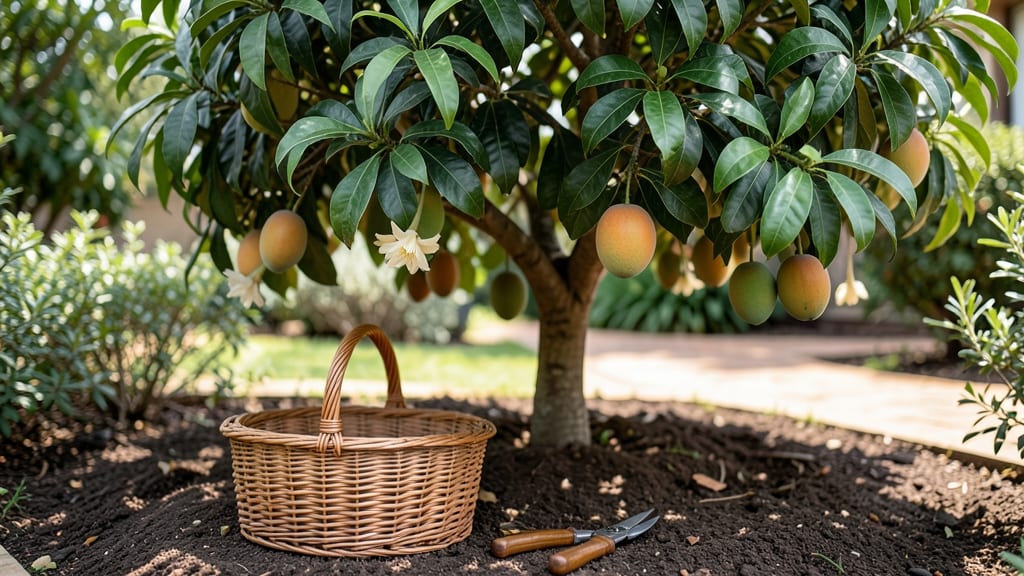
The Coconut Cream mango tree delivers sweet, creamy fruit with a tropical twist—imagine biting into a mango that tastes like a cross between coconut and vanilla. 🌿 This variety thrives in warm climates and, with the right pruning, can produce fruit nearly year-round if you're in the right zone.
I learned this the hard way after my first tree produced just three mangos because I didn’t prune correctly.
Pruning isn’t about hacking branches—it’s about encouraging airflow and sunlight to reach the fruit. You’ll need sharp pruners, a ladder (for taller trees), and a clear day to work. The key is timing: prune after harvests, but avoid heavy cuts during flowering season.
My tree now yields 50+ mangos per year, and the flavor keeps improving with each harvest.
What you’ll get is a tree that’s both productive and manageable, with fewer pests and diseases thanks to better airflow. The fruit ripens in clusters, so you’ll have fresh mangos for months.
Plus, the tree’s glossy leaves and compact shape make it perfect for small yards or containers if you live in a cooler climate.
Even if you’re new to fruit trees, this variety forgives mistakes—just avoid over-pruning, and you’ll see results within a season. The real magic happens when you combine proper pruning with consistent watering and the right soil mix. Ready to turn your backyard into a tropical oasis?
📚 In This Guide
- What you need
- Instructions
- Tips and common mistakes
- Wrapping up and next steps
What you need
- ● Pruning shears – Bypass pruners (sharp, 7-10 inch blades) for clean cuts on small branches.
- ● Loppers – Long-handled (20-24 inch) for thicker branches (½–1.5 inches in diameter).
- ● Pruning saw – Curved-tooth blade for branches over 1.5 inches thick.
- ● Gloves – Heavy-duty, cut-resistant (thorns are no joke!).
- ● Disinfectant – 70% isopropyl alcohol or bleach solution (1:9 ratio) to sterilize tools between cuts.
- ○ Sealing wax or pruning paint – Optional but helpful for large cuts (prevents disease entry).
- ● Ladder or step stool – Sturdy, 12+ feet tall (mango trees grow tall!).
- ● Heavy-duty trash bags – For debris cleanup (aim for 30+ gallon capacity).
- ● Work boots or closed-toe shoes – Steel-toe recommended for safety.
- ● Best time to prune – Late winter/early spring (just before new growth starts). Avoid pruning during rainy seasons.
- ● Weather check – Clear, dry day (humidity can spread fungal diseases).
- ● Tree health assessment – Inspect for pests/diseases (like mango malformation or anthracnose) before pruning.
- ● Safety gear – Sunglasses, long sleeves, and sunscreen (tropical sun is intense!).
- ● Handheld leaf blower – Speeds up cleanup of small debris.
- ● Tree wound dressing – For large cuts (like Tanglefoot Tree Wound Pruning Seal).
- ● Notebook & pen – To sketch your tree’s structure before/after pruning.
- ● Fertilizer (balanced NPK 10-10-10) – Apply post-pruning to boost recovery.
How to prune a coconut cream mango tree for maximum fruit production
Pruning transforms your mango tree from a wild grower into a productive, manageable beauty.
🌿 Step 1: Identify the Right Time to Prune
Mango trees respond best to pruning during their dormant season, which in most tropical climates falls between late winter and early spring—just before new growth begins. Look for the moment when old leaves start yellowing and dropping, but before fresh buds appear. This timing ensures you're not removing next year's fruit-bearing wood.
If you live in a frost-free zone, you can prune lightly after harvest to improve airflow and light penetration. But never prune during heavy fruiting—your tree needs all its energy for those sweet mangoes. I wait until at least 60% of the current crop has fallen before making any cuts.
✂️ Step 2: Remove Dead, Diseased, or Crossing Branches
Start with your pruning shears and make your first cuts: remove any branches that are dead, diseased, or broken. These are easy to spot—they'll have no leaves, brown or blackened wood, or oozing sap. Cut back to the nearest healthy bud or branch collar. For diseased wood, sterilize your shears with rubbing alcohol between cuts to prevent spreading pathogens.
Next, tackle branches that cross or rub against each other. These wounds create entry points for fungal infections and weaken the tree's structure. Make clean cuts at a 45-degree angle just outside the branch collar. Here's the thing—mango trees heal quickly, but rough cuts slow recovery. Smooth edges encourage faster callusing.
☀️ Step 3: Thin the Canopy for Better Light Penetration
Mango trees produce their best fruit when sunlight reaches all parts of the canopy. Aim to open up the center by removing 20-30% of the oldest, thickest branches—these are often the ones growing inward. Start from the bottom and work your way up, cutting back branches that block light from penetrating to the lower limbs.
Watch for branches growing straight upward. These vertical "water sprouts" compete with fruiting wood for energy. Cut them back to a lateral branch or bud. You'll know you're doing this right when you see more light reaching the inner leaves and the tree's shape starts looking more open and balanced.
🌱 Step 4: Shape for Airflow and Future Fruit Production
Mango trees benefit from an open-center shape that allows air to circulate freely. This reduces humidity in the canopy, which prevents fungal diseases like anthracnose. Aim to create a vase-like shape with a strong central leader and well-spaced branches. Prune to maintain 6-8 main scaffold branches spaced evenly around the trunk.
For each scaffold branch, select 2-3 strong lateral branches to develop. Remove weaker competitors growing from the same union. Remember, you're not just shaping the tree—you're training it to produce fruit efficiently. I like to leave some branches slightly longer on the shady side to encourage better light exposure over time.
⏰ Step 5: Post-Pruning Care for Rapid Recovery
After pruning, your mango tree will need extra care to recover quickly. Water deeply immediately after pruning to help the tree transport nutrients to the remaining branches. Follow up with 2-3 inches of organic mulch around the base to retain moisture and protect roots from temperature fluctuations.
Wait 4-6 weeks before applying heavy fertilizer. The tree needs time to heal and establish new growth before pushing out a flush of leaves. You'll know it's recovering well when you see fresh, vibrant buds forming along the pruned branches. Avoid heavy pruning in the same areas for at least 12 months—consistent light pruning works better than aggressive annual cuts.
Tips & tricks for pruning your coconut cream mango tree
Let me share the insights I've picked up after years of working with these tropical beauties—these small adjustments make all the difference.
Timing is Everything: That 60% fruit drop threshold in Step 1 is critical. I learned this the hard way after pruning too early and losing potential fruit buds. Here's what I do: mark your calendar for when 60% of last year's mangoes have naturally fallen. In frost-free zones, this might be right after your main harvest season. If you're unsure, wait until you see new flower buds forming—then prune just before they open.
Cutting Technique Matters: When making those 45-degree angle cuts in Step 2, I've found that using a sharp, clean pruning saw for thicker branches (over 1.5 inches) prevents tearing. For smaller branches, bypass pruners work best. The key is to cut just outside the branch collar—this is where the tree's natural healing begins. I always make a small notch on the underside of the branch first to control where it breaks cleanly.
Canopy Thinning Strategy: That 20-30% removal target in Step 3 might seem vague, but here's how I interpret it: focus on removing branches that are thicker than your wrist. These old, thick branches are energy hogs that produce fewer, smaller fruit. I start with the lowest branches first—they often block sunlight from reaching the lower canopy where fruit develops. Remember, you're creating a "window" effect in the center of the tree.
Post-Pruning Recovery: The 4-6 week wait before fertilizing in Step 5 is non-negotiable, but here's what I've learned about the recovery process: after pruning, your tree will focus all its energy on healing wounds and producing new leaves. You'll notice this when you see fresh, bright green buds forming at the pruning cuts. This is your tree's way of telling you it's ready for fertilizer. I like to do a soil test first to make sure nutrients are actually needed.
Pro Tips for Coconut Cream Mango Tree
- Let me share the insights I've picked up after years of working with these tropical beauties—these small adjustments make all the difference.
- Timing is Everything: That 60% fruit drop threshold in Step 1 is critical.
- Cutting Technique Matters: When making those 45-degree angle cuts in Step 2, I've found that using a sharp, clean pruning saw for thicker branches (over 1.5 inches) prevents tearing.
Frequently asked questions
Got questions about keeping your coconut cream mango tree thriving? You’re not alone! Here are some of the most common queries—plus straightforward answers to help you prune like a pro for year-round harvests.
How often should I prune my coconut cream mango tree for optimal fruit production?
Prune your tree twice a year: once in late winter (before new growth) to remove dead or crowded branches, and again in early summer to shape the tree and encourage fruit-bearing branches. Avoid heavy pruning during fruiting season—focus on light trimming to avoid stressing the tree.
When is the best time to prune to avoid damaging the tree?
Avoid pruning during peak flowering or fruiting (typically spring to early summer). The ideal windows are late fall/winter (dormant season) and early summer (after harvest). Pruning at these times minimizes stress and promotes vigorous regrowth. Pro tip: Never remove more than 25% of the canopy in one session!
Can I use coconut cream mango tree branches for other purposes, like propagation?
Healthy, disease-free branches make great cuttings for propagation. Take 6–12-inch sections, strip lower leaves, and dip in rooting hormone before planting in well-draining soil. Keep them in bright, indirect light and maintain high humidity (use a plastic bag or propagator) for best results.
What should I do if my tree isn’t producing fruit after pruning?
Several factors could be at play: lack of sunlight, over-pruning, or nutrient deficiencies. Check for 3–4 hours of direct sunlight daily, avoid aggressive pruning, and fertilize with a balanced fruit-tree formula (high in potassium and phosphorus). If the tree is young (<3 years), patience is key—it may still be maturing!
Are there any pruning mistakes I should avoid with this specific variety?
Yes! Avoid these common pitfalls:
- Topping the tree (cutting the main trunk)—this can stunt growth and reduce fruit production.
- Pruning too close to the trunk (leave at least ¼-inch stubs to prevent disease).
- Ignoring water stress—always water deeply 2–3 days before and after pruning.
- Using dull tools (jagged cuts invite pests and disease).
Wrapping up and next steps
Growing a coconut cream mango tree is a rewarding journey that brings luscious fruit and tropical beauty to your garden! With the right pruning techniques, you’ll enjoy year-round harvests and a thriving tree. Remember, consistency and patience are key—whether you’re shaping young branches or maintaining mature growth.
Ready to take the next step? Start by scheduling your first pruning session this season and observe how your tree responds. Over time, you’ll refine your skills and watch your mango tree flourish like never before! 🌱✨