
Pruning
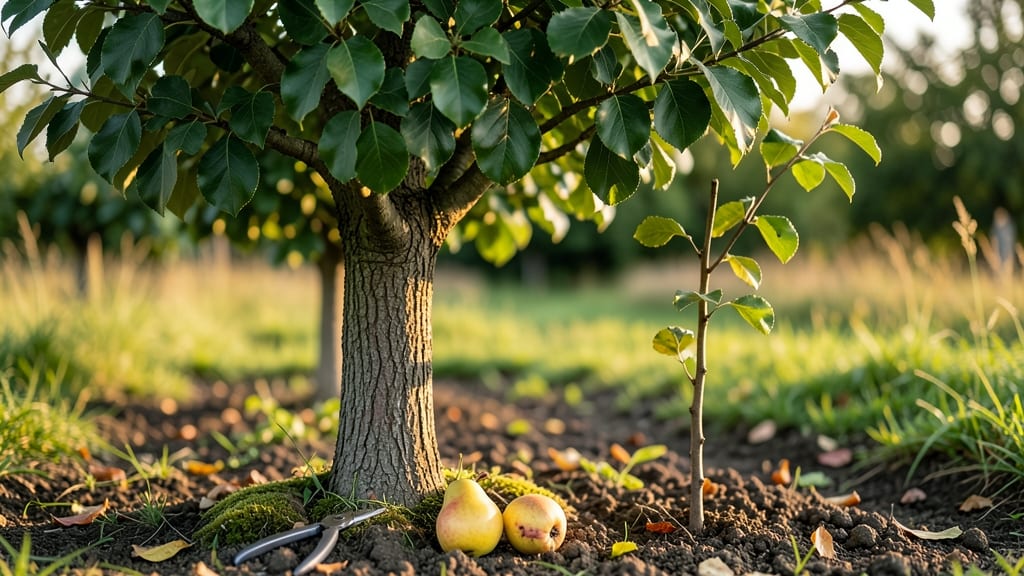
The life span of a pear tree—50 to 100 years, or even longer—can be yours with the right care. 🌳 That’s right: with strategic pruning, proper disease management, and a little seasonal TLC, your tree could still be bearing fruit when your grandchildren are picking them.
The key isn’t just letting it grow wild; it’s guiding its shape, health, and energy toward longevity from day one.
Here’s the thing—most pear trees hit their prime between 15 and 30 years, producing bumper crops if pruned correctly. But without attention, they decline faster. I’ve seen trees in my neighborhood drop fruit production by half in just five years because of neglected branches or untreated blight.
The good news? You can turn that around with a few simple habits, like opening the canopy for airflow or removing diseased wood before it spreads.
By the time you’re done reading, you’ll know exactly how to spot early signs of aging (like excessive suckers or brittle limbs) and how to prune for decades of harvests.
Your tree won’t just live longer—it’ll thrive longer, with fewer pests, better fruit quality, and that classic pear tree charm year after year. Let’s get started with the basics that make all the difference.
Whether you’re working with a young sapling or a mature tree, the principles stay the same: prune at the right time, watch for disease, and give it space to breathe. That’s how you turn a 50-year life span into a century of fruit. Ready to make it happen?
📚 In This Guide
- What you need
- Instructions
- Tips and common mistakes
- Wrapping up and next steps
What you need
- ● Pruning shears: Bypass pruners (sharp, 6–8" blades) – 1 pair (for small branches)
- ● Loppers: Heavy-duty (20–24" cutting capacity) – 1 pair (for thicker branches)
- ● Pruning saw: Curved-tooth saw (for branches >2" diameter) – 1
- ● Gloves: Heavy-duty, cut-resistant (e.g., leather or synthetic) – 1 pair
- ● Disinfectant: 70% isopropyl alcohol or pruning sealant – small bottle (to prevent disease spread)
- ● Ladder: Sturdy, extendable (tall enough to reach tree canopy) – 1 (or arbor steps for stability)
- ● Tarp or drop cloth: Waterproof (to collect debris) – 1 large sheet
- ● Marking twine or flags: For tagging branches to prune – small roll
- ● Water: Hose or bucket (for post-pruning hydration) – as needed
- ● Pole pruner: Extendable for high branches – 1 (saves ladder use!)
- ● Tree wound dressing: Pruning paste (controversial but useful for large cuts) – small tube
- ● GPS or app: Tree mapping tool (e.g., iTree) – smartphone (for tracking growth)
- ● Safety gear: Eye protection, long sleeves – as needed
- ● Fertilizer: Slow-release, organic (e.g., compost or 10-10-10) – post-pruning
How to extend your pear tree's productive years through smart care
Here’s how to keep your pear tree thriving for decades—no guesswork, just proven techniques.
🌱 Step 1: Plant for Long-Term Health at the Start
Choose a location with full sun (6-8 hours daily) and well-draining soil—pears hate soggy roots. Dig a hole twice as wide as the root ball but only as deep as the roots themselves. This prevents burying the graft union, which can rot over time and weaken the tree.
Backfill with native soil mixed with 2-3 inches of compost to boost early vigor. Water deeply right after planting to eliminate air pockets, then mulch with 3 inches of organic mulch (like wood chips) to retain moisture and regulate soil temperature. Keep the mulch 6 inches away from the trunk to avoid rot.
✂️ Step 2: Prune Strategically Each Year to Prevent Overgrowth
Prune in late winter or early spring, before buds swell, to remove dead, crossing, or crowded branches. Use sharp, clean pruners to make cuts just outside the branch collar—this ensures faster healing and reduces disease risk. Never leave stubs; they invite rot and weaken the tree’s structure.
Open the center of the tree to improve airflow, which prevents fungal diseases that shorten lifespan. Aim to remove 20-30% of the tree’s branches annually—this keeps it balanced and productive. Thin out water sprouts (fast-growing vertical shoots) immediately; they drain energy from fruit production.
☀️ Step 3: Monitor Light and Nutrients for Longevity
Pears need full sun to produce quality fruit. If nearby trees or buildings shade your pear, prune aggressively to restore light exposure. You’ll know it’s working when branches grow outward instead of stretching upward—this is a sign the tree is photosynthesizing efficiently.
Fertilize lightly in early spring with a balanced, slow-release fertilizer (like 10-10-10) to avoid overfeeding, which leads to weak wood. Test soil every 2-3 years—pH should stay between 6.0-7.0. If soil is too acidic, amend with lime; if too alkaline, add sulfur. Healthy soil means fewer pests and diseases.
🪴 Step 4: Protect Against Pests and Diseases Year-Round
Inspect the tree weekly in spring and summer for signs of codling moths (their larvae tunnel into fruit) or fire blight (blackened, oozing branches). Remove infected branches immediately with sterilized pruners and dispose of them in sealed bags—never compost them.
Apply organic sprays like neem oil or horticultural oil in early spring to smother overwintering pests. For fire blight, prune 6-12 inches below the infected area to ensure you remove the entire infected zone. Preventative care now means fewer lost harvests and a longer-lived tree.
⏰ Step 5: Plan for Renewal Every 15-20 Years
Even with perfect care, pear trees eventually decline. Watch for signs like reduced fruit set, thinning canopies, or increased pest pressure. These are cues to rejuvenate the tree by pruning back 1/3 of the oldest wood to stimulate new growth from the base.
If the tree is past its prime, consider grafting a new variety onto the existing rootstock. This is like giving it a fresh start while keeping its established roots. With this approach, you can extend its lifespan by another 20-30 years—and keep the fruit coming.
Tips & tricks for maximizing your pear tree's productive years
Here's what I've learned after watching my own pear tree thrive for over 25 years—these small details make all the difference.
Site Selection Secret: That 6-8 hours of daily sun in Step 1 isn't just about sunlight—it's about avoiding morning shade from nearby structures. Pears need morning sun to dry dew quickly, which prevents fungal diseases. I always check the sun path across my yard before planting, especially if there are tall buildings or trees nearby.
Pruning Precision: When you're removing those 20-30% of branches annually in Step 2, focus on creating an open center. I like to visualize a "donut shape"—thick trunk in the middle, branches radiating outward. This airflow isn't just about looks; it's how you prevent those dreaded fungal infections that can cut a tree's life short by decades.
Soil Test Timing: Don't wait until you see problems before testing your soil every 2-3 years in Step 3. I test annually in my garden—it's cheap insurance against hidden issues. The pH balance is critical: too acidic and your tree struggles to absorb nutrients; too alkaline and it can't access iron properly, leading to yellowing leaves that weaken the tree over time.
Pest Prevention Strategy: Those weekly inspections in Step 4 aren't just about catching problems—they're about learning your tree's normal patterns. I keep a simple calendar marking when I first see aphids or when buds start swelling. This helps me time my organic sprays perfectly, before pests become established rather than after they've caused damage.
Pro Tips for Pear Tree Life Span
- Here's what I've learned after watching my own pear tree thrive for over 25 years—these small details make all the difference.
- Site Selection Secret: That 6-8 hours of daily sun in Step 1 isn't just about sunlight—it's about avoiding morning shade from nearby structures.
- Pruning Precision: When you're removing those 20-30% of branches annually in Step 2, focus on creating an open center.
Frequently asked questions
Got questions about extending your pear tree’s golden years? You’re not alone!
Here are answers to the most common queries—from pruning secrets to signs of aging—so you can keep your tree thriving for decades.
How long do pear trees typically live?
With proper care, pear trees can live 15–30 years, but well-maintained trees often exceed 50+ years! Dwarf varieties may live shorter (10–20 years), while standard trees can reach centuries in ideal conditions. Regular pruning, disease prevention, and soil health are key to longevity.
When should I prune a mature pear tree to extend its life?
Prune dormant trees in late winter or early spring (before buds swell) to remove dead wood and shape growth. Avoid heavy pruning in fall—it invites disease. For established trees, light annual pruning (10–15% of branches) keeps them healthy without stressing the tree.
What are the signs my pear tree is aging or dying?
Watch for thinning canopies, excessive dead branches, or fruit production decline. Other red flags: cracked bark, fungal growth (like silver leaf disease), or pest infestations. If the tree stops bearing fruit or leaves turn yellow/brown prematurely, it may need rejuvenation pruning or replacement.
Can I revive an old pear tree, or should I replace it?
Try rejuvenation pruning—cut back ⅓ of the oldest branches to stimulate new growth. Improve soil with compost, ensure proper watering, and monitor for pests/diseases. If the tree is beyond saving (rotten trunk, no leaves), consider grafting a new variety onto the roots or planting a young tree nearby.
Do pear trees stop producing fruit as they age?
Not necessarily! While older trees may bear less fruit per season, they can still produce high-quality pears for decades. Thinning fruit early (to reduce stress) and fertilizing in early spring can boost yields. If production drops sharply, check for root issues or nutrient deficiencies.
Wrapping up and next steps
Understanding your pear tree’s lifespan—often decades with proper care—starts with smart pruning and consistent upkeep. 🌳 With the right tools, timing, and techniques, you can extend its fruit-bearing years while keeping it healthy and thriving.
Now that you’re equipped with the know-how, take action—schedule your next pruning session and watch your tree flourish for years to come!
💡 Pro Tip: Mark your calendar for late winter or early spring—this is the perfect time to prune and set your pear tree up for a bountiful season ahead!