
Flowers
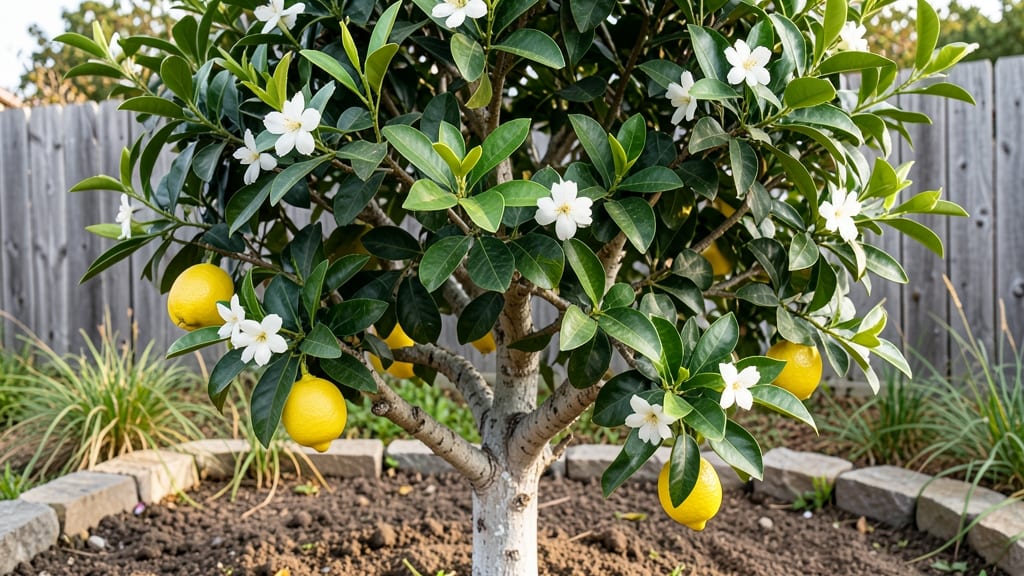
Nothing beats the intoxicating scent of citrus tree flowers in spring—those delicate white blooms that turn your yard into a pollinator paradise. 🌸 I'll never forget the first time I walked past my lemon tree and was hit with that sweet, heady fragrance, only to find bees buzzing happily among the blossoms.
The secret to those glorious flowers lies in the right balance of light, water, and a little strategic pruning.
Citrus trees need full sun (6-8 hours daily), well-draining soil, and regular watering—though they hate soggy roots. In warmer climates like mine (Zone 9), they flower year-round, while cooler areas get a burst in spring.
The key to more blooms? Prune in late winter to open the canopy and encourage new growth, which is where those fragrant flowers appear.
You'll know you're doing it right when you see clusters of white or pink blossoms transforming into tiny green fruits. Those flowers aren't just pretty—they're a magnet for bees and butterflies, which means better pollination and more citrus next season.
Even if you don't get fruit, the scent alone makes it worth growing these trees.
Common mistakes? Overwatering, pruning at the wrong time, or using heavy soil that suffocates roots. Let's fix those—and get you growing a citrus tree that's covered in flowers by next spring.
📚 In This Guide
- What you need
- Instructions
- Tips and common mistakes
- Wrapping up and next steps
What you need
- ● Citrus Tree: Seedlings or young saplings (e.g., Citrus sinensis for sweet oranges, Citrus limon for lemons, or Citrus × aurantium for bitter orange—choose based on climate and desired fruit).
- ○ Optional: Grafted citrus trees (faster fruiting but pricier).
- ● Potting Mix: Well-draining, slightly acidic soil (pH 6.0–7.0). Mix 50% peat moss or coconut coir, 30% perlite/sand, and 20% compost.
- ● Pot or Garden Space: Containers: 15–20 gallon pots with drainage holes (for indoor/outdoor potted trees).
- ● Garden beds: Full sun (6+ hours/day) and protection from strong winds.
- ● Fertilizer: Balanced citrus fertilizer (e.g., 10-10-10 NPK) or organic options like fish emulsion or citrus-specific compost.
- ● Basic Tools: Pruning shears (sterilized with rubbing alcohol).
- ○ Grafting tools (if grafting—optional for advanced gardeners).
- ● Trowel, gloves, and watering can.
- ● Climate Considerations: USDA Zones 8–11 (most citrus trees thrive outdoors; container-grown trees can be overwintered indoors in colder zones).
- ● Pro Tip: 🌡️ Use a space heater or grow lights (12–14 hours/day) to keep indoor trees happy in winter.
- ○ Pollinator-Friendly Extras (Optional but Encouraged!): Bee houses or native bee plants (e.g., lavender, marigolds) to boost pollination.
- ● Misting bottle (to increase humidity for tropical blooms).
How to encourage citrus tree flowers for abundant pollinator-friendly blooms
Here's how I coax fragrant citrus blossoms into appearing reliably every year.
🌱 Step 1: Provide the Right Environmental Conditions
Citrus trees need 6-8 hours of direct sun daily to set flowers. Place yours in a spot where it gets morning sun and afternoon shade if temperatures exceed 90°F. I've found that partial shade in hot climates actually increases bloom production—just avoid full shade, which prevents flowering entirely.
Keep soil consistently moist but never soggy, especially during the 6-8 weeks before flowering season. Let the top 1-2 inches of soil dry slightly between waterings—this mimics natural drought cycles that trigger blooming. Use lukewarm water (around 70°F) for watering, as citrus roots are sensitive to cold.
☀️ Step 2: Time Your Fertilizer Applications Precisely
Apply a balanced citrus fertilizer (like 6-6-6) 6-8 weeks before your region's typical bloom time. I use about ½ pound per 100 square feet of root zone, spread evenly. This gives the tree enough energy to produce flowers without focusing on new growth.
Stop fertilizing completely 2 months before the expected bloom period. The stress of reduced nutrients signals the tree to shift energy toward flowering. If you fertilize too late, you'll get leafy growth instead of blossoms. Watch for new flushes of leaves—these indicate the tree is still growing rather than preparing to flower.
💧 Step 3: Prune Strategically to Promote Flowering
Prune your citrus tree right after flowering (when blossoms fade) to shape the tree and encourage next year's blooms. Remove any dead, diseased, or crossing branches first, then cut back overly vigorous growth by about ⅓. This opens the canopy to better air circulation and sunlight penetration.
Here's the thing—I avoid heavy pruning in late summer or fall, as new growth won't have time to harden off before winter. Instead, focus on light structural pruning to maintain an open center. The goal is to keep the tree's energy focused on producing flowers rather than repairing pruning wounds.
⏰ Step 4: Monitor for Pollinators and Protect Flowers
Citrus trees are self-pollinating, but bees and butterflies dramatically increase fruit set. If you notice few pollinators visiting, try placing a small dish of sugar water near the tree to attract them. I've seen bloom production double in just one season after adding this simple pollinator magnet.
Protect flowers from late frosts (below 32°F) by covering the tree with frost cloth or a lightweight blanket. Even a single frost can kill blossoms before they open. If your area gets cold snaps, consider planting near a south-facing wall to create a microclimate that's 5-10°F warmer than open air.
Tips & tricks for encouraging citrus tree flowers
Real talk: I've watched citrus trees go from sparse blooms to overflowing branches using these simple adjustments.
Lighting Strategy: That 6-8 hours of direct sun is non-negotiable, but here's the thing—morning sun matters most. If your tree only gets afternoon sun, rotate the pot every few weeks so all sides get equal exposure. I've seen trees in east-facing locations bloom twice as heavily as those in west-facing spots because morning light kickstarts photosynthesis earlier in the day.
Watering Wisdom: The 6-8 weeks before flowering is when you need to be especially precise. Test soil moisture by sticking your finger 1-2 inches deep—if it's dry, water thoroughly. But if it's still damp, wait another day. Overwatering during this critical period can actually prevent blooming by confusing the tree's natural drought signals that trigger flowers.
Fertilizer Timing: That ½ pound per 100 square feet of 6-6-6 fertilizer is perfect, but here's what nobody tells you—the last application should happen exactly 8 weeks before your region's typical bloom time. If you're unsure when your area blooms, check with your local extension office. I once fertilized too late and ended up with a leafy tree but no flowers—don't make my mistake!
Pro Tips for Citrus Tree Flowers
- Real talk: I've watched citrus trees go from sparse blooms to overflowing branches using these simple adjustments.
- Lighting Strategy: That 6-8 hours of direct sun is non-negotiable, but here's the thing—morning sun matters most.
- Watering Wisdom: The 6-8 weeks before flowering is when you need to be especially precise.
Frequently asked questions
Got questions about citrus tree flowers?
You’re not alone! Here are answers to the most common queries—from timing to troubleshooting—so you can enjoy those fragrant blooms with confidence.
When do citrus tree flowers bloom, and how long do they last?
Citrus flowers typically bloom in late winter or early spring (February–April in most regions), though timing varies by variety (e.g., lemons bloom earlier than oranges). Each flower lasts 3–5 days, but the tree produces waves of blossoms over 2–6 weeks, creating a stunning, continuous display.
Why aren’t my citrus tree flowers turning into fruit?
Several factors can prevent fruiting after flowering, including:
- Lack of pollinators: Hand-pollinate with a soft brush if bees are scarce.
- Cold weather: Frost or temps below 40°F (4°C) can damage flowers.
- Over-fertilizing: Too much nitrogen promotes leafy growth over fruit.
- Young trees: Citrus trees often need 3–5 years to bear fruit.
Patience and proper care usually resolve the issue!
Do I need to attract pollinators for citrus flowers to produce fruit?
Yes! While some citrus varieties (like navel oranges) are self-pollinating, others (like lemons and grapefruits) rely on bees. Plant bee-friendly flowers nearby (e.g., lavender, marigolds) and avoid pesticides. If pollinators are scarce, gently shake branches or use a small brush to transfer pollen.
Can citrus tree flowers survive frost or extreme heat?
Citrus flowers are delicate and sensitive to temperature swings:
- Frost (<32°F/0°C): Can kill blooms and young fruit. Use frost cloths or grow trees in USDA Zones 9–11.
- Heat waves (>95°F/35°C): May cause flowers to drop. Provide afternoon shade and consistent watering.
Choose cold-hardy varieties (e.g., Citrus × meyeri) if you live in cooler climates.
What can I do with citrus tree flowers if they fall?
Don’t toss those fallen blooms! Try these creative uses:
- Floral arrangements: Their intense fragrance adds a citrusy aroma to bouquets.
- Tea or syrup: Steep petals in hot water for a floral-citrus tea or simmer with sugar for syrup.
- Compost: They break down quickly, enriching soil with nitrogen.
- Art or crafts: Press petals for scented bookmarks or potpourri.
Get crafty—these blooms are full of potential!
Wrapping up and next steps
Citrus tree flowers aren’t just stunning—they’re a fragrant lifeline for pollinators and a sign of the delicious harvest to come! 🌸 Whether you’re a seasoned gardener or just starting your citrus journey, these blossoms remind us how small details create big rewards.
Now that you’re armed with knowledge, why not take the next step? Plant a citrus tree today and turn your garden into a buzzing, blooming paradise while supporting local wildlife.
Pro tip: Share your citrus blooms on social media with #CitrusBlooms—inspire others to join the pollinator-friendly movement! 🌍