
Pruning
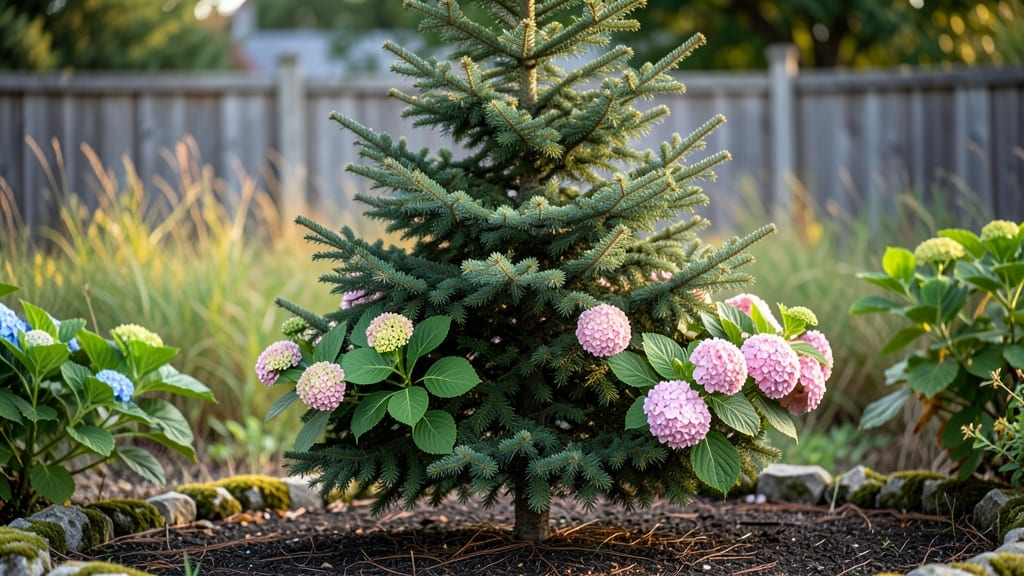
Transforming your holiday decor with a Christmas tree paired with hydrangeas creates a winter wonderland that lasts all season long. 🌿 The contrast of evergreen needles against hydrangea blooms—whether fresh or dried—adds unexpected texture and color to your garden or porch.
I’ve been using this combo for years, and it’s become my go-to for both festive displays and year-round interest.
The magic happens with the right hydrangea varieties: Oakleaf holds its color best in winter, while Annabelle or Endless Summer varieties keep their structure even when dormant. Place them strategically—underneath the tree for a lush base, or in containers beside it for easy seasonal swaps.
This pairing works in small spaces too, proving you don’t need acres for impact.
What you’ll love is how effortless the maintenance becomes. Hydrangeas stay frost-resistant, and their blooms (or seed heads) add dimension that artificial decorations can’t match. By spring, you’ll have a garden that transitions seamlessly from holiday cheer to fresh growth—no replacements needed.
The best part? Your neighbors will ask how you did it.
Perfect for winter gardens, festive borders, or even container arrangements on patios. Whether you’re going for rustic charm or modern elegance, this combo delivers. Ready to create your own winter masterpiece? Let’s get started with placement and variety tips that make it foolproof.
📚 In This Guide
- What you need
- Instructions
- Tips and common mistakes
- Wrapping up and next steps
What you need
- ● Hydrangeas: 12–15 large, healthy hydrangea blooms (preferably Hydrangea macrophylla or Hydrangea paniculata for durability). Choose blooms with long stems (12–18 inches) for flexibility.
- ● Artificial or real Christmas tree: Artificial: A 4–6 ft tall, pre-lit or non-lit tree with a sturdy base (e.g., Balsam Fir or Douglas Fir lookalikes).
- ● Real: A freshly cut, fragrant evergreen (e.g., Pine, Spruce) with a 6–8 inch trunk diameter for stability.
- ● Floral wire or fishing line: 50 ft of thin, clear or green wire (18–20 gauge) for securing blooms.
- ● Scissors or pruners: Sharp, clean pruners for trimming stems and wire.
- ● Hot glue gun & glue sticks: For discreetly attaching stems to the tree branches.
- ● Waterproof floral tape or twine: To reinforce stems and hide wire.
- ● Spray bottle with water: To mist hydrangeas and keep them fresh.
- ● Artificial snow spray: For a frosty, wintry touch (apply lightly to hydrangeas).
- ● Fairy lights or LED string lights: Warm white or twinkling lights to enhance ambiance.
- ● Miniature ornaments: Gold, silver, or pearl accents to complement the hydrangeas.
- ● Water pick or floral preservative: Extends the life of real hydrangeas (mix 1 tsp sugar + 1 drop bleach per quart of water).
- ● Styrofoam cone base: For artificial trees to stabilize hydrangeas at the base.
Step-by-step guide to crafting a Christmas tree with hydrangeas
Here’s how to transform your garden into a winter wonderland with bold, evergreen hydrangeas.
🌿 Step 1: Select the Perfect Hydrangea Varieties
Choose evergreen hydrangeas like Oakleaf or Annabelle for year-round structure. These varieties hold their foliage through winter, creating a lush, tree-like silhouette. Plant them in clusters of three to five for fullness—this mimics the natural branching of a Christmas tree.
Space plants 4 to 6 feet apart to allow room for growth while maintaining a tight, conical shape. If you’re working with smaller gardens, dwarf varieties like Little Lime or Endless Summer will still deliver that festive look without overwhelming the space.
☀️ Step 2: Position for Maximum Winter Impact
Place your hydrangea "tree" in full sun to partial shade—most evergreen varieties thrive in 6+ hours of sunlight daily, but they’ll tolerate morning shade in hotter climates. A south-facing spot ensures vibrant blooms and dense foliage, while a slightly shaded area prevents winter burn in harsh climates.
Elevate the planting area slightly (a 2-inch mound of soil) to improve drainage and prevent waterlogging. This is especially critical in winter when frozen ground can trap moisture and suffocate roots. Mulch with 3 inches of organic mulch (like shredded bark) to insulate roots and retain moisture.
🪴 Step 3: Shape and Prune for a Tree-Like Form
Prune in late winter or early spring before new growth begins. Remove 10-20% of the oldest stems at the base to encourage a fuller, more compact shape. For a classic tree silhouette, trim back side branches to create a tapered outline, leaving the center open for air circulation.
Use hand pruners to make clean cuts just above a leaf node or bud. Avoid shearing—this can damage the plant and create a messy, unnatural look. Instead, selectively remove branches that disrupt the conical shape, and step back frequently to assess symmetry.
✂️ Step 4: Maintain Through the Seasons
Fertilize in early spring with a slow-release, balanced fertilizer (10-10-10) to support new growth. Hydrangeas are heavy feeders, so apply ½ cup per plant and water deeply afterward. Avoid high-nitrogen fertilizers in fall—they encourage tender growth that won’t survive winter.
Water deeply once a week during dry spells, ensuring the soil is moist 6 inches down. Evergreen hydrangeas are drought-tolerant once established, but consistent moisture keeps foliage lush and vibrant. In winter, reduce watering unless temperatures drop below 20°F, which can cause desiccation.
💧 Step 5: Add Winter Interest with Accents
Complement your hydrangea "tree" with evergreen shrubs like boxwood or holly for texture, and ornamental grasses for movement. Place potted pinecones, berry-laden branches, or frosted greenery at the base to enhance the holiday theme.
String solar-powered fairy lights or battery-operated candles through the branches for a magical glow. Avoid traditional lights—they can overheat and damage foliage. Test the setup in late autumn to ensure the lights blend seamlessly with the natural shape.
Tips & tricks for perfect Christmas tree hydrangeas
Transforming your garden into a winter wonderland starts with these game-changing strategies for your hydrangea "tree."
Variety Selection: For the most dramatic effect, mix Oakleaf hydrangeas with Annabelle varieties—their contrasting textures create natural depth. Plant the Annabelle in the center for height, then surround it with Oakleaf varieties at varying heights to mimic a tree's layered branches. This creates that perfect triangular silhouette you're after.
Sunlight Strategy: The 6+ hours of sunlight mentioned is non-negotiable for vibrant blooms, but here's the secret: position your "tree" to catch the late afternoon sun. This golden light enhances the foliage's natural hues and creates that magical winter glow. In hotter climates, provide afternoon shade to prevent leaf scorch while still getting those crucial morning rays.
Pruning Precision: When shaping in late winter, focus on creating that tapered outline by removing branches that grow outward from the center. Think of it like sculpting—you're removing material to reveal the natural form. For a more dramatic look, leave some branches slightly longer on the bottom to create that classic Christmas tree base width. This technique also improves air circulation, reducing disease risk.
Winter Care: The 20°F threshold is critical—when temperatures drop below this, your hydrangeas need extra protection. Wrap the base of each plant with burlap or tree wrap to shield roots from cold winds. For added insulation, mound an extra 2-3 inches of mulch around the base after the first frost. This creates a protective barrier that maintains root temperature and prevents desiccation.
Pro Tips for Christmas Tree With Hydrangeas
- Transforming your garden into a winter wonderland starts with these game-changing strategies for your hydrangea "tree."
- Variety Selection: For the most dramatic effect, mix Oakleaf hydrangeas with Annabelle varieties—their contrasting textures create natural depth.
- Sunlight Strategy: The 6+ hours of sunlight mentioned is non-negotiable for vibrant blooms, but here's the secret: position your "tree" to catch the late afternoon sun.
Frequently asked questions
Got questions about creating a stunning Christmas tree with hydrangeas? You’re not alone! Here are some of the most common queries—plus expert answers to help you craft the perfect winter display.
Can I use hydrangeas from my garden for a Christmas tree?
Yes, but with a few caveats! If your hydrangeas are healthy and fully bloomed, they’ll work beautifully. Just ensure they’re disease-free and prune any dead or wilted blooms before arranging. For a longer-lasting display, opt for fresh-cut hydrangeas from a florist—they’ll stay vibrant for weeks!
How long will hydrangeas on a Christmas tree last?
With proper care, hydrangeas can stay fresh for 2–4 weeks! Keep them in a cool, shaded spot (like a garage or covered porch) when not in use, and mist them lightly every few days. Avoid direct sunlight or heat sources, which can dry them out faster. For extra longevity, trim stems at an angle and change the water every 2–3 days.
What’s the best way to arrange hydrangeas on a Christmas tree frame?
Start by clustering 3–5 blooms per branch for a lush look. Use floral wire or soft floral tape to secure stems without crushing them. Space clusters evenly for balance, and mix different hydrangea shades (like pink, blue, or white) for a stunning ombré effect. Pro tip: Hang heavier blooms lower to prevent the tree from toppling!
Can I reuse hydrangeas from a Christmas tree in my garden?
Once the holidays are over, trim any damaged stems and replant them in well-draining soil. Hydrangeas are resilient—just give them time to recover in a sheltered spot before spring. If they’re past their prime, compost them instead. Avoid forcing wilted blooms back into the garden; they won’t regrow effectively.
What do I do if my hydrangeas start wilting on the tree?
Don’t panic! First, check the water level—wilting often means dehydration. Trim any drooping stems at a 45° angle and place the tree in a bucket of fresh, room-temperature water for a few hours. If the problem persists, the blooms may be too far along in their lifecycle. For future trees, choose bud-stage hydrangeas (not fully open) for longer freshness.
Wrapping up and next steps
Transforming your garden into a winter wonderland with a Christmas tree adorned with hydrangeas is a stunning way to blend holiday charm with natural beauty. Whether you’re pruning for shape, health, or seasonal flair, the key is patience and creativity—your garden will thank you with lush, ever-evolving elegance. 🌿✨
Ready to take the next step? Start small—prune a single branch or experiment with a mini hydrangea-topped tree in a pot. Before you know it, your garden will be the talk of the neighborhood, and you’ll have a year-round masterpiece that keeps giving back.