Pruning
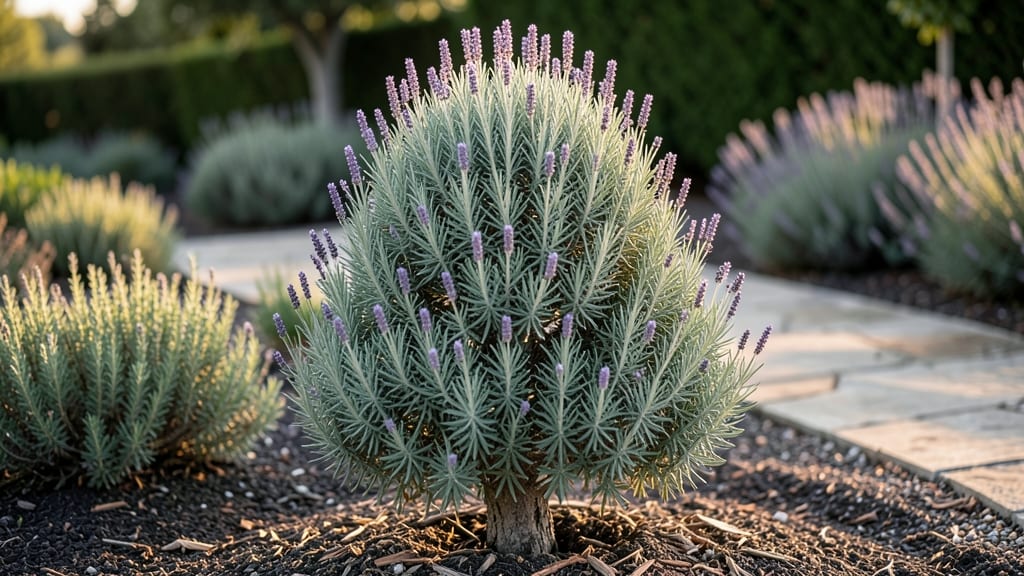
A lavender topiary tree can transform your garden into a fragrant, sculptural masterpiece that thrives year after year. The silvery foliage and calming scent make it a standout feature, whether you're creating a formal border or a rustic cottage garden.
I’ve pruned mine into a graceful spiral shape, and the results are nothing short of elegant—it’s become the centerpiece of my front yard.
Creating one starts with selecting the right lavender variety, like English or French lavender, which handle pruning best. You’ll need sharp pruners, gloves, and a sturdy trellis or wire frame to shape the growth.
The key is patience: it takes about 6-12 months to achieve a polished look, but the process is rewarding. Prune in late spring or early summer to encourage bushy, fragrant growth without sacrificing blooms.
Once established, your lavender topiary will add texture, color, and a soothing aroma to any garden style. Pair it with rosemary, thyme, or ornamental grasses for a Mediterranean vibe, or place it near a pathway for a fragrant welcome.
The silvery-green foliage contrasts beautifully with deep purples, blues, and even bold reds, making it a versatile design element.
For long-term success, avoid overwatering—lavender thrives in well-draining soil and full sun. A light mulch helps retain moisture without smothering the roots. With proper care, your lavender topiary will reward you with fragrant blooms, lush foliage, and timeless beauty for years to come. Ready to shape your own?
📚 In This Guide
- What you need
- Instructions
- Tips and common mistakes
- Wrapping up and next steps
What you need
- ● Lavender plant: 1 healthy, mature lavender bush (preferably Lavandula angustifolia or Lavandula x intermedia for hardiness). Choose a bush with a sturdy, upright stem (at least 12–18 inches tall).
- ● Garden shears or pruning scissors: 1 pair with sharp, clean blades (bypass pruners work best for precision cuts).
- ● Support stake or trellis: 1 sturdy bamboo stake (1–2 inches in diameter) or a decorative metal trellis (at least 3–4 feet tall).
- ● Soft ties: 3–4 flexible garden ties (velcro or fabric) to secure the lavender to the stake without damaging the stems.
- ● Well-draining potting mix: 1 bag of cactus/succulent mix (or amend regular soil with perlite/sand for drainage).
- ● Container or garden spot: A pot with drainage holes (12–18 inches in diameter) or a sunny garden bed with loose, rocky soil.
- ● Pruning paste: 1 small tube to seal cuts and prevent disease.
- ● Decorative mulch: Gravel or pebbles to enhance drainage and aesthetics.
- ● Topiary wire or frame: For advanced shaping (e.g., spiral or tiered designs).
- ● Slow-release fertilizer: 1 packet of low-nitrogen, phosphorus-rich fertilizer (e.g., 5-10-10) to encourage blooms.
- ● Gloves: 1 pair of gardening gloves to protect your hands from prickly stems.
Step-by-step guide to cultivating a lavender topiary tree
Transform your garden with this structured approach to shaping fragrant lavender into a refined, evergreen centerpiece.
Select and Prepare Your Lavender Variety
Choose a compact lavender cultivar like 'Hidcote' or 'Munstead'—these varieties respond best to topiary training due to their dense growth habit. Start with 4-6 inch nursery-grown plants rather than seeds, as they establish faster and tolerate pruning better. Before planting, inspect the roots for any circling or damaged areas and trim them back with clean, sharp shears.
Lavender thrives in well-draining soil with a pH between 6.5 and 7.5. Amend heavy or clay soil with 2-3 inches of coarse sand or perlite per hole to prevent root rot. The reason for this is lavender's native Mediterranean habitat—it cannot tolerate soggy roots. Plant in full sun (at least 6-8 hours daily) for optimal fragrance and growth.
Establish the Foundation with Initial Pruning
Once planted, wait 4-6 weeks for the lavender to establish before beginning topiary training. This gives the roots time to anchor and reduces stress. Begin by shaping the plant into a pyramid or conical form, which is ideal for topiary. Use sharp, bypass pruners to make clean cuts just above a set of leaves or buds—never cut into old wood, as lavender struggles to regrow from bare stems.
Remove any leggy or weak growth immediately. You’ll want to create a central leader (main upward stem) and side branches that radiate outward. For the first pruning, cut back one-third of the new growth to encourage bushier branching. Avoid pruning in late summer or fall, as this can stimulate tender new growth that won’t survive winter.
Refine the Shape with Regular Pruning
Topiary requires consistent, light pruning throughout the growing season (spring to early summer). Every 4-6 weeks, trim the outer edges to maintain the desired shape. Use a handheld hedge shears for larger cuts and concave pruners for finer details. Always prune just after a flush of new growth appears—this ensures you’re cutting healthy tissue rather than old wood.
Pay attention to the growth pattern: lavender tends to grow more vigorously at the tips. To encourage fullness, pinch back the tips of side branches occasionally. If a branch grows too long, cut it back to a bud or leaf node just below where you want new growth to emerge. This technique promotes denser foliage and prevents the plant from becoming sparse at the base.
Maintain Health and Fragrance Year-Round
Lavender’s fragrance and structure depend on proper watering and mulching. Water deeply once every 7-10 days (or when the top 2 inches of soil feel dry), but avoid wetting the foliage to prevent fungal diseases. Apply a 2-inch layer of gravel or pebbles around the base to improve drainage and reflect heat, which lavender loves. This mulch also helps suppress weeds without smothering the plant.
Fertilize lightly in early spring with a balanced, slow-release fertilizer (10-10-10) to support new growth. Avoid high-nitrogen fertilizers, which encourage leafy (but less fragrant) growth. Deadhead spent blooms in early summer to redirect the plant’s energy into maintaining its structure rather than producing seeds. In winter, lavender may lose its lower leaves, but the woody framework remains intact—simply trim back any dead or damaged growth in early spring.
Tips & tricks for perfect lavender topiary tree
Creating a stunning lavender topiary tree takes patience and precision—here’s how to elevate your results without the common pitfalls.
Selection Intelligence: When choosing your lavender plants, prioritize those with a naturally compact growth habit like 'Hidcote' or 'Munstead'. These varieties are bred for topiary work, so their dense branching structure means less aggressive pruning later. I’ve found that plants with multiple stems from the base (rather than a single central leader) actually adapt better to shaping—just be prepared to spend extra time guiding their growth during the initial 4-6 week establishment period.
Pruning Precision: The 4-6 week waiting period before your first pruning isn’t just about root establishment—it’s also giving you time to observe your plant’s natural growth patterns. Mark the central leader early with a small flag or ribbon to identify it during pruning. When you do begin shaping, make your cuts at a 45-degree angle just above a leaf node; this creates a natural water-shedding surface that reduces disease risk. Remember, lavender stems are woody and won’t regenerate from old wood, so always cut above fresh growth.
Seasonal Strategy: The spring-to-early-summer pruning window is critical because lavender grows most vigorously during this time. If you prune too late in summer, you risk encouraging tender new growth that won’t survive winter frosts. I’ve learned this the hard way—after pruning in August one year, half my plants lost their lower branches over winter. For best results, schedule your regular 4-6 week maintenance prunings between late April and early July, when days are long and temperatures are moderate.
Watering Wisdom: The "water once every 7-10 days" guideline assumes average summer conditions, but lavender’s water needs vary dramatically by climate. In hot, dry regions, you might need to water every 5-7 days, while cooler coastal areas may only require watering every 10-14 days. The key is checking soil moisture—insert your finger 2 inches deep. If it feels dry, water deeply until moisture reaches 6 inches down. Overwatering is the #1 reason lavender topiaries fail, so always prioritize drainage over frequency.
Pro Tips for Lavender Topiary Tree
- Creating a stunning lavender topiary tree takes patience and precision—here’s how to elevate your results without the common pitfalls.
- Selection Intelligence: When choosing your lavender plants, prioritize those with a naturally compact growth habit like 'Hidcote' or 'Munstead'.
- Pruning Precision: The 4-6 week waiting period before your first pruning isn’t just about root establishment—it’s also giving you time to observe your plant’s natural growth patterns.
Frequently asked questions
Got questions about cultivating and maintaining your lavender topiary tree? You’re not alone! Here are some of the most common queries—plus expert answers to keep your fragrant masterpiece thriving.
How often should I prune my lavender topiary tree?
Prune your lavender topiary once a year, ideally in late winter or early spring (before new growth starts). Light trims after flowering (summer) help maintain shape. Avoid heavy pruning—lavender hates it! Stick to one-third or less of the foliage per session to prevent stress.
Can lavender topiary trees survive winter?
Yes, but with care! Lavender is hardy in USDA zones 5-9. In colder climates, mulch the base with 3-4 inches of straw or bark and wrap the tree in burlap for extra protection. Avoid overwatering—dry soil is key in winter to prevent rot.
What if my lavender topiary looks leggy or sparse?
Leggy growth usually means too much shade or over-pruning. Move your tree to full sun (6+ hours/day) and prune just the tips to encourage bushiness. If the center is bare, thin out old wood and fertilize lightly with low-nitrogen plant food in spring.
Do lavender topiary trees bloom year-round?
Nope! They bloom once a year, typically in late spring to early summer. To extend the show, choose long-blooming varieties like ‘Munstead’ or ‘Hidcote’. Deadhead spent flowers to encourage more blooms next season, but avoid cutting into old wood.
What’s a good alternative if lavender is too high-maintenance?
If lavender’s pruning demands feel overwhelming, try rosemary topiary (hardy and drought-tolerant) or boxwood (evergreen but needs regular shaping). For fragrance, Russian sage or lavender’s cousin, Spanish lavender, are lower-maintenance picks!
Wrapping up and next steps
Transforming your garden with a lavender topiary tree is a rewarding project that blends artistry, fragrance, and low-maintenance beauty. Whether you’re a seasoned gardener or a beginner, this fragrant centerpiece adds timeless elegance while keeping pests at bay.
Now that you’re armed with the right tools, techniques, and troubleshooting tips, it’s time to get pruning—and enjoy the magic of a garden that smells as good as it looks!
🌿 Ready to take the next step? Start by sketching your design, gathering your supplies, and scheduling your first trim session. Watch your lavender topiary flourish into a fragrant masterpiece—one snip at a time! 🌸