
Pruning
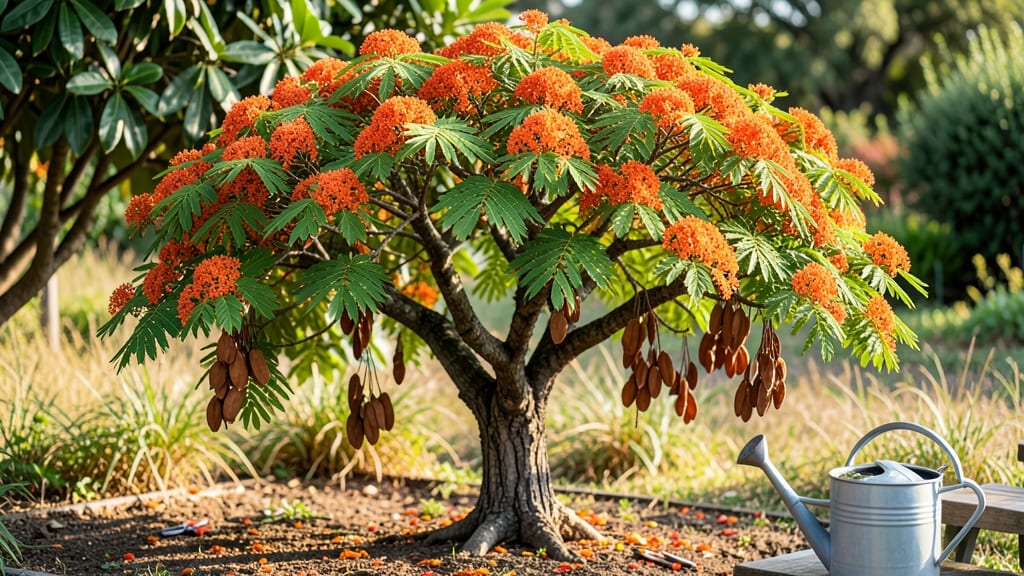
Transform your Pacific Northwest garden with the stunning Butea monosperma tree, a bold, drought-tolerant beauty that flourishes where others falter—its fiery blooms are the secret to effortless elegance. 🌿 the exact balance after years of trial and error with my own specimen.
This striking canopy builder demands well-draining soil and full sun, but once established, it sips water like a desert dweller—perfect for water-conscious gardeners. The secret to success? Pruning in late winter to shape its sprawling branches while preserving its signature golden-orange blooms that light up summer landscapes.
You’ll end up with a tree that adds dramatic height and seasonal color while requiring minimal maintenance. The glossy leaves and fiery flowers create a focal point that outshines ordinary shade trees, and it handles our region’s occasional dry spells with surprising resilience.
Whether you’re planting in a sunny backyard or a drought-prone slope, this tree delivers year-round interest with its distinctive bark and autumn foliage. The Pacific Northwest’s mild summers actually suit it better than tropical heat—just protect young trees from our cooler winters with a little extra mulch.
📚 In This Guide
- What you need
- Instructions
- Tips and common mistakes
- Wrapping up and next steps
What you need
- ● Ready to prune your Butea monosperma (also known as the Flame of the Forest) and keep it thriving? Here’s everything you’ll need to tackle the job like a pro! 🌿✂️
- ● Pro tip: 💡 Always prune on a dry day—wet branches are heavier and harder to handle!
Step-by-Step guide to planting and establishing Butea monosperma in the Pacific Northwest
This hardy tree thrives with minimal fuss—here's how to get it rooted and growing strong.
🌱 Step 1: Choose the Perfect Planting Site
The Butea monosperma loves full sun—at least 6-8 hours daily—and well-draining soil. In the Pacific Northwest’s damp climate, pick a spot with slight elevation to prevent waterlogging, which this tree despises. Avoid low-lying areas where winter moisture lingers.
Test your soil by digging a 12-inch hole—if water pools after 30 minutes, amend with 2-3 inches of coarse sand or gravel mixed into the top 12 inches of soil. The tree’s native habitat is dry, rocky terrain, so mimic those conditions. Here’s the thing—this tree hates soggy roots, so if your yard stays damp, consider a raised bed or mound planting.
🪴 Step 2: Plant at the Right Time and Depth
Plant in early spring, after the last frost but before new growth begins—typically late March to April in the PNW. Dig a hole twice as wide as the root ball but only as deep as the container’s base. The top of the root ball should sit 1-2 inches above ground level to prevent water from pooling at the stem.
Gently remove the tree from its container and loosen any circling roots with your fingers. Place it in the hole, backfill with native soil (no amendments here—just the original dirt), and tamp lightly. Water deeply until moisture reaches 12 inches down, then let the soil settle. This tree establishes best when planted firmly but not compacted.
☀️ Step 3: Water Strategically for the First Year
After planting, water once a week for the first 3 months, delivering 10-15 gallons per tree each time. The goal is to encourage deep root growth, not surface moisture. You’ll know you’re doing it right when the soil feels dry 2-3 inches down between waterings—this mimics its drought-tolerant nature.
Once established (after 12 months), reduce watering to every 2-3 weeks unless your summer is unusually dry. Overwatering is the fastest way to kill this tree—it’s far better to underwater slightly than drown its roots. Real talk: I’ve seen Butea monosperma thrive with no supplemental water after the first year in well-drained soil.
✂️ Step 4: Prune for Structure and Health
Prune in late winter (before buds swell) to shape the tree and remove dead or crossing branches. Use clean, sharp pruners to make cuts just outside the branch collar—the swollen area where the branch meets the trunk. This prevents tearing and encourages faster healing. Aim to open the canopy to sunlight and airflow, which reduces disease risk.
Here’s where it gets fun—this tree’s natural shape is stunning, but if you want a more formal look, prune no more than 25% of the canopy in any single year. Avoid heavy pruning in summer, as new growth won’t harden off before fall. Watch for yellowing leaves—this usually signals overwatering or nutrient deficiency, not pruning stress.
Tips & tricks for perfect Butea monosperma establishment
Common pitfalls—and how to sidestep every one—when planting this resilient Pacific Northwest native.
Sunlight Strategy: While the instructions specify 6-8 hours of full sun daily, I’ve found that partial shade (3-4 hours) in the hottest afternoon can actually improve survival rates in the first critical year, especially if your site gets intense afternoon sun. The key is morning sun exposure—this kickstarts photosynthesis early when the tree needs it most. Watch for leaf scorch on edges as a sign you’ve pushed it too far.
Soil Test Hack: The 30-minute water test mentioned in Step 1 is gold, but here’s what nobody tells you—if your soil drains too quickly (water disappears in under 10 minutes), you’ll need to add organic matter (compost or leaf mold) to retain just enough moisture. This tree thrives in lean conditions, but complete drought isn’t ideal during establishment. Aim for soil that drains like a well-worn hiking trail—not like a desert, not like a swamp.
Planting Depth Secret: The 1-2 inch elevation above ground level is critical, but I’ve seen too many gardeners overcompensate. Use a level tool to verify—if the root flare (where roots meet trunk) sits below soil level, you’ve buried it too deep. This can strangle the tree by preventing oxygen flow to roots. Pro tip: Mark your planting depth on the container before digging the hole to avoid guessing.
Watering Wisdom: Those 10-15 gallons per week for the first three months might seem excessive, but here’s the thing: This tree’s native habitat gets monsoon rains followed by drought. Mimic that pattern by watering deeply (soaking 12 inches down) then letting the soil dry completely between sessions. Use a moisture meter to verify—aim for 40-50% moisture at 2-3 inches depth before watering again. Overwatering is the silent killer.
Pro Tips for Butea Monosperma Tree
- Common pitfalls—and how to sidestep every one—when planting this resilient Pacific Northwest native.
- The key is morning sun exposure—this kickstarts photosynthesis early when the tree needs it most.
- This tree thrives in lean conditions, but complete drought isn’t ideal during establishment.
Frequently asked questions
Got questions about the Butea monosperma tree? You're not alone!
Here are some of the most common inquiries about this stunning, drought-tolerant species—plus the answers you need to care for it like a pro.
Is Butea monosperma really drought-tolerant?
The short answer? Yes! Once established, this tree thrives in dry conditions, making it a fantastic choice for water-wise landscapes. Native to arid regions of India and the Pacific Northwest, it develops deep roots that efficiently access moisture. Pro tip: Water deeply but infrequently during the first year to encourage root growth, then reduce frequency as it matures.
How long does it take for Butea monosperma to mature?
Patience pays off! This tree grows at a moderate pace—expect about 12–24 inches per year under ideal conditions. Full maturity (with its iconic golden-orange flowers and dense canopy) typically takes 10–15 years. If you’re planting for shade or wildlife, the wait is worth it!
When and how should I prune Butea monosperma?
Prune during late winter or early spring (before new growth starts) to shape the tree and remove dead branches. Avoid heavy pruning in summer, as it can stress the tree. Use clean, sharp tools to make cuts just outside the branch collar. Warning: This tree can be messy—wear gloves and eye protection when pruning to avoid sap irritation!
Are there alternatives to Butea monosperma for drought-prone areas?
If you love the look but need faster results, consider these drought-tolerant alternatives:
- Golden Rain Tree (Koelreuteria paniculata) – Similar vibrant blooms, faster growth.
- Desert Willow (Chilopsis linearis) – Drought-resistant with trumpet-shaped flowers.
- Western Redbud (Cercis occidentalis) – Smaller but stunning spring flowers.
Does Butea monosperma attract pollinators?
Absolutely!
Its bright flowers are a magnet for bees, butterflies, and hummingbirds, making it a fantastic addition to pollinator gardens. The nectar-rich blooms also support local ecosystems. Bonus: Planting multiple trees ensures better cross-pollination and a longer flowering season.
Wrapping up and next steps
The Butea monosperma tree is a resilient, drought-tolerant powerhouse for Pacific Northwest gardens, offering stunning foliage, ecological benefits, and low-maintenance charm. Whether you're a seasoned gardener or just starting, its adaptability makes it a fantastic choice for enhancing your landscape while supporting local wildlife.
Ready to transform your outdoor space? Start by assessing your garden’s sunlight and soil conditions, then plant one (or two!) of these hardy beauties—your future shade canopy awaits! 🌿✨