Trees
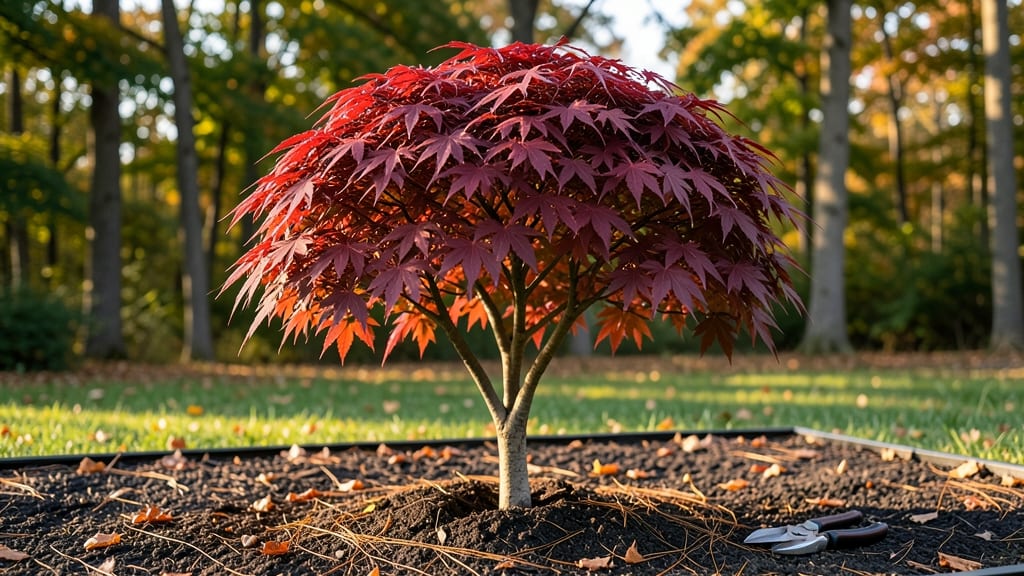
The floating cloud maple tree transforms any garden into a dreamy, ethereal landscape with its delicate, lace-like foliage. 🌿 I fell in love the first time I saw one swaying in a Pacific Northwest garden, its branches arching like a watercolor painting come to life.
This isn’t just another maple—it’s a statement piece that brings softness to bold landscapes.
What makes it special is how it thrives in cooler climates, resisting frost better than many ornamental trees. Its pinkish-white new leaves unfurl in spring, gradually maturing to soft green with intricate, cloud-like patterns.
Perfect for small spaces or containers, it grows slowly—making it ideal for urban gardens where big trees aren’t an option.
Imagine it as the centerpiece of a shaded patio, surrounded by hostas and ferns for a woodland retreat vibe. Or pair it with Japanese maples for a layered, serene effect. The best part? Its graceful branches create dappled shade that feels like a hug on a sunny day.
Whether you’re designing a courtyard or a balcony garden, this tree adds effortless elegance without needing a lot of space. Let’s talk about how to make it the star of your outdoor vision.
📚 In This Guide
- What you need
- Instructions
- Tips and common mistakes
- Wrapping up and next steps
What you need
- ● Floating Cloud Maple Tree: 1 Acer palmatum ‘Floating Cloud’ (bare-root or container-grown, 1–3 gallons for young trees, 7+ gallons for mature specimens).
- ● Certified disease-free (check with local nurseries for PNW-adapted stock).
- ● Soil Amendments: 5–10 lbs well-draining, acidic soil mix (pH 5.5–6.5; blend of peat moss, perlite, and compost).
- ○ Optional: Slow-release fertilizer (10-10-10 NPK ratio, 1 lb for young trees).
- ● Planting Supplies: 1 Garden trowel or spade (for digging).
- ● 1 5-gallon bucket (for watering).
- ● 2–3 Mulch chips (3–4 inches thick, pine bark or cedar).
- ● Required: Gloves (gardening or work gloves).
- ● Pruners (sterilized, sharp).
- ● Watering can or hose with gentle spray nozzle.
- ● Sunlight: Partial shade to full sun (6+ hours/day in PNW’s cooler microclimates).
- ○ Optional (But Helpful!): Soil pH test kit (to confirm acidity).
- ● Tree stake (if planting in windy areas).
- ● Organic fungicide (e.g., neem oil, for prevention).
- ● Drip irrigation system (for drought-prone summers).
How to plant and care for a Floating Cloud Maple tree
This stunning Pacific Northwest native thrives with the right approach—here’s how to bring its delicate beauty into your landscape.
🪴 Step 1: Select the Perfect Planting Location
The Floating Cloud Maple (Acer circinatum) loves dappled shade to partial sun—think 4-6 hours of filtered light daily. In the Pacific Northwest’s cooler climate, it tolerates full shade in hotter microclimates but develops its signature lacy foliage only with adequate light. Avoid low spots where water pools; this tree hates soggy roots.
Test your site by observing how sunlight moves across the area at different times of day. The ideal spot mimics its natural understory habitat—near larger trees or on the north side of a building where morning sun warms the soil gently. If planting near a sidewalk or driveway, leave at least 10 feet of clearance for its mature spread.
🌱 Step 2: Prepare the Soil and Plant with Care
This tree thrives in well-draining, slightly acidic soil (pH 5.5-6.5). Amend heavy clay or sandy soil with 3 inches of organic matter—like compost or leaf mold—mixed into the top 12 inches of native soil. Floating Cloud Maples are shallow-rooted, so focus on loosening the top layer rather than deep tilling.
Dig a hole twice as wide as the root ball but no deeper. Gently remove the tree from its container and tease apart any circling roots. Place it in the hole so the top of the root ball sits 1 inch above ground level—this prevents rot in heavy winter rains. Backfill with native soil mixed with your amendment, tamping lightly to eliminate air pockets.
💧 Step 3: Water Deeply and Mulch for Retention
Water deeply immediately after planting, soaking the root zone until moisture reaches 12 inches down. The first year is critical—keep the soil consistently moist (but never waterlogged) by watering 2-3 times per week during dry spells. You’ll know it’s right when the top 2 inches of soil feel damp but not soggy.
Spread 3 inches of mulch (wood chips or bark) over the root zone, keeping it 6 inches away from the trunk to prevent rot. Mulch conserves moisture and regulates soil temperature, which is especially important in the Pacific Northwest’s cool, wet winters. Replenish mulch annually as it breaks down.
☀️ Step 4: Prune for Shape and Airflow in Early Spring
This tree naturally grows in a rounded form, but light pruning in early spring (before buds swell) encourages denser foliage. Remove any dead, crossing, or inward-growing branches using clean, sharp pruners. Cut just outside the branch collar to promote fast healing. Avoid heavy pruning—Floating Cloud Maples respond best to minimal shaping.
Watch for powdery mildew on new growth, a common issue in humid Pacific Northwest springs. If you spot white fungal spots, prune affected branches immediately and improve airflow around the tree. This variety is generally disease-resistant, but proper spacing and airflow prevent most problems.
⏰ Step 5: Monitor for Frost and Adjust Care Seasonally
The Floating Cloud Maple’s common name comes from its silvery-white undersides that resemble clouds when the wind rustles the leaves. In the Pacific Northwest’s Zone 5-8 climates, it handles frost beautifully, but young trees may need light winter protection in colder microclimates. Wrap the trunk with tree guard in harsh winters to prevent sunscald.
Fertilize lightly in early spring with a balanced 10-10-10 formula, applying ½ cup per inch of trunk diameter. Over-fertilizing leads to weak growth and attracts pests. By midsummer, reduce watering slightly—this tree prefers moderate moisture and can suffer from root rot if overwatered in the heat of July and August.
Tips & tricks for perfect Floating Cloud Maple tree planting
Here's what I've learned from years of nurturing these Pacific Northwest gems—avoid these common pitfalls and watch your tree thrive.
Lighting Strategy: The 4-6 hours of filtered light mentioned in Step 1 is non-negotiable for that signature lacy foliage. I've seen too many trees planted in full shade that grow into leggy, sparse specimens. If your yard only offers partial shade, consider supplementing with a nearby deciduous tree that provides seasonal sun filtering. The key is mimicking its natural understory habitat—think of it as creating a micro-forest environment right in your yard.
Root Ball Placement: That 1-inch elevation above ground level in Step 2 prevents the most common planting mistake I see—burying the root flare. When the top of the root ball sits too low, it traps moisture against the trunk, leading to rot. After planting, gently mound soil to create a slight berm around the base to encourage water to flow away from the trunk. This simple adjustment can add years to your tree's lifespan.
Seasonal Watering: The critical first-year watering schedule of 2-3 times per week during dry spells requires some finesse. I've found that early morning watering (before 9 AM) prevents fungal issues while allowing the soil to dry slightly between waterings. Use a moisture meter to verify that top 2 inches stay damp—not soggy. In winter, reduce to once every 2 weeks unless we get our typical Pacific Northwest rain.
Mulch Maintenance: That 3-inch mulch layer in Step 3 isn't just for looks—it's a moisture regulator. I recommend using cedar mulch specifically, as it naturally repels pests while breaking down slowly. The key is replenishing it annually in late winter before new growth begins. Watch that 6-inch clearance from the trunk—piling mulch against it creates the perfect environment for rot-causing fungi.
Pro Tips for Floating Cloud Maple Tree
- Here's what I've learned from years of nurturing these Pacific Northwest gems—avoid these common pitfalls and watch your tree thrive.
- Lighting Strategy: The 4-6 hours of filtered light mentioned in Step 1 is non-negotiable for that signature lacy foliage.
- Root Ball Placement: That 1-inch elevation above ground level in Step 2 prevents the most common planting mistake I see—burying the root flare.
Frequently asked questions
Got questions about the stunning Floating Cloud Maple? You’re not alone!
Whether you're a gardener, landscaper, or simply curious about this Pacific Northwest gem, here are some of the most common queries—and their answers—to help you get started.
What makes the Floating Cloud Maple different from other maples?
The Floating Cloud Maple stands out with its delicate, lace-like foliage that resembles floating clouds—especially in spring and fall. Unlike traditional maples, its leaves have deeply lobed, almost translucent edges, creating a dreamy, ethereal effect. It’s also frost-resistant, thriving in the Pacific Northwest’s cooler climates where other maples might struggle.
How cold can this tree handle?
This hardy beauty can withstand temperatures as low as -20°F (-29°C), making it perfect for USDA Hardiness Zones 5-8. In the Pacific Northwest, it’s ideal for coastal and inland areas, including Seattle, Portland, and Vancouver. Just ensure it’s planted in well-draining soil to prevent root rot in waterlogged conditions.
How fast does a Floating Cloud Maple grow?
Expect moderate growth: about 12-18 inches per year under optimal conditions. It typically matures to 15-20 feet tall with a 15-25 foot spread, creating a low, rounded canopy perfect for shade or accent planting. Patience pays off—its full "floating cloud" effect is most dramatic in 5-10 years.
Can I grow this tree in a container or small yard?
While it’s not ideal for containers long-term (it needs deep roots), you can start it in a large pot (20+ gallons) for 1-2 years before transplanting. For small yards, consider dwarf varieties or pruning to control size. Its horizontal growth habit makes it great for urban landscapes or as a specimen tree in a garden bed.
Are Floating Cloud Maples prone to pests or diseases?
Generally low-maintenance, but watch for:
- Aphids or spider mites: Spray with water or use insecticidal soap.
- Powdery mildew: Improve airflow and avoid overhead watering.
- Verticillium wilt: Remove infected plants and rotate crops if growing near other maples.
With proper spacing and care, these issues are rare. Mulch around the base to protect roots and retain moisture.
Pro Tip:
For maximum cloud-like foliage, plant in partial shade (especially in hot afternoons). Full sun can intensify leaf colors but may cause slight leaf scorch in dry climates. Pair it with hostas or ferns to enhance its whimsical, woodland vibe!
Wrapping up and next steps
The Floating Cloud Maple isn’t just a stunning addition to your Pacific Northwest landscape—it’s a resilient, frost-hardy beauty that thrives with minimal fuss. With its delicate foliage and adaptable nature, this tree promises year-round charm while requiring little more than patience and the right growing conditions.
Whether you’re a seasoned gardener or a first-time planter, now’s the perfect time to bring its magic to your outdoor space!
Ready to plant your Floating Cloud Maple? Start by gathering your supplies and checking your local climate—then dig in! For extra tips, explore our FAQ section to ensure your tree grows into the showstopper you envision. 🌿✨