
Trees
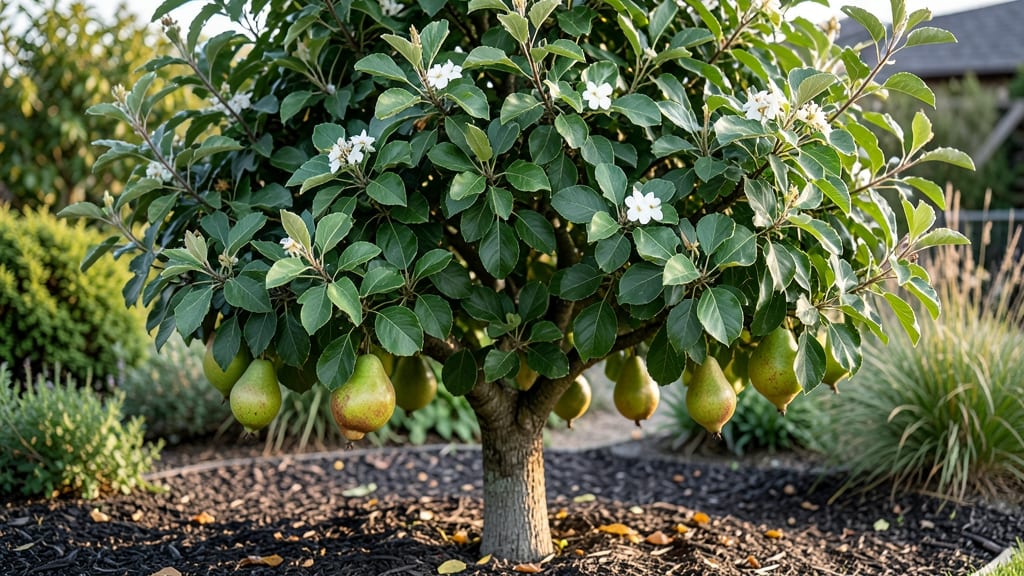
Planting Bosc pear trees in the Pacific Northwest means you get sweet, crisp fruit that thrives through our chilly winters. 🌿 I’ve grown these trees for years, and the key to success starts with choosing the right location—somewhere with full sun and protection from harsh winds.
These trees handle frost better than most, but a sheltered spot ensures even better yields.
The soil needs to drain well but stay moist, so amend heavy clay with compost or sand if needed. Bosc pears prefer slightly acidic soil (pH 6.0-6.5), and a well-drained site prevents root rot.
Once planted, they’re low-maintenance but reward patience with juicy, flavorful fruit that’s perfect for fresh eating or baking.
You’ll see new growth within weeks, and by year 3 or 4, your tree could produce its first harvest. Prune in late winter to shape the tree and remove dead wood, and fertilize lightly in early spring.
With the right care, your Bosc pear tree will become a staple in your orchard or backyard, offering shade and fruit for decades.
Common issues like poor fruit set or fire blight can happen, but early prevention—like thinning fruit and monitoring for pests—keeps trees healthy. Whether you’re a first-time grower or expanding your orchard, Bosc pears are a smart, resilient choice for the PNW climate.
📚 In This Guide
- What you need
- Instructions
- Tips and common mistakes
- Wrapping up and next steps
What you need
- ● Bosc pear tree(s): 1–3 dwarf (6–8 ft mature height) or semi-dwarf (12–16 ft) trees for home orchards (ensure self-fertile or compatible pollinators like Seckel or Bartlett are nearby).
- ● Bareroot or potted saplings from a reputable nursery (e.g., Pacific Northwest-specific growers for frost-hardy varieties).
- ● Planting site: Full sun (6+ hours/day) with well-draining soil (pH 6.0–7.0).
- ● Space: 15–20 ft between trees (20+ ft for standard varieties).
- ● Soil amendments (if needed): Compost (5–10 lbs per planting hole) for nutrient-rich soil.
- ● Organic matter (e.g., leaf mold or aged manure) to improve drainage.
- ● Frost protection (PNW-specific!): Frost cloth (1–2 sheets per tree, 5x7 ft minimum) for early blooms.
- ● Row covers or tree wraps for young trees.
- ● Digging tools: Shovel (round-point for planting holes, flat-edge for amendments).
- ○ Trenching shovel (optional, for drainage trenches).
- ● Measuring & marking: Tape measure (25 ft for spacing).
- ● Stakes & twine (to mark planting locations).
- ● Watering: Hose with soaker nozzle or drip irrigation kit.
- ● 5-gallon watering can (for young trees).
- ● Mulch: Wood chips or straw (3–4 inch layer, keep 6 inches from trunk).
- ● Tree guards (plastic or wire) to protect from wildlife.
- ● Slow-release fertilizer (e.g., 10-10-10, apply in early spring).
- ● Pruning shears (bypass type, for shaping young trees).
- ● Soil test kit ($20–$50, to check pH/nutrients before planting).
How to plant Bosc pear trees for Pacific Northwest resilience
Here's my battle-tested method for establishing hardy Bosc pear trees that thrive in cold climates.
🪴 Step 1: Choose the Right Location and Prepare the Soil
Select a site with full sun exposure—at least 6 hours daily—and protection from harsh winds. Bosc pears need winter chill hours, so avoid low-lying areas where cold air pools. Test your soil's pH: Bosc pears prefer 6.0-6.5—if yours is too acidic, mix in 2 pounds of garden lime per 100 square feet of planting area.
Loosen the soil to a depth of 18 inches using a broadfork or spade. Break up any compacted layers so roots can penetrate easily. Work in 3 gallons of compost and 1 cup of 10-10-10 fertilizer into the top 12 inches of soil. This gives roots a nutrient boost right from planting. I like to add a 5-gallon bucket of wood chips around the perimeter to improve soil structure over time.
🌱 Step 2: Plant Bare-Root Trees at the Right Time
Plant your 4 Bosc pear trees in late fall or early spring when the ground is workable but not frozen. Dig a hole twice as wide as the root ball but only as deep—the top of the root ball should sit 1-2 inches above ground level. This prevents soil from settling and smothering the graft union over time.
Soak the roots in water for 1-2 hours before planting to revive them. Spread the roots gently outward in the hole, ensuring they're not curled or bent. Fill the hole halfway with soil, then water deeply to settle it. Finish filling the hole, tamping soil lightly around the roots. Water again until the soil is evenly moist to a depth of 12 inches.
☀️ Step 3: Mulch and Water for Establishment
Apply 3 inches of wood chips or straw mulch in a 3-foot diameter circle around each tree, keeping mulch 6 inches away from the trunk to prevent rot. This mulch layer retains moisture, regulates soil temperature, and suppresses weeds—critical for young trees in the Pacific Northwest's variable climate. Water deeply once a week during the first growing season, aiming for 1-2 gallons per tree each time.
Monitor the soil moisture by sticking your finger 2 inches deep—if it feels dry, water again. Avoid overhead watering after planting, as wet foliage invites fungal diseases. Instead, use a soaker hose or drip irrigation to deliver water directly to the roots. You'll know you're doing it right when the mulch stays slightly damp but not soggy.
✂️ Step 4: Prune for Structure and Frost Resistance
Wait until late winter or early spring before pruning—this is when the tree is still dormant but about to break dormancy. Remove any dead, diseased, or crossing branches first, cutting back to the branch collar. Then, shape the tree by opening the canopy to allow good air circulation, which reduces frost damage and disease risk. Aim for a vase-like shape with a strong central leader.
Prune only live wood—you can identify it by its green color and firm texture. Make cuts just outside the branch collar at a 45-degree angle. Avoid heavy pruning in the first year; focus on removing only 10-15% of the tree's foliage. This encourages strong root and branch development without stressing the young tree. After pruning, apply a wound dressing to larger cuts to prevent disease entry.
Tips & tricks for perfect Bosc pear tree planting
These battle-tested strategies will help your Pacific Northwest Bosc pear trees thrive from day one.
Soil Preparation Secret: In Step 1, when loosening soil to 18 inches, I like to add a handful of mycorrhizal fungi granules with the compost. These beneficial fungi form symbiotic relationships with pear tree roots, enhancing nutrient uptake and drought resistance—especially valuable in our region's unpredictable rainfall patterns. This small addition pays dividends in tree health.
Planting Timing Tip: For Step 2, I plant my trees in early spring rather than late fall. The soil warms faster in spring, giving roots a head start on establishing before summer droughts hit. If you must plant in fall, do it at least 6 weeks before your first frost date—this gives roots time to settle before winter dormancy.
Watering Wisdom: In Step 3, that weekly watering schedule is crucial, but don't rely solely on calendar dates. After the first growing season, you can gradually reduce to every 2-3 weeks once roots establish, but always check soil moisture first. I test by pushing a screwdriver into the soil—if it goes in easily, roots are happy; if it meets resistance, it's time to water.
Pruning Precision: When pruning in Step 4, I mark branches to remove with masking tape before making cuts. This helps me visualize the final shape and ensures I don't accidentally cut healthy wood. For larger cuts, I use a sharp pruning saw rather than shears—clean cuts heal better and reduce disease risk. The 10-15% foliage limit is strict, but it's worth it for strong growth.
Pro Tips for Bosc Pear Trees
- These battle-tested strategies will help your Pacific Northwest Bosc pear trees thrive from day one.
- Soil Preparation Secret: In Step 1, when loosening soil to 18 inches, I like to add a handful of mycorrhizal fungi granules with the compost.
- Planting Timing Tip: For Step 2, I plant my trees in early spring rather than late fall.
Frequently asked questions
Got questions about growing Bosc pear trees in the Pacific Northwest?
You’re in the right place! Here are answers to the most common concerns—from frost resilience to harvest timing—so you can plant with confidence.
How cold can Bosc pear trees tolerate?
Bosc pear trees are hardy to USDA Zones 5-9, meaning they can handle temperatures as low as -20°F (-29°C) once established. Young trees (1-2 years) need extra winter protection, like mulch or frost cloth, especially in Zone 5. Pro tip: Plant in well-drained soil to prevent root freeze damage.
When is the best time to plant Bosc pear trees in the PNW?
Fall (October-November) or early spring (March-April) are ideal. Fall planting gives roots time to establish before winter, while spring planting avoids frost heave. Avoid planting in extreme heat (summer) or freezing ground (deep winter).
How long does it take for a Bosc pear tree to bear fruit?
With proper care, Bosc pear trees typically produce their first fruit in 3-5 years. Full production (consistent harvests) usually takes 5-7 years. Patience pays off—these trees reward you with sweet, firm pears for decades! Fun fact: Cross-pollination with another pear variety (like Bartlett) boosts yield.
What should I do if my Bosc pear tree’s leaves turn yellow?
Yellow leaves often signal overwatering, nutrient deficiency, or fungal issues. Check soil moisture (pears hate soggy roots!) and test for iron or nitrogen deficiency. If spots appear, treat with copper fungicide for fire blight or black spot. Prune affected branches to improve airflow.
Can I grow Bosc pears in containers?
Yes, but they need large containers (20+ gallons) with drainage holes. Use well-draining potting mix and repot every 2-3 years. Container-grown trees may fruit 1-2 years later than ground-planted ones. Move pots indoors or to a garage during hard freezes (below 10°F/-12°C).
What’s a good alternative if Bosc pears don’t thrive in my yard?
Try these PNW-friendly pear varieties:
- Seckel Pear – Cold-hardy (Zone 4), dwarf size, early ripening.
- Kieffer Pear – Disease-resistant, great for fresh eating.
- Moonglow Pear – Self-fertile, thrives in heat/wet climates.
Wrapping up and next steps
Growing Bosc pear trees in the Pacific Northwest isn’t just rewarding—it’s doable with the right frost-resistant strategies! From selecting hardy rootstock to mastering pruning techniques, you’re now equipped to cultivate thriving trees that yield sweet, juicy pears year after year. 🌱
Ready to take the next step? Start by sketching your orchard layout, ordering your trees, and marking your frost-free zones. Soon, you’ll be harvesting homegrown Bosc pears like a pro! 🍐✨