
Trees
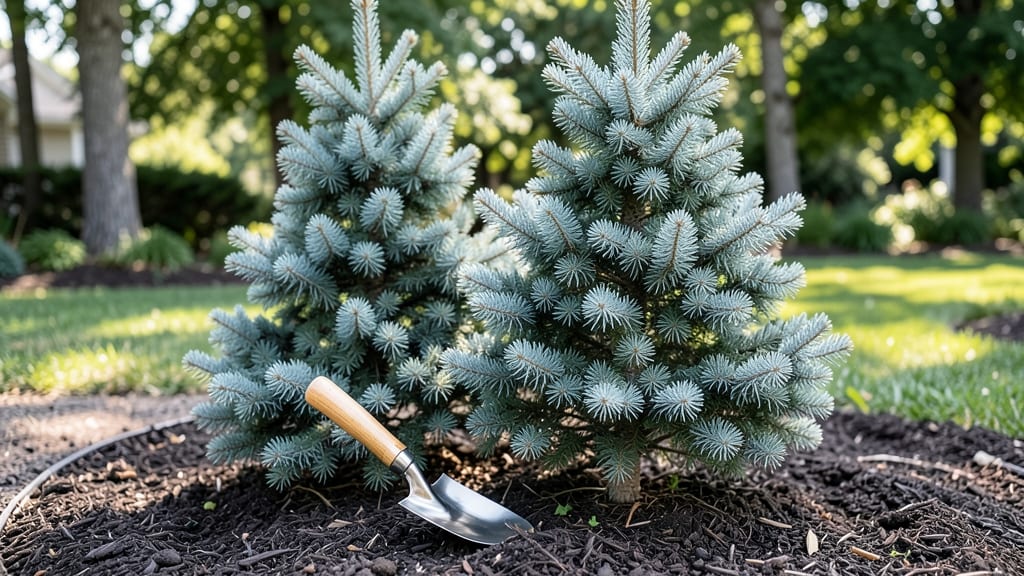
Growing your own Christmas tree plant from seed is the ultimate Pacific Northwest gift—one that keeps giving for decades. 🌲 I planted my first Douglas fir seedling in a shady corner of my backyard, and now it towers over my house, its needles still vibrant after 15 winters.
The secret isn't just patience; it's matching the right fir species to your microclimate and giving it the exact care it craves.
You'll need well-draining soil rich in organic matter, a spot with 4-6 hours of morning sun (afternoon shade is key to prevent needle burn), and a watering routine that mimics winter rains—deep soaks every 10-14 days once established.
Fraser firs and Noble firs handle coastal fog better than Douglas firs, while the latter thrives in drier inland areas. The first few years are about root development, not height—think of it as building a foundation for a 50-foot giant.
By year three, you'll see that frost-resistant growth you're after: glossy needles, sturdy branches, and a trunk that thickens with each season. Prune only to remove dead growth in late winter, and avoid heavy pruning until the tree reaches maturity.
The payoff? A tree that smells like childhood memories every December, without the needle cleanup or the $100 price tag.
This works for both backyard growers and container enthusiasts—just scale the pot size to the tree's eventual height.
Whether you're starting with a seed or a 2-foot sapling, the Pacific Northwest's cool summers and wet winters make it one of the best places on Earth to grow a real Christmas tree. Let's get those roots growing deep.
📚 In This Guide
- What you need
- Instructions
- Tips and common mistakes
- Wrapping up and next steps
What you need
- ● Christmas Tree Seedlings: Choose frost-hardy species like Abies procera (Noble Fir) or Picea engelmannii (Engelmann Spruce). Buy 1–3 healthy, 1–2 ft tall seedlings from a local nursery.
- ● Well-Draining Soil: Mix 50% native soil with 50% organic matter (compost or peat moss). Avoid heavy clay.
- ● Mulch: 3–4 inches of wood chips or pine straw to retain moisture and insulate roots.
- ● Fertilizer: Slow-release, balanced 10-10-10 NPK or organic options like fish emulsion (apply in early spring).
- ● Watering Can or Hose: With a gentle spray nozzle for even moisture distribution.
- ● Shovel & Garden Gloves: For planting and soil prep.
- ○ Stakes & Twine (Optional): If planting in windy areas, use 2–3 stakes per tree for support.
- ● Sunlight: 6+ hours of direct sun daily (partial shade is okay for some species).
- ● Water Source: Easy access to water, especially during the first 2 years of growth.
- ● Frost Protection: Burlap or frost cloth for young trees during first winter (PNW winters can be brutal!).
- ● Spacious Planting Site: Minimum 6 ft x 6 ft per tree to avoid root competition.
How to grow a frost-resistant Christmas tree plant
Here's the straightforward approach I've used to grow sturdy trees in cold Pacific Northwest winters.
🌱 Step 1: Select the Right Species for Your Climate
For the Pacific Northwest's wet winters and cool summers, focus on native or well-adapted evergreens like Douglas fir, noble fir, or grand fir. These handle 20-30°F temperatures without browning needles. Avoid tropical species—they'll struggle with our seasonal chill.
I always check the USDA hardiness zone map for my exact location (Zone 7b-8a in most of the PNW). The tree's label will list its cold tolerance—look for Zone 5 or lower for maximum frost resistance. Young plants need extra protection, so I start with 2-3 year old bare-root seedlings from local nurseries.
🪴 Step 2: Prepare the Planting Site
Choose a spot with 6+ hours of morning sun and afternoon shade to prevent needle scorch. The soil should drain well—Christmas trees hate soggy roots. Amend heavy clay with 2-3 inches of compost mixed into the top 12 inches of soil before planting.
Dig a hole twice as wide as the root ball but only as deep. The top of the root ball should sit 1-2 inches above ground level—this prevents water from pooling around the stem. I always loosen the roots slightly if they're circling in the container, then spread them gently in the hole.
☀️ Step 3: Plant and Water for Establishment
Place the tree in the hole and backfill with native soil mixed with 1 part compost. Water thoroughly as you fill, tamping down gently to remove air pockets. Create a 3-inch deep watering basin around the base to direct irrigation.
After planting, water deeply until moisture reaches 12 inches down. Mulch with 3-4 inches of wood chips (keeping mulch 6 inches away from the trunk) to protect roots from temperature swings. I water newly planted trees 2-3 times weekly until new growth appears—usually within 4-6 weeks.
⏰ Step 4: Winterize for Frost Protection
Once temperatures drop below 32°F, wrap the lower trunk with tree wrap to prevent sunscald. For young trees (3 years old), build a 4-foot tall snow fence around the base to catch drifting snow for insulation.
I never prune in winter—wait until late spring after new growth starts. If heavy snow loads the branches, gently brush it off with a broom. Young trees benefit from 1-2 inches of mulch added each winter to maintain soil warmth.
Tips & tricks for growing a frost-resistant Christmas tree
Here's what I've learned after years of growing hardy trees that survive PNW winters—these little details make all the difference.
Species Selection Matters: In Step 1, when choosing between Douglas fir, noble fir, or grand fir, I always opt for Douglas fir first—it handles our wet winters best. Look for seedlings with Zone 5 or lower hardiness labels, and avoid any with brown needles at the tips, which signals poor cold tolerance. Between us, the nursery staff won't always catch this, so I double-check myself.
Soil Prep is Non-Negotiable: For Step 2, if you're working with heavy clay soil, don't just scratch the surface—dig down 12 inches and mix in that 2-3 inches of compost thoroughly. I use a garden fork to break up compacted layers first. The goal is to mimic the natural forest floor where these trees evolved—they need that air space around roots to prevent rot in our rainy winters.
Watering Wisdom: In Step 3, when establishing your watering routine, I've found that 2-3 times weekly works best, but I check soil moisture first. Stick your finger 2 inches down—if it's dry, water; if damp, wait. Overwatering is just as deadly as underwatering for young trees. And that 3-inch deep watering basin? Fill it completely to encourage deep root growth—the deeper the roots, the more frost-resistant your tree will be.
Winter Protection Hacks: For Step 4, when wrapping the trunk with tree wrap, I always overlap the edges by 1-2 inches—this prevents gaps where cold winds can cause sunscald. For the snow fence, I use lightweight PVC pipe bent into a circle and secured with stakes. It's cheaper than commercial options and does the job perfectly. The key is getting that snow to pile up around the base—it's nature's insulation!
Pro Tips for Christmas Tree Plant
- Here's what I've learned after years of growing hardy trees that survive PNW winters—these little details make all the difference.
- Species Selection Matters: In Step 1, when choosing between Douglas fir, noble fir, or grand fir, I always opt for Douglas fir first—it handles our wet winters best.
- Soil Prep is Non-Negotiable: For Step 2, if you're working with heavy clay soil, don't just scratch the surface—dig down 12 inches and mix in that 2-3 inches of compost thoroughly.
Frequently asked questions
Got questions about growing your own Christmas tree plant in the Pacific Northwest? You’re not alone! Here are answers to the most common queries to help you thrive—whether you're a first-time grower or a seasoned gardener fine-tuning your approach.
What’s the best time to plant a Christmas tree in the PNW?
The ideal window is late fall to early winter (November–January), when the ground is cool but workable. For container-grown trees, you can plant up to mid-spring (March–April). Avoid planting in summer heat or during heavy frost—root systems need time to establish before winter sets in.
How do I know if my Christmas tree plant is getting enough sunlight?
Most frost-resistant varieties (like Douglas fir or Noble fir) thrive in full sun to partial shade (6+ hours of sunlight daily). Signs of too little light? Yellowing needles or slow growth. If your tree looks leggy or sparse, consider transplanting it to a sunnier spot or supplementing with grow lights in early stages.
Will my Christmas tree survive PNW winters without extra protection?
Native PNW species like Grand fir or Western red cedar are hardy (USDA Zones 5–7), but young trees (<3 years old) may need mulch (3–4 inches) around the base and burlap wraps for wind protection. Avoid heavy snow loads by gently brushing off accumulation—too much weight can damage branches.
Can I grow a Christmas tree from seed, or should I buy a sapling?
While possible, starting from seed takes 7–10 years to reach holiday-height (6–10 ft). For practicality, buy a 1–2-year-old bare-root or container sapling from a reputable nursery. Look for straight trunks and dense foliage—these traits predict a fuller, showier tree faster!
Why are my tree’s needles turning brown? Is it dying?
Brown needles often signal transplant shock, drought stress, or fungal issues (like needle cast). Check the soil—it should stay moist but not soggy. Prune affected branches in early spring, and apply a copper fungicide if needed. If only new growth is browning, it’s likely environmental (e.g., salt spray or windburn).
Are there drought-tolerant Christmas tree options for the PNW?
Yes! Ponderosa pine and Incense cedar are native and drought-resistant once established. For evergreens, Eastern white pine handles dry spells better than firs. Always water deeply 1–2x/week for the first year, then taper off as roots deepen.
Wrapping up and next steps
Growing a frost-resistant Christmas tree plant in the Pacific Northwest isn’t just possible—it’s a rewarding way to blend holiday magic with sustainable gardening! 🌲 By choosing the right species (like Douglas fir or Noble fir), preparing your soil, and giving your tree the care it needs, you’ll enjoy a thriving centerpiece for years to come.
Whether you’re a seasoned gardener or a beginner, this blueprint makes it simple to cultivate a tree that’s as resilient as it is beautiful.
Ready to take the next step? Start small—plant your seedling this fall or early winter and watch it grow into a festive staple. Happy planting, and may your garden be as bright as the holidays! 🎄✨