
Trees
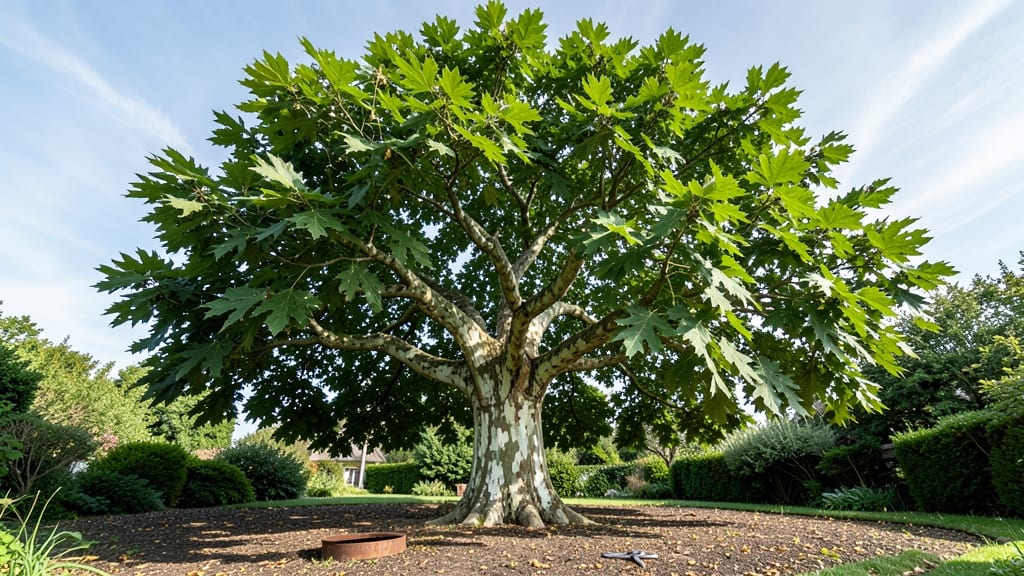
Planting sycamore trees in the Pacific Northwest transforms your yard into a cool, shady sanctuary that thrives through winter freezes. 🌳 Their peeling bark and towering canopies create a dramatic focal point that no other tree can match—especially when you pair them with native understory plants like Oregon grape or sword ferns.
Here’s the thing—sycamores aren’t just tough; they’re low-maintenance giants that outperform many shade trees. They handle our region’s wet winters and dry summers without fuss, and their roots stay shallow enough to avoid cracking driveways.
The real magic happens when you let them anchor a garden layout, framing patios or play areas with natural elegance.
Imagine stepping under their branches in July, where the air stays 10 degrees cooler than the open sun. The dappled light they create turns lawns into lush carpets of clover or wildflowers, while their height makes them perfect for privacy screens or windbreaks.
Plus, their fall color—golden-yellow leaves—adds a seasonal surprise.
Best of all, sycamores play well with others. Plant them alongside dogwoods for layered interest or near hydrangeas to show off their bark texture. They’re the backbone of a resilient, stylish landscape—one that grows more beautiful with each passing year.
📚 In This Guide
- What you need
- Instructions
- Tips and common mistakes
- Wrapping up and next steps
What you need
- ● Sycamore tree sapling: Choose a Platanus × acerifolia (London Plane) or Platanus racemosa (California Sycamore) from a local nursery (1–3 years old, 4–6 ft tall).
- ● High-quality potting soil: 50 lbs of well-draining, organic-rich soil (mix in perlite or sand if your soil is heavy).
- ● Organic mulch: 2–3 cubic feet of shredded bark or wood chips (retains moisture and regulates temperature).
- ● Slow-release fertilizer: 10–20 lbs of balanced 10-10-10 or a tree-specific formula (apply at planting and annually).
- ● Watering can or hose: With a gentle spray nozzle (1–2 gallons per watering for saplings).
- ● Shovel or spade: For digging a hole 2–3 times wider than the root ball and 12–18 inches deep.
- ● Garden gloves: Heavy-duty to protect hands from rough bark and soil.
- ● Pruning shears: Sharp, clean pair (sterilize with rubbing alcohol before/after use).
- ○ Stakes (optional): 2–4 wooden or metal stakes + soft ties if planting in windy areas.
- ● Soil pH test kit: Sycamores prefer slightly acidic to neutral soil (pH 6.0–7.5).
- ● Burlap or frost cloth: 1–2 rolls to wrap young trees during unexpected late frosts (temperatures below 20°F).
- ● Anti-desiccant spray: (e.g., Wilt-Pruf) to protect leaves from winter drying (apply in late fall).
- ● Weather monitoring: Check local frost dates (plant after the last frost in spring, typically May–June in the PNW).
- ● Tree growth regulator: (e.g., hydrogen dioxide spray) to manage rapid growth in young trees.
- ● Drip irrigation system: For large properties (automates deep watering during dry PNW summers).
- ● Wildlife deterrents: Chicken wire or tree guards to protect from deer/rodents in early years.
How to plant and care for sycamore trees in the Pacific Northwest
Here's the proven approach for establishing hardy sycamores that thrive through PNW winters.
🪴 Step 1: Select the Right Site and Prepare the Soil
Sycamores need full sun and space—plant at least 40 feet apart from structures or other trees. The Pacific Northwest's moist climate means you won't need to worry about drought once established, but they'll reward you with faster growth in well-draining soil. Test your soil's pH—sycamores prefer slightly acidic to neutral (6.0-7.5). If your soil is heavy clay, amend with 4-6 inches of compost mixed into the top 12 inches of soil.
Dig a hole twice as wide as the root ball but no deeper. Loosen the sides of the hole to encourage root spread. Here's the thing—sycamores have sensitive roots, so avoid compacting the soil when backfilling. Instead, mound the native soil slightly around the base to create a slight berm that will hold moisture during establishment.
🌱 Step 2: Plant at the Correct Depth and Stake for Support
Position the tree so the top of the root ball sits 1-2 inches above ground level. Sycamores are shallow-rooted and can suffocate if planted too deep. Once placed, fill the hole halfway with native soil, then water deeply to settle it. This prevents air pockets that could strangle new roots. I always tap the soil gently around the edges to encourage contact with roots.
Stake only if necessary—young sycamores can handle light winds, but in exposed PNW sites, use two sturdy stakes tied with soft tree ties. Angle them outward at a 45-degree angle and bury them 1/3 of their length to prevent trunk damage. Leave the ties loose enough to allow for trunk movement—you want to train the tree, not restrict it.
☀️ Step 3: Water Deeply and Establish a Mulch Ring
Water immediately after planting to settle the soil, then provide 1-2 inches of water weekly during the first growing season. Sycamores need consistent moisture to establish their extensive root systems. In the Pacific Northwest's cooler summers, you'll notice the soil stays moist longer—wait until the top 2-3 inches feel dry before watering again. Overwatering is just as harmful as underwatering.
Apply 3-4 inches of organic mulch (wood chips or bark) around the base, keeping it 6 inches away from the trunk. This mimics the tree's natural forest floor environment and conserves soil moisture. Refresh the mulch annually in early spring—you'll see healthier growth and fewer weeds competing for resources.
✂️ Step 4: Prune for Structure and Frost Resistance
Wait until late winter or early spring to prune, when the tree is still dormant but before new growth begins. Remove any dead, diseased, or crossing branches first—sycamores are prone to branch rot if left unchecked. Make cuts just outside the branch collar to prevent damage to the main trunk. I always sanitize my pruners with rubbing alcohol between cuts to prevent spreading disease.
Thin the canopy to allow sunlight to reach the lower branches—this encourages strong, frost-resistant growth. Aim for an open-center shape that lets air circulate. In the Pacific Northwest, where frost can linger in dense canopies, this prevents ice damage to branches. You'll see new growth emerge more vigorously after proper pruning, and the tree will develop a stronger structure to handle winter storms.
Tips & tricks for perfect sycamore tree establishment
Avoid these common pitfalls—and watch your sycamores flourish in the Pacific Northwest's unique climate.
Soil Preparation Secret: When amending heavy clay soil with compost, mix it thoroughly into the top 12 inches—don't just layer it on top. Sycamores have sensitive roots that need consistent moisture and aeration. I've seen trees fail when the compost layer stays too concentrated, creating a barrier that prevents root spread. Think of it like creating a sponge that holds water while allowing roots to breathe.
Planting Depth Matters: That 1-2 inch elevation above ground level isn't just arbitrary—it's crucial for preventing suffocation. Sycamores develop shallow root systems that need room to expand horizontally. I learned this the hard way when a client's tree developed root rot because it was planted too deep. Use a level to check after backfilling, and gently tap the soil around the edges to eliminate air pockets that could strangle new roots.
Watering Wisdom: The 1-2 inches weekly guideline works for average PNW summers, but adjust based on your microclimate. In cooler, wetter areas like western Washington, you might only need watering every 10-14 days. The key is checking soil moisture—stick your finger 2-3 inches deep. If it feels dry, water; if it's still moist, wait. Overwatering in the PNW's damp climate is just as damaging as underwatering.
Mulch Magic: That 3-4 inch mulch ring isn't just for looks—it creates a protective barrier against temperature swings. In winter, it insulates roots from freezing, while in summer it keeps them cool. I recommend using locally sourced wood chips that break down slowly. Refresh it annually in early spring before new growth begins, and always keep it 6 inches away from the trunk to prevent rot. Think of it as creating a natural blanket for your tree's roots.
Pro Tips for Sycamore Trees
- Avoid these common pitfalls—and watch your sycamores flourish in the Pacific Northwest's unique climate.
- Soil Preparation Secret: When amending heavy clay soil with compost, mix it thoroughly into the top 12 inches—don't just layer it on top.
- Planting Depth Matters: That 1-2 inch elevation above ground level isn't just arbitrary—it's crucial for preventing suffocation.
Frequently asked questions
Got questions about sycamore trees in the Pacific Northwest? You’re not alone! Here are answers to the most common queries about these frost-resistant beauties.
Are sycamore trees really frost-resistant in the PNW?
Yes! Sycamores (like the Platanus × acerifolia or native Platanus racemosa) thrive in the PNW’s mild winters, handling temps down to 10°F (-12°C). Their thick bark and flexible branches help them bounce back from frost. Just avoid planting in freeze-prone microclimates like frost pockets.
When is the best time to plant a sycamore tree in the PNW?
Plant sycamores in early spring or fall (March–May or September–October) for ideal root establishment. Avoid summer heatwaves or winter frosts, which can stress young trees. Pro tip: Water deeply after planting and mulch to retain moisture—PNW’s dry summers can be tough!
Can sycamores grow in urban PNW areas with pollution?
Sycamores are tough urban trees—they tolerate city pollution, compacted soil, and even road salt (better than many maples or oaks). Their large canopies also provide shade, cutting cooling costs. Just ensure 6–8 feet of clearance from sidewalks to avoid root conflicts.
Do sycamore trees attract pests like aphids or borers in the PNW?
Occasionally! Sycamores may host sycamore lace bugs (harmless but sticky) or borers in stressed trees. Prevent issues by:
- Watering during droughts (PNW’s summer dry spells).
- Pruning dead branches in late winter.
- Avoiding over-fertilizing (which attracts pests).
What’s a good frost-resistant alternative to sycamores for the PNW?
If sycamores don’t fit your space, try these PNW-friendly frost-tolerant trees:
Tree
Why It Works
Douglas Fir
Native, cold-hardy, and drought-tolerant (but slower-growing).
Oregon White Oak
Durable, acorn-producing, and handles 5°F (-15°C).
Red Alder
Fast-growing, nitrogen-fixing, and thrives in wet PNW soils.
Wrapping up and next steps
Sycamore trees are a fantastic choice for the Pacific Northwest’s chilly climate, offering stunning foliage, resilience, and year-round beauty. Whether you’re planting for shade, wildlife support, or curb appeal, their frost-resistant nature makes them a low-maintenance winner. 🌳❄️
Ready to add one to your landscape? Start by researching the best Platanus varieties for your region, then reach out to local nurseries or arborists for expert guidance. With a little planning, you’ll be enjoying your own sycamore canopy in no time!