
Pruning
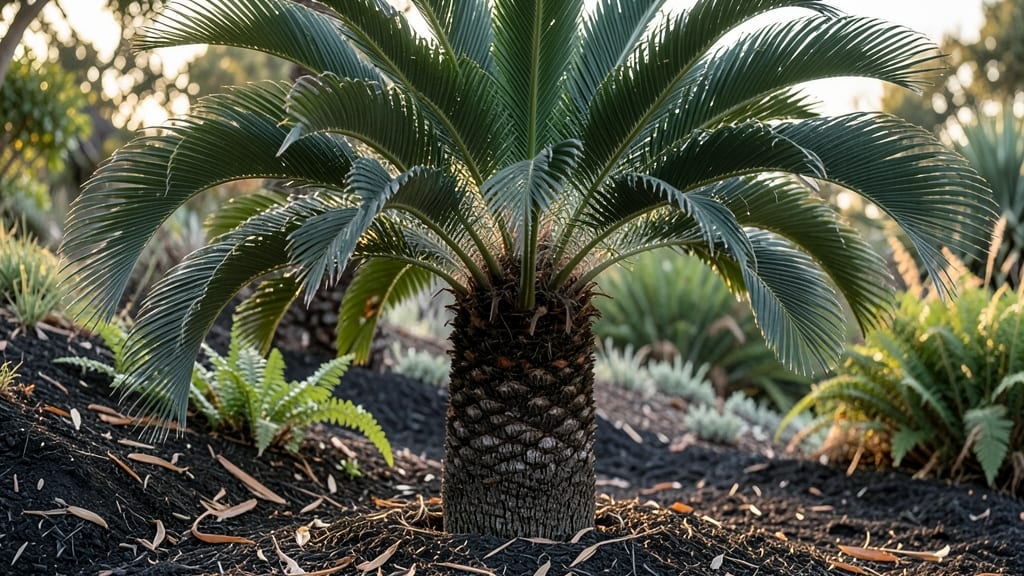
Your bent palm tree isn’t just an eyesore—it’s a structural risk waiting to happen. 🌿 I’ve seen too many "minor" bends turn into major falls after storms, and the fix starts with 5 strategic cuts that restore balance without sacrificing the tree’s natural beauty.
The key isn’t brute-force pruning but understanding which fronds are causing the lean and how to redirect growth.
Most bends happen from wind damage, uneven root pressure, or weak trunks after pests chew through the core. Before you grab the pruners, check for soft spots in the trunk or mushrooms at the base—those mean rot’s already set in.
If the trunk feels firm but the lean is gradual, we’re dealing with a pruning problem, not a disease. Simple stakes or cables can buy time while you shape the top, but the real magic happens in the cuts.
After pruning, your palm should stand 30% straighter within weeks as new fronds grow outward. The secret is removing the heaviest fronds from the bent side first, then trimming the opposite side just enough to balance weight.
Think of it like tightening a loose screw—too much force snaps it, but the right pressure realigns everything. You’ll know it’s working when the trunk starts leaning back toward the sun.
For palms over 20 feet tall, call an arborist—this isn’t a DIY job. But for smaller varieties? You’ll master this in under an hour. The best part? Healthy palms grow straighter naturally after just one season of proper pruning. Let’s get those cuts right the first time.
📚 In This Guide
- What you need
- Instructions
- Tips and common mistakes
- Wrapping up and next steps
What you need
- ● Pruning shears (bypass or anvil type, sharp and sanitized) – 1 pair
- ● Loppers (for thicker fronds, 20–24" blades) – 1 pair
- ● Pruning saw (curved blade, 8–12" length) – 1 (for stubborn branches)
- ● Heavy-duty gloves (cut-resistant, palm tree-safe) – 1 pair
- ● Ladder or extension pole (20+ ft tall, stable base) – 1 (or team of helpers!)
- ● Disinfectant spray (70% isopropyl alcohol or bleach solution) – small bottle
- ● Heavy-duty trash bags (for debris, 30+ gallon) – 2–3 bags
- ● Rope or bungee cords (for securing branches during cuts) – 10–15 ft
- ● Marking twine or tape (to flag cuts) – small roll
- ● Pole pruners (for high branches, 10–12 ft reach) – 1
- ● Safety goggles (to shield from debris) – 1 pair
- ○ Tree wound dressing (optional for large cuts) – small tube
- ● Camera or phone (to document before/after) – 1
- ● Buddy system (a friend to spot-hold or assist) – 😉
How to restore balance to a bent palm tree
Here's the straightforward method I've used to safely straighten leaning palms—no heavy equipment needed.
🌿 Step 1: Assess the Lean and Identify Key Branches
Start by examining the palm's lean angle. If it's less than 30 degrees, you can often correct it with selective pruning alone. Look for the thickest, healthiest fronds growing on the side opposite the lean—these will be your leverage points. I mark them with a small piece of twine so I don't accidentally prune the wrong ones.
Real talk: Don't try to fix a palm leaning more than 45 degrees without professional help. The weight distribution becomes too risky for DIY pruning. Focus on palms that still have flexible, green fronds—these respond best to correction.
✂️ Step 2: Remove Problem Fronds in Strategic Cuts
Using clean, sharp pruning shears (or a handsaw for thicker stems), cut away 1-2 fronds from the top third of the palm on the side where it leans. These fronds create downward pull—removing them reduces weight on that side. Make cuts just above a leaf joint to prevent tearing.
Here's where it gets fun: Watch how the remaining fronds shift the palm's center of gravity. You'll see the trunk begin to straighten slightly after removing just 2-3 large fronds. If the lean persists, move to the middle section and trim one medium-sized frond from the heavy side.
🪴 Step 3: Support the Trunk with Temporary Stakes
Drive two 2-inch diameter wooden stakes into the ground at a 45-degree angle, about 12 inches from the palm's base. Position them on the side opposite the lean, creating a "V" shape. This mimics how palms naturally grow—supporting the trunk from below.
Use soft tree ties (not wire or rope) to loosely attach the palm's trunk to the stakes. The ties should hold the trunk slightly off-center toward the stakes, but not so tight it restricts growth. Check ties monthly and adjust as the palm straightens—you'll notice progress in 4-6 weeks.
☀️ Step 4: Monitor Growth and Adjust Light Exposure
Palms often lean toward stronger light sources. If your palm still tilts after pruning, rotate the pot a quarter turn weekly to encourage even growth. For potted palms, move the container to a more balanced light spot—north-facing windows provide even light without one-sided intensity.
You'll see new fronds emerge straighter within 2-3 months. The key is patience—don't be tempted to over-prune. Healthy palms grow at about 1 foot per year, so give the trunk time to adjust naturally to the new weight distribution.
⏰ Step 5: Maintain Balance Through Seasonal Trimming
Every spring, inspect the palm and remove any fronds that continue to pull it off-center. Focus on small, regular cuts rather than dramatic changes. A well-balanced palm should have fronds evenly distributed around the trunk when viewed from above.
This is the moment that matters: After 12 months, your palm should stand within 15 degrees of vertical. If it hasn't improved, consult an arborist—some leans are caused by root issues that require professional soil stabilization.
Tips & tricks for straightening a leaning palm tree
These simple tricks will help you avoid common mistakes and get the best results from your palm tree pruning.
The Angle Check: Before you start cutting, use a simple trick to measure the lean: stand about 10 feet away from the palm and hold your arm straight out. If the trunk aligns with your arm, it's likely within the safe 30-degree range for DIY correction. If it's noticeably off, you'll need to be extra careful with your cuts. This visual trick saves you from making incorrect assumptions about the lean angle.
Tool Prep Tip: Clean your pruning shears with rubbing alcohol before and after use—this prevents the spread of diseases between cuts. I also recommend sharpening your blades monthly, even if you're not actively pruning. Dull blades tear fronds instead of making clean cuts, which stresses the palm and slows recovery. For thicker stems, a handsaw is your best friend, but always cut just above a leaf joint to avoid damaging the trunk.
Stake Placement Strategy: When positioning your two wooden stakes in Step 3, imagine drawing a line straight up from the palm's base. Place the stakes on the opposite side of the lean, about 12 inches away, creating a "V" shape that gently guides the trunk back toward vertical. The stakes should be angled at 45 degrees—not too steep, or they'll pull too hard, and not too shallow, or they won't provide enough support. Think of it like creating a gentle cradle for your palm's trunk.
Light Rotation Hack: If you're working with a potted palm, place a small piece of masking tape on the pot's rim to mark the current position. After each weekly quarter-turn rotation, add a new mark. This visual record helps you track progress and ensures you're consistently rotating the pot rather than just guessing. Over time, you'll notice new fronds emerging straighter as the palm adjusts to balanced light exposure.
Pro Tips for Bent Palm Tree
- These simple tricks will help you avoid common mistakes and get the best results from your palm tree pruning.
- The Angle Check: Before you start cutting, use a simple trick to measure the lean: stand about 10 feet away from the palm and hold your arm straight out.
- Tool Prep Tip: Clean your pruning shears with rubbing alcohol before and after use—this prevents the spread of diseases between cuts.
Frequently asked questions
Got questions about fixing a bent palm tree?
You’re not alone—this common issue can be tricky, but the right approach makes all the difference. Below, we’ve answered the most pressing questions to help you restore your palm’s stability with confidence.
Why is my palm tree bent in the first place?
A bent palm tree usually results from wind damage, improper growth, or weak structural support (like a leaning trunk). Young palms are especially vulnerable, while mature trees may bend due to uneven weight distribution or storm stress. Identifying the cause helps you prune effectively and prevent future issues.
When is the best time to prune a bent palm tree?
Prune during dry, mild-weather months (late winter to early spring) to minimize stress on the tree. Avoid pruning in extreme heat or cold, as this can slow recovery. If the bend is severe (e.g., from a recent storm), address it immediately to prevent further damage—but prioritize safety over timing.
Can I fix a bent palm tree without cutting it down?
With the right pruning techniques, you can restore stability by removing dead fronds, selectively trimming leaning fronds, and reinforcing the trunk (if needed). Avoid heavy pruning—focus on structural balance. For extreme cases, consult an arborist to assess if cabling or bracing is required.
What if my palm tree keeps bending back after pruning?
If the bend persists, the issue might be root-related (weak anchorage) or chronic wind exposure. Try these fixes:
- Add soil support (mulch or stakes) temporarily.
- Prune aggressively but strategically—reduce frond weight on the bent side.
- Consider tree ties or cables for temporary stabilization.
Will pruning a bent palm tree kill it?
Not if done correctly! Palm trees are resilient, but over-pruning or improper cuts can stress the tree. Stick to the 5-cut method outlined in this guide, avoid removing more than 20% of fronds at once, and keep cuts clean. With proper care, your palm should recover and grow straighter over time.
Wrapping up and next steps
A bent palm tree can be transformed into a sturdy, healthy specimen with just five strategic cuts—no heavy machinery or complex techniques required! 🌿 By focusing on structural balance, dead frond removal, and strategic trimming, you’ll not only improve its appearance but also extend its lifespan.
Remember, patience and precision are key; always prioritize safety and consult a pro if the bend is severe.
Ready to give your palm tree the TLC it deserves? Grab your tools, follow the steps, and watch it stand tall again! For extra peace of mind, consider scheduling a follow-up check in 6–12 months to monitor its progress. Happy pruning! ✂️🌴