
Pruning
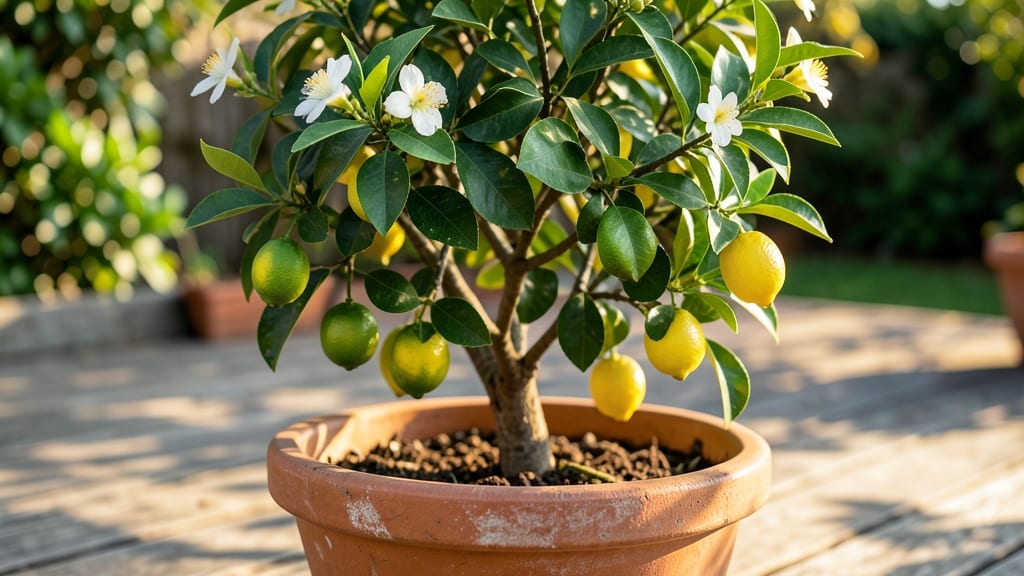
A balcony lemon tree thrives when you treat it like a tiny citrus orchard, not just a houseplant. 🌿 I’ve grown dwarf Meyer lemons for five years, and the secret isn’t fancy equipment—it’s mimicking the Mediterranean climate they crave.
That means bright light, warm air, and pruning that keeps them compact and productive, even when temperatures dip.
The right setup starts with a 15-20 gallon container (larger = more fruit), well-draining soil, and a spot that gets 6+ hours of sun daily. My tree produces dozens of lemons annually because I prune aggressively in late winter—cutting back 25% of growth to encourage bushier, frost-hardier branches.
The key? Prune after the last frost risk passes, but before spring flushes begin.
By summer, you’ll be harvesting lemons that smell like sunshine and taste sweeter than anything from the store. The tree stays manageable on a balcony, and with proper care, it lives for decades.
The trade-off? A little winter prep to protect tender branches from cold snaps—but the payoff is worth it.
Works for any dwarf variety (Meyer, Eureka, or Improved Meyer) and adapts to small spaces. Let’s get your tree set up for a harvest that’ll make your neighbors jealous.
📚 In This Guide
- What you need
- Instructions
- Tips and common mistakes
- Wrapping up and next steps
What you need
- ● Lemon tree (Citrus × limon) – Choose a dwarf or patio variety (e.g., 'Meyer' or 'Improved Meyer') for balcony-friendly growth. Size: 1–3 gallons (small pots) or 5–7 gallons (larger pots).
- ● Well-draining potting mix – Specs: 60% inorganic (perlite, pumice, or coarse sand) + 40% organic (peat moss, coco coir, or compost). Quantity: Enough to fill your pot (2–5 gallons).
- ● Pot with drainage holes – Size: Minimum 12" diameter (15"+ for mature trees) with 4+ drainage holes.
- ● Slow-release citrus fertilizer – Type: Balanced (e.g., 6-6-6 or 10-10-10) or citrus-specific. Quantity: Follow package instructions (typically 1–2 tbsp per gallon of soil).
- ● Watering can with a rose attachment – Ensures gentle, deep watering without disturbing roots.
- ● Pruning tools – Bypass pruners – For clean cuts on small branches (sharp, sterilized).
- ● Sterilizing solution – 70% isopropyl alcohol or bleach-water mix (1:10 ratio) to prevent disease.
- ● Frost protection supplies (for winter) – Frost cloth – Lightweight, breathable fabric (rated for 25–32°F).
- ● Garden twine or stakes – To secure the cloth around the pot.
- ○ Heat mat or grow lights (optional but helpful) – For extreme cold snaps (<25°F).
- ● Soil moisture meter – Prevents over/under-watering.
- ● Citrus-specific liquid fertilizer – For mid-season boosts (e.g., fish emulsion or seaweed extract).
- ● Pot feet or casters – Makes moving your tree easier for sunlight or frost protection.
- ● Root stimulator – Gel or powder to encourage root growth when repotting.
- ● Humidifier or pebble tray – Helps maintain humidity in dry climates.
Step-by-Step instructions for frost-resistant balcony lemon tree care
Here's how to keep your citrus thriving through seasonal shifts—no green thumb required.
🪴 Step 1: Choose the Right Container and Soil Mix
Start with a 15-gallon pot (minimum) with drainage holes—lemon trees hate soggy roots. I use a well-draining citrus mix (50% potting soil, 30% perlite, 20% sand) to prevent compaction. Fill the pot halfway, then add a 2-inch layer of gravel at the bottom for extra drainage. This prevents root rot, especially during cooler months when water evaporates slower.
Press the soil mix down gently so it's firm but not packed. You want roots to push through easily without fighting dense soil. Tap the pot lightly on the table to settle everything evenly. Here's the thing—lemon trees need well-aerated roots, so don't skip the perlite or sand. I've seen too many trees fail because the soil was too heavy.
☀️ Step 2: Position for Maximum Sunlight and Seasonal Adjustments
Place your lemon tree in full sun (at least 6-8 hours daily) for the first year. A south-facing balcony works best, but if you're in a cooler climate, rotate the pot quarter-turn weekly so all sides get even light. You'll notice leaves yellowing if it's not getting enough sun—this is your plant's way of saying, "Move me closer!"
During winter, if temperatures drop below 40°F, bring the pot indoors near a south-facing window or under a grow light. Lemon trees are frost-sensitive, so even a light frost can damage leaves. I keep mine in a garage with a space heater set to 55°F during freezes—this simple trick saves the tree every year.
💧 Step 3: Water and Fertilize for Year-Round Growth
Water when the top 2 inches of soil feel dry—stick your finger in to check. Lemon trees need consistent moisture but hate sitting in water. In summer, you might water every 2-3 days, while winter slows watering to once a week. Overwatering is the #1 killer of balcony citrus—trust me, I’ve drowned three.
Feed with a balanced citrus fertilizer (10-10-10) every 4-6 weeks in growing season (spring-fall). Cut back to once every 8 weeks in winter when growth slows. You'll see new leaves and buds as your reward—this means the tree is happy and storing energy for fruit production.
✂️ Step 4: Prune for Frost Resistance and Better Fruit
Prune in late winter or early spring before new growth starts. Remove dead, crossing, or weak branches first—this opens the canopy for better air circulation and sunlight. Cut just above a leaf node at a 45-degree angle to encourage new growth. I always sterilize my pruners with rubbing alcohol to prevent disease.
For frost protection, prune low-hanging branches that might touch cold surfaces (like balcony railings). Shorten long branches by one-third to create a bushier shape—this helps the tree recover faster if frost hits. You'll notice fewer bare spots and more compact growth after pruning. Real talk: A well-pruned tree handles winter better and produces more fruit.
🌿 Step 5: Protect from Frost and Encourage Flowering
When temperatures drop below 35°F, move the pot to a sheltered spot or indoors. Wrap the pot in bubble wrap (yes, it works!) to insulate roots. I also place a lightweight frost cloth over the tree at night—it traps just enough warmth to prevent damage. If frost hits, don’t panic. The tree might drop leaves, but new ones will grow back in spring.
To encourage flowering (and eventually fruit), spray the tree with 1% hydrogen peroxide solution (1 part peroxide to 32 parts water) every 2 weeks in spring. This mimics rain and triggers blooms. You’ll see tiny white flowers appear in 4-6 weeks—this is your signal that fruit is on the way. Just be patient; lemon trees take 9-12 months from flower to harvest.
Tips & tricks for frost-resistant balcony lemon trees
Here's what nobody tells you about keeping your citrus thriving through winter—these tricks saved my trees after three failed attempts.
Soil Mix Matters: When mixing your 50% potting soil, 30% perlite, and 20% sand, sift the sand first—larger particles can create pockets that trap water. I also add a handful of worm castings to the mix for extra nutrients. This ensures your tree's roots get both aeration and moisture retention, especially important during those dry winter months when you're watering less frequently.
Light Rotation Hack: That quarter-turn weekly rotation in Step 2 isn't just about even light—it also helps prevent the tree from leaning toward the sun. I mark the pot's position with a piece of tape on the balcony railing so I don't forget. This keeps the tree growing straight and makes it easier to move indoors when needed.
Pruning Precision: When shortening branches by one-third in Step 4, always cut just above a leaf node where new growth will emerge. I use a small mirror to check for these nodes on tricky branches. This technique creates a bushier tree that recovers better from frost damage and produces more fruit over time.
Winter Watering Test: Before watering in winter, stick your finger 2 inches into the soil—if it feels damp, wait another day. I've found that in cooler temperatures, the soil stays moist longer, and overwatering becomes an even bigger risk. This simple check prevents root rot during the dormant season.
Pro Tips for Balcony Lemon Tree
- Here's what nobody tells you about keeping your citrus thriving through winter—these tricks saved my trees after three failed attempts.
- Soil Mix Matters: When mixing your 50% potting soil, 30% perlite, and 20% sand, sift the sand first—larger particles can create pockets that trap water.
- Light Rotation Hack: That quarter-turn weekly rotation in Step 2 isn't just about even light—it also helps prevent the tree from leaning toward the sun.
Frequently asked questions
Got questions about growing a frost-resistant lemon tree on your balcony? You’re not alone! Here are some of the most common concerns—and their straightforward solutions—to help you cultivate a thriving citrus plant year-round.
Can I grow a lemon tree in a pot if I live in a cold climate?
Choose frost-resistant varieties like Meyer lemon or Ponderosa lemon, which tolerate brief dips below freezing. Move your potted tree indoors (near a sunny window) when temperatures drop below 30°F (-1°C), or wrap the pot in frost cloth for extra protection. Mulch the base with straw to insulate roots.
How do I prune my lemon tree for frost resilience?
Prune in late winter or early spring (before new growth) to remove dead, crossing, or overly dense branches. Focus on opening the canopy to improve airflow and sunlight penetration—this reduces frost damage risk. Avoid heavy pruning in fall, as new growth is more vulnerable to cold snaps.
What’s the best pot size for a balcony lemon tree?
Start with a 12–15 inch diameter pot for young trees, upgrading to 18–24 inches as they mature. Ensure pots have drainage holes to prevent root rot, and use lightweight materials like fabric or plastic for easy moving. Larger pots retain moisture longer but may require more frequent watering in hot weather.
Why isn’t my lemon tree fruiting, even with proper care?
Lemon trees need full sun (6+ hours daily), consistent watering, and balanced fertilizer (high in nitrogen for growth, then switch to citrus-specific bloom boosters in spring). Lack of fruit can also signal stress from temperature swings—keep temps between 60–85°F (15–29°C). Hand-pollinate flowers with a small brush if bees aren’t visiting.
How cold can my lemon tree handle without damage?
Most potted lemon trees survive short exposures to 25–28°F (-4 to -2°C), but prolonged cold (<20°F/-7°C) can kill the plant. Meyer lemons are the hardiest, while standard lemons may struggle below 30°F (-1°C). Monitor forecasts and act fast—wrap pots in bubble wrap or move them to a garage (if temps drop further).
Pro Tip:
For extra frost protection, place your pot on a wooden stand or bricks to elevate it off cold ground. Mulch the soil surface with straw or leaves to insulate roots—this can add 5–10°F of protection during light frosts!
Wrapping up and next steps
Growing a balcony lemon tree is a rewarding journey that brings fresh, zesty fruit right to your doorstep—even in cooler climates! With the right frost-resistant pruning techniques, you can ensure year-round harvests while keeping your plant healthy and thriving.
Start small, stay consistent with care, and don’t hesitate to experiment to find what works best for your space.
Now that you’re armed with knowledge, roll up your sleeves and give it a try! 🌿 Grab your pruners, pick a sunny spot, and let your lemon tree become the star of your balcony. Happy growing—and may your first homegrown lemon be as sweet as the effort!