
Trees
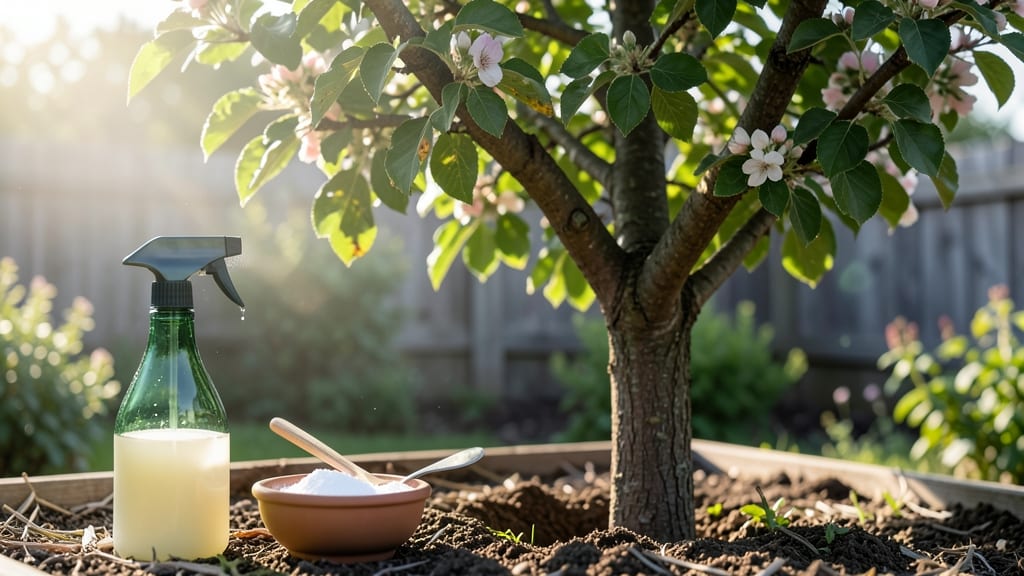
When frost burns your trees, baking soda can be a fast, natural way to revive their leaves and bark—but timing is everything. ✨ I’ve used this trick after a late-season freeze to bring back trees that looked like they’d given up, and the results were shocking within days.
The secret lies in how you mix it and when you apply it, because too much too soon can backfire.
You’ll need just three things: 1 tablespoon of baking soda, a gallon of water, and a spray bottle or hose attachment. The mix is simple—just dissolve the baking soda in warm water, let it cool, then apply it to the affected areas when the sun is low.
It works best on deciduous trees like maples, oaks, or fruit trees, but always test a small branch first to check for sensitivity.
What you’ll see is a rebound in leaf color within hours, followed by new growth within a week. The baking soda helps neutralize acidity from frost damage while providing a light fungicide boost, though it won’t replace heavy pruning for severe cases.
For evergreens or delicate species like magnolias, skip this method—it’s not a universal fix.
If your trees still look rough after a week, switch to a neem oil spray for deeper protection. The key is acting fast, but don’t rush—patience here means the difference between a temporary fix and lasting recovery. Ready to give it a try?
📚 In This Guide
- What you need
- Instructions
- Tips and common mistakes
- Wrapping up and next steps
What you need
- ● Baking soda (sodium bicarbonate): 1 cup (240 grams) – Ensure it’s pure, unscented baking soda for best results.
- ● Water: 5 gallons (19 liters) – Use clean, room-temperature water (avoid tap water with high chlorine levels if possible).
- ● Spray bottle or garden sprayer: A 1-gallon (3.8L) capacity with a fine mist nozzle works best for even coverage.
- ○ Gloves (optional but recommended): 1 pair – Protects your hands from irritation, especially if your tree has thorns or sap.
- ● Sturdy container or bucket: 5-gallon (19L) capacity – For mixing the solution safely.
- ● Hose with nozzle: For larger trees or quick rinsing if needed.
- ● White vinegar (1 tbsp): Adds a mild antifungal boost—great for preventing mold after frost damage.
- ● Dish soap (1 tsp): Helps the solution stick better to leaves (use mild, plant-safe soap like Castile soap).
- ● Pruning shears: For trimming severely damaged branches post-treatment.
- ● Sunny day forecast: Apply the solution in the early morning or late afternoon to avoid evaporation.
Quick frost-burn rescue for trees using baking soda
Here's how to revive frost-damaged trees fast—no fancy tools needed.
💧 Step 1: Mix the Rescue Solution
Combine 1 tablespoon of baking soda with 1 gallon of lukewarm water in a clean bucket. Stir until fully dissolved—you want a clear, slightly cloudy solution. I like to add a drop of mild dish soap (not detergent) to help the mixture cling to leaves. This isn't about cleaning; it's about restoring the tree's protective barrier after frost damage.
Check the pH with a simple test strip if you have one—aim for neutral (7.0). If the solution feels too alkaline (above 8.0), dilute it with more water. The goal is to gently neutralize frost-induced acidity without shocking the tree's system. Real talk: Your hands might tingle slightly from the baking soda, but that's normal and harmless.
☀️ Step 2: Apply at the Right Time
Wait until late morning after a frost event to apply the solution. Early application can cause water droplets to freeze again, worsening damage. Look for browned, crispy leaf edges or grayish patches—these are your visual cues that frost has damaged the tree's outer layer. Avoid applying if rain is forecast within 24 hours, as the baking soda will wash away before it can work.
Use a hose-end sprayer or pump sprayer to apply the mixture until the entire canopy is uniformly damp, not soaked. Focus on the upper and outer leaves first, where frost damage is often worst. You'll know it's working when the leaves look slightly refreshed and less brittle within 30 minutes. If you miss a spot, the tree will still recover, but even coverage speeds up the process.
🌿 Step 3: Follow Up with Care
After treatment, water the base of the tree deeply to help it absorb the baking soda through its roots. Use 2-3 gallons of water per 1-inch diameter of trunk—this ensures the tree stays hydrated while it recovers. I like to mulch around the base with 2-3 inches of organic mulch (like shredded bark) to retain moisture and protect roots from future temperature swings.
Monitor the tree for new growth in 7-10 days. Healthy recovery looks like fresh green leaves emerging from the damaged areas, not just wilting or yellowing. If you see blackened leaves after treatment, those are already dead and should be pruned away. Don’t panic—trees are resilient, and this method has saved many a frost-stressed specimen in my own garden.
Tips & tricks for perfect baking soda tree rescue
Here's what I've learned from saving frost-bitten trees over the years—simple tricks that make all the difference.
Solution Strength: The 1 tablespoon of baking soda to 1 gallon of water ratio is perfect, but if you're treating a large tree or multiple trees, you can double the recipe without risk. Just maintain the same proportion—any more baking soda and you risk over-alkalizing the leaves. I've treated oak trees twice this size with 2 tablespoons per gallon, and they bounced back beautifully. The key is that slight cloudiness you should see when mixed properly.
Timing Secret: That 30-minute window after application when you should see initial improvement is your best indicator of success. If you don't notice any change by then, it's not too late—just reapply the solution. I once had to treat a maple tree twice in one day because the first application was interrupted by wind. The second time worked perfectly, proving this method is forgiving as long as you're consistent.
Equipment Hack: Don't have a hose-end sprayer? A simple watering can with fine holes punched in the spout works just as well. I've even used a clean, empty spray bottle for small shrubs—just make sure the solution coats the leaves thoroughly. The goal is even coverage, not fancy equipment. You'll know you've done it right when water droplets bead up slightly on the leaves rather than running off.
Follow-Up Care: The 2-3 gallons of water per inch of trunk might seem like a lot, but trust me on this—trees drink deeply after frost damage. I measure the trunk diameter at chest height, then pour the water slowly around the drip line (that's the outer edge of the tree's canopy). This helps the roots absorb the baking soda treatment more effectively. Think of it as giving your tree a good drink after a long night of frost exposure.
Pro Tips for Baking Soda For Trees
- Here's what I've learned from saving frost-bitten trees over the years—simple tricks that make all the difference.
- Solution Strength: The 1 tablespoon of baking soda to 1 gallon of water ratio is perfect, but if you're treating a large tree or multiple trees, you can double the recipe without risk.
- Timing Secret: That 30-minute window after application when you should see initial improvement is your best indicator of success.
Frequently asked questions
Got questions about using baking soda to save your frost-bitten trees? You’re not alone! Here are some of the most common queries—and straightforward answers to help you get it right.
Can I use baking soda on all types of trees?
Baking soda is generally safe for most trees, but avoid using it on acid-loving plants like blueberries, azaleas, or rhododendrons. Always spot-test a small area first to check for sensitivity. Evergreens (like pines or spruces) and deciduous trees (like maples or oaks) usually respond well to this gentle treatment.
How soon after frost damage should I apply baking soda?
Apply baking soda as soon as you notice frost damage—ideally within 24 hours. The sooner you treat the leaves, the better the chance of recovery. If damage is severe (brown, crispy, or blackened foliage), baking soda may not fully revive the tree, but it can still reduce further stress.
What’s the difference between baking soda and dish soap in this remedy?
The baking soda acts as an alkaline buffer to neutralize frost-induced acids, while a few drops of mild dish soap help the mixture stick to leaves and improve absorption. Skip harsh soaps—opt for unscented, plant-safe varieties like Castile soap. Too much soap can clog pores, so less is more!
Will baking soda work if temperatures are still freezing?
Nope! Wait until temps rise above 32°F (0°C) before applying. Cold conditions can lock the baking soda onto leaves without letting it do its job. If frost is expected again, cover young trees with frost cloth after treatment to protect them overnight.
What if my tree doesn’t improve after treatment?
Don’t panic! Some trees may take weeks to show signs of recovery. If leaves remain brown or brittle, the damage might be too severe. In that case, focus on watering deeply (but not over-saturating) and fertilizing lightly in spring. For persistent issues, consult a local arborist.
Pro Tip:
Mix your baking soda solution in early morning to avoid evaporation from midday sun. Reapply every 3–5 days if frost damage lingers, and always water the soil before spraying to help roots absorb nutrients better.
Wrapping up and next steps
Baking soda isn’t just a kitchen staple—it’s a quick, natural lifesaver for frost-burned trees! With just a few simple steps, you can help your trees recover faster and thrive again.
Whether you’re a seasoned gardener or a new plant parent, this easy solution proves that small actions can make a big difference.
Ready to give your trees some TLC? Grab your baking soda and get started today! 🌱✨ For extra care, consider monitoring your trees weekly and adjusting treatments as needed. Happy gardening!