Pruning
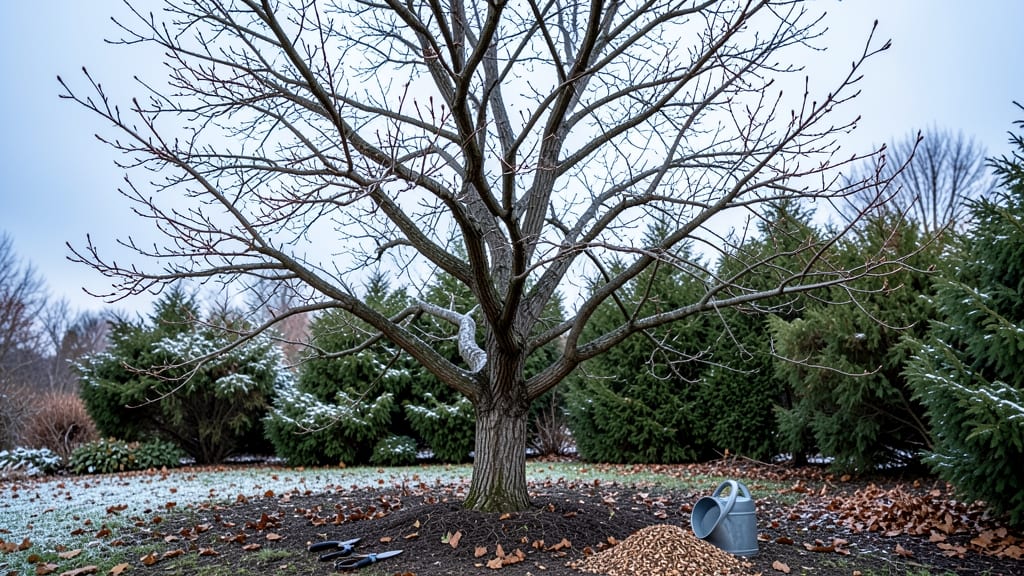
Late-season pruning of red maple trees in winter isn’t just about shaping—it’s about survival. I learned this the hard way when a frozen branch snapped under last year’s heavy snow, leaving a jagged wound that took two years to heal.
The key is timing: prune after the ground freezes but before the worst cold snaps hit, usually in late December or January when the tree’s dormant but still resilient.
You’ll need sharp pruning shears, a ladder if branches are high, and a pair of gloves—red maples bleed sap aggressively when cut in cold weather. The goal is to remove dead, crossing, or weak branches first, then thin the canopy to let light reach the center.
Think of it like giving your tree a winter haircut: less stress, better airflow, and fewer places for ice to build up. A 10% reduction in total branch volume is a safe starting point for healthy trees.
What you’ll end up with is a tree that bounces back faster in spring, with fewer frost cracks and stronger growth. The winter color—deep red stems and peeling bark—becomes even more striking, and you’ll notice fewer broken limbs after ice storms.
The best part? You’re not just pruning for looks; you’re setting your tree up for a healthier, longer life. Here’s exactly how to do it without making costly mistakes.
This method works for red maples in zones 3 through 9, though timing shifts slightly depending on your first frost date. If you’re in a milder climate, wait until late January to avoid encouraging new growth too early.
For those in colder zones, early December cuts give the wounds time to seal before the worst cold arrives. Either way, mulch heavily afterward to protect roots from temperature swings.
📚 In This Guide
- What you need
- Instructions
- Tips and common mistakes
- Wrapping up and next steps
What you need
- ● Pruning shears: Bypass pruners (for cuts up to ½ inch in diameter) – 1 pair (look for ergonomic, sharp blades for clean cuts).
- ● Loppers: For branches ½ to 2 inches thick – 1 pair (choose with bypass blades and extended handles for leverage).
- ● Pruning saw: For larger branches (2+ inches) – 1 saw (bow or folding saw with a fine-tooth blade for clean cuts).
- ● Ladder or step stool: Sturdy, tall enough to reach the tree’s canopy – 1 unit (ensure it’s rated for your weight and has non-slip feet).
- ● Disposable gloves: Heavy-duty, cut-resistant – 1 pair (protects hands from thorns and sap).
- ● Rubbing alcohol or bleach solution: (1 part bleach to 9 parts water) – small bottle (for sterilizing tools between cuts to prevent disease spread).
- ● Heavy-duty trash bags: For collecting debris – 2-3 bags (knots tightly to avoid sap leaks).
- ● Sharpie or permanent marker: – 1 (for marking branches to remove if needed).
- ● Safety gear: Safety glasses (to shield eyes from debris).
- ● Long sleeves and pants (to protect from sap and scratches).
- ● Closed-toe shoes or boots (for stability on uneven ground).
- ● Tree wound dressing: (e.g., pruning sealant) – small tube (controversial but useful for large cuts to prevent disease; skip if your tree is healthy!).
- ● Extension pole pruners: For high branches without a ladder – 1 pair (saves time and effort!).
- ● Work gloves with grip: – 1 pair (for better control when handling slippery branches).
- ● Camera or phone: – 1 device (to document the tree’s structure before and after pruning for reference).
- ● First-aid kit: – small kit (for minor cuts or sap burns; include antiseptic wipes and bandages).
How to prune a red maple tree safely in late winter
Late winter is the perfect time to shape your red maple and protect it from harsh frost.
Choose the Right Tools and Timing
Use sharp, clean pruning shears for cuts under ½ inch in diameter and a pruning saw for thicker branches. I always sterilize my tools with rubbing alcohol to prevent spreading disease between cuts. The best time is late winter to early spring, just before buds begin to swell—this is when the tree is dormant but about to wake up.
Look for branches that are dead, diseased, or crossing others. Dead branches snap easily when bent, while healthy ones bend slightly. Avoid pruning when frost is forecasted, as fresh cuts are more vulnerable to cold damage.
Remove Dead, Diseased, or Damaged Branches First
Start by removing any branches that are completely dead or show signs of disease like fungal growth, oozing sap, or unusual discoloration. Cut these back to the main trunk or a healthy lateral branch, making the cut just outside the branch collar—the swollen area where the branch meets the trunk.
If a branch is broken but still attached, remove it entirely. These damaged branches can invite pests and diseases that weaken the tree. I like to make a small notch on the underside of the branch about 1 foot from the trunk before making the final cut—this prevents the branch from tearing the bark as it falls.
Thin the Canopy for Better Airflow and Light
Next, focus on thinning the canopy by removing 10-20% of the branches to improve airflow and sunlight penetration. Start at the outer edges and work your way inward. Remove branches that are growing inward or rubbing against others—these will eventually cause damage if left unchecked.
For each branch you remove, make the cut at the branch collar and just outside the branch bark ridge. Avoid leaving stubs, as they can invite decay. If a branch is too thick to cut in one go, make a top cut first to reduce weight, then a bottom cut to finish the job cleanly.
Shape the Tree for Balance and Health
Now it’s time to shape the tree by selectively pruning branches to maintain a natural, balanced form. Red maples respond well to open-center pruning, where you remove branches to create an airy, rounded shape. Avoid heavy pruning on one side—this can cause the tree to lean or become top-heavy.
If you notice any water sprouts—those fast-growing, vertical shoots—remove them entirely. These saplings drain energy from the tree and don’t contribute to its structure. I also check for suckers growing from the base and trim them back to the ground to redirect the tree’s energy upward.
Clean Up and Protect the Tree
After pruning, rake up and dispose of all debris, especially diseased branches. Never leave cuttings on the ground, as they can harbor pests or fungi that might reinfect the tree. I like to bag the debris and add it to my compost pile—just make sure it’s fully decomposed before using it in the garden.
Finally, apply a wound dressing only if the cuts are large or the tree is particularly vulnerable. For most red maples, fresh cuts will heal naturally over time. Water the base of the tree deeply after pruning to help it recover. Avoid fertilizing right after pruning, as the tree needs time to focus on healing rather than new growth.
Tips & tricks for perfect late-winter red maple pruning
Late winter pruning isn't just about cutting branches—it's about giving your red maple a healthy start when spring arrives. Here's what I've learned after years of working with these trees.
Timing is Everything: The instructions mention late winter to early spring, but I can't stress enough how important it is to check the forecast. Prune on a day when temperatures are above freezing and no frost is predicted for at least 24 hours. Fresh cuts are extremely vulnerable to cold damage, and you don't want to undo all your hard work with frost damage. I always check the weather for 3 days ahead to be safe.
Branch Collar Recognition: In Step 2, when you're cutting back diseased branches, take a close look at the branch collar—the swollen area where the branch meets the trunk. This is your guide for making clean cuts. I've made the mistake of cutting too close to the trunk before, which can damage the tree's healing ability. The collar is nature's way of telling you exactly where to cut—follow it precisely.
Thinning Strategy: The instructions suggest removing 10-20% of branches in Step 3, but here's my pro tip: focus on creating a balanced shape rather than just hitting that percentage. Look for branches that are growing in the wrong direction or competing with others. Removing just one problematic branch can sometimes be more beneficial than removing several smaller ones just to meet the percentage goal.
Cleanup Matters: After you've finished pruning, don't just leave the debris on the ground. I've seen too many cases where pruned branches left on the lawn became breeding grounds for pests that later attacked the tree. Bag all diseased branches separately and dispose of them in yard waste. For healthy branches, you can compost them—but only after they've had time to dry out completely to prevent fungal growth.
Pro Tips for Red Maple Tree In Winter
- Late winter pruning isn't just about cutting branches—it's about giving your red maple a healthy start when spring arrives.
- Timing is Everything: The instructions mention late winter to early spring, but I can't stress enough how important it is to check the forecast.
- Branch Collar Recognition: In Step 2, when you're cutting back diseased branches, take a close look at the branch collar—the swollen area where the branch meets the trunk.
Frequently asked questions
Got questions about pruning your red maple tree in winter?
You’re not alone! Here are answers to the most common concerns—from timing to troubleshooting—so you can keep your tree healthy and stunning year-round.
When is the exact best time to prune a red maple in winter?
The ideal window is late winter, just as buds swell but before they break (typically February–early March in most U.S. zones). Avoid pruning after mid-March—new growth risks frost damage. Check your local frost dates for precision!
Will pruning in winter harm my red maple if frost is forecasted?
Yes! Pruning within 24–48 hours of a frost warning can stress the tree, slowing healing and inviting disease. Wait for a warmer stretch (above 40°F) and avoid cuts if frost is predicted. When in doubt, prune at dawn for cooler temps.
Can I prune a red maple in winter if it’s already damaged by ice or snow?
Absolutely—but prioritize safety first. Remove only broken branches (sterilize tools with 70% rubbing alcohol to prevent disease). Avoid heavy pruning; focus on cleaning up debris. Wait for spring to assess structural health and plan larger cuts.
Are there alternatives to winter pruning for red maples?
Yes! If winter pruning feels risky, opt for summer pruning (June–August)—it’s less stressful for the tree and reduces pest risks. However, summer cuts should be lighter (no more than 25% of foliage) to avoid shocking the tree. Late summer (September) is also viable in mild climates.
My red maple’s pruned branches are oozing sap—is this normal?
It’s usually normal (especially on maples), but excessive sap flow (more than a few drips) could signal stress or disease. To minimize it:
- Use sharp, clean tools for precise cuts.
- Avoid cutting into wet wood (prune on dry days).
- Seal cuts only if the tree is severely damaged (use tree wound paint sparingly).
Wrapping up and next steps
Winter is the perfect time to shape your red maple tree—but timing and technique matter! By pruning late in the season (just before dormancy), you’ll protect it from frost damage while encouraging vibrant spring growth. Remember: clean cuts, sharp tools, and patience are your best allies. 🌳✂️
Now that you’re armed with the right tools, tips, and timing, take action! Grab your gloves, schedule that pruning session, and watch your tree thrive. Happy pruning—and may your red maple dazzle for years to come! 🌟
Next step: Mark your calendar for late winter (February or early March) and start planning your cuts!