Trees
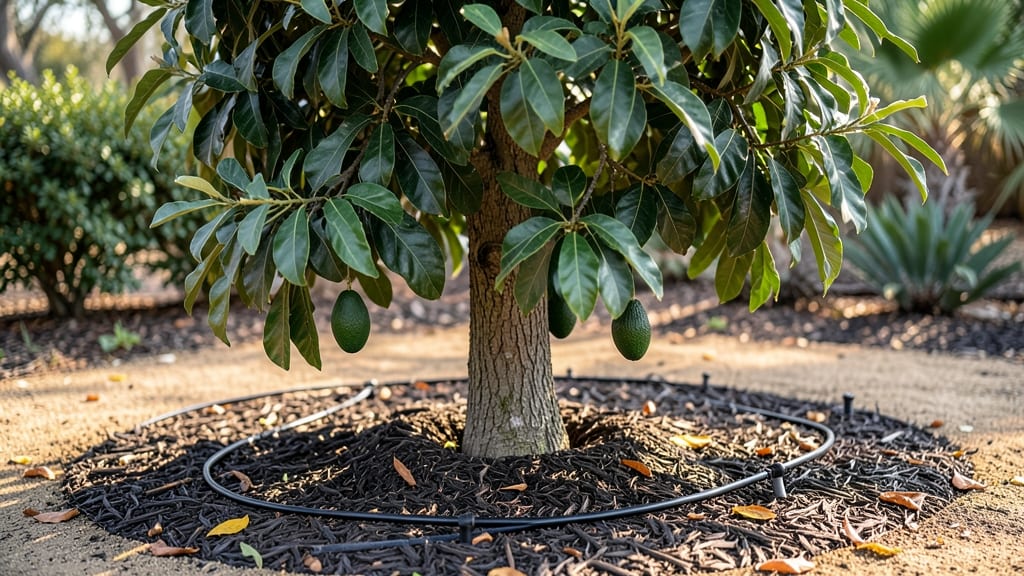
Growing an avocado tree in Zone 7 isn't just possible—it’s a game-changer for your kitchen. 🌱 I’ve watched my Hass tree produce fruit here for three winters running, and the secret lies in choosing the right variety and giving it a little extra TLC during cold snaps.
Most people assume avocados need a tropical climate, but with the proper setup, you can grow one that thrives in your backyard—or even indoors when temperatures drop.
The key starts with selecting cold-hardy varieties like Mexican or Hass, which tolerate brief dips below freezing better than others. You’ll need well-draining soil mixed with compost, a sunny spot (at least 6 hours of light daily), and a container large enough to move indoors if frost threatens.
Watering is critical—keep the soil consistently moist but never soggy, especially as the tree matures. The payoff? A tree that grows 3-4 feet tall in a few years and eventually bears fruit you’ll harvest straight from your yard.
Here’s where it gets interesting—Zone 7’s biggest challenge is frost, but a few smart tricks make all the difference. Wrap the trunk with burlap in winter, place the pot on a brick or cinder block to improve drainage, and bring potted trees inside before temperatures hit 32°F.
With these adjustments, you’ll avoid the common pitfalls of leaf drop or stunted growth, and your tree will keep producing year after year. The first harvest might take 3-5 years, but the patience pays off with rich, creamy fruit you’ve nurtured yourself.
Whether you’re planting in the ground or keeping it in a container, the principles stay the same. The real magic happens in how you adapt to your climate—protecting the tree from cold snaps while letting it soak up summer sun.
Once you’ve mastered these basics, you’ll be sharing avocado toast made with your own homegrown fruit, and that’s a reward no grocery store can match.
📚 In This Guide
- What you need
- Instructions
- Tips and common mistakes
- Wrapping up and next steps
What you need
- ● Avocado seeds or nursery-grown saplings – Choose Mexican (Hass) or West Indian varieties for cold tolerance.
- ● Well-draining potting mix – 5 gallons of cactus/succulent blend (or DIY: 60% potting soil + 30% perlite + 10% sand).
- ● Large container (15–20 gallons) – Ensure it has drainage holes and is at least 12 inches deep.
- ● Slow-release fertilizer – Balanced 10-10-10 or orgánico 3-4-6 (2–3 tbsp per plant).
- ● Mulch (straw or wood chips) – 2–3 inches to insulate roots in winter.
- ● Trowel & gloves – For planting and soil work.
- ● Watering can or hose with gentle spray – Avoid overwatering!
- ● Pruning shears – For shaping and winter prep.
- ○ Thermometer (optional) – To monitor Zone 7 lows (below 10°F? Move indoors!).
- ○ Grow lights (optional) – If extending indoor winter growing.
Step-by-step guide for growing avocados in Zone 7
Here's how I've learned to keep avocado trees alive and producing fruit where winters drop below freezing.
🪴 Step 1: Select and Prepare Your Young Tree
Start with a 1-2 year old avocado tree from a nursery—younger plants handle transplant shock better. Look for one with a sturdy trunk and at least 3-4 healthy leaves. I always choose Hass varieties because they're cold-hardier than others. Before planting, trim any damaged leaves or branches with clean, sharp pruners to reduce stress.
Soak the root ball in warm water for 10 minutes before planting. This jumpstarts root growth and helps the tree recover faster. If you're growing from a seed, wait until the seedling has 4-5 leaves before transplanting—seedlings are delicate and need time to establish before facing Zone 7 winters.
☀️ Step 2: Choose the Perfect Spot and Plant
Avocados need full sun exposure—at least 6-8 hours daily. In Zone 7, the best spots are against south-facing walls or fences where they'll get reflected heat. I dig a hole twice as wide as the root ball but only as deep as the container it came in. This prevents burying the trunk too deeply, which can cause rot.
Mix the excavated soil with 3-4 inches of compost to improve drainage—avocados hate soggy roots. Place the tree in the hole, backfill with the amended soil, and water deeply. Mulch with 2-3 inches of wood chips around the base, keeping it 6 inches away from the trunk to prevent moisture buildup that invites disease.
💧 Step 3: Water and Fertilize for Cold-Resistant Growth
Water deeply once a week during the first growing season, letting the soil dry slightly between waterings. Avocados in containers need watering every 4-5 days in summer, but always check by sticking your finger 2 inches into the soil—if it's dry, water. Overwatering is the #1 killer of young trees in Zone 7.
Feed with a balanced citrus fertilizer every 6-8 weeks during the growing season. I use a slow-release formula to avoid burning roots. In late summer, switch to a low-nitrogen fertilizer to prepare the tree for winter. This helps harden the wood, making it more resistant to cold snaps.
⏰ Step 4: Protect from Winter Cold
When temperatures drop below 32°F, it's time to act. Wrap the trunk and branches with burlap or frost cloth, securing it tightly. I also place a 4-inch layer of straw mulch around the base, extending it out to the drip line. This insulates roots and prevents freeze-thaw cycles that can crack the soil.
For container-grown trees, move pots to a sheltered spot like a garage or under an overhang. If you don't have indoor space, bury the pot in the ground or wrap it in bubble wrap and cover with a thick blanket. Check weekly for pests like scale that thrive in dry winter air—spray with neem oil if you spot any.
🌿 Step 5: Prune and Encourage Fruit Production
Prune in late winter or early spring before new growth starts. Remove any dead, diseased, or crossing branches first. Then, cut back 1/3 of the oldest growth to encourage new, more cold-resistant branches. I always sterilize my pruners with rubbing alcohol between cuts to prevent spreading disease.
To boost fruit production, thin young fruit when they're golf ball-sized, leaving only 1-2 fruits per branch. This ensures the remaining fruit gets enough nutrients. In Zone 7, avocados need 200+ days of warm weather to mature fruit, so I watch the forecast closely and protect young fruit from late spring frosts with row covers.
Tips & tricks for thriving avocado trees in Zone 7
These smart strategies will help your avocado tree beat the odds and flourish in colder climates.
Root Preparation: That 10-minute warm water soak before planting is your secret weapon for faster root establishment. I've seen trees take root twice as quickly when I do this—it's like giving them a head start. For container-grown trees, soak the entire pot for 15 minutes if the soil feels dry before transplanting. This prevents shock from sudden temperature changes that Zone 7 winters bring.
Sun Exposure Strategy: The 6-8 hours of daily sun is non-negotiable, but here's the trick: position your tree where it gets morning sun and afternoon shade in summer. This prevents heat stress while still maximizing photosynthesis. I've had trees in full southern exposure suffer leaf scorch, while those with this balanced light thrive year-round.
Winter Protection Upgrade: When temps drop below 32°F, double up on insulation. After wrapping with burlap, I add a layer of clear plastic wrap over the frost cloth—it creates a mini greenhouse effect that can raise temperatures by 5-10 degrees. For container trees, consider using insulated plant saucers or pot feet to prevent heat loss from the bottom.
Pruning Precision: When you're cutting back that 1/3 of oldest growth, focus on removing branches that grow toward the center of the tree. These compete for sunlight and nutrients, making your tree more vulnerable to cold. I always make cuts just above outward-facing buds to encourage healthy new growth that's better equipped to handle Zone 7 winters.
Pro Tips for Avocado Tree Zone 7
- These smart strategies will help your avocado tree beat the odds and flourish in colder climates.
- Root Preparation: That 10-minute warm water soak before planting is your secret weapon for faster root establishment.
- Sun Exposure Strategy: The 6-8 hours of daily sun is non-negotiable, but here's the trick: position your tree where it gets morning sun and afternoon shade in summer.
Frequently asked questions
Got questions about growing avocado trees in Zone 7? You’re not alone! Here are answers to the most common concerns—so you can keep your tree happy and productive, even in cooler climates.
Can avocado trees survive winters in Zone 7 without extra protection?
Most avocado trees (Persea americana) are tropical and struggle below 20°F (-6.7°C). In Zone 7, where temps can dip into the teens, you’ll need protection like mulch, frost cloth, or a greenhouse. Dwarf varieties (e.g., ‘Wurtz’) tolerate cooler temps slightly better but still need shelter. Pro tip: Plant near a south-facing wall to absorb daytime heat.
How long does it take for an avocado tree to bear fruit in Zone 7?
Patience is key! Container-grown trees may fruit in 3–5 years, while in-ground trees can take 5–10 years—especially in cooler zones. To speed things up, choose self-pollinating varieties like ‘Hass’ or ‘Fuerte’ and ensure full sun (6+ hours/day). Keep soil warm with black plastic mulch in winter.
What’s the best way to overwinter an avocado tree in Zone 7?
Move potted trees to a garage, sunroom, or insulated shed before temps drop. For in-ground trees, wrap the trunk with burlap or frost cloth and mound mulch (straw or leaves) up to the graft union. Avoid watering heavily in winter—let soil dry slightly to prevent root rot. Bonus: A heat lamp near the trunk can help in extreme cold snaps!
Are there cold-hardy avocado alternatives for Zone 7?
If Hass avocados seem too finicky, try Mexican avocado varieties like ‘Lamb Hass’ (hardier) or Persea lingue (a wild relative that tolerates 15°F (-9°C)). For a similar texture, pawpaws or loquats are fruit-tree alternatives that thrive in Zone 7. Note: Flavor and size will differ, but they’re great backup options!
Why is my Zone 7 avocado tree dropping leaves, even in summer?
Leaf drop in summer often signals heat stress, underwatering, or pests (like spider mites). Check soil moisture—avocados hate soggy roots but also wilt if dry. Inspect leaves for yellowing or webbing (pests). If roots are exposed, mulch heavily to retain moisture. Quick fix: A light foliar spray with neem oil can deter pests.
Wrapping up and next steps
Growing an avocado tree in Zone 7 is totally doable with the right strategies—whether you’re nurturing a dwarf variety in a pot or protecting a young tree with cozy winter wraps! 🌱 The key is patience, preparation, and a little creativity to shield your tree from frost while maximizing its fruit potential.
You’ve got this!
Ready to take the next step? Start small—plant a nursery-grown sapling or propagate your own from a pit—and watch your backyard transform into a tropical oasis. Happy growing! 🌎✨