
Blooming
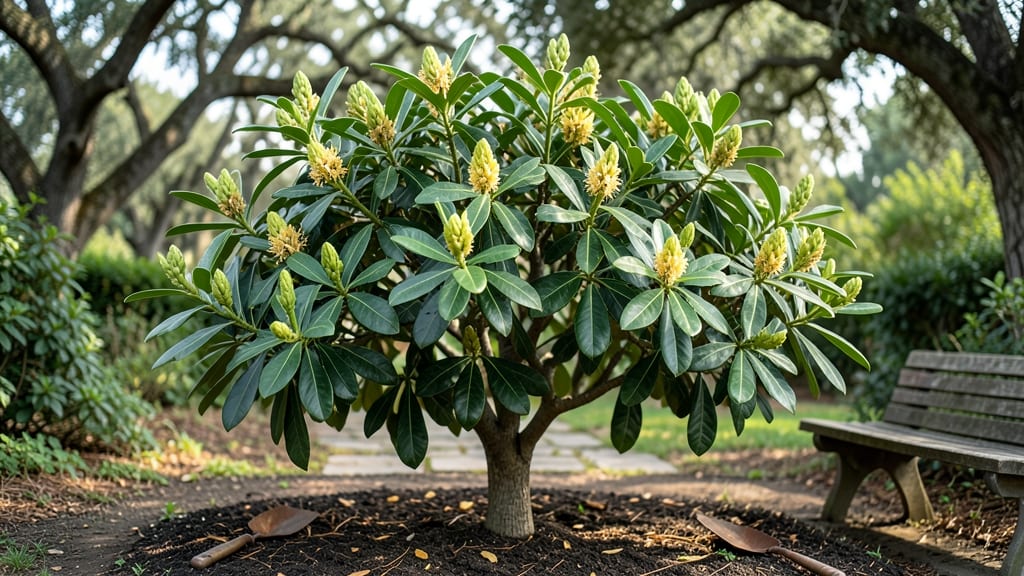
Your avocado tree bloom isn't just a seasonal event—it's the first step toward homegrown fruit that could last year-round with the right care. 🌱 I’ve watched my own Hass tree go from stubborn non-bloomer to a prolific producer, and the secret lies in understanding when those tiny green flowers appear and how to turn them into fruit.
The timing matters more than most gardeners realize, especially if you’re in a cooler climate where blooms get confused by temperature swings.
The blooming process starts with those unassuming green clusters that look more like leaves than flowers. Each one holds the potential for fruit, but only if the tree gets the right balance of sunlight, water, and—here’s the kicker—pruning precision.
Too much pruning stresses the tree; too little leaves it overcrowded. I learned this the hard way after my first attempt left me with more leaves than fruit. The key is shaping the tree in late winter to encourage strong, open branches where sunlight can reach every bloom.
What you’ll end up with is a tree that not only blooms reliably but also sets fruit consistently. Those first avocados might take a year to ripen, but the payoff is worth it—imagine fresh fruit straight from your backyard, not a grocery store.
The best part? Once you master the bloom-to-fruit cycle, you can troubleshoot issues like poor pollination or dropped flowers before they become problems.
This works for container-grown trees just as well as in-ground ones, and the same principles apply whether you’re in California or a warmer zone. Let’s break down how to spot those early blooms, what they need to thrive, and how to turn them into a harvest you’ll actually eat.
📚 In This Guide
- What you need
- Instructions
- Tips and common mistakes
- Wrapping up and next steps
What you need
- ● Avocado tree (Persea americana) – Choose a healthy, mature tree (3+ years old) with a sturdy trunk and branches. Pro tip: Dwarf varieties (like ‘Wurtz’ or ‘Mexicola’) are perfect for containers!
- ● Pruning shears – Sharp, bypass-style (avoid dull blades that crush branches). Size: 6–8" for small branches, 10–12" for thicker limbs.
- ● Gloves – Heavy-duty gardening gloves (cut-resistant for thorns) to protect your hands.
- ● Disinfectant (70% isopropyl alcohol or bleach solution) – To sterilize tools and cuts (1 part bleach to 9 parts water).
- ○ Pruning sealant (optional but recommended) – Tree wound sealant (like Tanglefoot Tree Wound Pruning Sealer) to prevent disease entry.
- ● Ladder or step stool – For reaching higher branches safely. Height: Extend at least 2–3 feet above the highest branch.
- ● Bucket or trash bag – For collecting pruned branches and debris.
- ● Permanent marker – To label cuts or branches for future reference.
- ● Best time to prune: Late winter or early spring (just before avocado tree bloom season, ideally in USDA Zones 8–11). Avoid pruning during heavy fruit production.
- ● Weather conditions: Clear, dry day (humidity can spread disease). Ideal temperature: 50–75°F (10–24°C).
- ● Sunlight access: Ensure your tree gets 6+ hours of sunlight daily—pruning should never block light to the canopy.
- ● Watering schedule: Water the tree 24 hours before pruning (soil should be moist but not soggy).
- ○ Safety gear (optional but wise): Safety goggles (avocado leaves/thorns can be sharp!)
- ● Long sleeves/pants (to protect from thorns and sun exposure)
- ● Hand pruners – For smaller branches (≤1/2 inch thick).
- ● Loppers – For medium branches (1/2–2 inches thick).
- ● Pole saw – For high or thick branches (2+ inches).
- ● String or measuring tape – To mark branches for even cuts.
- ● Camera or phone – Take before/after photos to track growth and bloom patterns!
Step-by-Step guide for encouraging avocado tree blooms
Pruning isn't just about trimming—it's the key to unlocking your avocado tree's flowering potential.
🌿 Step 1: Understand the Right Time to Prune
Prune your avocado tree during its dormant season, which is typically late winter or early spring before new growth begins. This timing ensures the tree isn't stressed by cold weather or flowering demands. Look for bare branches with no leaves—this is your cue that the tree is resting and ready for shaping.
I like to prune on a clear, sunny day when temperatures are between 60-70°F. Avoid pruning after a rain shower, as wet branches are more prone to disease. If your tree is in a container, wait until it's been outside for at least a week to acclimate to outdoor conditions.
✂️ Step 2: Remove Dead, Sick, or Weak Growth
Start by cutting away any branches that are dead, diseased, or crossing. Dead branches are usually dry and brittle, while diseased ones may have black spots or ooze. Use clean, sharp pruning shears to make a 45-degree angle cut just above a outward-facing bud or leaf node. This encourages new growth in the right direction.
Next, look for weak, spindly branches that aren't producing leaves or flowers. These branches drain energy from the tree and should be removed entirely. If a branch is thicker than your wrist, use a pruning saw for a clean cut. Always sterilize your tools with rubbing alcohol between cuts to prevent spreading disease.
☀️ Step 3: Shape for Better Light and Airflow
Avocado trees need plenty of sunlight and airflow to bloom properly. Step back and visualize how light moves through the tree. Remove any branches that are blocking sunlight from reaching the center. The goal is an open, vase-like shape that allows light to penetrate to the inner branches.
Focus on creating a balanced canopy by trimming back any branches that are growing too close together. You'll know you're on the right track when you can see light filtering through the center of the tree. Avoid over-pruning—never remove more than 25% of the tree's foliage in one session, as this can stress the tree and reduce flowering.
🌱 Step 4: Encourage Flowering with Strategic Cuts
To promote blooming, make heading cuts on the remaining branches. These are cuts made just above a leaf node or bud to encourage branching. Look for branches that are growing outward and make your cut about ¼ inch above the node. This will stimulate new growth and increase the number of potential flowering sites.
Pay special attention to the outermost branches, as these receive the most sunlight and are more likely to produce flowers. Avoid cutting into old wood—focus on the newer growth that's still flexible. After pruning, water the tree deeply to help it recover and support new growth.
⏰ Step 5: Post-Pruning Care for Healthy Blooms
After pruning, apply a balanced, organic fertilizer to replenish nutrients lost during the process. I like to use a 10-10-10 ratio fertilizer and follow the package instructions for application. This will give your tree the energy it needs to produce healthy new growth and eventually, flowers.
Monitor your tree closely in the weeks following pruning. You'll know it's recovering well when you see new leaves emerging from the cut areas. Keep the soil consistently moist but not soggy, and provide bright, indirect light for at least 6-8 hours a day. With proper care, your avocado tree will reward you with beautiful blooms and the promise of fruit year-round.
Tips & tricks for perfect avocado tree blooms
These simple strategies will help you maximize your tree's flowering potential year after year.
Timing is Everything: The dormant season timing in Step 1 is crucial because avocado trees need this rest period to redirect energy toward flowering. If your tree is in a warm climate where winters are mild, wait until you see the first signs of new growth before pruning—this usually happens in late winter or early spring. I've seen trees that bloomed beautifully after I followed this exact timing, while others struggled when pruned too early or late.
Tool Preparation Matters: Before you start cutting in Step 2, sharpen your pruning shears and sterilize them with rubbing alcohol. Dull blades tear branches, creating larger wounds that take longer to heal and invite disease. I keep a small bottle of rubbing alcohol right by my tools and wipe them down between each cut—it's a small habit that makes a big difference in your tree's recovery.
Visual Light Test: When shaping your tree in Step 3, step back and hold your hand up to the center of the tree. If you can't see light filtering through your fingers, there are still branches blocking sunlight. The goal is to create an open vase shape where every part of the tree gets equal exposure. I often use a flashlight to check how light moves through the branches—it's an easy way to spot problem areas.
Post-Pruning Recovery: After completing all the steps, don't forget the deep watering mentioned in Step 4. Your tree has just undergone major surgery, and proper hydration helps it recover faster. I water mine until I see water running out of the drainage holes at the bottom of the pot, then let it drain completely. This ensures the roots get the moisture they need without becoming waterlogged.
Pro Tips for Avocado Tree Bloom
- These simple strategies will help you maximize your tree's flowering potential year after year.
- Timing is Everything: The dormant season timing in Step 1 is crucial because avocado trees need this rest period to redirect energy toward flowering.
- Tool Preparation Matters: Before you start cutting in Step 2, sharpen your pruning shears and sterilize them with rubbing alcohol.
Frequently asked questions
Got questions about your avocado tree’s bloom? You’re not alone! Here are some of the most common queries—plus straightforward answers to keep your tree thriving and fruiting.
When should I expect my avocado tree to bloom?
Avocado trees typically bloom in spring (March–May in most climates), but timing depends on variety and location. Young trees may take 3–5 years to bloom, while mature trees produce flowers year-round in warm regions. Look for yellow-green flower clusters—they’re easy to spot!
Why isn’t my avocado tree blooming?
Several factors can delay blooms: age (too young?), cold stress (below 30°F), or nutrient imbalances (too much nitrogen). Prune strategically in late winter to encourage new growth, and ensure it gets full sun (6+ hours/day) and well-draining soil. Patience helps—some varieties bloom sporadically!
Do I need to hand-pollinate avocado flowers?
Most avocado trees are self-pollinating, but bees and wind handle it naturally. If you’re in a low-pollinator area (like urban zones), gently shake branches during bloom to aid cross-pollination. Pro tip: Avoid overwatering—wet flowers can deter pollinators!
Can I prune my avocado tree during bloom?
Light pruning (removing dead/diseased branches) is safe during bloom, but avoid heavy cuts—it stresses the tree and may reduce fruit set. Focus on airflow and sunlight access to prevent fungal issues. Best time to prune: Late winter/early spring, before new growth starts.
What’s the best way to encourage more blooms?
Boost blooms with these tricks:
- Sunlight: Ensure 6+ hours of direct sun daily.
- Watering: Deep, infrequent watering (avoid soggy roots).
- Fertilizer: Use a balanced 6-6-6 or 8-3-9 formula in early spring.
- Pruning: Trim 1/3 of old growth annually to stimulate new blooms.
Wrapping up and next steps
Watching your avocado tree bloom into a year-round fruit producer is a rewarding journey—one that starts with pruning precision and ends with a bountiful harvest! 🌱 By mastering the right techniques, timing, and care, you’re not just shaping a tree; you’re cultivating a future of creamy, delicious avocados.
Now that you’re armed with the knowledge, roll up your sleeves and get pruning—your tree (and taste buds) will thank you!
Ready to take the next step? Start small:
- Inspect your tree’s current health and bloom cycle.
- Gather your tools and follow the pruning guide.
- Keep a gardening journal to track progress and adjust as needed.