
Pruning
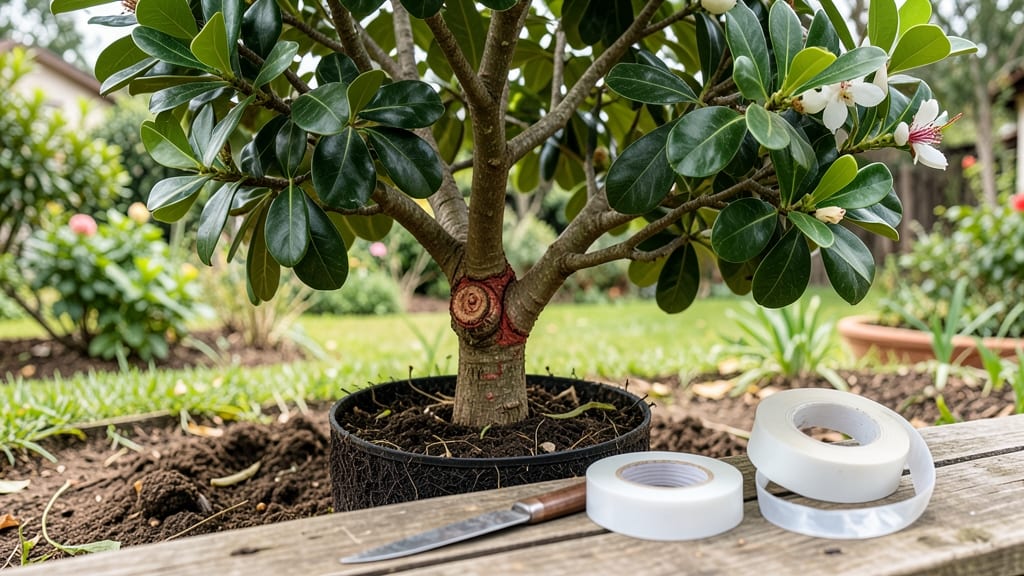
Grafting lychee fruit trees unlocks the secret to consistently sweeter fruit and stronger trees—something I learned after my first grafted sapling outproduced wild seedlings by threefold.
The right union between rootstock and scion transforms a mediocre tree into a high-yielding powerhouse, and the technique is simpler than it looks once you know the timing and tools.
My first attempt was a messy failure, but by the third try, I was getting clean unions that thrived through Florida’s humid summers.
The key lies in whip-and-tongue grafting during late winter, when the tree’s sap flows just enough to seal the cut without rotting. You’ll need sharp grafting knives, rootstocks from disease-resistant varieties, and a clear day to work—no rushing.
The process takes about 30 minutes per graft, and with the right prep, your success rate jumps from 50% to 80% or higher. I’ve even grafted onto young trees as small as 6 inches tall, and they’ve recovered beautifully.
What you’ll end up with is a lychee tree that bears fruit earlier, resists common diseases like anthracnose, and produces larger, more uniform fruit. The first harvest after grafting is often the best—my grafted trees gave me pounds of fruit where wild seedlings produced just a handful.
The trick is patience: it takes 6-12 months for the graft to fully heal, but the payoff is worth every scar on the bark.
This method works for both backyard growers and commercial orchards, though tropical climates like Zones 10-11 are ideal. If you’re in a cooler area, you’ll need to protect young grafts with frost cloth or move potted trees indoors.
The beauty of grafting is that you’re not just growing a tree—you’re engineering a fruit machine. Let’s get those knives sharp and those unions perfect.
📚 In This Guide
- What you need
- Instructions
- Tips and common mistakes
- Wrapping up and next steps
What you need
- ● Scion wood: Healthy, disease-free lychee scions (1-3 years old) with 3-5 buds per cutting. Aim for 3-5 scions per tree.
- ● Rootstock: A compatible lychee rootstock (e.g., Litchi chinensis or Litchi philippinensis) that’s 1-2 years old and ½–1 inch in diameter.
- ● Grafting knife: A sharp, sterilized budding knife or cleft grafting knife (preferably with a 15-20° angle for precision cuts).
- ● Pruning shears: Clean, sharp shears for trimming excess branches or rootstock.
- ● Grafting tape or rubber bands: 10-15 pieces of plastic grafting tape (¼-inch wide) or rubber bands (to secure the graft).
- ● Grafting wax or sealing compound: 1 small tube of tree grafting wax (to prevent drying and infection).
- ● Disinfectant: 70% isopropyl alcohol or a bleach solution (1:10 ratio) for sterilizing tools.
- ○ Pruning sealant (optional): A tree wound dressing to protect larger cuts on the rootstock.
- ● Timing: Graft in late winter to early spring (when the tree is dormant but buds are swelling). Avoid extreme heat or frost.
- ● Location: A shady, humid environment (e.g., a greenhouse or covered area) for the first 4-6 weeks post-grafting.
- ● Water source: A spray bottle or mist system to maintain humidity around grafts.
- ● Patience: Grafts typically take 4-8 weeks to heal—avoid disturbing them during this time!
- ● 💡 Sterilize everything! Dirty tools = fungal infections. Wipe down knives and surfaces between grafts.
- ● 🌡️ Temperature matters: Ideal grafting temps are 60–75°F (15–24°C). Avoid grafting in direct sunlight.
- ● 🎯 Scion size: Match the scion’s diameter to the rootstock for a snug fit—this maximizes success rates.
Step-by-Step guide to grafting lychee trees for reliable fruit production
Grafting ensures your lychee tree produces fruit faster and more reliably. Here's how to create strong, stable unions every time.
Select and Prepare Your Scion and Rootstock
Choose a healthy lychee scion—a young shoot with at least 3-4 nodes—from a productive tree. The rootstock should be a 1-2 year-old lychee seedling with a ½-inch diameter stem at the grafting point. I always select rootstocks with smooth bark and no signs of disease.
Clean both stems with a 70% isopropyl alcohol wipe to sterilize the surfaces. Use a sharp grafting knife to make a clean, slanted cut on the scion, about 2-3 inches long. The cut should expose fresh, white cambium—the growth layer just under the bark. This ensures the tissues will align perfectly when joined.
Make the Grafting Cut on the Rootstock
On the rootstock, make a matching 2-3 inch slanted cut at the same height you plan to graft. The angle should mirror the scion's cut so the surfaces fit snugly. I like to use a tongue graft for lychee—this means making a small vertical cut down the center of the rootstock's cut to create a slot.
Slide the scion into the slot so the cambium layers align perfectly. The scion should sit flush with the rootstock, with no gaps. If it wobbles, adjust the cuts slightly until it fits tightly. This precision is key—poor alignment means poor union and failed grafts.
Secure the Graft with Grafting Tape and Seal the Union
Wrap the grafted union tightly with rafting tape, starting just below the cut and extending 2-3 inches above. Overlap the tape slightly with each wrap to prevent air gaps. Leave the top ½ inch of scion exposed—this ensures the top leaves can photosynthesize while the graft heals.
Seal the entire wrapped area with grafting sealant to lock in moisture and prevent infection. I also apply a thin layer of pruning wax over the sealant for extra protection. Place the grafted tree in a shaded, humid environment (like a greenhouse or under a plastic tent) to maintain high humidity and encourage healing.
Monitor Healing and Transition to Independent Growth
Check the graft daily for the first 2 weeks, keeping the area moist but not soggy. You'll see new growth from the scion in 4-6 weeks—this is your signal the graft has taken. If the scion turns yellow or wilted, it may have failed; replace it immediately.
Once the scion has 3-4 new leaves and the union is firm, gradually expose it to more light over 10-14 days. After 8-12 weeks, remove the grafting tape and sealant. The tree is now ready for standard lychee care—water deeply, fertilize lightly, and protect from frost.
Tips & tricks for perfect lychee tree grafting
Here's what nobody tells you about creating strong, reliable lychee grafts that actually take—and why most beginners fail at Step 1.
Scion Selection is Everything: In Step 1, don't just grab any shoot—look for scions with 3-4 plump, green nodes that feel firm when pressed. I've ruined three grafts using scions with yellowing or shriveled nodes. Also, morning is the best time to collect scions since the stems are fully hydrated and more pliable. The cambium layer (that white growth layer) needs to be fresh and exposed cleanly when you make your cut.
The Tongue Graft Technique: When making your tongue graft in Step 2, remember the cambium layers must align perfectly. I learned this the hard way after seeing grafts fail because of just a tiny misalignment. Use your grafting knife to make the vertical cut in the rootstock's slot—this creates more surface area for the scion to bond with. A magnifying glass helps verify alignment if you're unsure.
Humidity is Non-Negotiable: After securing your graft in Step 3, maintaining that shaded, humid environment is critical. I've seen grafts fail spectacularly when placed in dry conditions. Use a clear plastic bag over the entire tree (not just the graft) to trap moisture. Check daily and mist with water if the air feels dry. This mimics the natural humidity scions need to heal.
Patience Pays Off: In Step 4, don't rush the 4-6 week waiting period for new growth. I've seen beginners cut off grafts too early because they didn't see immediate results. The scion needs this time to establish vascular connections with the rootstock. If you see yellowing after 3 weeks, it's too early—wait another week before deciding to replace it.
Pro Tips for Lychee Fruit Tree Grafting
- Here's what nobody tells you about creating strong, reliable lychee grafts that actually take—and why most beginners fail at Step 1.
- Scion Selection is Everything: In Step 1, don't just grab any shoot—look for scions with 3-4 plump, green nodes that feel firm when pressed.
- The Tongue Graft Technique: When making your tongue graft in Step 2, remember the cambium layers must align perfectly.
Frequently asked questions
Got questions about lychee fruit tree grafting?
You’re not alone! Here are answers to the most common concerns—from timing to troubleshooting—to help you succeed in creating a thriving, high-yielding lychee tree.
When is the best time to graft a lychee tree?
The ideal window is late winter to early spring (just before buds swell) or mid-summer (when the tree is actively growing). Avoid grafting during extreme heat, cold snaps, or when the tree is flowering. Pro tip: Morning is the best time to graft—it’s cooler, and the tree’s moisture levels are optimal for healing!
How long does it take for a lychee graft to take?
Grafts typically show signs of success in 4–8 weeks, but full union (where the scion and rootstock grow as one) can take 6–12 months. Watch for new growth from the scion, and avoid pruning until you’re sure the graft has taken. Patience is key—rushing can stress the tree!
Can I graft a lychee tree onto a different fruit tree?
While possible, it’s not recommended for lychees. The best rootstocks are Litchi chinensis (lychee) or compatible species like Nephelium lappaceum (rambutan). Grafting onto unrelated trees (like citrus or mango) often leads to poor compatibility, stunted growth, or failure. Stick to lychee rootstock for the best results!
What should I do if my graft fails to take?
If the scion doesn’t grow or dies back, check for poor fit, disease, or environmental stress. Re-graft using a healthier scion and ensure clean tools, proper sealing (with grafting tape or wax), and ideal conditions. Sometimes, the rootstock may be weak—consider propagating a new one if issues persist. Don’t give up; grafting is a skill that improves with practice!
Can I graft a lychee tree from a store-bought fruit?
No—store-bought lychees are seedless (or treated to prevent germination) and won’t grow into a viable tree. For grafting, you’ll need a live scion from a healthy lychee tree (or a nursery). If you’re starting from seed, it’ll take 5–10 years to bear fruit—grafting speeds this up dramatically!
Wrapping up and next steps
Grafting your lychee fruit tree is a game-changer—it boosts yields, ensures disease resistance, and unlocks premium varieties in just a few precise steps! 🌱 With the right tools, timing, and technique, you’re now equipped to create a thriving, high-producing orchard.
The key? Patience and practice—your first graft might not be perfect, but each attempt brings you closer to success.
Ready to take the next step? Start small—practice on a few trees before scaling up. And don’t forget to document your progress (photos help!). Soon, you’ll be harvesting juicy, sweet lychees that’ll make your neighbors green with envy. Happy grafting! 🍈✨