
Trees
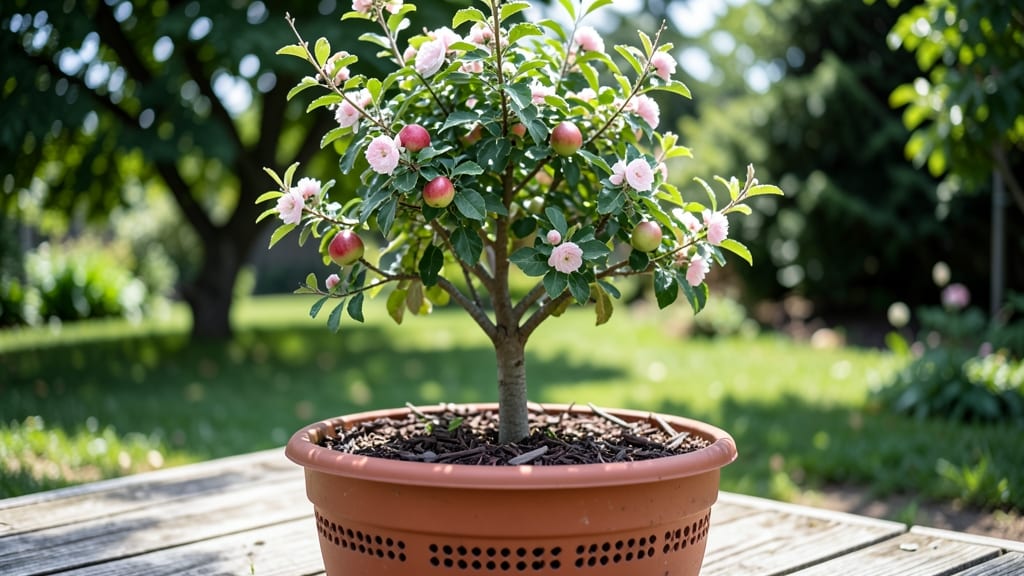
Growing apple trees in tubs proves you don’t need a backyard to enjoy homegrown fruit. 🌳 My first attempt with a dwarf 'Columnar' variety last summer yielded tiny but sweet apples—proof that container growing works.
The key? Choosing the right dwarf variety and matching it to a pot just big enough for years of growth.
You’ll need a 5-gallon minimum container (7+ gallons for full-size dwarfs) with drainage holes, lightweight soil mix, and a spot that gets 6-8 hours of sun daily. My tubs use a mix of compost, perlite, and potting soil to prevent root rot—a common pitfall.
Water deeply when the top inch feels dry, but never let them sit in soggy soil.
By late summer, you’ll see blossoms and tiny apples forming, though first-year fruit is often small. Prune in early spring to shape the tree and remove crossing branches, and fertilize lightly in spring with organic matter. With proper care, these trees produce for decades, even in containers.
Cold climates? Move pots to a sheltered spot or wrap the base in bubble wrap for winter. Root-bound trees need repotting every 2-3 years—don’t skip this step. The payoff? Fresh apples from a tree you can move to a patio table or balcony anytime.
📚 In This Guide
- What you need
- Instructions
- Tips and common mistakes
- Wrapping up and next steps
What you need
- ● Container: A large, sturdy pot or tub (minimum 18–24 inches deep and 20+ gallons for mature dwarf varieties). Ensure it has drainage holes at the bottom.
- ● Dwarf apple tree: Choose cold-hardy varieties like ‘Liberty,’ ‘Columnar,’ or ‘Suncrisp’ (available at nurseries or online).
- ● High-quality potting mix: A blend of 60% topsoil, 30% compost, and 10% perlite or sand for drainage.
- ● Slow-release fertilizer: A balanced 10-10-10 or organic option (like fish emulsion) to nourish your tree.
- ● Mulch: Organic mulch (e.g., straw or wood chips) to retain moisture and regulate soil temperature.
- ● Watering can or hose: With a gentle spray nozzle for even hydration.
- ● Pruning shears: Sharp, sterilized shears for shaping and maintaining your tree.
- ● Support stakes: 2–3 stakes (if your tree needs extra stability) and soft ties (e.g., garden twine).
- ● Self-watering system: A drip irrigation kit to automate watering.
- ● Tree collar guard: Protects the trunk from pests and moisture damage.
- ● Grow lights: If growing indoors or in low-light areas (LED grow lights work best).
- ● Pest control: Neem oil or insecticidal soap for organic pest management.
- ● Soil moisture meter: To monitor water levels without over- or under-watering.
How to grow dwarf apple trees in containers
Small spaces don't mean you have to miss out on fresh fruit—here's how to grow productive apple trees.
🪴 Step 1: Choose the Right Container and Variety
Select a 5-gallon or larger container with drainage holes—dwarf apple trees need room for roots to spread. I recommend 50-gallon tubs for better stability and moisture retention, especially in hot climates. The container must be at least 18 inches deep to accommodate the root system without crowding.
Pick a dwarf variety like 'Columnar', 'Spindle', or 'Bush' types—these stay compact (8-12 feet tall) and thrive in containers. Avoid standard varieties; their roots will outgrow any tub quickly. Check the variety's mature size on the tag—you'll want something that fits your space without requiring constant pruning.
🌱 Step 2: Prepare the Soil and Planting Mix
Fill the container with a well-draining potting mix designed for fruit trees or amend regular potting soil with 20% perlite or coarse sand. Apple trees hate soggy roots, so good drainage is critical. I mix in a slow-release fertilizer (10-10-10 ratio) at planting time to give the tree a nutrient boost without burning tender roots.
Add a 3-inch layer of gravel at the bottom of the container before soil to improve drainage further. This prevents water from pooling at the roots, which can lead to root rot. Tap the container gently after filling to settle the soil—it should feel firm but still light enough for roots to penetrate easily.
☀️ Step 3: Plant and Position for Sunlight
Dig a hole in the center of the container twice as wide as the root ball but no deeper. Gently remove the tree from its nursery pot and loosen any circling roots with your fingers. Place the tree in the hole so the graft union (the bump where the dwarf rootstock meets the scion) sits 1-2 inches above soil level—this prevents rot and ensures proper growth.
Backfill with soil and water deeply to settle everything. Position the container in a spot that gets full sun (6-8 hours daily)—apple trees need plenty of light to fruit well. If your space gets afternoon shade, choose a semi-dwarf variety that tolerates slightly less sun. Move the container gradually if it's coming from a shaded nursery area to avoid sunburn.
💧 Step 4: Water and Fertilize Consistently
Water the tree deeply every 2-3 days until the top 2 inches of soil feel dry. Container-grown trees dry out faster than in-ground plants, so check moisture daily during hot weather. Overwatering is just as harmful as underwatering—let the soil dry slightly between waterings to encourage deep root growth.
Fertilize every 4-6 weeks during the growing season with a balanced fruit tree fertilizer. I use a half-strength solution to avoid overfeeding, which can lead to weak growth and fewer fruits. Stop fertilizing in late summer to let the tree harden off for winter. Mulch the surface with 2 inches of wood chips to retain moisture and regulate soil temperature.
✂️ Step 5: Prune and Maintain for Fruit Production
Prune in late winter or early spring before new growth begins. Remove any dead, crossing, or inward-growing branches first to open the center of the tree. Then, cut back last year's growth by 1/3 to encourage fruiting spurs. I always sterilize my pruners with rubbing alcohol between cuts to prevent disease spread.
Thin fruits when they're golf-ball size to 6-8 inches apart—this ensures larger, higher-quality apples. Overcrowded fruits compete for nutrients and often stay small or develop poor flavor. Harvest when the fruit is fully colored and separates easily from the tree with a slight twist. Container-grown apples may ripen 1-2 weeks earlier than in-ground trees, so keep an eye on them!
Tips & tricks for perfect container-grown apple trees
Here's what nobody tells you about keeping your dwarf apple trees thriving in tubs—these little tricks make all the difference.
Container Size Matters: While the instructions mention 5-gallon minimum containers, I've found that 50-gallon tubs are worth the investment for better moisture retention, especially in hot climates. The extra volume prevents roots from circling too tightly, which can stunt growth. If you're limited on space, choose a wide, shallow container rather than a tall, narrow one—this encourages outward root growth rather than downward pressure.
Sunlight Strategy: The 6-8 hours of full sun requirement is non-negotiable, but here's the secret: position your container on a rolling plant stand so you can rotate it every few weeks. This ensures even sunlight exposure all around the tree, preventing lopsided growth. If you notice leaves yellowing on one side, that's your cue to rotate immediately.
Watering Wisdom: When checking the top 2 inches of soil for dryness, I always use my finger to test deeper—3-4 inches down. Container-grown trees dry out unevenly, and surface moisture can be misleading. Water until you see it running out the drainage holes, then let it drain completely. This prevents the dreaded root rot that so many container gardeners face.
Fertilizer Timing: The 4-6 week fertilization schedule works, but here's my pro move: switch to a low-nitrogen fertilizer in late summer to encourage fruiting rather than leafy growth. I also apply a compost tea spray every 2 weeks during fruiting season—it boosts flavor and color without overloading the tree with salts.
Pro Tips for Apple Trees In Tubs
- Here's what nobody tells you about keeping your dwarf apple trees thriving in tubs—these little tricks make all the difference.
- Container Size Matters: While the instructions mention 5-gallon minimum containers, I've found that 50-gallon tubs are worth the investment for better moisture retention, especially in hot climates.
- Sunlight Strategy: The 6-8 hours of full sun requirement is non-negotiable, but here's the secret: position your container on a rolling plant stand so you can rotate it every few weeks.
Frequently asked questions
Got questions about growing apple trees in tubs? You’re not alone! Here are some of the most common queries—and straightforward answers—to help you get started with confidence.
What are the best dwarf apple tree varieties for containers?
Opt for compact, cold-hardy varieties like ‘Liberty,’ ‘Columnar,’ or ‘Columnar Red Delicious.’ These stay small (6–10 ft tall), produce abundant fruit, and adapt well to tubs. Just ensure they’re self-pollinating or plant two compatible varieties nearby for cross-pollination.
Can apple trees in tubs survive winter?
Yes, but with care! Use insulated pots (like those with thick walls or wrapped in burlap) and move them to a sheltered spot before freezing temps hit. Mulch the root zone with straw or leaves, and avoid overwatering. Dwarf varieties are hardier than you’d think—just protect them like you would a tender potted plant.
How often should I water an apple tree in a tub?
Water deeply once a week (or more in hot weather), ensuring the soil stays moist but not soggy. Tubs dry out faster than ground soil, so check the top inch—if it’s dry, it’s time to water. Drainage holes are a must to prevent root rot. Pro tip: Use a moisture meter for accuracy!
How big should the container be for a dwarf apple tree?
Aim for at least 15–20 gallons (18–24 inches in diameter) for mature dwarf trees. Larger pots (like 25+ gallons) give roots more room to grow, but avoid oversizing—too much empty space leads to soggy soil. Columnar varieties can thrive in narrower pots (12–15 inches wide).
What pests or diseases should I watch for in potted apple trees?
Keep an eye out for aphids, spider mites, and fire blight (a bacterial infection). Prune affected branches immediately, and spray with neem oil or insecticidal soap as needed. Ensure good airflow by spacing trees properly, and avoid overhead watering to reduce fungal risks.
Can I grow an apple tree in a tub indoors?
Not ideal! Apple trees need 6+ hours of sunlight daily and seasonal dormancy. While you can overwinter them indoors near a bright window, they’ll struggle to fruit without outdoor conditions. A sunny patio or balcony is your best bet for year-round growth.
Wrapping up and next steps
Growing apple trees in tubs isn’t just possible—it’s a rewarding way to enjoy fresh fruit even in limited spaces! With the right dwarf varieties, proper care, and a little creativity, you can turn balconies, patios, or even small yards into a mini orchard. 🍏✨
Now that you’re equipped with the materials, tips, and answers to common questions, it’s time to roll up your sleeves and plant that tree. Start small, stay consistent with your care routine, and soon you’ll be harvesting homegrown apples—one delicious bite at a time. Happy gardening!