
Container Gardens
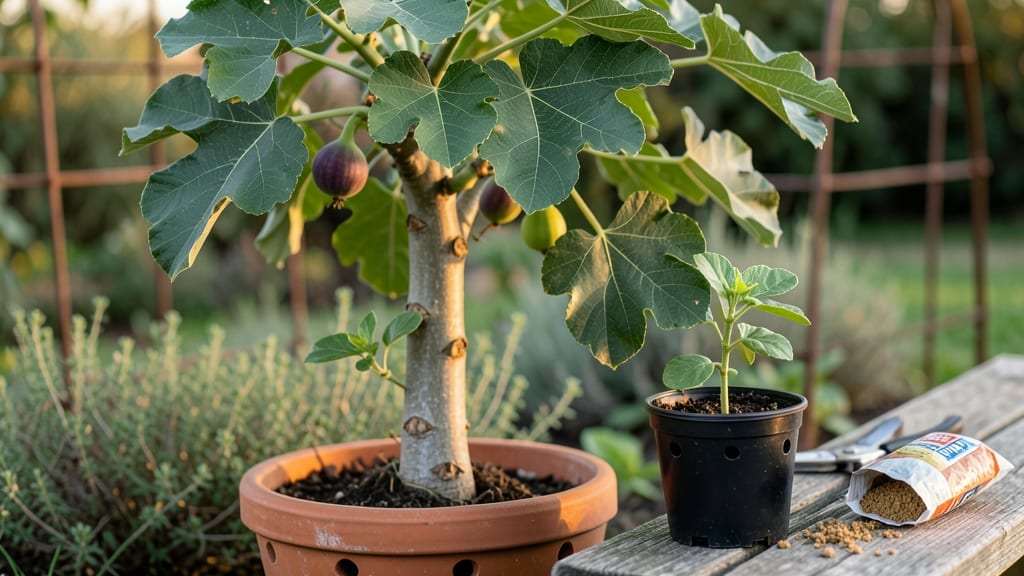
Growing a fig tree in a pot lets you enjoy sun-ripened fruit even on a tiny balcony or patio. 🌿 I’ve watched my own container-grown figs go from scraggly saplings to heavy-fruiting trees in just three seasons—and the secret isn’t fancy equipment, but matching the plant’s Mediterranean roots to your microclimate.
Figs thrive when you mimic their natural habitat: hot sun, fast-draining soil, and a pot big enough to hold roots without drowning them.
The right setup starts with a 15- to 20-gallon container (figs hate root-bound stress) and a mix of 60% potting soil, 30% perlite, and 10% compost—no heavy garden dirt. Water only when the top inch feels bone-dry, then soak until it drains freely.
Overwatering is the #1 killer, but once you hit the rhythm, your fig will reward you with sweet, sun-warmed fruit by mid-summer.
Here’s the magic: figs reward patience. Prune back leggy branches in early spring to encourage bushier growth, and move the pot to a south-facing spot for at least 6 hours of direct sun daily.
In winter, protect tender varieties with a lightweight frost cloth—no heating pad needed. By year two, you’ll harvest dozens of figs that taste richer than anything from the grocery store.
Even urban balconies can grow figs—just watch for root circling (repot every 2-3 years) and aphids (spray with soapy water). The payoff? A tree that fits your space but delivers restaurant-quality fruit without the fuss of a full garden. Ready to grow one?
📚 In This Guide
- What you need
- Instructions
- Tips and common mistakes
- Wrapping up and next steps
What you need
- ● Fig tree: Choose a dwarf variety (e.g., Ficus carica 'Little Miss Figgy' or 'Celeste') for pots. Buy a 1-3 gallon container-grown sapling from a nursery.
- ● Pot: A 5-gallon or larger container with drainage holes (minimum 18" diameter for mature trees). Terracotta or fabric pots work best.
- ● Well-draining potting mix: 1 part cactus/succulent mix + 1 part perlite/pumice (avoid garden soil—it compacts!).
- ● Drainage layer: 2–3 inches of gravel or broken pottery shards at the pot’s bottom.
- ● Watering can or hose with a gentle spray nozzle.
- ○ Balanced fertilizer (optional but helpful): 5-10-5 or 7-9-5 NPK ratio (use sparingly—figs are sensitive to excess nitrogen).
- ● Gloves (fig sap can irritate skin).
- ● Pruning shears (for shaping and harvesting).
- ○ Mulch (optional): 2–3 inches of straw or wood chips to retain moisture (keep 1–2 inches away from the trunk).
- ○ Support stake or trellis (optional): For varieties that grow tall (e.g., 'Brown Turkey').
- ○ pH test kit (optional): Fig trees prefer 6.0–7.0 pH—adjust soil if needed.
Step-by-step instructions for cultivating a potted fig tree
Here’s how to grow a thriving fig tree in containers—no yard needed.
🪴 Step 1: Choose the Right Container and Soil Mix
Fig trees need room to grow, so select a 5-gallon pot or larger with drainage holes—figs despise soggy roots. I use unglazed terra cotta for its breathability, but any sturdy container works. Fill the bottom 2 inches with gravel or broken pottery shards to prevent clogging.
For soil, blend equal parts potting mix, perlite, and compost—this ensures fast drainage while retaining moisture. Figs prefer slightly acidic to neutral soil (pH 6.0-7.0). Skip garden soil; it compacts and suffocates roots. Tap the pot gently after filling to eliminate air pockets.
☀️ Step 2: Select and Plant Your Fig Tree
Choose a dwarf variety like ‘Little Miss Figgy’ or ‘Desert King’ for containers. Remove the tree from its nursery pot and loosen the roots if they’re circling—this encourages outward growth. Place the root ball in the center of your pot, then backfill with the soil mix, pressing lightly to eliminate gaps.
Water deeply until it drains from the bottom. Figs need full sun (6+ hours daily), so position your pot in the brightest spot—south-facing windows or balconies work best. If indoors, supplement with a grow light 12 inches above for 14 hours daily. Avoid drafts; figs hate sudden temperature swings.
💧 Step 3: Water and Feed for Consistent Growth
Figs are drought-tolerant but not desert plants—water when the top 2 inches of soil feel dry. Stick your finger in; if it’s bone-dry, it’s time. Overwatering causes root rot, so always drain excess from the saucer. In summer, you might water every 2-3 days; in winter, once a week is enough.
Feed monthly with a balanced 10-10-10 fertilizer (diluted to half-strength) from spring to fall. Figs reward heavy feeders with faster growth and fruit. Stop fertilizing in late summer to encourage fruiting. Prune sparingly—just remove dead wood or overcrowded branches in early spring before new growth starts.
✂️ Step 4: Prune and Protect for Year-Round Success
Figs grow fast, so prune once a year in late winter to shape the tree and remove crossing branches. Use clean, sharp shears to avoid tearing bark. Figs fruit on new wood, so avoid heavy pruning—just lightly trim to maintain an open canopy. This keeps air circulating and prevents disease.
Watch for aphids or spider mites—wipe leaves with soapy water if you spot them. In cold climates, move pots indoors before temperatures drop below 20°F. Figs are tender perennials; a frost will kill them. If you must leave them outside, cover with burlap during freezes. With care, your potted fig can live decades and produce fruit year after year.
Tips & tricks for perfect potted fig trees
Here's what nobody tells you about keeping your container-grown fig thriving for years.
Container Size Matters: That 5-gallon minimum isn't just a suggestion—fig roots spread aggressively. If you're growing a standard variety (not dwarf), upgrade to a 15-gallon pot by year two. I've seen roots escape through drainage holes in smaller containers within months. The extra space also means you can water less frequently, which figs actually prefer once established.
Lighting Hack for Indoor Growers: The 14-hour daily light requirement is non-negotiable, but you don't need expensive grow lights. Place your fig near a south-facing window during the day, then move it under a standard LED bulb (10,000 lumens) for 2 hours in the evening. This mimics natural sunlight cycles while preventing leggy growth. I've had success with smart bulbs that automatically turn on/off based on daylight sensors.
Winter Care Strategy: When temperatures drop below 20°F, move your fig indoors—but don't rush to heat sources. Place it in a cool room (50-60°F) with good light. Figs go semi-dormant in winter, so reduce watering to once every 10-14 days. This dormancy period actually helps them produce more fruit the following season. I've seen figs skip fruiting entirely when kept too warm during winter months.
Soil pH Secret: While the ideal range is 6.0-7.0, I've found that figs actually perform best at the slightly acidic end (around 6.2-6.5) for maximum nutrient uptake. Test your soil mix before planting—most potting mixes are neutral. If yours tests higher, add a handful of peat moss to each gallon of mix. This small adjustment makes a noticeable difference in growth vigor and fruit production.
Pro Tips for Grow A Fig Tree In A Pot
- Here's what nobody tells you about keeping your container-grown fig thriving for years.
- Container Size Matters: That 5-gallon minimum isn't just a suggestion—fig roots spread aggressively.
- Lighting Hack for Indoor Growers: The 14-hour daily light requirement is non-negotiable, but you don't need expensive grow lights.
Frequently asked questions
Got questions about growing figs in containers? You’re not alone! Here are answers to the most common queries—so you can confidently cultivate your sun-loving fig tree without a hitch.
What’s the best temperature range for potted fig trees?
Fig trees thrive in warmth, ideally between 70–90°F (21–32°C) during the day. They’re sensitive to frost—below 20°F (-7°C) can kill them. In cooler climates, move pots indoors or to a sheltered spot when temps drop. Pro tip: Use a thermometer to monitor soil temps—figs prefer consistent warmth!
Can I grow a fig tree in a small pot, or do I need a large container?
While figs love room to spread, they adapt to 5-gallon pots (18+ inches deep) for dwarf varieties like ‘Little Miss Figgy.’ Larger pots (10+ gallons) suit standard types. Key rule: Ensure drainage holes and upgrade pot size every 2–3 years. Warning: Root-bound trees produce fewer fruits—prune roots if crowded!
How long does it take for a potted fig tree to bear fruit?
Patience is key! Dwarf varieties may fruit in 2–3 years, while standard figs take 3–5 years in pots. Accelerate fruiting by:
- Using well-draining soil (like cactus mix)
- Fertilizing with citrus/fig-specific feed in spring
- Providing 6+ hours of sunlight daily
Why are my fig tree’s leaves turning yellow or dropping?
Yellow leaves often signal overwatering or nutrient deficiency. Check these fixes:
Issue
Solution
Overwatering
Let soil dry 2–3 inches deep between waterings; ensure pots drain well.
Underwatering
Water deeply until it runs from drainage holes; mulch to retain moisture.
Nutrient deficiency
Fertilize with balanced 10-10-10 or fig fertilizer every 4–6 weeks in growing season.
Pests (aphids, spider mites)
Spray with neem oil or insecticidal soap; isolate the plant.
Can I grow a fig tree indoors year-round?
Yes, but with careful conditions! Place near a south-facing window (or use grow lights for 12+ hours/day). Keep humidity high (mist leaves or use a pebble tray) and maintain 65–75°F (18–24°C) temps. Caution: Indoor figs may fruit less without outdoor pollination—hand-pollinate with a soft brush if needed!
Wrapping up and next steps
Growing a fig tree in a pot is a rewarding journey that brings sweet rewards—literally! 🌱 With the right container, sunlight, and care, you’ll enjoy fresh figs even in small spaces. Remember to prune regularly, fertilize wisely, and stay patient; these sun-loving trees thrive with love and attention.
Ready to take the next step? Start with just one plant—watch it flourish, and soon you might be sharing homemade fig jam or fresh fruit with neighbors. Happy gardening! 🍇✨