
Trees
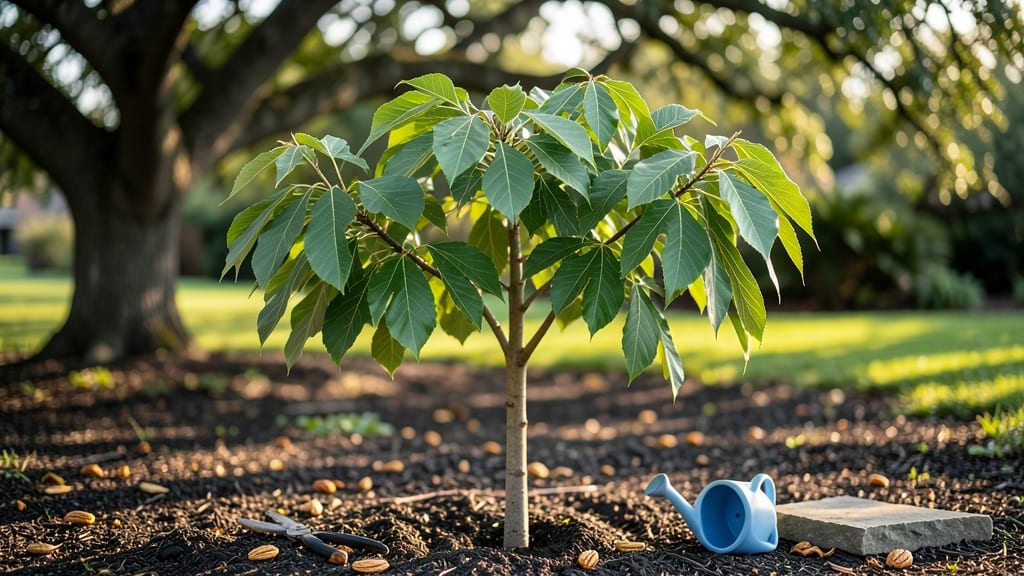
Those first delicate leaves on your young pecan tree aren’t just pretty—they’re packed with potential for homemade tea, crafts, and even pest-repelling sprays. 🌿 But before you harvest, you’ll want to know how to keep them vibrant and healthy, because yellowing, browning, or pests can turn your harvest into heartache.
Healthy leaves start with the right care: consistent watering, proper spacing for airflow, and a watchful eye for early signs of trouble.
Aphids, spider mites, or fungal spots like pecan scab can ruin your harvest if left unchecked—but with organic sprays, neem oil, or simple pruning, you can protect those leaves and keep them thriving.
📚 In This Guide
- What you need
- Instructions
- Tips and common mistakes
- Wrapping up and next steps
What you need
- ● Young pecan tree leaves: Harvest only from healthy, pesticide-free trees (avoid roadside trees). Aim for 1–2 cups fresh leaves per batch.
- ● Pruning shears or sharp scissors: Sterilized tools to avoid damaging the tree or spreading disease.
- ● Glove: One pair of gardening gloves (nitrile or cotton) to protect your hands from sap and thorns.
- ● Large bowl or basket: For collecting leaves (preferably stainless steel or food-grade material if using for tea).
- ● Paper towels or clean cloth: To pat leaves dry before processing.
- ● Dehydrator or oven: For drying leaves (if using an oven, set to 175°F (80°C) or lower).
- ● Air-tight containers: Glass jars with lids (quart-sized) for storage.
- ● Labeling supplies: Masking tape + marker (to label jars with date/harvest notes).
- ○ Optional for tea: Fine-mesh strainer or tea infuser.
- ● Loose-leaf tea bags or muslin sacks.
- ○ Optional for crafts: Clear drying frames or flower press.
- ● Hairspray or Mod Podge (for preserving leaves in crafts).
- ● Scissors (for trimming leaves to size).
- ● Tree identification: Double-check it’s a pecan tree (avoid toxic lookalikes like black walnut).
- ● Timing: Harvest leaves in spring or early summer (before they harden).
- ● Weather: Choose a dry, sunny day to minimize mold risk.
- ● Allergies: Wear gloves if sensitive to plant sap or pollen.
Step-by-step guide for harvesting and preserving young pecan tree leaves
Here's how to gather and store those tender leaves for tea blends or craft projects.
🌿 Step 1: Identify and Harvest the Right Leaves
Focus on young, unfurled leaves from the current season's growth—they're the most tender and flavorful. Look for leaves that are light green and 3-5 inches long, still soft to the touch. Avoid older, tougher leaves or those with brown edges, as they'll taste bitter and be harder to dry.
Harvest on a dry morning after dew has evaporated but before the midday heat sets in. Use clean, sharp scissors or pruning shears to snip leaves just above a leaf node. This encourages new growth and keeps your tree healthy. I like to gather 2-3 leaves per branch to avoid over-stressing the tree—more than that can slow its growth.
✂️ Step 2: Clean and Prepare Leaves for Drying
Rinse the leaves thoroughly under cool water to remove dirt, insects, or sap. Shake off excess water and pat them dry with a clean kitchen towel or paper towels. Any moisture left on the leaves will slow drying and create a breeding ground for mold. Spread the leaves out on a clean, dry surface like a baking sheet or mesh screen.
Here's the thing—don't skip the drying step. Fresh pecan leaves won't keep well and can spoil quickly. You'll know they're ready when they're dry to the touch and crisp, which usually takes 2-4 days depending on humidity. For faster drying, place the leaves in a dry, well-ventilated area with indirect sunlight. Direct sun can bleach the leaves and degrade their flavor.
☀️ Step 3: Dry Leaves Properly for Long-Term Storage
Once the leaves are thoroughly dry, store them in an airtight container like a glass jar or resealable bag. Keep the container in a cool, dark place away from direct sunlight or heat sources. Properly dried leaves can last for 6-12 months if stored correctly. I like to label my jars with the date and the type of leaves to keep track of freshness.
For tea blends, crush the dried leaves lightly with a mortar and pestle or rolling pin to release their oils and enhance flavor. This step also makes them easier to steep. If you're using the leaves for crafts, leave them whole or cut them into shapes with clean scissors. The key is to handle them gently to avoid breaking them into tiny pieces that can be difficult to work with.
💧 Step 4: Use or Store Your Preserved Leaves
For tea, steep 1 tablespoon of dried leaves per cup of hot water for 5-10 minutes. The longer you steep, the stronger the flavor—but don't over-steep, or the tea can turn bitter. Strain the leaves and enjoy your tea, or use the infused water in recipes like syrups or cocktails. I've found that pecan leaves make a wonderful addition to herbal blends, especially when combined with mint or chamomile.
For crafts, use your dried leaves to create wreaths, potpourri, or even natural dyes. To make a simple wreath, arrange the leaves around a wire or foam base and secure them with floral wire or hot glue. If you're making potpourri, mix the leaves with other dried botanicals like lavender or rosemary for a fragrant blend. Real talk: Pecan leaves hold their shape surprisingly well, making them a great natural element for DIY projects.
Tips & tricks for perfect young pecan tree leaves
Here's what nobody tells you about getting the most out of your pecan harvest.
Selection Tip: Those 3-5 inch light green leaves are your goldmine, but here's the thing—you want them slightly younger than you might think. Look for leaves that still have that velvety texture and haven't started developing the characteristic pecan tree veins. The younger they are, the more tender and aromatic they'll be for both tea and crafts. I've found that leaves harvested when they're about 2-3 inches long actually dry faster and hold their shape better for wreaths.
Harvest Timing Secret: The dry morning window is crucial, but don't overlook the weather conditions. After a light rain the night before, leaves tend to be even more tender and flavorful. That said, avoid harvesting after heavy rain when leaves may be waterlogged. I've learned this the hard way—waterlogged leaves take forever to dry properly and can develop mold. If you must harvest after rain, spread them out immediately and check for moisture every few hours during drying.
Drying Strategy: While the 2-4 day drying time works, I've found a little trick that cuts that down significantly. Place a small fan near your drying surface (about 6 inches away) on low setting. This creates gentle airflow that speeds up evaporation without damaging the delicate leaves. Just be careful not to blow directly on them—you want to dry them out, not crisp them up too quickly. I've had batches ready in as little as 12-18 hours using this method in dry climates.
Storage Wisdom: For tea lovers, here's a pro move: once your leaves are completely dry, crush them slightly and store them in a small glass jar with a piece of whole clove or cinnamon stick. This adds subtle warmth to the tea flavor without overpowering the natural pecan notes. For craft projects, I recommend storing leaves in separate containers by size—larger leaves work beautifully for wreaths while smaller ones are perfect for potpourri blends.
Pro Tips for Young Pecan Tree Leaves
- Here's what nobody tells you about getting the most out of your pecan harvest.
- Selection Tip: Those 3-5 inch light green leaves are your goldmine, but here's the thing—you want them slightly younger than you might think.
- Harvest Timing Secret: The dry morning window is crucial, but don't overlook the weather conditions.
Frequently asked questions
Got questions about harvesting and preserving young pecan tree leaves? You’re not alone! Here are some of the most common concerns—and straightforward answers—to help you get started with confidence.
When is the best time to harvest young pecan tree leaves?
Harvest leaves in early spring (March–April) when they’re tender, bright green, and just unfurling. Avoid mature leaves—they’re tougher and less flavorful. Late spring or summer leaves may also work, but they’ll be more bitter. Pro tip: Morning harvests yield the freshest, most aromatic leaves!
Can I use pecan tree leaves if my tree is young or small?
Yes! Even young trees (3+ years old) produce usable leaves, though yields will be smaller. Focus on new growth near the tips of branches. Avoid over-harvesting—never take more than 20–30% of the foliage to keep your tree healthy. Small trees are perfect for personal tea batches or craft projects!
Are there any risks or side effects of consuming pecan leaves?
Pecan leaves are generally safe in moderation, but some people may experience mild allergic reactions (e.g., itching or stomach upset). Start with small amounts (1 tsp dried leaves per cup of water) to test tolerance. Avoid if you’re allergic to Carya species (like hickory). Pregnant women or those with medical conditions should consult a doctor first.
How do I store dried pecan leaves for long-term use?
Store dried leaves in airtight containers (glass jars or resealable bags) in a cool, dark place (like a pantry). They’ll keep for 6–12 months if moisture-free. For extra freshness, add a silica gel packet or a bay leaf to absorb humidity. Label containers with the harvest date!
What are some creative uses for pecan leaves beyond tea?
Beyond tea, pecan leaves shine in crafts! Try:
- Natural dyes: Steep leaves in hot water for golden-brown fabric or paper hues.
- Potpourri: Dry and mix with citrus peels for a woodsy, aromatic blend.
- Wreaths: Press leaves for rustic holiday decorations.
- Compost: Shred dried leaves to enrich garden soil.
Wrapping up and next steps
Young pecan tree leaves are a hidden gem—packed with potential for soothing tea blends, creative crafts, or even natural dyes. Whether you’re brewing a calming cup of herbal tea or crafting unique projects, these leaves offer a sustainable and rewarding resource right from your backyard. 🌿
Ready to dive in? Start small: pick a sunny day to harvest, experiment with a few batches of tea, and let your creativity grow! Share your favorite pecan leaf creations with fellow gardeners—your journey could inspire others to explore nature’s bounty.
Next step: Grab your gloves, head outdoors, and let the adventure begin! 🌱