Pruning
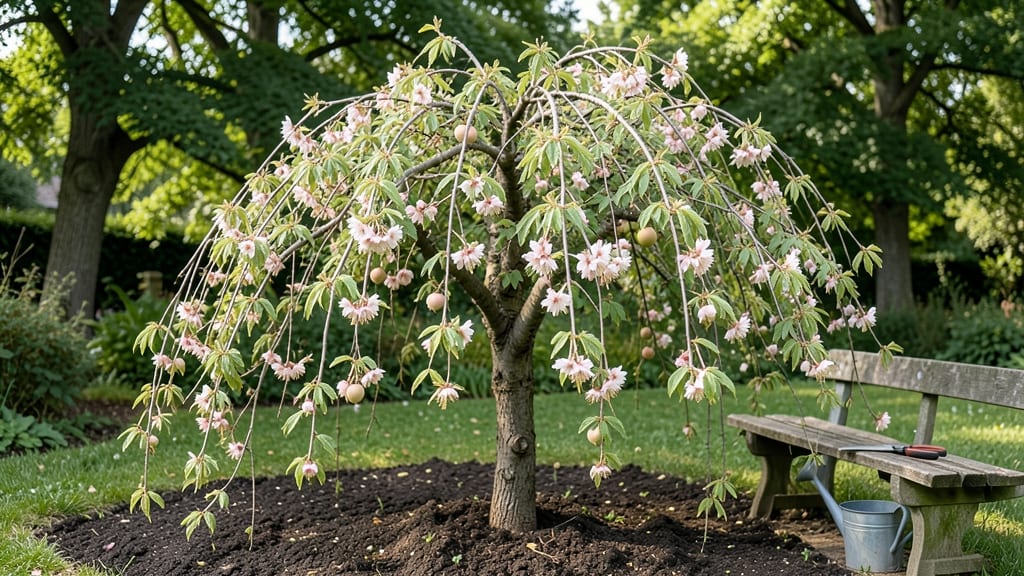
Transforming your weeping peach tree into a year-round blooming beauty starts with the right pruning approach—one that balances shape, health, and fruit production. I’ve spent years watching these graceful trees go from bare branches to cascading blossoms, and the difference comes down to timing, technique, and a little patience.
The key isn’t just cutting back; it’s understanding how each cut encourages new growth while keeping the tree’s signature weeping form intact.
You’ll need sharp pruning shears, a ladder (for higher branches), and a clear day to avoid spreading disease. Prune in late winter or early spring before buds break, removing dead, crossing, or weak branches first.
Then shape the tree by thinning out crowded areas—aim for an open center that lets sunlight reach all branches. This isn’t just about aesthetics; it’s about ensuring every bloom gets the light it needs to thrive.
With the right cuts, you’ll see vibrant new growth by late spring, followed by clusters of fragrant blossoms that last well into summer.
The tree’s natural weeping habit means fruit (if your cultivar produces) hangs where you can easily reach it, and the open structure reduces pests and diseases that love tight, shaded branches. Think of pruning as a conversation with your tree—listen to how it responds, and adjust next year’s cuts accordingly.
Whether you’re dealing with leggy branches, sparse blooms, or just want to refresh the tree’s shape, these techniques work for weeping peaches in USDA Zones 5-9. For container-grown trees, prune slightly more aggressively to encourage bushier growth. Let’s get those branches looking intentional—and blooming like crazy.
📚 In This Guide
- What you need
- Instructions
- Tips and common mistakes
- Wrapping up and next steps
What you need
- ● Pruning shears – Bypass pruners (sharp, clean, and disinfected with rubbing alcohol or bleach solution) for cuts under ½ inch in diameter.
- ● Loppers – For thicker branches (½ to 1½ inches thick). Look for ratcheting or bypass-style for precision.
- ● Pruning saw – A bow saw or folding pruning saw for branches over 1½ inches in diameter. Carbon steel blades hold up best to sap and rust.
- ● Gloves – Heavy-duty, cut-resistant gloves (like mechanics’ gloves) to protect from thorns and sap.
- ● Disinfectant – 70% isopropyl alcohol or a 10% bleach solution (1 part bleach to 9 parts water) to sterilize tools between cuts.
- ○ Sealing wax or pruning sealant – Optional but helpful for larger cuts (over ½ inch) to prevent disease entry. Choose a natural, bee-friendly option if possible.
- ● Ladder or step stool – A stable, extendable ladder (or a foldable garden stool for smaller trees). Never stand on wobbly surfaces!
- ● Trash bags or bucket – For collecting pruned branches and debris. A 5-gallon bucket with a lid works great for smaller jobs.
- ● Sharpie or permanent marker – To mark branches for removal (if planning ahead).
- ● Safety glasses – Protect your eyes from flying debris, especially when using a saw.
- ● Long sleeves & pants – Wear lightweight, breathable fabric to guard against thorns and sap irritation.
- ● Work boots or closed-toe shoes – Avoid sandals or flip-flops—no room for accidents!
- ○ Tree wound dressing – Optional for large cuts (like Tanglefoot Tree Wound Pruning Sealer). Use sparingly—overuse can trap moisture.
- ● Notebook & pen – To jot down notes on cuts made, branch angles, or future pruning plans.
- ● Hose or spray bottle – For rinsing tools and cleaning sap off branches post-pruning.
Strategic pruning techniques for reviving a weeping peach tree
Reviving a weeping peach tree's bloom potential requires precision and timing—here's how to restore its health without sacrificing its graceful form.
Assess the Tree's Structural Health in Late Winter
Begin by examining the tree between mid-February and early March, when it's still dormant but before buds swell. Look for dead, crossing, or diseased branches—these are your first targets. I always start by removing any branches that rub against each other, as these create wounds that invite fungal infections. Use clean, sharp pruning shears to make cuts just outside the branch collar, where the branch meets the trunk.
Next, identify water sprouts—those vigorous, upright shoots growing from the trunk or larger branches. These saplings steal energy from flowering wood. Snip them off at their base without leaving stubs. For branches thicker than ½ inch, use a pruning saw instead of shears to avoid tearing the bark. Remember, never remove more than 25% of the tree's canopy in one season—this prevents shock and ensures the tree can rebound.
Here's the thing—weeping peach trees rely on old wood for blooms, so avoid heavy pruning of mature branches. Instead, focus on lightening the canopy by thinning out crowded areas. This improves air circulation, reducing the risk of peach leaf curl and other diseases that plague these trees.
Shape the Tree for Optimal Bloom Exposure
After removing dead and diseased wood, shift your focus to opening the tree's center to allow sunlight to penetrate. Weeping peach trees often develop dense canopies that block light from reaching the lower branches, which stunts flower production. Start by selecting 3-5 strong, outward-growing branches as your primary scaffold. These will form the tree's structural framework.
Prune back any branches that grow inward or downward, cutting them back to a side bud or lateral branch that faces outward. This creates an open, vase-like shape that encourages sunlight to reach all parts of the tree. For the weeping branches themselves, avoid heavy pruning—their grace comes from their natural droop, but you can shorten them by up to one-third if they've become overly leggy or crowded.
I like to step back every few cuts to visualize the tree's shape. The goal is a balance between maintaining its weeping habit and ensuring every branch gets adequate light. If you're unsure about a cut, err on the side of caution—you can always prune more later, but you can't undo a mistake that removes too much wood.
Encourage New Growth with Strategic Summer Pruning
Once the tree has finished blooming and fruiting, typically in late June or early July, perform a second round of pruning to stimulate new growth. This is when you remove any suckers that emerge from the base or graft union, as well as any weak, spindly branches that failed to set fruit. Use your shears to cut these back to a healthy bud or lateral branch.
For branches that produced fruit but are now overcrowded, make heading cuts just above a leaf bud that points in the direction you want the branch to grow. This encourages the tree to produce new shoots that will bear flowers next season. Avoid pruning in late summer or fall, as this can stimulate new growth that won't harden off before winter, making the tree more susceptible to cold damage.
Real talk: This is where many gardeners go wrong. They prune too late in the season, thinking it will give the tree a "boost" before winter. But new growth is tender and won't survive freezing temperatures. Stick to late winter and early summer pruning, and your tree will thank you with a spectacular bloom next spring.
Maintain Year-Round Care for Continuous Blooms
After pruning, shift your focus to ongoing maintenance that keeps the tree healthy and flowering. Start by applying a 2-3 inch layer of mulch around the base of the tree, keeping it 6 inches away from the trunk to prevent rot. This retains moisture and regulates soil temperature, which is critical for root health. Water deeply once a week during dry spells, ensuring the soil stays moist but not waterlogged.
Fertilize in early spring with a balanced 10-10-10 fertilizer, spreading it evenly under the tree's drip line. Avoid high-nitrogen fertilizers, which promote leafy growth at the expense of flowers. Instead, opt for a low-nitrogen, high-phosphorus blend to encourage blooming. Monitor the tree throughout the growing season for signs of pests like aphids or peach tree borers, treating them promptly with horticultural oil or insecticidal soap.
Here's the moment that matters: If your tree fails to bloom the following spring, revisit your pruning strategy. Over-pruning in previous years could have removed too much old wood, which is where peach trees produce their flowers. In this case, scale back on pruning in the current year and focus on light maintenance pruning to allow the tree to recover.
Tips & tricks for perfect weeping peach tree pruning
Precision timing and careful technique make all the difference when restoring a weeping peach tree's natural beauty and bloom potential.
Timing Secret: In Step 1, when pruning between mid-February and early March, check the weather forecast. Avoid pruning if freezing temperatures are predicted within 48 hours—open wounds are vulnerable to cold damage. I always wait for a stretch of mild weather (above 40°F) to ensure the tree can heal properly. This timing window also helps prevent late-season growth that won't harden off before winter.
Branch Selection Strategy: During Step 2's canopy opening, focus on removing branches that grow at angles less than 45 degrees from vertical. These typically grow inward and create dense shading. Look for branches that form a natural vase shape—these are your tree's structural framework. For the weeping branches themselves, never cut more than one-third of their length, even if they appear leggy. The graceful droop comes from their natural growth pattern, and aggressive pruning can eliminate next year's blooms.
Summer Pruning Insight: In Step 3's late June/early July pruning, pay special attention to the tree's growth patterns. If you notice excessive sucker growth at the base, this indicates the tree is trying to compensate for previous pruning stress. In these cases, reduce your pruning by 50% in subsequent years to allow the tree to recover its natural bloom cycle. The goal is to stimulate new growth without overstressing the tree before winter.
Equipment Upgrade: Invest in a pair of high-quality bypass pruners for clean cuts on branches up to ½ inch thick. The sharp, scissor-like blades create smoother cuts that heal faster than the jagged cuts from anvil pruners. For thicker branches, use a folding pruning saw with a fine-tooth blade—this prevents bark tearing that can introduce diseases. Always sterilize your tools between cuts with rubbing alcohol to prevent spreading fungal spores.
Pro Tips for Weeping Peach Tree
- Precision timing and careful technique make all the difference when restoring a weeping peach tree's natural beauty and bloom potential.
- Timing Secret: In Step 1, when pruning between mid-February and early March, check the weather forecast.
- Branch Selection Strategy: During Step 2's canopy opening, focus on removing branches that grow at angles less than 45 degrees from vertical.
Frequently asked questions
Got questions about nurturing your weeping peach tree to keep it blooming beautifully? Here are some common concerns—and expert answers—to help you prune with confidence!
When is the best time to prune a weeping peach tree for maximum blooms?
The ideal window is late winter to early spring (just before buds swell) or right after harvest in summer. Avoid pruning in fall—it can stimulate new growth that’s vulnerable to frost. For container-grown trees, prune lightly in spring and again after flowering to maintain shape.
How do I prune a weeping peach tree without killing it?
Start by removing dead, diseased, or crossing branches first. Use clean, sharp pruners to make cuts at a 45-degree angle just above a bud. Never remove more than 25% of the canopy in one session—over-pruning stresses the tree. Thin out dense areas to improve airflow and sunlight penetration.
Can I prune a weeping peach tree in summer?
Yes, but lightly! Summer pruning (after harvest) helps control size and shape, but avoid heavy cuts—it can reduce next year’s blooms. Focus on removing suckers, water sprouts, and overcrowded branches. Always sterilize tools between cuts to prevent bacterial spread.
What if my weeping peach tree isn’t blooming after pruning?
Several factors could be at play: lack of sunlight (6+ hours daily), over-fertilizing with nitrogen (promotes leaves, not flowers), or dormant season stress. Try balanced fertilizer (10-10-10) in early spring, ensure proper watering, and check for pests like aphids or peach tree borers.
Are there alternatives to pruning for encouraging blooms?
While pruning is key, you can also: thin fruit (removing excess peaches reduces stress on the tree), apply bloom-promoting sprays (like calcium nitrate), and mulch around the base to retain moisture and regulate soil temp. However, pruning remains the most effective way to revitalize structure and encourage year-round blooms.
Wrapping up and next steps
The weeping peach tree is a stunning addition to any garden, and with the right pruning techniques, you can ensure it thrives with vibrant blooms year after year.
By understanding its growth habits, timing your cuts, and using the proper tools, you’re not just maintaining its beauty—you’re nurturing its health and longevity. 🌸
Now that you’re armed with knowledge, take that first step: grab your pruners and schedule your next pruning session—whether it’s to shape, rejuvenate, or encourage new growth. Your tree (and your garden!) will thank you for the love and care. Happy pruning! ✂️