
Pruning
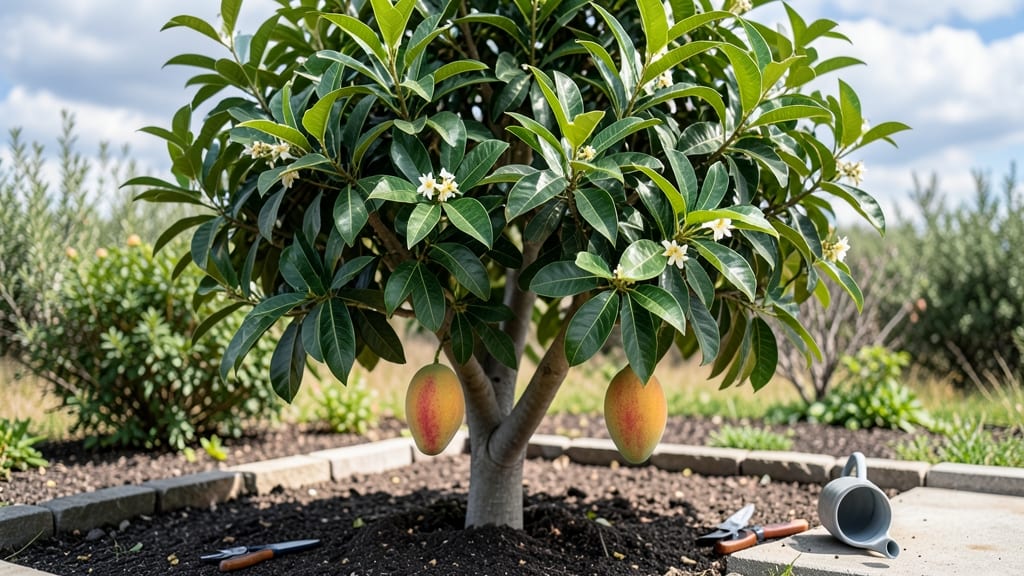
The Valencia Pride mango tree delivers sweeter fruit earlier than most varieties—and it’s all about how you prune.
I’ve grown mine for five years, and the difference between a neglected tree and one with strategic cuts is like night and day: one bears sporadic fruit, the other produces consistent harvests from spring through fall.
The secret isn’t complicated, but it does require timing, the right tools, and a little patience to shape the tree’s growth.
This variety thrives in USDA Zones 10-11, but with proper care, you can grow it in containers and overwinter indoors in cooler climates. Start with well-draining soil mixed with compost, and give it full sun (6+ hours daily)—even partial shade reduces fruit quality.
The pruning itself takes about 30 minutes per season, and once you master the technique, you’ll see thicker branches, better airflow (which cuts disease risk), and more fruit clusters where you want them.
What you’ll end up with is a tree that looks neat, productive, and manageable—no more tangled branches or fruit hidden in the canopy. The first year focuses on shaping the structure, while later cuts encourage flowering.
By summer, you’ll be harvesting juicy, fiberless mangoes that ripen on the tree, and the process becomes second nature. Ready to transform your tree from a wild mess into a fruit-producing machine?
Whether you’re in a warm climate or container-growing indoors, the same principles apply. The key is consistency—prune at the right time, remove dead wood, and open up the center for sunlight. Let’s get those cuts right so your Valencia Pride becomes the star of your garden (or patio!).
📚 In This Guide
- What you need
- Instructions
- Tips and common mistakes
- Wrapping up and next steps
What you need
- ● Pruning shears: Bypass pruners (sharp, clean, and sterilized with rubbing alcohol to prevent disease). Quantity: 1 pair (or 2 if working on a large tree).
- ● Loppers: For thicker branches (1–2 inches in diameter). Quantity: 1 pair.
- ● Hand saw: Pruning saw with a curved blade for stubborn branches. Quantity: 1.
- ● Gloves: Heavy-duty, cut-resistant gloves (protects from thorns and sap). Quantity: 1 pair.
- ● Disinfectant: 70% isopropyl alcohol or a 10% bleach solution (for sterilizing tools between cuts).
- ○ Pruning sealant: Optional but helpful for sealing larger cuts (e.g., Tree Seal or horticultural wax).
- ● Ladder or step stool: Sturdy and tall enough to reach the tree’s canopy safely.
- ● Bucket or tarp: For collecting pruned branches and debris. Size: Large enough to hold 5+ gallons.
- ● Notebook & pen: To jot down notes on cuts, fruit clusters, or tree health observations.
- ● Extension pole pruners: For high branches (saves ladder time!).
- ● Tree growth regulator: Such as Paclobutrazol (follow label instructions to promote bushier growth).
- ● Mulch: Organic mulch (e.g., wood chips) to retain moisture and protect roots. Quantity: 2–3 inches spread around the base.
- ● Fertilizer: Balanced, slow-release fertilizer (e.g., 10-10-10) to support post-pruning recovery.
- ● Camera: To document your tree’s progress before/after pruning!
How to prune a Valencia Pride mango tree for maximum fruit production
Here's how I've learned to shape this tropical beauty for continuous harvests.
Identify the Right Time for Pruning
Prune your Valencia Pride mango tree during its dormant season, which in most tropical and subtropical climates falls between late winter and early spring—typically February to March. This timing ensures the tree isn't stressed during flowering or fruiting cycles. Avoid pruning when the tree is actively blooming or bearing fruit, as this can disrupt energy flow to developing mangoes.
Look for new growth flushes—these are your cues. If you see fresh, bright green leaves emerging, that’s a sign the tree is waking up from dormancy. Wait until at least 2-3 weeks after these new leaves appear before pruning, as this gives the tree time to recover from any winter stress.
If you’re in a warmer climate where seasons are less defined, prune after the heaviest harvest season—usually late summer or early fall. This prevents overloading the tree with too many fruit buds at once, which can lead to smaller, lower-quality mangoes.
Remove Dead, Diseased, or Weak Branches
Start by inspecting the tree for dead, diseased, or crossing branches. Dead branches are easy to spot—they’re dry, brittle, and often dark brown or black. Diseased branches may have black spots, oozing sap, or unusual growths. Use sterilized pruning shears to cut these out at the branch collar, the swollen area where the branch meets the trunk or another branch.
Crossing branches—those that rub against each other—should also be removed. These create wounds that invite pests and diseases. When pruning, make clean cuts at a 45-degree angle, about ¼ inch above a outward-facing bud. This encourages new growth to sprout in the right direction and reduces the risk of water pooling on the cut, which can lead to rot.
Don’t skip this step, even if the branches look minor. A single diseased branch left unchecked can spread to healthy parts of the tree, compromising your entire harvest. If you’re unsure whether a branch is dead or just dormant, scratch the bark with your fingernail—if it’s green underneath, it’s alive and should stay.
Thin Out Overcrowded or Shading Branches
Next, focus on thinning the canopy to improve airflow and sunlight penetration. Remove branches that are growing too close together, as this creates a dense, shaded interior where humidity lingers—ideal conditions for fungal diseases like anthracnose. Aim to leave 6-12 inches of space between branches to allow light and air to circulate freely.
Look for suckers—those small, vigorous shoots that sprout at the base of the tree or along the trunk. While they might seem harmless, they compete with the main branches for nutrients and can weaken the tree’s structure. Snip them off at the base with clean shears. You’ll also want to remove water sprouts, which are fast-growing, vertical shoots that often appear on the trunk or larger branches.
Here’s the thing—less is more with mango trees. Over-pruning can stress the tree and reduce fruit production. If you’re unsure whether to cut a branch, leave it. It’s easier to remove more next year if needed than to compensate for aggressive pruning now.
Shape the Tree for Optimal Fruit Production
Now, it’s time to shape the tree to encourage a strong, open structure. Mango trees naturally grow with a central leader (main upward-growing branch) and scaffold branches that extend outward. Your goal is to create a balanced, vase-like shape that allows sunlight to reach all parts of the canopy.
Start by selecting 3-5 strong, well-spaced scaffold branches that are evenly distributed around the trunk. These should be 4-6 feet apart and angled 45-60 degrees from the trunk. Remove any competing branches that grow too close to these scaffold branches, as they’ll weaken the tree’s structure over time.
For the central leader, allow one dominant upward-growing branch to continue growing straight up. If it’s too weak or damaged, choose the next strongest branch to take its place. Avoid letting multiple leaders grow, as this can create a weak, unstable tree. Use temporary ties if needed to guide branches into the desired position while they’re young and flexible.
Post-Pruning Care for a Healthy Recovery
After pruning, seal larger cuts (over ½ inch in diameter) with pruning sealant to prevent disease and pests from entering the tree. For smaller cuts, no sealant is needed—the tree’s natural healing processes will take care of them. Avoid overusing sealant, as it can smother the wound and delay healing.
Give your tree a deep watering immediately after pruning to help it recover from the stress. Water deeply, ensuring the soil is moist 12 inches down, but avoid waterlogging the roots. Follow up with regular watering—about 1-2 inches per week—depending on your climate. Mango trees are drought-tolerant once established, but they’ll appreciate consistent moisture during their recovery period.
Finally, fertilize lightly 4-6 weeks after pruning to support new growth. Use a balanced, slow-release fertilizer with equal parts nitrogen, phosphorus, and potassium (e.g., 10-10-10). Avoid high-nitrogen fertilizers, as these encourage leafy growth at the expense of fruit production. Monitor the tree closely in the weeks following pruning for signs of stress, such as yellowing leaves or wilting, and adjust your care accordingly.
Tips & tricks for pruning a Valencia Pride mango tree
These insights will help you transform your mango tree into a productive powerhouse without stressing the plant.
Seasonal Timing Insight: The February to March window isn't just about avoiding blooming season—it's about catching the tree when its energy reserves are naturally replenished. I've seen trees in warmer climates produce better fruit when pruned after harvest rather than during peak production. This timing prevents competition between new growth and fruit development, which is why the late summer/early fall alternative exists for tropical zones.
Branch Selection Strategy: When choosing your 3-5 scaffold branches in Step 4, prioritize those with the most outward angle (45-60 degrees). These naturally create the open vase shape we want. I learned this the hard way after pruning too aggressively—my tree developed weak crotches where branches met the trunk, leading to structural failure during fruit-bearing seasons. Always make cuts just outside the branch collar to preserve the tree's natural healing mechanisms.
Post-Pruning Recovery Hack: The 4-6 week fertilization window after pruning is crucial, but don't just throw any fertilizer at it. I recommend a soil test first to identify deficiencies—Valencia Pride trees often need more potassium than nitrogen. If you must use a 10-10-10 blend, apply only half the recommended dose. Too much nitrogen now will send the tree into leafy growth mode instead of focusing on fruit production next season.
Pro Tips for Valencia Pride Mango Tree
- These insights will help you transform your mango tree into a productive powerhouse without stressing the plant.
- Seasonal Timing Insight: The February to March window isn't just about avoiding blooming season—it's about catching the tree when its energy reserves are naturally replenished.
- Branch Selection Strategy: When choosing your 3-5 scaffold branches in Step 4, prioritize those with the most outward angle (45-60 degrees).
Frequently asked questions
When is the best time to prune a Valencia Pride mango tree?
The ideal time to prune is late winter or early spring, just before new growth begins (around February-March in most climates). Avoid pruning during flowering or fruiting seasons to prevent stress. Light maintenance pruning can be done year-round, but major cuts should wait for the dormant period.
How much should I cut back my Valencia Pride mango tree?
Remove no more than 25-30% of the tree’s canopy in a single session to avoid shocking it. Focus on:
- Dead, diseased, or crossing branches
- Suckers at the base (they drain energy)
- Overcrowded growth to improve airflow
Will pruning reduce my mango harvest?
Not if done correctly! Pruning improves fruit production by redirecting energy to stronger branches and larger mangoes. However, heavy pruning in the first year may delay harvests. Start light and gradually shape the tree over 2-3 years for the best results.
What if my Valencia Pride mango tree isn’t fruiting after pruning?
Check these common issues:
- Age: Young trees (under 3 years) may need more time.
- Sunlight: Ensure it gets 6+ hours of direct sun daily.
- Pollination: Hand-pollinate with a brush if bees are scarce.
- Nutrients: Test soil for nitrogen/phosphorus deficiencies.
Are there alternatives to pruning for a smaller Valencia Pride mango tree?
Yes! Try these low-maintenance strategies:
- Dwarf varieties: Graft onto a dwarf rootstock (e.g., ‘Grafted Valencia’).
- Container growing: Plant in a large pot (15+ gallons) and trim roots annually.
- Espalier training: Shape the tree flat against a fence/wall to save space.
What should I avoid when pruning my Valencia Pride mango tree?
Steer clear of these mistakes:
- Topping: Cutting the main trunk flat—it stunts growth.
- Over-pruning: More than 30% at once stresses the tree.
- Pruning during frost: Wait until temperatures stabilize.
- Using dull tools: Ragged cuts invite disease.
Wrapping up and next steps
The Valencia Pride mango tree isn’t just a fruit-bearing powerhouse—it’s a masterclass in strategic pruning to unlock year-round harvests. By mastering the right cuts, you’re not just shaping the tree; you’re inviting abundance while keeping it healthy and thriving.
Whether you’re a seasoned gardener or just starting, these techniques make the process simple and rewarding.
Ready to transform your backyard into a tropical oasis? Grab your pruners, roll up your sleeves, and start pruning with confidence—your first Valencia Pride mango is waiting! 🌱🍈