
Pruning
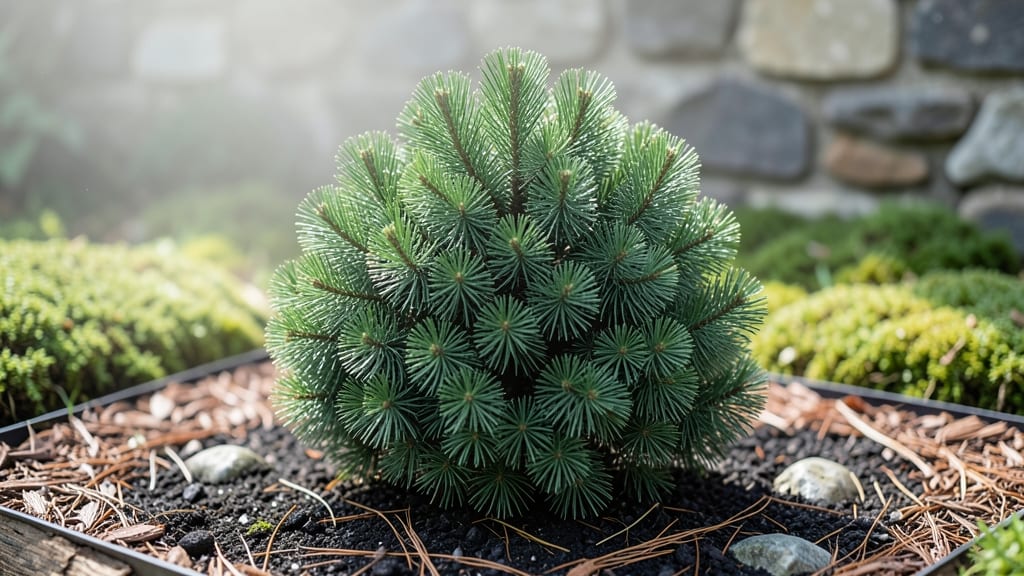
A topiary pine tree adds timeless elegance to any garden—its evergreen structure stays striking through all four seasons. 🌲 I’ve shaped mine into a classic spiral, and neighbors now ask how I keep it so perfectly manicured.
The secret lies in choosing the right species (like mugo or dwarf pines) and mastering the art of gradual pruning.
Start with a young pine—its flexible branches bend beautifully into shapes. You’ll need basic tools: sharp pruners, a hand saw for thicker limbs, and gloves to protect against needle pricks.
A monthly light trim keeps the form tight, while a deep prune every 2-3 years refreshes the structure for long-term beauty.
Place your topiary where it can be admired year-round: along pathways as a welcoming guide, beside entryways as a grand statement, or in formal gardens where symmetry shines. With the right care, it’ll become the jewel of your landscape, drawing compliments and standing tall through storms and seasons.
Different garden styles use topiary pines in unique ways—Mediterranean gardens pair them with lavender for contrast, while Japanese designs blend them with moss-covered rocks. The key is patience: a well-shaped pine matures into a living sculpture that outlasts trends.
📚 In This Guide
- What you need
- Instructions
- Tips and common mistakes
- Wrapping up and next steps
What you need
- ● Young pine tree (2-4 feet tall): Choose a Norfolk Island pine (Araucaria heterophylla) or Mugo pine (Pinus mugo)—both are ideal for topiary due to their dense growth and manageable size.
- ● Sharp bypass pruners: A high-quality pair (like Felco or Fiskars) to make clean cuts without damaging branches.
- ● Hand pruners or shears: For finer trimming (e.g., Concord Select or Gonicc for precision).
- ○ Pruning saw (optional but helpful): For thicker branches—look for a curved blade for easier cuts.
- ● Gloves: Heavy-duty gardening gloves to protect your hands from pine needles and sharp tools.
- ● Stakes and twine: 3-4 wooden stakes (1-2 feet tall) and soft twine to support the tree while shaping.
- ○ Topiary wire (optional but recommended): Copper or aluminum wire (1-2mm thick) to guide growth into desired shapes.
- ● Potting soil or well-draining mix: A blend of peat moss, perlite, and sand (or pre-mixed cactus/succulent soil) if planting in a container.
- ● Container (if not planting in ground): A large pot (18+ inches wide) with drainage holes for root health.
- ● Topiary frame or template: A wire or foam frame to shape the tree (great for complex designs like spirals or animals!).
- ● Hose with nozzle: For rinsing off sap or cleaning tools post-pruning.
- ● Pruning sealant: To protect cuts and prevent disease (e.g., Tanglefoot Tree Wound Pruning Seal).
- ● Fertilizer (slow-release): A balanced 10-10-10 or pine-specific fertilizer to encourage healthy growth.
- ● Mulch: Pine bark or straw mulch to retain moisture and suppress weeds.
Step-by-Step instructions for crafting a topiary pine tree
Here's how to sculpt a graceful pine topiary that thrives year after year.
🪴 Step 1: Select and Prepare Your Pine Tree
Choose a young mugo pine or dwarf Scots pine with a naturally symmetrical shape and flexible branches. Mugo pines grow best in USDA zones 3-7, while Scots pines thrive in zones 3-6. Plant in well-draining soil with full sun exposure—at least 6 hours daily. The key here is patience: wait until spring, after new growth emerges, to begin shaping.
Dig a hole twice as wide as the root ball but no deeper. Amend the native soil with 2 parts potting mix and 1 part sand to improve drainage. Place the pine in the hole, ensuring the root flare sits just above soil level. Water deeply until the soil is evenly moist 6 inches down. Mulch with 2-3 inches of pine bark to retain moisture and suppress weeds, but keep mulch 3 inches away from the trunk to prevent rot.
✂️ Step 2: Establish the Basic Structure
Use sharp, bypass pruners to create your topiary’s foundation. Start by trimming any branches that grow inward or cross others—these compete for sunlight and weaken the tree. Cut back to the nearest outward-facing bud or lateral branch. For a classic rounded topiary, begin by shaping the top into a dome. Make cuts just above a set of needles where a new branch naturally grows outward.
Work in layers, starting at the top and moving downward. Each cut should be at a 45-degree angle to encourage outward growth. Avoid cutting into old wood—new growth responds best to pruning. After shaping, apply a hormone-free rooting powder to any cut surfaces to prevent disease. Water thoroughly to help the tree recover from the initial pruning shock.
🌿 Step 3: Refine and Maintain the Shape
Topiary pines need regular maintenance to keep their form. Prune lightly every 4-6 weeks during the growing season (spring through early fall) to encourage dense, even growth. Use hand pruners for smaller branches and hedge shears for broader shaping. Always prune just above a bud or branch to promote new growth in the right direction. Avoid heavy pruning in late summer or fall, as this can stress the tree before winter.
Pay attention to the tree’s natural growth patterns. If one side grows faster, adjust your pruning to balance it out. In early spring, fertilize with a slow-release, balanced fertilizer (10-10-10) to support new growth. Water deeply once a week during dry spells, ensuring the soil stays moist but not waterlogged. Overwatering can lead to root rot, which is fatal for pines.
⏰ Step 4: Winter Care and Long-Term Shaping
Pines are evergreens, so they don’t lose their needles in winter, but they still need protection from harsh conditions. In late fall, apply a 2-inch layer of mulch around the base to insulate roots. Avoid heavy pruning in winter—light shaping is fine, but major cuts should wait until spring. If your region experiences heavy snow, gently brush snow off branches to prevent breakage.
Every 2-3 years, reassess the topiary’s shape and make adjustments as needed. Older pines may require more aggressive pruning to maintain their form, but always avoid removing more than 25% of the foliage in a single season. If the tree looks leggy or sparse, it may need a rejuvenation pruning in early spring, where you cut back up to ⅓ of the oldest growth to encourage new, bushier branches.
Tips & tricks for perfect topiary pine tree
Creating a stunning topiary pine tree takes patience and precision—these pro tips will help you avoid common pitfalls and achieve professional results.
Selection Tip: When choosing your pine tree, examine the branch structure from multiple angles. Look for a tree where the branches naturally form a pyramid or cone shape—this will require the least amount of forced shaping later. Mugo pines typically have denser foliage, while dwarf Scots pines offer slightly more flexibility in shaping due to their slightly longer branches. I've found that trees with a slightly irregular natural shape actually make more interesting topiaries when properly shaped.
Pruning Technique: In Step 2, when making your 45-degree cuts, focus on creating clean lines rather than perfect symmetry at first. The goal is to establish a framework that encourages outward growth. After your initial shaping, let the tree grow for 4-6 weeks before doing any maintenance pruning—this allows the cuts to heal and new growth to emerge in the directions you want. Always cut just above a bud or branch to promote healthy regrowth in the right direction.
Maintenance Strategy: The 4-6 week pruning schedule in Step 3 is ideal for most climates, but adjust based on your local growing season. In warmer regions, you might extend pruning into early fall, while colder areas should stop by late summer. I've learned that using a small notebook to track pruning dates and growth patterns helps me stay consistent. Mark the calendar for your next pruning session right after completing each one—this prevents gaps in maintenance that can lead to unruly growth.
Winter Protection: For the 2-inch mulch layer mentioned in Step 4, consider using a combination of pine bark and straw for added insulation in extremely cold climates. The straw helps protect against temperature fluctuations that can stress the roots. In snowy regions, I also recommend wrapping the lower trunk with burlap after the first hard frost to prevent rodent damage, which is particularly common with stressed evergreens.
Pro Tips for Topiary Pine Tree
- Creating a stunning topiary pine tree takes patience and precision—these pro tips will help you avoid common pitfalls and achieve professional results.
- Selection Tip: When choosing your pine tree, examine the branch structure from multiple angles.
- Pruning Technique: In Step 2, when making your 45-degree cuts, focus on creating clean lines rather than perfect symmetry at first.
Frequently asked questions
Got questions about keeping your topiary pine tree looking sharp all year? Here are some of the most common ones—and their answers!
How often should I prune a topiary pine tree to maintain its shape?
A topiary pine typically needs light trimming every 4-6 weeks during the growing season (spring to fall) to encourage dense growth. For formal shapes, monthly pruning may be ideal. Avoid heavy pruning in late fall or winter, as new growth slows down. Pro tip: Use sharp, sterilized shears to prevent disease!
Can I prune a topiary pine in winter?
Winter is not the best time for heavy pruning, as cold stress can slow recovery. However, you can do light maintenance (removing dead or damaged branches) in late winter (February) to prep for spring growth. Pro tip: Wait until temperatures rise above freezing before trimming!
What’s the best way to shape a topiary pine for beginners?
Start with a basic cone or spiral shape—easier to maintain than intricate designs. Use a wire frame or guide (like chicken wire) to train branches early on. Trim just the tips of branches to encourage bushiness. Pro tip: Take photos before pruning to track progress!
What are some low-maintenance alternatives to a topiary pine?
If a pine seems too high-maintenance, try boxwood, yew, or privet—they’re easier to shape and tolerate pruning well. For a pine-like look with less upkeep, consider Pinus mugo (mugo pine), which stays compact naturally. Pro tip: Dwarf varieties need less frequent trimming!
Why are my topiary pine branches turning brown after pruning?
Brown tips often mean over-pruning or stress. If it’s widespread, you may have cut into old wood (pines don’t regrow from bare stems). For minor browning, reduce pruning frequency and ensure it gets morning sun + afternoon shade. Pro tip: Fertilize lightly in spring to boost recovery!
Wrapping up and next steps
Transforming your topiary pine tree into a stunning year-round masterpiece is entirely within reach—with patience, creativity, and the right techniques! 🌲✨ Whether you’re a seasoned gardener or just starting, the key lies in consistent shaping, proper tools, and seasonal adjustments.
Now that you’re armed with the know-how, there’s no better time to roll up your sleeves and give your pine tree the sculpted elegance it deserves.
Ready to take the next step? Pick a sunny weekend, gather your supplies, and start small—even a single trim can make a world of difference. Your garden’s new focal point is waiting for you!