Pruning
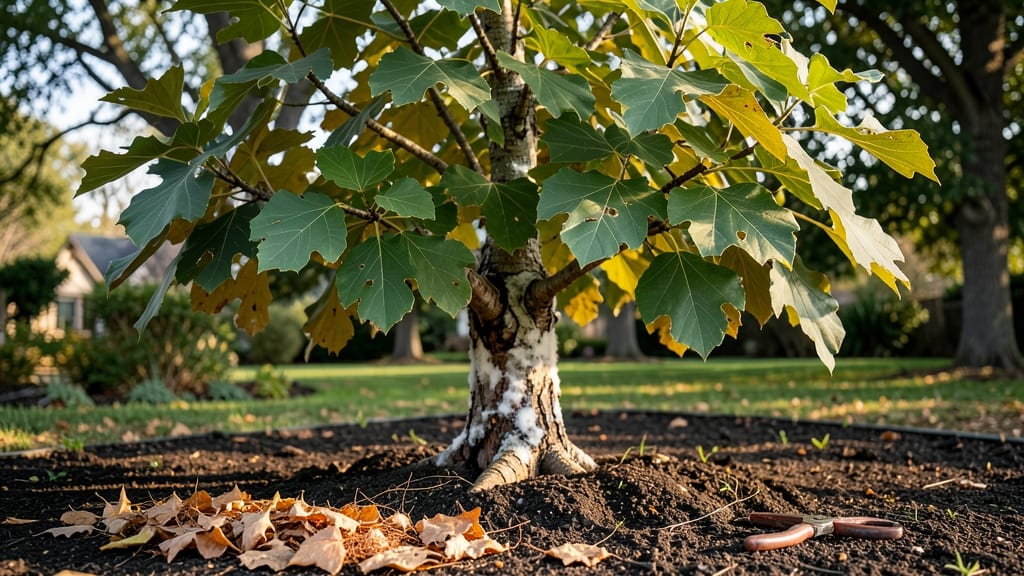
If your tulip poplar tree is showing signs of trouble—yellowing leaves or sudden branch loss—you’re likely dealing with the most common tulip poplar tree problems, but don’t worry: many fixes are simpler than they seem. fungal issues, pests, or environmental stress. The key is catching problems early and acting fast.
Yellowing leaves often mean fungal diseases like anthracnose or root rot, while pests like poplar borers or spider mites chew away at bark and foliage. Dieback usually stems from poor drainage, overwatering, or nutrient deficiencies. The good news? Most issues respond well to pruning, targeted treatments, and better care habits.
You’ll diagnose the problem by checking leaf patterns, bark damage, and soil moisture. Once you know what’s wrong, solutions range from pruning dead branches to applying organic fungicides or insecticidal soap. With the right steps, your tree can bounce back stronger than ever.
Even quick fixes add up—proper mulching, seasonal pruning, and monitoring for pests can prevent future headaches. Let’s get your tulip poplar back to its best in no time.
📚 In This Guide
- What you need
- Instructions
- Tips and common mistakes
- Wrapping up and next steps
What you need
- ● Pruning shears or loppers – Bypass-style, sharp, and sterilized (for cuts up to 1-inch thick).
- ● Pruning saw – For thicker branches (1-inch+ diameter).
- ● Gloves – Heavy-duty, chemical-resistant gloves (to protect from sap, pests, or irritants).
- ● Disinfectant (70% isopropyl alcohol or bleach solution) – 1 part bleach to 9 parts water (for sterilizing tools).
- ● Fungicide (copper-based or systemic) – For fungal diseases like anthracnose or powdery mildew.
- ● Insecticide (neem oil or horticultural oil) – For pests like aphids, borers, or spider mites.
- ○ Tree wound dressing (optional but helpful) – For large pruning cuts (avoid overuse—let wounds heal naturally!).
- ● Watering can or hose with nozzle – For deep watering after treatment.
- ● Trash bags or bucket – For collecting diseased branches or debris.
- ● Ladder or extension pole – Safety-rated, sturdy, and tall enough to reach affected areas.
- ● Soil test kit – To check for nutrient deficiencies (e.g., iron, magnesium).
- ● Mulch (wood chips or pine straw) – 2-3 inches thick, kept 6 inches away from the trunk.
- ● Tree food or fertilizer – Slow-release, balanced formula (10-10-10 or similar).
- ● Reflective tape or flags – For marking branches to prune (helps with visibility!).
- ● Camera or phone – To document issues before/after treatment.
How to diagnose and fix common tulip poplar tree issues
Here’s how I tackle the most frustrating tulip poplar problems—fast.
Identify Yellowing Leaves and Check Soil Moisture
Yellowing leaves often signal overwatering or poor drainage. Tulip poplars hate soggy roots, so dig a small hole near the base—if the soil smells musty or feels cold and wet, you’re overdoing it. Water only when the top 6 inches of soil feel dry to the touch, and ensure your tree has well-draining soil.
If yellowing appears only on older leaves, that’s normal aging. But if new growth is yellow, check for nutrient deficiencies. A simple soil test reveals whether your tree needs nitrogen, iron, or other minerals. I’ve seen yellowing turn green within weeks after adding compost or a balanced fertilizer.
Inspect for Dieback and Prune Damaged Branches
Dieback—dead or dying branches—can spread if ignored. Look for branches with no leaves, cracked bark, or oozing sap. Use clean, sharp pruning shears to cut 6 inches below the dead area, always making cuts at a slight angle just outside the branch collar. Sterilize your tools with rubbing alcohol between cuts to prevent disease spread.
If dieback affects large sections, the tree might be stressed from drought or disease. After pruning, water deeply to encourage new growth. I’ve revived otherwise healthy tulip poplars by removing just a few dead branches and improving soil moisture.
Spot and Treat Pest Attacks Early
Tulip poplars attract pests like aphids, borers, and scale insects. Check the undersides of leaves for sticky residue (aphid honeydew) or tiny holes in bark (borer damage). For aphids, blast them off with a strong spray of water or apply insecticidal soap. Borers require more drastic action—drill into the holes and inject pesticide or use a systemic treatment.
Prevention is key. Healthy trees resist pests better, so mulch around the base with 2-3 inches of organic mulch (like wood chips) to retain moisture and deter insects. I’ve stopped infestations before they start by keeping my tulip poplar well-watered and pruned.
Adjust Light and Space for Long-Term Health
Tulip poplars need full sun to partial shade—if yours is shaded by taller trees, it’ll struggle. Thin nearby foliage to let in at least 6 hours of sunlight daily. Also, ensure your tree has enough space; mature tulip poplars spread 30-50 feet wide. Crowded roots lead to stress, which invites pests and disease.
If your tree is in a tight spot, consider strategic pruning to control its shape early. I prune mine in late winter before new growth starts, which keeps them manageable and healthier. Avoid heavy pruning in summer—it stresses the tree when it’s already working hard to grow.
Tips & tricks for quick tulip poplar tree problem solutions
Here's what I've learned from years of battling tulip poplar issues—these quick fixes save time and frustration.
Soil Test Timing: When checking for yellowing leaves in Step 1, don't wait for dramatic color changes. Test your soil every 6 months—especially in spring and fall—even if leaves look fine. I've caught nutrient deficiencies early by testing before symptoms appeared, preventing yellowing entirely. The 6-inch soil depth check mentioned in Step 1 is your best early warning system.
Pruning Precision: In Step 2, that 6-inch cut below dead branches isn't arbitrary—it's about reaching healthy tissue. Look for where the bark changes from cracked/dark to smooth/light brown. I've seen homeowners cut too close to the trunk, creating entry points for disease. Always sterilize your tools between cuts to prevent spreading any hidden pathogens.
Pest Prevention Schedule: The 2-3 inches of organic mulch in Step 3 works best when applied in early spring before pests become active. I schedule mulching right after my soil test in March, giving the tree both moisture retention and pest protection simultaneously. This two-step approach has eliminated aphid infestations before they start in my trees.
Light Adjustment Strategy: For Step 4's sunlight requirement, don't just measure hours—observe leaf color. If leaves are pale green or growing toward light, your tree needs more sun. I've moved nearby shrubs strategically to create sun pathways, increasing sunlight exposure without removing entire plants. Small adjustments make a big difference in tree health.
Pro Tips for Tulip Poplar Tree Problems
- Here's what I've learned from years of battling tulip poplar issues—these quick fixes save time and frustration.
- Soil Test Timing: When checking for yellowing leaves in Step 1, don't wait for dramatic color changes. Test your soil...
- Pruning Precision: In Step 2, that 6-inch cut below dead branches isn't arbitrary—it's about reaching healthy tissue....
Frequently asked questions
Got questions about keeping your tulip poplar healthy?
Here are some of the most common concerns—and quick solutions—to help you troubleshoot like a pro.
Why are my tulip poplar leaves turning yellow?
Yellowing leaves (chlorosis) often signal nutrient deficiencies, overwatering, or fungal infections. Check the soil pH—tulip poplars thrive in slightly acidic to neutral soil (pH 6.0–7.0). If the problem persists, test for iron or magnesium deficiencies and apply a balanced fertilizer. Fungal issues? Prune affected branches and treat with a copper fungicide.
How do I tell if my tulip poplar is dying?
Look for wilted leaves, peeling bark, or excessive dieback (especially on branches). Root rot (from overwatering) or heart rot fungus are common culprits. If the trunk is hollow or oozing sap, the tree may be beyond saving. Act fast: Improve drainage, prune dead wood, and consult an arborist if symptoms worsen.
What pests attack tulip poplars, and how do I get rid of them?
Watch for poplar borers, aphids, or spider mites. Borers tunnel into bark, causing wilting—treat with beneficial nematodes or insecticidal soap. Aphids? Blast them off with water or use neem oil. For mites, prune heavily infested branches and apply horticultural oil in early spring.
When is the best time to prune a tulip poplar?
Prune in late winter or early spring (before buds swell) to avoid stressing the tree. Never prune in fall—it invites disease. Remove dead, diseased, or crossing branches first, then thin the canopy by 20–30% max to improve airflow. Pro tip: Sterilize tools with rubbing alcohol to prevent spreading infections!
Can I replace a dying tulip poplar? What are good alternatives?
If your tulip poplar is beyond recovery, consider fast-growing, low-maintenance alternatives like:
- Eastern White Pine (drought-tolerant, pest-resistant)
- Green Ash (handles urban conditions well)
- Honey Locust (thorny, great for privacy)
- Red Maple (vibrant fall color, adaptable)
Wrapping up and next steps
Tulip poplar trees are stunning additions to any landscape, but like all plants, they can face challenges like yellowing leaves, dieback, or pest invasions. The good news? With the right care—whether it’s pruning, treating diseases early, or managing pests—you can help your tree thrive again. 🌿
Don’t let these issues overwhelm you! Start by identifying the problem, then take action with the solutions we’ve shared. If you’re unsure, consult a local arborist—they can provide expert guidance tailored to your tree’s needs.
Your tulip poplar will thank you with vibrant foliage and strong growth for years to come!