
Trees
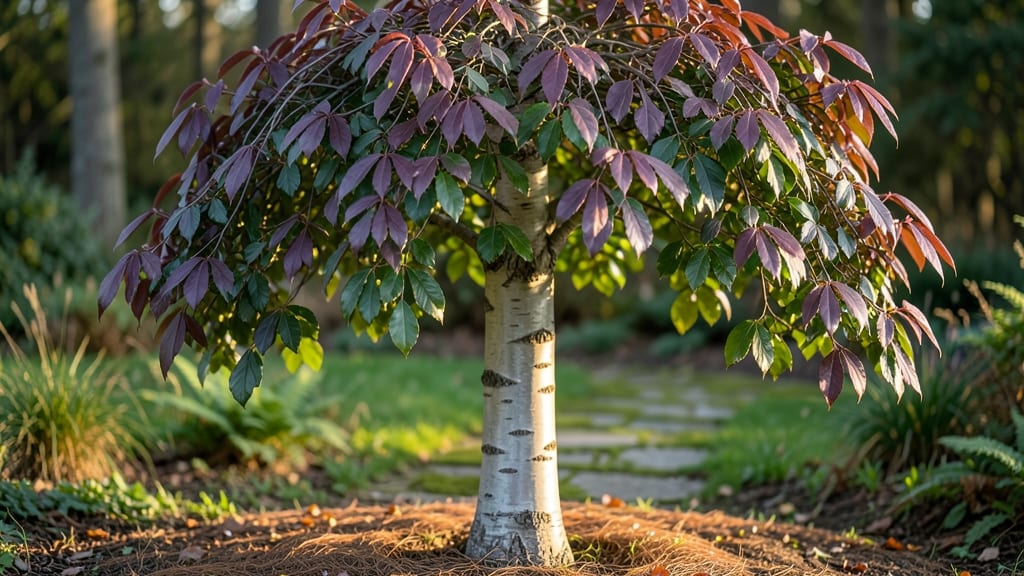
The right trees which give shade can turn your backyard into a refreshing escape in just a few years—just ask me about my Leyland cypress, now casting cool relief over my patio. 🌳 a comfortable afternoon escape.
The key isn’t just speed—it’s choosing trees that deliver both privacy and dramatic temperature drops.
These trees thrive in diverse climates, from humid Southeast summers to dry Southwest heat waves. Look for varieties with dense foliage like Thundercloud sweetgum or Weeping willow—they block sunlight while adding dramatic texture to your yard.
Low-maintenance options like Green giant arborvitae require minimal pruning yet deliver instant shade within three growing seasons.
Imagine hosting summer gatherings under a canopy of lush green leaves while the air stays refreshingly cool. The right placement near patios or playgrounds creates functional spaces that feel like oases.
Pair your shade tree with ground covers like hostas or sedge to enhance the cooling effect and complete the tranquil outdoor retreat.
Perfect for urban backyards, rural homesteads, or even large containers in small spaces. The secret is matching your tree to your climate and sunlight needs—then stepping back to enjoy the instant transformation. Here’s how to pick the perfect shade provider for your yard.
📚 In This Guide
- What you need
- Instructions
- Tips and common mistakes
- Wrapping up and next steps
What you need
- ● Shade trees (fast-growing varieties): 1–3 Leucadendron (Silver Tree) – 3–5 ft tall, drought-tolerant
- ● 1–2 Paulownia tomentosa (Empress Tree) – 10–20 ft tall, rapid growth (up to 6 ft/year!)
- ● 1–3 Morus alba (White Mulberry) – 20–30 ft tall, dense foliage
- ● 1–2 Gleditsia triacanthos (Honey Locust) – 30–50 ft tall, thornless varieties available
- ● Planting supplies: 1–2 5–15 gallon containers (depending on tree size)
- ● 1 High-quality potting mix (or native soil amended with compost)
- ● 1 Slow-release fertilizer (e.g., 10-10-10 or organic options like fish emulsion)
- ● 1 Mulch (3–4 inches) (pine bark, wood chips, or shredded leaves)
- ● Tools: 1 Shovel or digging spade (for planting holes)
- ● 1 Garden trowel (for delicate root work)
- ● 1 Pruning shears (for shaping young trees)
- ● 1 Watering can or hose with nozzle (for deep watering)
- ● 1 Measuring tape (to ensure proper spacing)
- ● 1 Tree support stake (for young, top-heavy trees like Paulownia)
- ● 1 Tree guard or wire mesh (to protect from pests or curious critters)
- ● 1 Soil moisture meter (to track hydration levels)
- ● 1 Organic weed barrier fabric (to reduce competition for water)
- ● 1 Drip irrigation kit (for automated watering)
- ● ✅ Sunlight assessment: Measure daily sun exposure (full sun = 6+ hours; partial shade = 3–6 hours). Most fast-growing shade trees thrive in full sun!
- ● ✅ Soil test: Check pH (ideal: 6.0–7.5) and drainage. Amend clay soil with sand or compost.
- ● ✅ Local climate check: Verify hardiness zones (e.g., Paulownia loves zones 5–9).
- ● ✅ Space planning: Account for mature tree width (e.g., Honey Locust spreads 30–50 ft!).
How to select and plant fast-growing shade trees for privacy
Here’s my go-to approach for planting shade trees that grow quickly and deliver instant relief from summer heat.
🌱 Step 1: Choose the Right Fast-Growing Shade Species
Not all fast-growing trees provide the same shade quality. I recommend Leyland cypress for dense, evergreen privacy or Silver maple for rapid canopy coverage—both mature in 10-15 years but start providing meaningful shade within 3-5 years. For smaller spaces, Empress tree grows 3-4 feet per year and casts deep shade quickly.
Check your hardiness zone first—some fast growers (like willows) struggle in colder climates. I always verify with local nursery experts because soil conditions drastically affect growth rates. For example, sycamores thrive in moist soil but may stagnate in clay-heavy ground.
🪴 Step 2: Prepare the Planting Site for Optimal Growth
Dig a hole twice as wide as the tree’s root ball but no deeper—this prevents root suffocation. Amend the native soil with 2-3 inches of compost mixed into the bottom of the hole to encourage root expansion. I avoid adding fertilizer at planting; young roots need time to establish before competing with nutrients.
For multiple trees, space them 15-20 feet apart to allow future canopy merging. If planting near a structure, maintain at least 10 feet of clearance to prevent root damage or foundation issues. The key is patience here—rushing the hole size leads to root circling, which stunts long-term growth.
☀️ Step 3: Plant and Water for Immediate Establishment
Place the tree in the hole so the root flare (where roots meet trunk) sits 1-2 inches above ground level. Backfill with native soil, tamping lightly every 6 inches to eliminate air pockets. A 3-inch layer of mulch (wood chips or bark) keeps moisture in but never pile it against the trunk—this invites rot.
Water deeply right after planting—10-15 gallons for small trees—to settle the soil and eliminate air gaps. I use a soaker hose for 20 minutes to ensure even moisture penetration. After that, water twice weekly for the first month, then taper to once weekly once leaves appear. Overwatering now causes root rot before the tree can establish.
✂️ Step 4: Prune and Monitor for Healthy Growth
Prune only to remove dead or crossing branches in the first year—never top the tree. This encourages strong structural growth rather than weak, leggy stems. I mark pruning cuts with a sterilized saw to prevent disease spread between branches.
Watch for leaf color changes—yellowing indicates overwatering, while brown edges signal underwatering. Fast-growing trees need regular soil checks: stick your finger 2 inches deep between waterings. Adjust your schedule based on what you feel, not a rigid timeline.
Tips & tricks for perfect fast-growing shade canopies
These practical insights will help you maximize growth and shade potential from your chosen fast-growing trees.
Species Selection Strategy: When choosing between Leyland cypress, Silver maple, or Empress tree, consider your specific needs. Leyland cypress provides year-round privacy but grows best in warmer climates, while Silver maple handles colder zones but drops leaves seasonally. I've found Empress trees excel in tight spaces—their rapid 3-4 feet annual growth creates instant shade without overwhelming smaller yards. Always verify your hardiness zone to avoid disappointment with slower growth.
Soil Preparation Secret: The 2-3 inches of compost mixed into the bottom of the planting hole is non-negotiable for fast establishment. I've seen trees planted without this amendment struggle for years to catch up. For clay-heavy soils, consider adding sand to improve drainage—this is especially important for sycamores which can develop root rot in waterlogged conditions. Test your soil's pH too; most fast-growing shade trees prefer slightly acidic to neutral soil (6.0-7.0 pH).
Watering Technique: That 20-minute soaker hose session after planting is critical for eliminating air pockets around the roots. I recommend installing a simple drip irrigation system for the first year—it delivers consistent moisture without the risk of overwatering. The twice-weekly schedule works best in most climates, but adjust if you notice wilting leaves (underwatering) or yellowing foliage (overwatering). Mulch helps retain moisture, but remember to keep it 2-3 inches away from the trunk to prevent rot.
Pruning Insight: The first-year pruning rule of only removing dead or crossing branches might seem restrictive, but it's essential for long-term health. I've seen many gardeners top trees to control height early on, which creates weak branch structures that break under storm conditions. If you must shape young trees, limit pruning to no more than 25% of the foliage in any one year. Always use sterilized tools to prevent disease spread between cuts.
Pro Tips for Trees Which Give Shade
- These practical insights will help you maximize growth and shade potential from your chosen fast-growing trees.
- Species Selection Strategy: When choosing between Leyland cypress, Silver maple, or Empress tree, consider your specific needs.
- Soil Preparation Secret: The 2-3 inches of compost mixed into the bottom of the planting hole is non-negotiable for fast establishment.
Frequently asked questions
Got questions about fast-growing shade trees?
You’re not alone! Here are some of the most common queries—and practical answers—to help you pick the perfect privacy canopy for instant coolth.
What’s the fastest-growing shade tree for quick relief from heat?
If you need shade now, opt for hybrid poplars, willow trees, or empress trees. They can grow 3–5 feet per year and provide dense shade within 2–3 years. Just check local regulations—some fast growers have invasive roots or short lifespans.
How long does it take for a shade tree to mature enough to block sunlight?
Most shade trees take 3–5 years to reach full canopy size, but some (like silver maples or Leyland cypress) can offer partial shade in just 1–2 years. Plan ahead: younger trees need consistent watering and protection from pests to thrive faster.
Are there shade trees that work well in small yards or tight spaces?
Dwarf varieties like ‘Fastigiata’ columnar oak or ‘Sky Pencil’ holly grow narrow (under 10 feet wide) while still providing shade. For privacy, consider Emerald Green Arborvitae—it’s dense, evergreen, and stays compact.
Do shade trees actually lower my AC bill?
Yes! Strategic shading can reduce cooling costs by up to 30% by blocking direct sunlight. Plant deciduous trees (like maples or lindens) on the west or south side of your home—they’ll drop leaves in winter, letting sunlight warm your home naturally.
What if my tree isn’t growing fast enough or looks unhealthy?
First, check the soil—shade trees often struggle in compacted or poor-drainage soil. Mulch the base (2–3 inches deep) and water deeply 1–2 times per week (more in droughts). If pests or disease appear, prune affected branches and consult a local arborist.
Wrapping up and next steps
Planting shade trees isn’t just about instant coolth—it’s an investment in comfort, sustainability, and beauty. Whether you’re eyeing a fast-growing Mimosa or a sturdy Silver Maple, these trees transform your space into a refreshing retreat while boosting curb appeal. 🌳✨
Ready to take the next step? Start small:
- Pick a tree that fits your climate and space.
- Check local guidelines (or call a pro!) for planting tips.
- Plant this weekend—your future self will thank you!