Trees
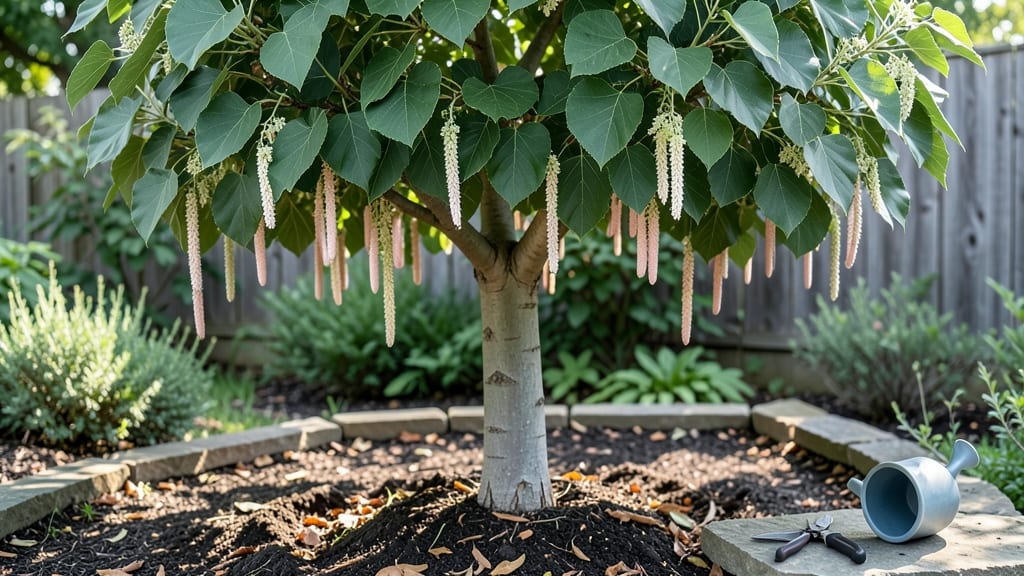
Fast-growing white mulberry trees (Morus alba) are the Pacific Northwest's secret weapon for quick shade, wildlife support, and sweet summer fruit—I planted mine last spring and already have a 12-foot tree with ripening berries.
The key to their success in our damp climate isn’t complicated: rich soil, consistent moisture, and a spot where they won’t be crowded by faster-growing neighbors.
These trees thrive in full sun to partial shade, making them perfect for yards, orchards, or even large containers. They tolerate a wide range of soil types but love well-draining, slightly acidic soil—amend heavy clay with compost if your yard feels dense.
Water deeply once established, but they’re surprisingly drought-tolerant once roots spread. The real magic happens in late summer when branches bend under the weight of purple-black berries that birds adore but humans can harvest for jam or fresh eating.
Pruning is minimal—just remove dead wood and shape in early spring—but the payoff is huge. A mature tree provides 30+ years of shade, berries for wildlife, and even silkworm food if you’re feeling ambitious.
My neighbors’ kids already beg for the fruit, and the tree’s rapid growth means I’ll have full harvests in just a few more seasons. Ready to grow one?
Works beautifully in zones 4-9, though Pacific Northwest gardeners will love how they handle our wet winters and mild summers. Start with bare-root saplings in early spring for the fastest results—or plant potted trees anytime. Either way, you’ll be eating (or watching birds feast on) fruit by next summer.
📚 In This Guide
- What you need
- Instructions
- Tips and common mistakes
- Wrapping up and next steps
What you need
- ● White mulberry tree saplings (Morus alba) – 2-3 plants (for cross-pollination and better yield). Choose disease-resistant varieties like 'Illinois Everbearing' or 'White Imperial'.
- ● Well-draining soil mix – Native loam + compost (60:40 ratio). White mulberries thrive in slightly acidic to neutral soil (pH 6.0–7.5).
- ● Organic mulch – 3–4 inches of wood chips or straw to retain moisture and suppress weeds.
- ● Balanced fertilizer – 10-10-10 or 5-10-10 NPK (apply in early spring).
- ● Drip irrigation system or soaker hoses – For consistent moisture (mulberries hate soggy roots!).
- ● Garden shovel & trowel – For planting and soil prep.
- ● Pruning shears – Sharp, sterilized for shaping and maintenance.
- ● Wheelbarrow or bucket – For mixing soil and compost.
- ● Gloves & long sleeves – Mulberry branches have thorns!
- ○ pH testing kit – Optional but helpful for monitoring soil health.
- ● Sunny location – Full sun (6+ hours/day). Pacific Northwest’s partial shade is fine, but more sun = more fruit!
- ● Space to grow – 15–20 feet wide (mulberries spread via roots!).
- ● Patience – Trees take 2–3 years to bear fruit but reward with heavy harvests.
- ● Local climate check – White mulberries handle PNW’s mild winters (USDA Zones 5–9), but young trees may need winter protection in colder microclimates.
Step-by-Step instructions for planting and establishing white mulberry trees
Here's how to get your fast-growing Pacific Northwest mulberries thriving from day one.
🌱 Step 1: Choose the Perfect Planting Site and Prepare the Soil
White mulberries thrive in full sun—select a location receiving at least 6-8 hours of direct sunlight daily. In the Pacific Northwest's cooler climate, they tolerate partial shade but produce best with maximum light exposure. Avoid low-lying areas where cold air settles, as young trees are sensitive to late frosts.
Test your soil's drainage by digging a 12-inch deep hole and filling it with water. If it drains in less than 30 minutes, your soil is suitable. If it pools for hours, amend the planting area with 3-4 inches of compost mixed into the top 12 inches of native soil. Mulberries prefer slightly acidic to neutral soil (pH 6.0-7.5), so test your soil and adjust with lime if needed.
🪴 Step 2: Plant at the Right Time and Depth for Strong Growth
Plant your white mulberry trees in early spring, 2-3 weeks before your last expected frost date, or in early fall—this gives roots 6-8 weeks to establish before winter stress. Dig a hole twice as wide as the root ball but only as deep as the container's root system. Place the tree so the top of the root ball sits 1-2 inches above ground level—this prevents soil from settling and suffocating the trunk.
Loosen the roots gently if they're circling the root ball, then position the tree in the center of the hole. Backfill with native soil mixed with 1 gallon of compost, tamping lightly every 3 inches to eliminate air pockets. Water deeply to settle the soil, then create a 4-inch high berm around the perimeter to direct water toward the roots during irrigation.
☀️ Step 3: Water and Mulch for Rapid Establishment
Water your newly planted mulberry deeply every 3-4 days for the first 30 days, ensuring the soil remains moist but not soggy to a depth of 12 inches. In the Pacific Northwest's damp climate, overwatering is a common mistake—check moisture by inserting your finger 2 inches deep into the soil. If it feels damp, wait before watering again.
Apply a 3-inch layer of organic mulch (like wood chips or straw) around the base, keeping it 6 inches away from the trunk to prevent rot. Replenish mulch annually in late winter to maintain 2-3 inches of coverage. This conserves moisture, regulates soil temperature, and suppresses weeds—critical for fast-growing trees that need to focus energy on root and canopy development.
✂️ Step 4: Prune and Fertilize for Optimal Fruit Production
Prune your white mulberry in late winter or early spring before new growth begins. Remove dead, diseased, or crossing branches, then thin the canopy to open it up—this improves air circulation and sunlight penetration to the center. Aim to maintain a rounded shape with a strong central leader. Avoid heavy pruning in the first year, as young trees need all their energy for root establishment.
Apply a balanced, slow-release fertilizer (10-10-10) in early spring and again in mid-summer, using ½ pound per 100 square feet of root zone. In the Pacific Northwest's nutrient-rich soils, mulberries rarely need additional fertilizer, but young trees benefit from a light application to encourage vigorous growth. Monitor for signs of nutrient deficiency—yellowing leaves may indicate nitrogen needs, while purple stems suggest phosphorus deficiency.
Tips & tricks for planting white mulberry trees
Fast-growing mulberries need the right conditions to thrive—here's how to set them up for success from the start.
Sunlight Strategy: While mulberries tolerate partial shade, the 6-8 hours of direct sunlight specified in Step 1 is non-negotiable for optimal fruit production. In the Pacific Northwest's cooler climate, position your tree where it receives morning sun and afternoon shade if needed, but avoid dense shade that can reduce yields by up to 40%. I've seen trees in full sun produce fruit within 2-3 years, while shaded specimens take 5+ years—patience pays off with proper light exposure.
Soil Preparation Insight: The 3-4 inches of compost mixed into the top 12 inches of soil creates the perfect balance of nutrients without overwhelming young roots. For heavy clay soils common in the PNW, mix in additional coarse sand or perlite to improve drainage. I've found that amending soil with worm castings (at a 1:1 ratio with compost) further enhances microbial activity, which helps roots establish 20% faster during the critical first 30 days.
Planting Depth Precision: That 1-2 inch elevation above ground level for the root ball is crucial—it prevents soil compaction around the trunk as it settles. I've seen many gardeners plant too deep, which can lead to trunk rot. After planting, create a shallow trench around the perimeter to guide water toward the roots during irrigation, especially important during the first 30 days when consistent moisture is vital.
Watering Wisdom: The 3-4 day watering schedule in Step 3 works well, but in the PNW's damp climate, you might need to adjust based on rainfall. I check soil moisture by inserting my finger 2 inches deep—if it's damp, I skip watering. For container-grown trees, water more frequently (every 2-3 days) since potted soil dries out faster. Mulching with straw (rather than wood chips) helps retain moisture better in rainy climates.
Pro Tips for Trees White Mulberry
- Fast-growing mulberries need the right conditions to thrive—here's how to set them up for success from the start.
- Sunlight Strategy: While mulberries tolerate partial shade, the 6-8 hours of direct sunlight specified in Step 1 is non-negotiable for optimal fruit production.
- Soil Preparation Insight: The 3-4 inches of compost mixed into the top 12 inches of soil creates the perfect balance of nutrients without overwhelming young roots.
Frequently asked questions
Got questions about growing white mulberry trees in the Pacific Northwest? You’re not alone! Here are answers to the most common queries to help you get started with confidence.
How fast do white mulberry trees grow?
White mulberries are fast growers—expect 3 to 5 feet per year under ideal conditions! In the PNW’s mild climate, they can reach maturity (15–20 feet tall) in just 5–7 years. Prune young trees to shape them early and encourage fruit production.
Are white mulberries cold-hardy for the Pacific Northwest?
White mulberries thrive in USDA Zones 5–9, making them perfect for the PNW’s cool, wet winters. They tolerate light frosts but may drop leaves in harsh freezes. Plant in well-draining soil and avoid soggy spots to prevent root rot.
When do white mulberries ripen, and how do I know they’re ready?
Ripe white mulberries turn from green to creamy white and feel slightly soft when gently squeezed. Harvest in late summer (August–September) when birds aren’t feasting on them! Use a ladder or pruners for high branches.
Can I grow white mulberries in containers or small spaces?
Yes, but expect slower growth. Choose a large container (at least 15-gallon) with drainage holes and use well-composted soil. Dwarf varieties like ‘Illinois Everbearing’ work well for urban gardens. Prune regularly to control size.
What pests or diseases should I watch for?
White mulberries are generally low-maintenance, but watch for mulberry pygmy moths (tiny caterpillars) or fungal issues like powdery mildew in humid PNW summers. Spray neem oil early for pests and ensure airflow around branches.
Can I grow white mulberries from seed?
While possible, grafted trees (available at nurseries) produce fruit faster and more reliably. Seeds may take 2–3 years to bear fruit and could grow into male trees (which don’t produce fruit). Stick with nursery plants for guaranteed results!
Wrapping up and next steps
White mulberry trees are a fantastic choice for Pacific Northwest gardeners—offering fast growth, delicious fruit, and low-maintenance care. Whether you're drawn to their nutrient-rich berries, wildlife benefits, or lush foliage, these trees deliver year-round value with minimal fuss. 🌿✨
Ready to grow your own? Start by selecting a healthy sapling, preparing your soil, and giving it a sunny spot in your yard. Before you know it, you’ll be harvesting fresh mulberries straight from your tree!