
Flowers
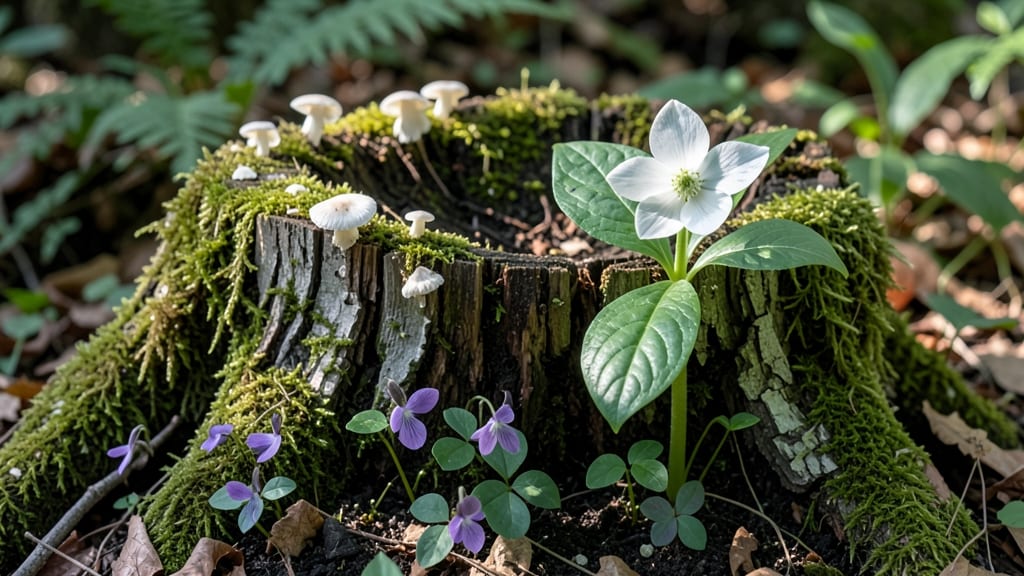
Turn those leftover tree stumps into a whimsical garden centerpiece blooming with tree stump flowers—and watch your yard become the envy of the neighborhood. 🌿 I’ve transformed several in my own yard—what started as a chore became the most talked-about feature.
The secret? A little creativity, the right plants, and a few simple styling tricks.
You don’t need special tools or expensive supplies—just a hollowed stump, some potting soil, and your favorite annuals or perennials. Paint the stump for extra flair, or leave it natural for a rustic look.
My go-to combo is petunias for summer color, followed by pansies in fall, and evergreen moss to keep it lush year-round.
The payoff is instant: a one-of-a-kind focal point that draws compliments and butterflies alike. Stump gardens thrive with minimal maintenance—just water when the soil feels dry and refresh mulch in spring. Plus, they’re perfect for small spaces, containers, or even as a quirky gift for plant-loving friends.
Whether you’re revamping a tired patio or adding magic to a woodland garden, this project proves that even the most ordinary stumps can become extraordinary. Let’s get growing!
📚 In This Guide
- What you need
- Instructions
- Tips and common mistakes
- Wrapping up and next steps
What you need
- ● Tree stump: A freshly cut stump (preferably recently removed, ideally within the last 6–12 months) with a diameter of at least 6–12 inches for optimal flower bed space.
- ● Potting soil or well-draining garden mix: 2–3 cubic feet (adjust based on stump size). Look for a blend labeled for container gardening or perennial flowers.
- ● Slow-release fertilizer: A 10-10-10 or 5-10-5 ratio (1–2 cups) to nourish your plants without overloading the roots.
- ● Mulch: 1–2 bags of pine bark fines or cocoa hull mulch (retains moisture and suppresses weeds).
- ● Watering can or hose with a gentle spray nozzle: For deep but controlled watering.
- ● Hand trowel or small shovel: For digging and leveling soil.
- ● Decorative moss or living moss sheets: To cover the stump’s surface for a whimsical, fairy-tale look (e.g., Sheet Moss or Cushion Moss).
- ● Miniature garden tools: Tiny rakes, watering cans, or even toy-sized tools for a playful touch.
- ● Fairy lights or solar-powered LED lights: To highlight your stump garden at night (battery-operated for safety!).
- ● Slow-release watering spikes: For low-maintenance hydration (great if you travel often).
- ● Child-safe paint (non-toxic): If you’d like to personalize the stump with designs (e.g., polka dots, stripes, or faces).
How to create a stunning tree stump flower garden
Turn a leftover stump into a vibrant, low-maintenance garden feature with these easy steps.
🪴 Step 1: Select and Prepare the Stump
Choose a stump that's at least 12 inches in diameter—smaller ones won't hold enough soil for flowers. Remove any remaining roots or debris with a pruning saw or chisel. If the stump has a hollow center, fill it with 1-2 inches of small gravel first to improve drainage.
I like to sand the top edges smooth with coarse-grit sandpaper—this prevents sharp edges that could damage plant roots or your hands. For extra stability, secure the stump to the ground with 4-6 stakes driven into the sides at a 45-degree angle. This keeps it from rocking when you water or when winds pick up.
🌱 Step 2: Layer and Fill with Soil
Line the top of the stump with a 1-inch layer of landscape fabric to prevent weeds from creeping up through the soil. Cut a hole in the center large enough for your plants. Use a well-draining potting mix—I blend equal parts garden soil, compost, and perlite for best results.
Fill the stump to within 2-3 inches of the rim—this leaves room for mulch and prevents soil from spilling out when you water. Press the soil down lightly with your hands, but don't compact it too tightly. You'll want roots to be able to spread easily through the soil.
☀️ Step 3: Choose and Plant Stump-Friendly Flowers
Select drought-tolerant perennials like sedum, heuchera, or creeping thyme—they thrive in shallow soil and need minimal care. For a whimsical look, add small ornamental grasses or ferns that cascade over the edges. Dig holes just deep enough to accommodate the root balls, then place each plant gently into position.
Here's the thing—don't over-pack the soil around the roots. Instead, water the stump thoroughly after planting, then let gravity settle the soil naturally. This prevents air pockets that can strangle young roots. Space plants 6-8 inches apart to allow for airflow and future growth.
💧 Step 4: Mulch and Water for Establishment
Spread a 1-inch layer of mulch over the soil surface to retain moisture and suppress weeds. I prefer shredded bark or pine needles—they break down slowly and improve soil texture over time. Leave a 1-inch gap around plant stems to prevent rot.
Water deeply right after planting to help the soil settle, then water every 2-3 days until the flowers show new growth. After that, you'll only need to water once a week unless your area experiences extreme heat. The key is keeping the soil consistently moist but never soggy—stumps drain poorly, so overwatering is the biggest mistake.
✂️ Step 5: Maintain and Enjoy Year-Round
Fertilize lightly in spring with a balanced, slow-release fertilizer—I use a 10-10-10 blend at half strength. Deadhead spent blooms regularly to encourage more flowers and keep the garden looking tidy. In fall, add a fresh layer of mulch to protect roots from winter temperature swings.
This is the moment that matters: Your stump garden will thrive with almost no effort. The shallow soil means less competition for water, and the elevated position makes it easy to access for weeding or pruning. Plus, the unique shape adds character to any yard—neighbors will ask how you did it!
Tips & tricks for perfect tree stump flower gardens
Transforming a tree stump into a thriving flower garden is all about the details—here's how to avoid common pitfalls and create a showstopper that lasts.
Stump Stability is Key: In Step 1, those 4-6 stakes at a 45-degree angle aren't just decoration—they're essential for preventing wobble. I've seen stumps topple after just one watering when not properly secured. For extra insurance, especially in windy areas, add a seventh stake on the downwind side. The goal is to make your stump as stable as a table—no one wants to see their hard work tip over mid-summer!
Soil Mix Matters: When blending your equal parts garden soil, compost, and perlite in Step 2, don't skip the perlite—it's what makes this shallow soil work. I've tried without it, and the drainage suffers, leading to root rot. For even better results, add a handful of worm castings to the mix. They'll give your plants a nutrient boost without the risk of burning roots that comes with chemical fertilizers.
Plant Placement Strategy: In Step 3, place taller plants like ornamental grasses toward the center of the stump and shorter varieties like creeping thyme toward the edges. This creates a natural tiered effect that draws the eye upward. Also, consider adding a few trailing plants like ferns to create that whimsical, waterfall effect over the sides—it's what makes these gardens look magical.
Watering Wisdom: The 2-3 days of frequent watering in Step 4 is crucial, but timing matters too. Water in the early morning so the soil has all day to absorb moisture before evening evaporation. I've learned the hard way that watering at night can lead to fungal issues. Once established, your plants will need that weekly watering, but always check the soil first—stick your finger in about an inch deep. If it feels dry, water; if it's still moist, wait another day.
Pro Tips for Tree Stump Flowers
- Transforming a tree stump into a thriving flower garden is all about the details—here's how to avoid common pitfalls and create a showstopper that lasts.
- Stump Stability is Key: In Step 1, those 4-6 stakes at a 45-degree angle aren't just decoration—they're essential for preventing wobble.
- Soil Mix Matters: When blending your equal parts garden soil, compost, and perlite in Step 2, don't skip the perlite—it's what makes this shallow soil work.
Frequently asked questions
Got questions about turning tree stumps into stunning floral displays? Here are some of the most common queries—and their answers—to help you get started with confidence!
Can I plant flowers directly into a tree stump?
Yes! A hollowed-out stump creates a perfect planter. Just remove the center wood, line the sides with landscape fabric to prevent root invasion, and fill with well-draining soil. Succulents, ferns, or even small perennials thrive in this cozy space. Pro tip: Add a slow-release fertilizer to give your flowers a nutrient boost!
What’s the best time of year to plant flowers in a stump?
Spring or early fall are ideal—when soil is workable and temperatures are mild. Avoid extreme heat or frost, as young roots need time to establish. If you’re in a warm climate, you can plant year-round, but monitor moisture levels closely during dry spells.
What are some low-maintenance flower options for stumps?
Opt for drought-tolerant, compact varieties like sedum, heuchera, or mosses. For color, try impatiens (shade-loving) or petunias (sun-friendly). Avoid heavy feeders like roses—they’ll outgrow the space quickly!
My stump flowers keep dying—what’s going wrong?
Check these common issues:
- Poor drainage: Ensure the stump has drainage holes at the bottom.
- Overwatering: Stumps dry out faster than ground soil—water only when the top inch is dry.
- Root competition: If nearby trees are stealing nutrients, mulch the base of the stump to retain moisture.
- Pests: Slugs or insects may target tender new growth—use organic sprays if needed.
Can I paint or decorate the stump before planting?
Seal the stump with outdoor paint or stain before planting to protect it from moisture. Use non-toxic, water-based products to keep your garden safe. For a rustic look, try natural stains, or go bold with vibrant colors—just leave the top open for airflow!
Wrapping up and next steps
Transforming tree stumps into vibrant, year-round floral displays is a creative and rewarding way to breathe new life into your garden!
Whether you’re drawn to the charm of tree stump flowers for their whimsical appeal or their low-maintenance beauty, this project proves that even the simplest materials can yield stunning results. 🌸
Now that you’re inspired, why not pick a stump, gather your supplies, and start crafting? Your garden—and your neighbors—will thank you for the burst of color and joy these floral masterpieces bring. Happy planting! 🌿✨