
Pruning
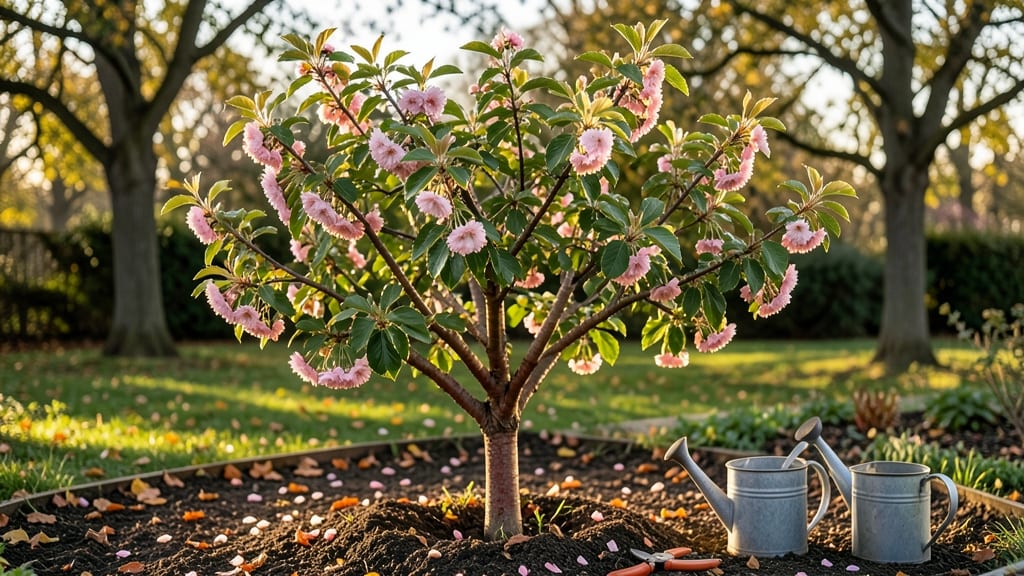
The Sweetheart cherry tree transforms your yard from ordinary to showstopping with its cascading branches and delicate pink blossoms. 🌸 I still remember the first time I saw one in bloom—it looked like a fairy had woven cherry blossoms into the branches.
This compact tree isn’t just beautiful; it’s a fruit-bearing powerhouse that rewards patience with sweet, juicy cherries by midsummer.
Late-winter pruning is where the magic happens—it sets the stage for that stunning spring display and a heavy fruit crop. You’ll need sharp pruners, a ladder (for higher branches), and about 30 minutes of focused work.
The goal? Open the canopy to sunlight, remove dead wood, and shape it into its signature heart-shaped silhouette. Even if you’ve never pruned before, this tree’s forgiving nature makes it beginner-friendly.
After pruning, you’ll watch as fresh green leaves unfurl in spring, followed by clouds of blossoms that perfume the air. By July, you’ll be harvesting cherries straight from your own tree—something store-bought fruit can’t match.
The tree thrives in full sun and well-draining soil, making it perfect for yards with space for a small tree but not a full-sized one.
This versatile tree works as a standalone specimen or paired with other spring bloomers. Just watch for aphids and birds—both love these cherries too! With proper care, your Sweetheart cherry tree will become the centerpiece of your garden for decades.
📚 In This Guide
- What you need
- Instructions
- Tips and common mistakes
- Wrapping up and next steps
What you need
- ● Pruning shears: Bypass pruners (sharp, not anvil-type) for cuts up to ½ inch in diameter. Pro tip: 💡 Sharpen blades before use to avoid tearing bark!
- ● Loppers: For branches ½ to 1½ inches thick. Look for bypass-style with long handles (24–36 inches) for leverage.
- ● Pruning saw: A bow saw or pruning saw for thicker branches (1½+ inches). Choose a fine-toothed blade to prevent splintering.
- ● Gloves: Heavy-duty, cut-resistant gloves (e.g., Mechanix or pruning-specific) to protect hands from thorns and rough bark.
- ● Disinfectant: 70% isopropyl alcohol or a pruner cleaner (e.g., Concrobium) to sterilize tools between cuts and prevent disease spread.
- ● Rubbing alcohol or bleach solution: 1 part bleach to 9 parts water for quick tool sanitization on-site.
- ○ Tarp or drop cloth: To collect fallen branches and debris (optional but handy for cleanup!).
- ● Hand pruners: Compact bypass pruners for small twigs or tight spaces.
- ● Pole saw: Extendable saw for high branches (if your tree is mature).
- ● Tree wound dressing: Not recommended for cherry trees (they seal wounds naturally), but pruning sealant (e.g., Tanglefoot Tree Wound Pruning Seal) can be used if desired.
- ● Marking twine or flags: For tagging branches to remove (helpful for complex pruning plans).
- ● Safety gear: Safety glasses and ear protection if using a chainsaw (for very large branches).
- ● Knowledge of tree anatomy: Familiarize yourself with sweetheart cherry tree structure—identify water sprouts, dead wood, and fruit-bearing spurs before pruning.
- ● Weather check: Prune on a dry, calm day (avoid wind or rain). Ideal temps: 40–60°F.
- ● Tree health assessment: Inspect for diseases (e.g., bacterial canker) or pests before cutting. Report severe issues to a local arborist.
- ● Plan ahead: Sketch a rough pruning map of your tree’s canopy to visualize cuts and maintain an open-center shape.
Step-by-Step instructions for reviving your sweetheart cherry tree
Here's how to wake up your tree and set it up for a fruitful season.
✂️ Step 1: Assess and Prepare Your Tools
Start by inspecting your tree for dead, diseased, or crossing branches—these are your first targets. Grab your sharp pruning shears (cleaned with rubbing alcohol) and a sturdy ladder if branches reach above 6 feet. I always wear gloves to avoid thorn pricks and carry a bucket to collect debris.
Look for branches that are gray, brittle, or devoid of buds—these won’t produce fruit and should be removed completely. Healthy branches have smooth bark, green buds, and flexible wood. Mark these with flagging tape if you're unsure, then revisit after a week to confirm their condition.
✂️ Step 2: Prune for Structure and Airflow
Begin by removing suckers (shoots growing from the base or trunk) and water sprouts (vertical shoots from branches). These drain energy from fruit production. Cut them back to the collar, the swollen area where the branch meets the trunk.
Next, thin out branches to improve airflow and sunlight penetration. Aim to keep 6-8 main scaffold branches spaced evenly around the tree. Remove branches that cross or rub against each other—they’ll create wounds and invite disease. Always cut just outside the branch collar at a 45-degree angle to prevent water from pooling.
✂️ Step 3: Encourage Fruit Production
Focus on fruit-bearing wood—last year’s growth where buds form in clusters. Prune back overly vigorous shoots to redirect energy toward these buds. For each branch, limit cuts to no more than 25% of its total length to avoid stressing the tree.
Open the center of the tree by removing upward-growing branches that block light from reaching the interior. This ensures even fruit ripening and reduces the risk of fungal issues. Step back occasionally to visualize the tree’s shape—your goal is an open, vase-like structure that lets sunlight and air move freely.
💧 Step 4: Clean Up and Protect
Rake up all pruned debris and dispose of it in the trash—never compost infected branches. Sterilize your tools again with rubbing alcohol to prevent spreading disease to other trees. I like to apply a dormant oil spray (like horticultural oil) to the cuts to smother any lingering pests or fungal spores.
After pruning, water the tree deeply to 12 inches below the soil line if winter has been dry. This helps the tree recover and prepares it for spring growth. Avoid fertilizing now—wait until early spring when new growth appears to avoid burning tender roots.
Tips & tricks for perfect sweetheart cherry tree pruning
Real talk: Pruning your sweetheart cherry tree isn't just about cutting branches—it's about setting up your tree for a season of abundant fruit. Here's what nobody tells you about getting it right.
Timing is Everything: Late winter is the perfect window because the tree is dormant but about to wake up. Prune when temperatures are consistently above freezing (around 40°F) but before buds begin to swell—this gives your tree time to heal before spring growth. I've seen trees pruned too early struggle to recover, so mark your calendar for late February to early March in most climates.
The 25% Rule: In Step 3, when you're focusing on fruit-bearing wood, remember the 25% guideline: never remove more than a quarter of a branch's total length in one season. This prevents stressing the tree and ensures it still has enough leaves to photosynthesize. I learned this the hard way after over-pruning a branch and watching it struggle to produce fruit the following year.
Angle Matters: That 45-degree angle when cutting outside the branch collar isn't just a suggestion—it's crucial. Cutting at the wrong angle creates wounds that take longer to heal and can trap moisture, leading to disease. Practice on a few branches first to get comfortable making clean cuts that seal properly. Think of it like making a precise surgical cut rather than a rough chop.
Cleanliness Prevents Disaster: Step 4's emphasis on cleaning up and sterilizing tools is non-negotiable. I've seen fungal infections spread across entire orchards because pruners weren't properly cleaned between trees. After finishing, I like to wipe down my tools with a disinfectant cloth soaked in rubbing alcohol—it takes 30 seconds but prevents years of heartache.
Pro Tips for Sweetheart Cherry Tree
- Real talk: Pruning your sweetheart cherry tree isn't just about cutting branches—it's about setting up your tree for a season of abundant fruit.
- Timing is Everything: Late winter is the perfect window because the tree is dormant but about to wake up.
- The 25% Rule: In Step 3, when you're focusing on fruit-bearing wood, remember the 25% guideline: never remove more than a quarter of a branch's total length in one season.
Frequently asked questions
Got questions about pruning your sweetheart cherry tree? You’re not alone!
Whether you’re a first-time pruner or just want to refine your technique, here are the answers to the most common concerns—so you can give your tree the care it deserves.
When is the best time to prune a sweetheart cherry tree?
Late winter (just before buds swell) is ideal—typically between January and early March. This timing promotes vigorous spring growth while minimizing disease risk. Avoid pruning in fall or early winter, as wounds take longer to heal in cold weather. Pro tip: If you miss late winter, wait until summer (after harvest) for light maintenance pruning only.
Can I prune my sweetheart cherry tree in winter if it’s still snowing?
Yes, but only if the ground isn’t frozen and tools can cut cleanly. Prune on warmer, dry days (above 40°F) to reduce stress on the tree. Avoid heavy pruning during extreme cold snaps—focus on shaping or removing dead wood instead. Warning: Wet, icy conditions can spread bacterial canker, so prune when branches are dry.
Will pruning reduce my cherry harvest next year?
Not if done correctly! Pruning opens the canopy to sunlight and air, which actually boosts fruit production over time. However, avoid over-pruning—remove no more than 25% of the tree’s branches in a single session. Focus on thinning dense growth and removing suckers to redirect energy to fruit-bearing branches.
What if I accidentally prune too much—can I fix it?
Don’t panic! If you’ve removed too many branches, stop pruning immediately and let the tree recover. Water deeply and fertilize lightly in spring. For severe cases, consult a local arborist. Quick fix: Prune less aggressively next year and focus on thinning (removing small branches inside the canopy) rather than heavy cuts.
Are there alternatives to pruning if my tree is already overgrown?
Yes! If pruning feels overwhelming, try selective thinning (removing only the most crowded branches) or crown raising (lifting the lower branches to improve airflow). For very old trees, renewal pruning (gradually removing up to 50% of branches over 3 years) can rejuvenate growth. Bonus: Pair pruning with mulching and deep watering to help the tree recover faster.
How do I prevent disease after pruning?
Sanitize your tools with 70% isopropyl alcohol or bleach before and after pruning to avoid spreading pathogens. Seal cuts with pruning sealant (optional but helpful for large wounds) and avoid pruning when it’s wet. Remove and dispose of (don’t compost) fallen leaves or infected branches to prevent bacterial canker or fungal issues.
Wrapping up and next steps
Pruning your sweetheart cherry tree in late winter isn’t just about shaping—it’s your secret to a fruit-filled future! 🌿 With the right tools, timing, and technique, you’ll encourage vibrant blooms and delicious harvests while keeping your tree healthy and strong.
Remember, patience and precision are key, but the rewards—sweet, juicy cherries—are absolutely worth it.
Ready to roll up your sleeves? Grab your pruners, dust off your gloves, and start planning your late-winter pruning session. Your tree (and your taste buds!) will thank you. 🍒✨