
Pruning
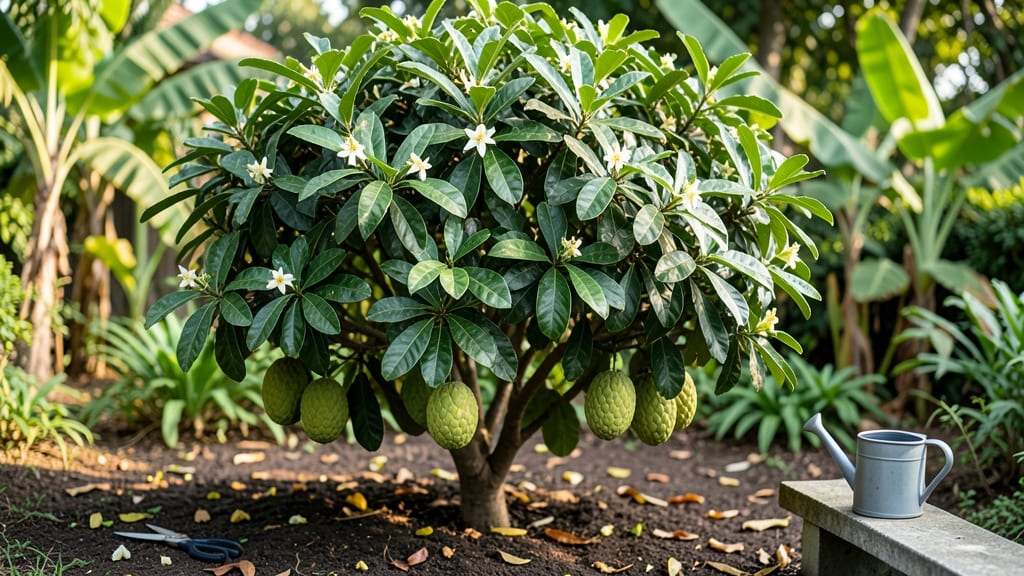
Caring for a sugar apple tree means unlocking a tropical treat in your own backyard—creamy, honey-sweet fruit that thrives even with a little frost tolerance once established. 🌱 I’ve grown mine through two winters now, and the key isn’t just the soil or sun, but when you prune.
A single late-winter trim can mean the difference between scraggly branches and a tree bursting with fruit by summer.
The secret starts with the right setup: well-draining soil, 6+ hours of sunlight daily, and a spot sheltered from harsh winds. Sugar apples hate soggy roots, so raised beds or mounds work wonders in cooler climates.
Pruning isn’t just about shaping—it’s about airflow, which keeps diseases at bay and fruit production steady. I learned the hard way that skipping winter pruning leads to weak growth, so I now make it a habit every late February, just before buds swell.
By summer, you’ll see the payoff: glossy green leaves and clusters of those distinctive heart-shaped fruit. The fruit itself ripens unevenly—some turn golden while others stay green—so I harvest weekly once they soften slightly.
With proper care, a single tree can yield 50+ pounds of fruit, enough to share with neighbors or freeze for smoothies. The real magic? This tropical tree handles light frosts down to 25°F once mature, making it far hardier than most expect.
For those in colder zones, start with a container-grown tree and bring it indoors during deep freezes. Mulch heavily in winter to protect roots, and avoid heavy fertilization after mid-summer—it encourages tender new growth that won’t survive cold snaps.
Patience is key: fruit production ramps up in years 3-5, but the wait is worth every sweet bite. Ready to grow your own tropical treasure?
📚 In This Guide
- What you need
- Instructions
- Tips and common mistakes
- Wrapping up and next steps
What you need
- ● Pruning shears: Bypass pruners (sharp, 6-8 inch blades) for clean cuts on small branches. Quantity: 1 pair.
- ● Loppers: For thicker branches (up to 2 inches in diameter). Quantity: 1 pair.
- ● Pruning saw: Curved-tooth or folding saw for larger branches (2+ inches). Quantity: 1.
- ● Gloves: Heavy-duty, cut-resistant gloves to protect your hands. Quantity: 1 pair.
- ● Disinfectant: 70% isopropyl alcohol or bleach solution (1 part bleach to 9 parts water) to sterilize tools between cuts. Quantity: Small bottle or spray.
- ○ Pruning sealant: Tree wound dressing (optional but helpful for larger cuts). Quantity: Small tube.
- ● Work boots: Sturdy, ankle-supportive footwear for stability.
- ● Safety glasses: To shield eyes from debris.
- ● Extension pole: For hard-to-reach branches (3-6 feet long).
- ● Ladder: If your tree is tall (ensure it’s stable and rated for your weight).
- ● Marking twine or tape: To tag branches for removal or special attention.
- ● Wheelbarrow or tarp: For hauling away pruned branches.
- ○ Tree growth regulator: Optional organic option like seaweed extract to promote healing.
Step-by-Step guide to pruning your sugar apple tree
Here’s how to keep your frost-hardy fruit tree thriving year-round with simple, effective pruning.
✂️ Step 1: Plan Your Seasonal Pruning Schedule
Sugar apple trees benefit from three pruning sessions per year: late winter (just before buds swell), early summer (after fruit sets), and light touch-ups in fall. Late winter is the most critical—it removes dead wood and opens the canopy for sunlight. I always mark the calendar for February in cold climates and January in warmer zones, when the tree is still dormant but before new growth starts.
Use sharp, clean pruning shears to make cuts at a 45-degree angle, just above a bud or branch collar. Avoid leaving stubs—they invite disease. If you’re unsure which branches to cut, focus on crossing branches (rubbing against each other) and weak, spindly growth that won’t produce fruit.
🌿 Step 2: Prune for Airflow and Sunlight in Late Winter
Start by removing dead, diseased, or damaged branches—they’re easy to spot as they’re brown, brittle, or missing bark. Next, thin out the canopy by cutting back 10-20% of the smallest branches to improve airflow. This prevents fungal issues and helps fruit ripen evenly. I like to step back every few cuts to visualize the tree’s shape—you want an open center that lets sunlight reach the inner branches.
Watch for water sprouts (fast-growing, vertical shoots) and suckers (shoots at the base). These steal energy from fruit production. Snip them off at the base with clean shears. If you’re pruning a young tree, aim to shape it into an open vase form—this encourages strong structure as it matures.
☀️ Step 3: Light Summer Pruning After Fruit Sets
Once the sugar apples have set (usually 6-8 weeks after flowering), do a light pruning to remove any branches that are overcrowding fruit clusters or growing inward. This ensures the remaining fruit gets enough sunlight and air circulation. I focus on thinning out excess branches rather than heavy cutting—think of it as giving your tree a haircut, not a buzz cut.
Look for shoots growing from the trunk or major branches—these are called "water sprouts" and should be pruned back to a bud. Avoid pruning when the tree is under stress (like during a drought) or when pests are active. If you notice yellowing leaves or wilting, hold off on pruning until the tree recovers.
⏰ Step 4: Fall Cleanup and Winter Prep
In late fall, do a final walkthrough to remove any dead leaves, twigs, or diseased branches that might harbor pests over winter. Rake up debris around the base of the tree to reduce hiding spots for insects. This is also a good time to apply a fresh layer of mulch (if using) to protect roots from freezing temperatures.
If your sugar apple tree is in a frost-prone area, consider wrapping the trunk with tree guard or burlap for young trees. Avoid heavy pruning in fall—it stimulates new growth that won’t harden off before winter. Instead, focus on cleaning up and preparing the soil for spring.
Tips & tricks for pruning your sugar apple tree
Real talk: The difference between a thriving sugar apple tree and one that struggles isn't just timing—it's the little details that keep your tree healthy and productive.
Tool Prep: Before you even touch your tree, make sure your pruning shears are sharp and clean. Dull blades tear bark, inviting disease—like inviting pests to a buffet. I disinfect my shears with rubbing alcohol between cuts on different branches, especially when dealing with diseased wood. This simple step can save your tree from infections that spread like gossip at a garden party.
Visualizing the Tree: Step back every 5-10 cuts to visualize the tree's shape. In Step 2, when you're thinning the canopy, think of your tree as a sculpture—you want to create an open center that lets sunlight reach all branches. I like to imagine I'm looking at a clock: branches should be spaced like numbers, not crowded together like a mosh pit. This airflow is what prevents fungal diseases and helps those sugar apples ripen evenly.
Seasonal Nuances: The timing in Step 1 is crucial, but here's what nobody tells you—your tree's response varies by region. In colder climates, February's late winter pruning might need to wait until after the last frost. In warmer zones, January's dormant season might extend into February. Watch for bud swell: when those tiny buds start to plump up, that's your cue to prune. It's like reading your tree's calendar—don't guess, observe.
Young Tree Strategy: For young trees in Step 2, focus on creating that open vase form by selectively removing branches that grow straight up or cross others. These vertical water sprouts might look vigorous, but they're energy vampires—sapping nutrients that could go toward fruit production. I've seen young trees go from spindly to lush in just one growing season after proper pruning. It's like giving your tree a growth hormone shot, naturally.
Pro Tips for Sugar Apple Tree Care
- Real talk: The difference between a thriving sugar apple tree and one that struggles isn't just timing—it's the little details that keep your tree healthy and productive.
- Tool Prep: Before you even touch your tree, make sure your pruning shears are sharp and clean.
- Visualizing the Tree: Step back every 5-10 cuts to visualize the tree's shape.
Frequently asked questions
Got questions about sugar apple tree care?
You’re not alone! Here are answers to the most common concerns—from pruning tips to frost prep—so you can keep your tree thriving year-round.
How cold can a sugar apple tree tolerate before frost damage?
A sugar apple tree (Annona squamosa) is surprisingly hardy for tropical fruit—it can survive light frosts down to 28–32°F (-2 to 0°C). However, prolonged exposure below 25°F (-4°C) risks leaf burn or bud damage. Pro tip: Mulch heavily in winter and cover young trees with frost cloth for extra protection.
When is the best time to prune sugar apple trees for fruit production?
Prune your sugar apple tree twice a year for optimal fruitfulness:
- Late winter/early spring (before buds swell) – Remove dead/diseased wood and shape the canopy to improve airflow.
- Summer (after fruiting) – Lightly trim to encourage new growth and balance the tree’s energy for next year’s harvest.
Can I prune sugar apple trees too much? What are the signs?
Yes! Over-pruning stresses the tree, reducing fruit yield. Watch for:
- Excessive leaf drop or sparse foliage.
- Stunted growth or weak, leggy branches.
- Fewer flowers/fruit the following season.
What’s the fastest way to recover a sugar apple tree after pruning?
Recovery depends on timing and aftercare:
- Water deeply 1–2 weeks post-prune to reduce stress.
- Apply a balanced fertilizer (e.g., 10-10-10) to support regrowth.
- Mulch with 2–3 inches of organic matter (like compost) to retain moisture.
Are there frost-resistant alternatives to sugar apple trees?
If your climate is too cold for sugar apples, try these cold-hardy fruit trees:
- Hardy kiwi (Actinidia arguta) – Thrives to Zone 4 (-30°F/-34°C) and produces edible berries.
- Jostaberry (Ribes nidigrolaria) – A hybrid blackcurrant-gooseberry that handles Zone 3 frost.
- Honeyberry (Lonicera caerulea) – Tolerates Zone 2 and fruits early in spring.
Wrapping up and next steps
Caring for your sugar apple tree is a rewarding journey that blends patience with purpose—especially when it comes to year-round pruning to boost frost resilience and fruitfulness. 🌱 By mastering the right tools, timing, and techniques, you’ll nurture a thriving tree that delivers sweet, tropical treats for years.
Now that you’re armed with expert tips, roll up your sleeves and give your tree the attention it deserves—your future harvests will thank you!
Next step: Schedule your first pruning session (or refine your approach) and observe how your tree responds over the seasons. Happy pruning! 🌿✨