
Trees
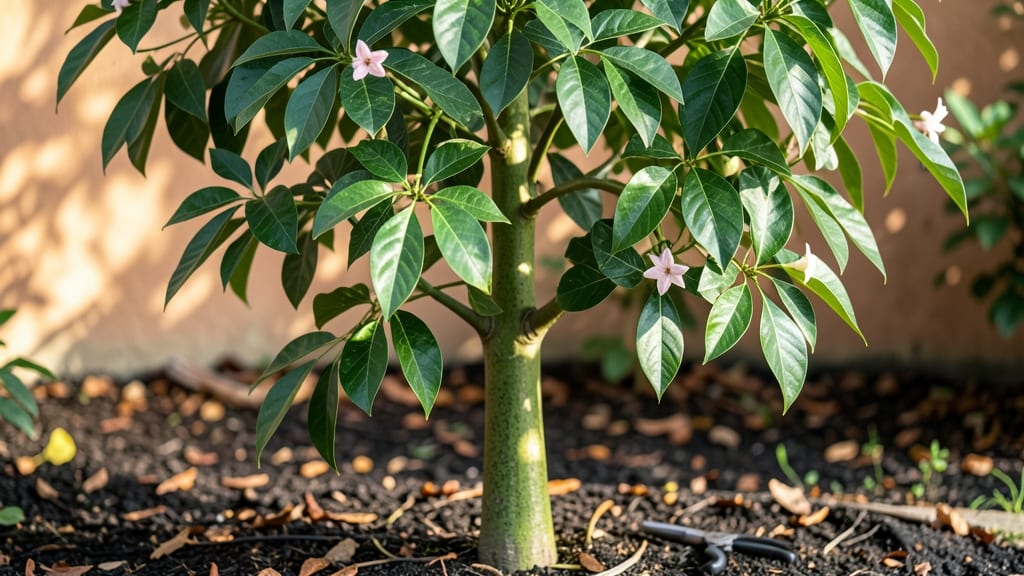
Growing star fruit trees in the Pacific Northwest isn't just possible—it's a rewarding challenge that pays off with those signature star-shaped fruits. 🌟 I've learned the hard way that treating them like tropical plants dooms them, but with the right microclimate tricks, they thrive even in cooler summers.
The key starts with protecting them from frost and mimicking their native humidity levels.
These trees demand well-draining soil mixed with compost, and they need full sun—at least 6-8 hours daily—though afternoon shade helps in hotter microclimates. Container growing works surprisingly well for beginners, letting you move plants indoors when temperatures drop below 50°F.
Watering needs are moderate but consistent; let the top inch dry out between waterings to avoid root rot.
Within 3-5 years, you'll see your first fruits—small, tart, and star-shaped—if you've given the tree enough time to establish. The real magic happens when the tree matures: 10-15 foot tall with a spread that casts dappled shade, and branches heavy with fruit that ripens in late summer.
The scent alone is enough to make neighbors ask for cuttings.
Here's the secret: treat them like finicky tropical houseplants in winter, and they'll reward you with fruit that's sweeter than anything you've bought. The Pacific Northwest's mild summers actually work in your favor—just shield them from cold snaps, and you'll be harvesting your own star fruit in no time.
📚 In This Guide
- What you need
- Instructions
- Tips and common mistakes
- Wrapping up and next steps
What you need
- ● Star fruit tree: Choose a dwarf variety (e.g., Averrhoa carambola ‘Dwarf’) for containers or a standard tree for in-ground planting.
- ● Well-draining soil: 50% potting mix + 50% perlite/pumice (for containers) or amend garden soil with compost and coarse sand.
- ● Container (if potted): 15–25 gallon pot with drainage holes (for dwarf varieties).
- ● Fertilizer: Balanced organic fertilizer (10-10-10) or citrus-specific fertilizer (e.g., Espoma Citrus-Tone).
- ● Mulch: Wood chips or straw to retain moisture and regulate soil temp.
- ● Trowel or shovel (for planting).
- ● Garden gloves (to protect hands from thorns!).
- ● Watering can or hose with a gentle spray nozzle.
- ● Pruning shears (sterilized, for shaping).
- ○ Optional but helpful: pH test kit (ideal range: 5.5–6.5).
- ● Drip irrigation system (for consistent moisture).
- ● Grow lights (if indoors or low-light microclimate).
- ● Sheltered spot: Protect from harsh winds (e.g., near a south-facing wall or under eaves).
- ● Sunlight: Full sun (6+ hours/day) or dappled shade in hotter microclimates (e.g., Willamette Valley).
- ● Temperature control: Avoid frost (star fruit trees hate cold!). Use row covers or move pots indoors in winter.
Step-by-step guide for cultivating star fruit trees in Pacific Northwest microclimates
Here's how to coax tropical star fruit into thriving production despite cool coastal summers.
🌱 Step 1: Select the Right Variety and Site
Choose the Carambola 'Arka Surya' variety—it's the most cold-tolerant star fruit and handles 50-60°F nights better than others. Look for a microclimate with at least 100 frost-free days and 6+ hours of direct sun daily. South-facing slopes or urban heat islands work best along the PNW coast.
I always test the site for 2-3 weeks before planting by placing a thermometer where the tree will go. If temperatures dip below 55°F at night, you'll need to protect the tree with frost cloths or grow it in a large container that can be moved indoors during cold snaps.
☀️ Step 2: Prepare Soil and Plant with Summer Heat Protection
Amend native soil with 3 cubic feet of compost and 1 pound of 10-10-10 fertilizer per planting hole to improve drainage and fertility. Star fruit hates soggy roots, so raise beds 6-12 inches above ground level if your site has poor drainage. The root system needs excellent aeration to prevent root rot.
Plant in late spring after the last frost, when soil temperatures reach 70°F at a depth of 4 inches. I like to use a 5-gallon container-grown tree for easier establishment—just remove it from the pot, loosen the roots, and place it in the hole at the same depth it was growing before. Water deeply to eliminate air pockets.
💧 Step 3: Establish a Summer Watering and Mulching Routine
Water deeply 2-3 times per week during the first growing season, providing 1-2 gallons per watering depending on tree size. Let the soil dry slightly between waterings—star fruit is drought-tolerant once established, but young trees need consistent moisture. You'll know it's right when the top 2-3 inches of soil feel dry to touch.
Apply 3 inches of wood chip mulch around the base, keeping it 6 inches away from the trunk to prevent rot. The mulch conserves moisture and regulates soil temperature. I also install a drip irrigation system on a timer to automate watering—star fruit trees appreciate steady moisture but hate soggy feet.
✂️ Step 4: Prune for Airflow and Fruit Production
Prune in late winter to remove dead or crossing branches, opening the canopy to improve airflow and sunlight penetration. Star fruit trees flower on new growth, so I avoid heavy pruning—just shape the tree to maintain an open center. Remove any suckers at the base immediately to focus energy on fruit production.
After fruiting, cut back any overly vigorous growth that shades the center of the tree. You'll want to maintain a balance where sunlight reaches all branches—this ensures even fruit development. A well-pruned star fruit tree produces 200-300 fruits per season once mature.
⏰ Step 5: Protect During Cool Summers and Winter
When nighttime temperatures drop below 60°F, cover young trees with frost cloth or a clear plastic tunnel to trap heat. Mature trees can handle cooler summers better, but fruit development slows significantly. I've found that supplementing with a 100-watt grow light near the tree during cloudy periods helps maintain fruit set.
In winter, move container-grown trees indoors to a garage or sunroom where temperatures stay above 45°F. If planting in the ground, wrap the trunk with burlap and cover with mulch up to the graft union. Star fruit trees are tropical at heart—don't let them experience temperatures below 32°F for more than a few hours.
Tips & tricks for perfect star fruit trees in Pacific Northwest microclimates
Real talk: Growing tropical fruit in cool climates takes strategy. These tips will help you navigate the PNW's unique challenges and get that 'Arka Surya' producing like a pro.
Microclimate Site Selection: The 100 frost-free days requirement is non-negotiable, but don't stop there. I've found that urban heat islands—like parking lots or blacktop areas—can add 5-10°F to ambient temperatures. Place your thermometer at the actual planting site for 2-3 weeks before committing. If nighttime temps dip below 55°F, consider elevated beds or container growing for better heat retention.
Soil Preparation Secret: That 3 cubic feet of compost per hole isn't just about nutrients—it's about creating the perfect air-to-water ratio. For heavy clay soils common in PNW, mix in 20% perlite or coarse sand to improve drainage. I've seen star fruit trees fail in soggy soil despite perfect care. The root system needs to breathe, especially during our wet winters.
Container Growing Advantage: If you're working with limited space or cooler microclimates, container growing is your best bet. Use at least a 15-gallon pot with drainage holes and move it indoors during winter. The key is maintaining consistent soil temperatures—keep your garage or sunroom between 45-60°F. I've successfully overwintered trees in grow tents with heat mats for even more control.
Winter Protection Hacks: That 32°F threshold is critical—any colder and you risk damage. For in-ground trees, wrap the trunk with burlap and add extra mulch (up to 6 inches deep) to insulate roots. For container trees, move them to an unheated garage where temps stay above freezing. I've used clear plastic tunnels with a small space heater (set to low) to create microclimates during our coldest snaps.
Pro Tips for Star Fruit Trees
- Real talk: Growing tropical fruit in cool climates takes strategy.
- Microclimate Site Selection: The 100 frost-free days requirement is non-negotiable, but don't stop there.
- Soil Preparation Secret: That 3 cubic feet of compost per hole isn't just about nutrients—it's about creating the perfect air-to-water ratio.
Frequently asked questions
Got questions about growing star fruit trees in the Pacific Northwest? You’re not alone! Here are some of the most common queries—and their straightforward answers—to help you thrive.
Can star fruit trees survive PNW winters?
Star fruit (Averrhoa carambola) is tropical and not cold-hardy—most varieties die below 25°F (-4°C). In the PNW, grow them in containers and move them indoors or to a greenhouse during winter. Microclimates near south-facing walls or greenhouses can extend their growing season with some protection.
How long does it take for a star fruit tree to bear fruit?
Patience is key! Star fruit trees typically take 3–5 years to bear fruit from seed, while grafted trees may fruit in 1–2 years. Consistent care—like full sun, well-draining soil, and regular watering—speeds up the process. Pro tip: Prune lightly to encourage fruiting branches.
Are there cold-tolerant star fruit varieties?
While no star fruit is truly cold-hardy, some varieties handle mild winters better than others. ‘Arka Sahan’ and ‘Petchaburi’ are slightly more resilient but still need protection. For PNW growers, dwarf varieties in containers are your best bet—just keep them cozy!
What pests or diseases should I watch for?
Star fruit trees can attract aphids, mealybugs, and scale insects. Yellowing leaves? Check for sooty mold (a fungal hitchhiker on sap-sucking pests). Overwatering leads to root rot, so ensure pots have drainage holes. Preventative tip: Spray neem oil monthly during growing season.
Can I eat star fruit straight from the tree?
When ripe (golden-yellow with a sweet, tangy aroma), star fruit is delicious raw, in salads, or even grilled. Warning: The seeds and unripe fruit contain oxalates, which can be toxic to people with kidney issues—consume with caution.
Wrapping up and next steps
Growing star fruit trees in the Pacific Northwest is absolutely doable with the right microclimate care—whether you’re a seasoned gardener or just starting out! 🌱 By choosing the perfect spot, providing consistent warmth, and protecting your tree from frost, you’ll soon be rewarded with sweet, tangy fruit that’s as beautiful as it is delicious.
Don’t let challenges like winter dormancy or pests hold you back—with patience and these expert tips, your star fruit tree can thrive.
Ready to take the next step? Start small—plant a single tree in a container or a sheltered microclimate this season, and watch your confidence (and harvest!) grow. Happy gardening! 🌟