
Planting
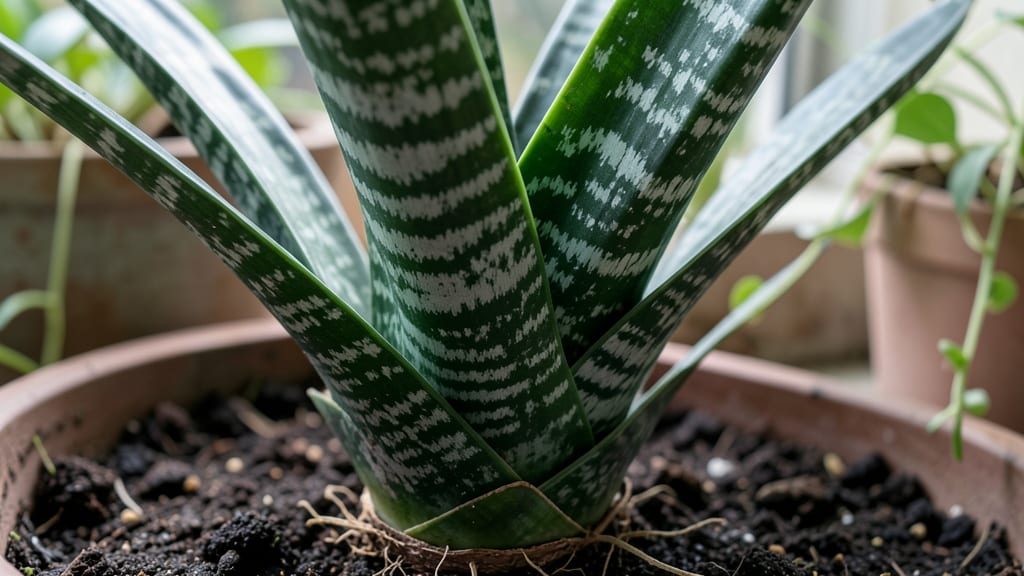
The snake tree plant thrives where others fail—its striking, arching foliage brings tropical drama to Pacific Northwest homes, even in shady corners. 🌿 I’ve watched mine grow from a 6-inch sapling to a 6-foot statement piece in just three years, and the secret isn’t complicated: it’s all about light, water, and patience.
This plant survives on neglect but rewards attention with glossy, sword-like leaves that cascade like a natural curtain. You’ll need well-draining soil (cactus mix works perfectly) and a pot with drainage holes—no fancy setups required.
Water only when the top inch of soil feels dry, and you’ll avoid the root rot that plagues overwatered houseplants.
By spring, you’ll notice new growth at the tips of those elegant branches, and with occasional pruning, your snake tree will stay bushier and fuller. It’s the kind of plant that grows with you—starting small but becoming a centerpiece over time.
Even in dim PNW light, it keeps its vibrant green color and upright form.
Whether you’re a beginner or a plant enthusiast, this care guide will help you keep your snake tree thriving for years. The best part? It purifies the air while doing it—nature’s silent helper in your home. Let’s get growing!
📚 In This Guide
- What you need
- Instructions
- Tips and common mistakes
- Wrapping up and next steps
What you need
- ● Snake Plant (Sansevieria trifasciata) – 1 healthy, mature plant (check for firm leaves and no yellowing).
- ● Well-draining potting mix – 1 bag (10-15 quarts) of cactus or succulent mix (or add perlite/pumice to regular soil for drainage).
- ● Pot with drainage holes – 1 container (8-12 inches in diameter) with drainage holes to prevent root rot.
- ● Watering can with a narrow spout – 1 (to avoid oversaturating the soil).
- ○ Gloves (optional but recommended) – 1 pair (snake plants can have sharp edges!).
- ● Trowel or small shovel – 1 (for repotting or dividing plants).
- ● Pruning shears (sterilized) – 1 (for trimming damaged leaves).
- ● Bright, indirect light access – A sunny windowsill or grow light (4-6 hours/day).
- ○ Humidity tray (optional) – 1 (if your PNW home is very dry).
- ● Fertilizer (balanced, diluted) – 1 bottle (e.g., 10-10-10 or succulent-specific).
Step-by-Step guide to growing a thriving snake plant in Pacific Northwest climates
Here's how to coax this hardy tropical into lush, room-filling growth—even when your winters feel more like Seattle than the savanna.
🪴 Step 1: Select the Right Container and Soil Mix
Snake plants thrive in pots with drainage holes to prevent root rot—choose a container at least 12 inches wide for each plant, with sides deep enough to accommodate the plant's mature height. Terra cotta works best because it breathes and helps regulate moisture.
Use a well-draining cactus and succulent mix combined with one part perlite to create air pockets. I like to add a handful of orchid bark for extra aeration. The soil should feel gritty when dry and never stay soggy after watering. If you're repotting, choose a pot just 2-3 inches larger than the current one—too much space encourages overwatering.
☀️ Step 2: Position for Bright, Indirect Light
Snake plants tolerate low light better than most tropicals, but they grow most vigorously in bright, indirect light—think east-facing windows or a few feet from a south-facing one. In the Pacific Northwest, where direct sun is limited, place yours near a window where it gets 4-6 hours of filtered light daily.
If leaves start stretching toward the light (a sign of "leggy" growth), rotate the pot a quarter turn weekly so the plant grows evenly. You'll notice new leaves emerging straighter and fuller within a few weeks. Avoid deep shade—leaves will yellow and weaken over time.
💧 Step 3: Water Deeply but Infrequently
Water only when the top 2-3 inches of soil feel completely dry to the touch. Stick your finger in—if it comes out clean, it's time. In winter, watering every 3-4 weeks is normal; in summer, you might water every 2 weeks. Overwatering is the #1 killer of snake plants, so always err on the side of dryness.
When watering, soak the soil until water runs out the drainage holes, then empty the saucer immediately. This prevents root rot while ensuring the plant gets a thorough drink. You'll see the leaves plump up slightly after watering—that's your cue everything's balanced.
✂️ Step 4: Prune and Propagate for Fullness
Snake plants grow slowly, but you can encourage bushier growth by trimming leggy stems. Use sterilized scissors to cut just above a leaf node (the bump where leaves grow). The cut stem can be placed in water to root—just wait until the bottom 1 inch turns slightly mushy before planting in soil.
Remove any yellow or brown leaves at the base immediately—they drain nutrients and attract pests. I like to do this every spring and fall to keep the plant looking its best. Propagating offsets (pups) is even easier: gently twist them free from the mother plant and pot them up in the same soil mix.
Tips & tricks for perfect snake tree plant growth
Real talk: These are the details that separate a struggling snake plant from one that thrives in your Pacific Northwest home.
Container Selection Tip: While any 12-inch pot works, terra cotta is your best friend for moisture regulation. The porous material wicks away excess moisture, which is crucial during our damp winters. If you're using a decorative pot without drainage holes, always nest it inside a cache pot with pebbles and water to prevent root rot. Pro move: Elevate pots on feet to improve air circulation around the base.
Soil Mix Insight: The gritty texture from cactus mix and perlite isn't just about drainage—it's about oxygen flow to the roots. I've found that adding orchid bark creates even better aeration, especially in denser soil mixes. If you can't find cactus mix, combine regular potting soil with 30% perlite and 10% coarse sand for similar results. The soil should crumble easily when dry, not stick together.
Light Rotation Strategy: That quarter-turn weekly rotation in Step 2 isn't just about looks—it's about preventing the plant from growing toward the light source. In our cloudy PNW winters, supplement with a grow light on a timer for 6 hours daily if you notice leaves stretching. I place mine 12-18 inches above the plant for balanced growth. Watch for new leaves emerging straighter within 3-4 weeks of consistent rotation.
Watering Visual Cues: The "finger test" in Step 3 works, but here's the thing: If you're unsure, use a chopstick or skewer instead—it's more hygienic and gives you a clearer sense of soil moisture. After watering, the leaves should plump up noticeably. If they stay flat or look wrinkled, it's time to water again. In winter, I test soil moisture more frequently than checking the calendar—our indoor heating can dry out soil faster than expected.
Pro Tips for Snake Tree Plant
- Real talk: These are the details that separate a struggling snake plant from one that thrives in your Pacific Northwest home.
- Container Selection Tip: While any 12-inch pot works, terra cotta is your best friend for moisture regulation.
- Soil Mix Insight: The gritty texture from cactus mix and perlite isn't just about drainage—it's about oxygen flow to the roots.
Frequently asked questions
Got questions about growing the snake tree plant (Dracaena marginata) in your Pacific Northwest garden? Here are some of the most common ones—and their answers!
Can a snake plant (Dracaena marginata) survive outdoors in the PNW?
The snake tree plant thrives indoors but can handle mild PNW summers (Zones 10-11) with partial shade and protection from wind. For cooler zones (7-9), treat it as a temporary outdoor plant during warm months—bring it inside before frost hits.
How often should I water my snake tree plant?
Let the soil dry out completely between waterings—usually every 2-3 weeks (less in winter). Overwatering is the #1 killer! Stick your finger 1-2 inches deep; if it’s dry, water thoroughly. Yellow leaves = too much water.
Why are my snake tree plant’s leaves turning brown or crispy?
Brown tips or edges? Low humidity or fluoride in tap water are likely culprits. Try these fixes:
- Mist leaves or use a pebble tray.
- Water with filtered or distilled water.
- Wipe leaves with a damp cloth to remove dust.
What’s the best light for a snake tree plant indoors?
Bright, indirect light is ideal—think east or north-facing windows. Too little light? Leaves may stretch (etiolation). Too much direct sun? Leaf scorch can occur. A rotating schedule (turn the pot weekly) ensures even growth.
Are there snake plant alternatives for low-light PNW homes?
Yes! If your home lacks bright light, try these low-maintenance, drought-tolerant alternatives:
- ZZ Plant (Zamioculcas zamiifolia) – Nearly indestructible.
- Cast Iron Plant (Aspidistra elatior) – Thrives in shade.
- Ponytail Palm (Beaucarnea recurvata) – Stores water like a snake plant.
Wrapping up and next steps
The snake tree plant is a stunning, low-maintenance addition that brings a taste of the tropics to your Pacific Northwest garden—even in cooler zones! 🌿 With its striking foliage and adaptability, it’s perfect for adding year-round interest and a touch of exotic beauty.
Whether you’re a seasoned gardener or just starting out, this plant proves that vibrant greenery is within everyone’s reach.
Ready to transform your space? Start by gathering your supplies and follow the steps to give your snake plant the perfect home. Happy planting—and enjoy your lush, thriving tropical oasis! 🌱