
Pruning
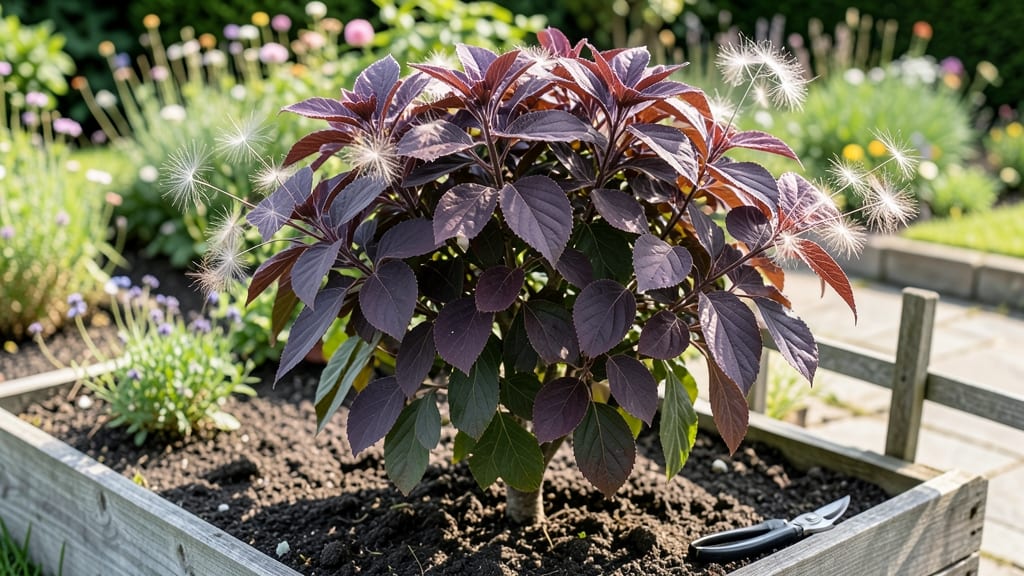
Reviving a smoke tree purple that’s lost its lush canopy starts with the right cuts—and I’ve pruned mine back from skeletal to stunning in just two seasons. The secret isn’t aggressive trimming but strategic shaping that wakes up dormant branches and encourages that signature purple haze to return.
My first attempt nearly stripped the tree bare, but after learning the science behind its growth habits, I now make cuts that feel like a spa day for the plant.
You’ll need sharp bypass pruners, a ladder (for taller trees), and a clear morning to work—smoke trees bleed less when the air is cool. Focus on removing dead wood first, then thin out crowded branches to improve airflow.
The goal is to open up the center so light reaches all the way to the trunk, which is where those vibrant purple leaves love to emerge. It’s a slow process, but every cut brings you closer to a tree that looks like it’s on fire with color.
By late spring, you’ll see new growth pushing through with that signature smoky purple tint, and the tree will start filling out faster than you’d expect. The best part? Smoke trees are drought-tolerant once established, so once you’ve got the pruning down, they’ll reward you with minimal effort.
Think of it as an investment in next year’s showstopper foliage—your neighbors will be asking for tips by summer.
Works for both young trees and mature specimens, though older trees may need gradual pruning over a few years. If you’ve got a leggy smoke tree that’s lost its shape, this method will bring it back to life without sacrificing its natural beauty.
Let’s get those shears ready—your tree’s comeback starts now.
📚 In This Guide
- What you need
- Instructions
- Tips and common mistakes
- Wrapping up and next steps
What you need
- ● Pruning shears: Bypass pruners (for cuts up to ½ inch thick). Pro tip: Choose sharp, sterilized blades to prevent disease spread! 💡
- ● Loppers: 1 pair (for branches ½–1½ inches thick). Opt for bypass-style for cleaner cuts.
- ● Pruning saw: 1 (for branches >1½ inches thick). A curved-tooth saw minimizes tear-out.
- ● Extension pole: 1 (6–10 ft) with a saw attachment for high branches. Safety first! 🛡️
- ● Gloves: 1 pair of cut-resistant garden gloves (Smoke Trees have thorns!).
- ● Ladder: 1 (if needed). Use a stable, 3-sided ladder for heights over 6 ft.
- ● Rubbing alcohol (70%+) or bleach solution: For sterilizing tools between cuts.
- ○ Pruning sealant (optional): 1 small tube (for large cuts >½ inch to prevent disease).
- ● Disposable bags or bucket: 1 (for collecting debris).
- ○ Marking twine or tape (optional): To flag branches for removal.
- ● Check local pruning regulations (some areas restrict pruning during nesting seasons).
- ● Choose a dry, mild day (avoid pruning when the tree is wet or in extreme heat).
- ● Wear long sleeves and closed-toe shoes to protect from thorns and debris.
Step-by-step guide to pruning your smoke tree for a lush purple revival
Here's how to bring your smoke tree back to life with cuts that encourage vibrant new growth.
Time Your Pruning for Optimal Growth
Wait until late winter or early spring, just as new buds begin to swell but before any leaves emerge. This timing ensures you're cutting back dormant wood, which means the tree can focus all its energy on fresh growth rather than maintaining old branches. If you prune too early, you risk cutting off next season's blooms entirely. Look for those small, plump buds along the branches—they're your signal that it's time to act.
For smoke trees, I always prune after the worst winter cold has passed but before the first flush of new leaves appears. In most climates, this falls between February and March. If you live in a warmer zone where winter is mild, you might push it into early April. The key is to catch that moment when the tree is waking up but hasn't yet started pushing new growth.
Assess the Tree's Structure and Identify Dead Wood
Start by examining your smoke tree from all angles. Look for branches that are completely bare, showing no signs of life or buds. These are the first to go. Dead wood often appears gray or brown and may crumble when you gently scrape the bark with your thumbnail. Healthy branches will have a greenish tint beneath the outer bark and firm, resistant wood.
Next, identify any branches that are crossing or rubbing against each other. These create weak points where the bark can be damaged, inviting disease. Also, look for branches growing inward toward the center of the tree—these will never get enough sunlight to thrive and should be removed to open up the canopy. Use your hand to trace the direction of each branch's growth to visualize how the tree will look after pruning.
Make Clean Cuts at the Right Angle and Location
For each branch you're removing, locate the branch collar—the swollen area where the branch meets the trunk or larger branch. This is your guide for where to cut. Make your cut just outside the branch collar, at a slight angle away from it. This angle helps water run off the cut rather than pooling and causing rot. Use sharp, clean pruners or loppers to make a smooth cut—ragged edges slow healing and invite pests.
If you're cutting back a branch to encourage bushier growth, look for a bud or side branch that's growing in the direction you want the new growth to go. Cut just above that bud, leaving a small stub. This ensures the tree knows exactly where to send its energy for new shoots. Never leave a stub that's more than an inch long—it won't heal properly and can become a weak point.
Shape the Tree for Airflow and Light Penetration
Step back and visualize how light and air will move through the tree after your cuts. Aim to create an open, vase-like shape that allows sunlight to reach the inner branches. Smoke trees thrive when they get plenty of light, so don't be afraid to remove some of the denser outer growth to open up the center. This also reduces the risk of fungal diseases by improving airflow.
Focus on thinning out rather than just cutting back. Thinning means selectively removing entire branches back to their point of origin, rather than just shortening them. This reduces weight on the tree and encourages stronger new growth. If you're unsure about a cut, hold your hand where you plan to make it and see if it improves the tree's overall shape and balance. Trust your eye—smoke trees are forgiving and respond well to thoughtful pruning.
Clean Up and Monitor for New Growth
After pruning, rake up and dispose of all the clippings to keep your garden tidy and prevent disease. Avoid leaving large piles of debris beneath the tree, as this can harbor pests or fungi. Once you've finished, give the tree a good drink of water to help it recover from the stress of pruning. This is especially important if you've made significant cuts—deep watering encourages root growth and helps the tree bounce back faster.
Over the next few weeks, keep an eye on your smoke tree for signs of new growth. You should see fresh, vibrant purple foliage emerging from the buds you left behind. If you don't see any new shoots within 4-6 weeks, don't panic—sometimes smoke trees take a little longer to wake up, especially if winter was particularly harsh. Just continue to water deeply and provide consistent care, and you'll see those new leaves pushing through soon.
Tips & tricks for perfect smoke tree purple pruning
Reviving your smoke tree’s vibrant purple canopy starts with these essential techniques that make all the difference between a hesitant recovery and a lush, healthy comeback.
Timing Secret: The window between late winter and early spring is your best shot at success. I’ve learned the hard way that pruning too early can remove next season’s blooms, while waiting too long means missing the dormant wood phase. Look for those plump buds—when they’re swollen but leaves haven’t emerged yet, that’s your cue. In colder climates, February or March works perfectly, while warmer zones might extend into early April. The goal is to catch the tree waking up without pushing new growth.
Branch Assessment Trick: Don’t just cut blindly—healthy branches have a greenish tint beneath the bark and feel firm when you scrape them with your thumbnail. Dead wood crumbles easily and looks gray or brown. I always check for crossing branches or inward-growing limbs first, as these are the biggest culprits for disease and poor airflow. Pro tip: Use your hand to trace each branch’s growth direction—this helps you visualize the tree’s future shape before making a single cut.
Cutting Technique: The branch collar is your guidepost—cut just outside it at a slight angle to let water run off and prevent rot. I can’t stress enough how important sharp tools are: dull pruners tear the bark, leaving ragged edges that slow healing. For bushier growth, target a bud growing in your desired direction and cut just above it, leaving a tiny stub. This directs the tree’s energy exactly where you want it—no guesswork involved.
Post-Pruning Care: Deep watering after pruning is non-negotiable, especially if you’ve made significant cuts. I’ve seen trees recover beautifully after pruning only to struggle because they weren’t given enough water to compensate for the stress. Over the next 4-6 weeks, keep an eye out for new shoots—if nothing appears by then, don’t panic. Some smoke trees need a little extra patience, particularly after harsh winters. Just maintain consistent care, and those purple leaves will emerge.
Pro Tips for Smoke Tree Purple
- Reviving your smoke tree’s vibrant purple canopy starts with these essential techniques that make all the difference between a hesitant recovery and a lush, healthy comeback.
- Timing Secret: The window between late winter and early spring is your best shot at success.
- Branch Assessment Trick: Don’t just cut blindly—healthy branches have a greenish tint beneath the bark and feel firm when you scrape them with your thumbnail.
Frequently asked questions
Got questions about pruning your Smoke Tree Purple? You’re not alone!
Whether you're a first-time pruner or just want to refine your technique, here are some of the most common queries—and their answers—to help you tackle dormancy and revive your tree’s canopy like a pro.
When is the best time to prune a Smoke Tree Purple?
The ideal time to prune your Smoke Tree Purple is late winter or early spring, just before new growth begins. This timing promotes healthy regrowth and minimizes stress on the tree. Avoid pruning during extreme cold or heat, as these conditions can hinder recovery.
How much can I trim back without harming the tree?
You can safely remove up to 25-30% of the tree’s canopy in one session, but avoid over-pruning. Focus on thinning out dense areas, removing dead or crossing branches, and shaping the tree. For heavily overgrown trees, space pruning sessions over 2-3 years to prevent shock.
What should I do if my Smoke Tree Purple isn’t leafing out after pruning?
If your tree isn’t leafing out, check for dormancy, disease, or environmental stress. Ensure it’s getting enough sunlight (6+ hours/day) and water, especially after pruning. If branches are still bare after spring, test for pests or fungal issues. A light layer of mulch can also encourage root health.
Can I prune a Smoke Tree Purple in summer?
Summer pruning is possible, but it’s less ideal because it can stress the tree and attract pests. If you must prune, do so in early summer (June) and avoid heavy cuts. Focus on removing only dead or diseased branches to minimize damage. Always sterilize tools to prevent infections.
Are there any alternatives to traditional pruning for a Smoke Tree Purple?
If pruning feels overwhelming, consider selective thinning or crown lifting to improve airflow and sunlight penetration. For severely neglected trees, consult an arborist for professional guidance. Alternatively, mulching and fertilization can support recovery without heavy pruning.
What if I accidentally cut into the trunk or large branches?
If you accidentally cut into the trunk or major branches, don’t panic—just act quickly. Seal the wound with pruning sealant (for cuts larger than 2 inches) and monitor for signs of infection (oozing, discoloration). Keep the area clean and avoid overwatering to promote healing.
Wrapping up and next steps
Pruning your Smoke Tree Purple doesn’t have to be intimidating—it’s all about timing, technique, and a little patience. 🌿 By following the right steps, you’ll encourage a lush, vibrant canopy while keeping your tree healthy and thriving.
Whether you’re trimming for shape, health, or blooms, remember: less is more—avoid over-pruning to prevent stress.
Ready to give your tree the care it deserves? Grab your tools, mark your calendar, and take action this season. Your Smoke Tree Purple will thank you with stunning foliage and years of beauty! 🌟