
Pruning
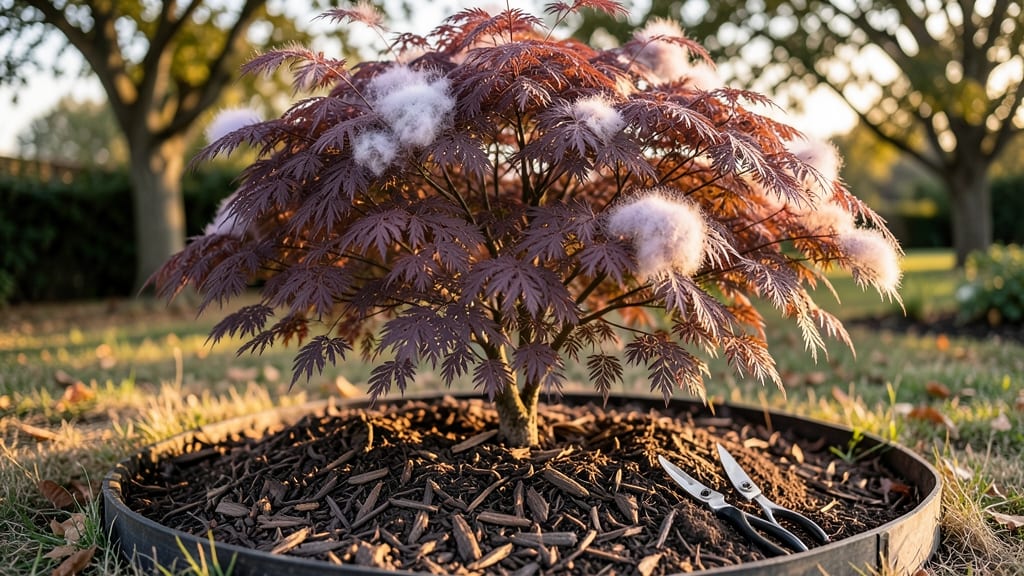
Late-winter smoke tree pruning transforms your Cotinus from a messy tangle into a frost-resistant powerhouse by the time spring arrives. I learned this the hard way after my first smoke tree took a beating from early frost—until I discovered the right cuts made all the difference.
The key is timing: prune just as new growth begins, but before buds swell, to encourage sturdy new branches that handle cold snaps better.
You’ll need sharp pruning shears, a pair of gloves, and a clear day to work—smoke trees hate wet wood. Start by removing any dead or crossing branches first; these are the weak points that let frost creep in.
Then, cut back up to one-third of the oldest stems at the base to rejuvenate the plant. The goal is to open up the center for airflow while keeping the signature wispy plumes intact.
What you’ll end up with is a smoke tree that bursts into vibrant purple foliage by summer, with branches thick enough to shrug off late frosts. The pruned stems produce fresh, bushier growth, and those signature feathery plumes become even more dramatic.
This isn’t just about shaping—it’s about setting your tree up for a stronger, more resilient season ahead.
Works for all Cotinus varieties, whether you’ve got a dwarf ‘Royal Purple’ or a towering ‘Grace’—just adjust the cuts to match the plant’s natural shape. The same principles apply whether you’re in Zone 5 or Zone 8, though colder climates benefit most from aggressive late-winter pruning.
Ready to give your smoke tree a fresh start?
📚 In This Guide
- What you need
- Instructions
- Tips and common mistakes
- Wrapping up and next steps
What you need
- ● Pruning shears: Bypass pruners (for small branches, ¼"–¾" cutting capacity) or anvil pruners (for thicker branches, ¾"–1½" capacity). Sharpness is key!
- ● Loppers: 20–24" long, for branches up to 2" in diameter.
- ● Pruning saw: Curved-tooth (for branches 2"–4" thick).
- ● Ladder: Aluminum or fiberglass, 12–16 ft tall (if needed). Always secure it to a sturdy anchor!
- ● Gloves: Heavy-duty, cut-resistant (e.g., leather or Kevlar).
- ● Disinfectant: 70% isopropyl alcohol or bleach solution (1 part bleach : 9 parts water) to sterilize tools between cuts.
- ● Trash bags: Heavy-duty, 30+ gallons for debris.
- ● Hand saw: For stubborn, oversized branches.
- ● Pole pruner: Extendable for high branches (10–20 ft reach).
- ● Tree wound dressing: Not required, but pruning sealant (if used) should be latex-based for small cuts.
- ● Work vest or apron: To keep tools organized.
- ● Safety glasses: Protects eyes from debris.
- ● Check local frost dates—prune after the last hard freeze (typically late winter, when buds swell but before new growth starts).
- ● Confirm your smoke tree (Cotinus spp.) is dormant (no leaves or flowers).
- ● Review your tree’s growth habits—smoke trees respond well to structural pruning but avoid over-thinning.
Step-by-Step instructions for pruning smoke trees in late winter
Here's how to give your smoke tree a strong start after winter's chill.
Time Your Pruning for Maximum Benefit
Wait until after the last hard frost in your region—typically late February to early March—when temperatures stay above 20°F for at least a week. This timing ensures you're not pruning into new growth that could be damaged by unexpected cold snaps. Smoke trees (Cotinus) are deciduous, so pruning while they're dormant (before buds swell) reduces stress and promotes vigorous spring growth.
Check the weather forecast for a stretch of dry, mild days before you begin. Pruning in wet conditions can spread disease, and cold temperatures slow healing. If you're unsure about frost dates, use your local cooperative extension service's frost calendar as a guide.
Assess the Tree's Structure and Shape
Start by examining your smoke tree for dead, diseased, or crossing branches. Dead branches will be brittle and snap easily when bent, while healthy ones bend slightly. Remove any branches that are rubbing against each other—these create wounds that invite pests and disease. Use sharp pruning shears to make clean cuts just outside the branch collar (the swollen area where the branch meets the trunk).
Next, evaluate the overall shape. Smoke trees have a natural, airy habit, so avoid heavy pruning that could disrupt their elegant form. Focus on opening up the center to improve airflow and sunlight penetration. You'll know you've done well when you can see light filtering through the branches from all angles.
Thin Out Overcrowded Branches
Select branches to remove based on their position and health. Prioritize thinner, weaker branches that are growing inward or downward—they compete with stronger, outward-growing branches for sunlight and nutrients. Start at the outer edges and work your way inward, removing no more than 25% of the tree's foliage in one session. This rule prevents over-stressing the tree, which can lead to weak growth or susceptibility to pests.
Make your cuts at a 45-degree angle about ¼ inch above a bud or side branch. This angle helps water run off the cut, reducing the risk of rot. Avoid leaving stubs—these can die back and create unsightly wounds. If you're unsure where to cut, follow the natural taper of the branch to maintain the tree's balance.
Shape for Frost Resilience and Airflow
To boost frost resilience, focus on creating a rounded, dome-like shape. This form allows snow to slide off easily, reducing branch breakage. Avoid heavy pruning on the top of the tree, as this can expose the center to cold winds. Instead, prune to encourage a fuller, bushier growth habit that naturally insulates the interior.
Step back frequently to assess your progress. The goal is to maintain the tree's natural silhouette while improving its structure. Smoke trees respond well to light pruning, so resist the urge to overdo it. A well-pruned smoke tree will reward you with vibrant foliage and striking plum-like seed clusters in late summer.
Tips & tricks for perfect smoke tree pruning
Took me years of trial and error to figure out these essential tricks for pruning smoke trees without stressing them out.
Timing is Everything: The late February to early March window is non-negotiable for smoke trees. I learned this the hard way after pruning too early one year and watching new growth get fried by a late frost. Check your local frost calendar and confirm temperatures stay consistently above 20°F for at least a week before you begin. This timing ensures you're pruning while the tree is still dormant but protected from winter's worst.
Tool Selection Matters: Never use dull pruning shears—they tear branches instead of making clean cuts. I invest in sharp bypass pruners for branches under ½ inch thick and loppers for thicker branches. Always clean your tools with rubbing alcohol between cuts to prevent spreading disease. The cleaner your cuts, the faster the tree heals and the less stress it experiences.
Shape with Purpose: When creating that rounded dome shape in Step 4, focus on removing branches that grow straight up or inward. These branches are most vulnerable to frost damage and snow accumulation. I like to visualize the tree as a natural umbrella—you want water (and snow) to slide right off. Step back frequently to check your progress; you should be able to see clear paths through the center of the tree from multiple angles.
Post-Pruning Care: After finishing, give your smoke tree a good drink of water to help it recover from the stress. I also apply a thin layer of arborist wound dressing to larger cuts to protect them from pests and disease. Avoid fertilizing immediately after pruning—wait until new growth appears in spring. The tree needs to focus on healing its wounds before putting energy into new foliage.
Pro Tips for Smoke Tree Pruning
- Took me years of trial and error to figure out these essential tricks for pruning smoke trees without stressing them out.
- Timing is Everything: The late February to early March window is non-negotiable for smoke trees.
- Tool Selection Matters: Never use dull pruning shears—they tear branches instead of making clean cuts.
Frequently asked questions
When is the exact best time to prune my smoke tree?
The ideal window is late winter (February–early March), before new growth starts. This helps the tree recover faster and reduces frost damage. Avoid pruning in fall or early spring—it stresses the plant and invites pests. Pro tip: Prune on a dry, calm day to prevent fungal issues.
How much can I trim off without harming the tree?
Aim to remove no more than 25–30% of the tree’s canopy in one season. Smoke trees are resilient, but aggressive pruning can weaken growth. Focus on dead, diseased, or crossing branches first, then lightly shape the rest. Never remove more than 1/3 of the foliage at once!
What if I missed the late-winter window? Can I still prune?
Yes, but time it carefully. Summer pruning (June–July) is the next best option, but avoid heavy cuts—stick to light shaping or deadwood removal. Pruning in fall risks winter dieback due to delayed healing. Spring pruning (after buds swell) is risky too—it can trigger suckering or weak growth.
My smoke tree looks leggy after pruning. How do I fix it?
Leggy growth happens when you cut too high or don’t prune enough. To fix it:
- Thin out overly dense branches to improve airflow.
- Prune just above a leaf node or bud (never flush to the trunk).
- Fertilize lightly in early spring with a balanced 10-10-10 formula.
- Water deeply after pruning to reduce stress.
Are there alternatives to pruning if my smoke tree is already damaged?
If frost or disease has severely damaged your tree, consider:
- Selective pruning to remove only dead or diseased sections.
- Applying dormant oil spray in late winter to prevent pests.
- Mulching heavily around the base to protect roots from temperature swings.
- For extreme cases, consult an arborist about cultural adjustments (like adjusting sunlight exposure).
Wrapping up and next steps
Pruning your smoke tree in late winter isn’t just about shaping—it’s a power move for resilience! By removing dead wood, thinning dense branches, and encouraging airflow, you’ll give your tree the best shot at surviving frost and thriving in spring. 🌱✨
Ready to tackle it? Grab your tools, follow the steps, and watch your smoke tree shine brighter than ever. Need a refresher? Bookmark this guide and revisit it before your next pruning session—your tree (and your green thumb) will thank you!