Pruning
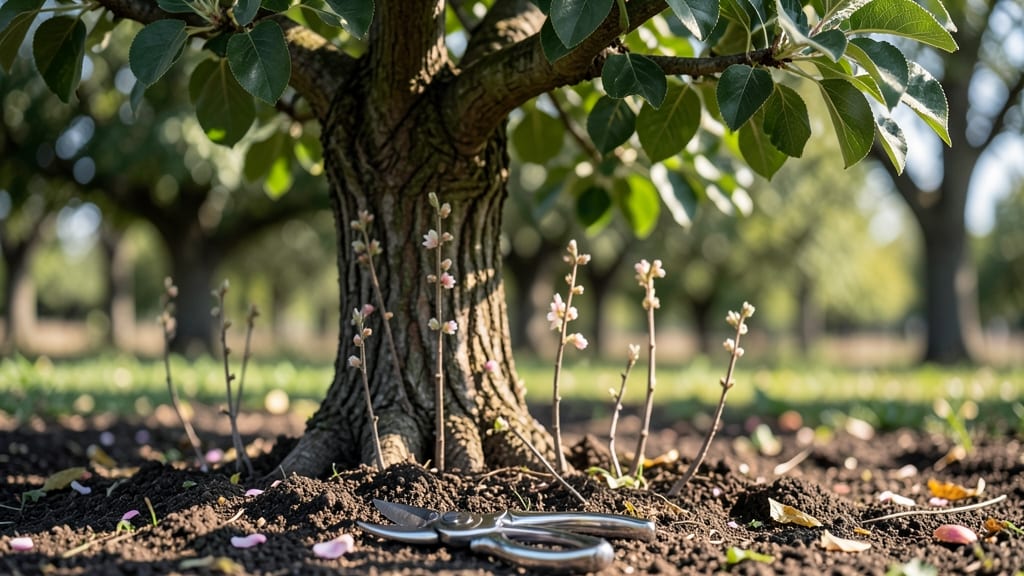
Stopping tree suckers starts with understanding they’re not just ugly—they’re energy vampires stealing nutrients from your tree’s crown. 🌳 I’ve seen these fast-growing sprouts turn a mature oak into a scraggly mess, but the right cuts redirect that energy back to the canopy where it belongs.
The key is timing and technique: prune suckers in late winter or early spring when the tree is dormant, using clean, sharp pruners to cut at a 45-degree angle just above a bud.
Avoid tearing the bark—this invites disease. I’ve also found that wrapping pruning cuts with tree sealant (for wounds wider than ½ inch) keeps infections at bay.
What you’ll end up with is a tree that puts all its energy into strong branches and lush foliage instead of wasted growth. The canopy thickens, shade improves, and you’ll notice fewer suckers returning next season. It’s not just about looks—this method keeps your tree healthier and more resilient.
Works for fruit trees, shade trees, and even ornamental varieties. The same principles apply whether you’re dealing with a single stubborn sucker or a whole forest of them. Let’s get those pruners ready—your tree’s future starts with a few clean cuts.
📚 In This Guide
- What you need
- Instructions
- Tips and common mistakes
- Wrapping up and next steps
What you need
- ● Pruning shears – Bypass shears (for clean cuts on small branches, 5–8 inches long).
- ● Loppers – Bypass or anvil type (for branches ½–2 inches thick, 12–16 inches long).
- ● Pruning saw – Curved-tooth saw (for branches 2–6 inches thick, with a 16–24-inch blade).
- ● Pole pruner – Extendable loppers or shears (for high branches, 6–12 feet reach).
- ● Gloves – Heavy-duty, cut-resistant (to protect hands from thorns and sharp edges).
- ● Safety glasses – ANSI-rated (to shield eyes from debris).
- ● Ladder or extension pole – Sturdy, non-slip (for reaching higher branches safely).
- ● Tree wound dressing – Pruning sealant (controversial but useful for large cuts to prevent disease).
- ● Disinfectant spray – 70% isopropyl alcohol (to sterilize tools between cuts and prevent spread of pathogens).
- ● Tarp or drop cloth – Heavy-duty (to catch falling debris and protect landscaping).
- ● Rope or harness – For climbing (if working on very tall trees—only for experienced users!).
- ● Know your tree species—some suckers (water sprouts) are more aggressive than others!
- ● Check local regulations—some areas require permits for tree pruning.
- ● Prune during dormant season (late fall/winter) for best results.
Step-by-step guide to removing tree suckers for stronger growth
Here's how to eliminate unwanted suckers while keeping your tree thriving.
✂️ Step 1: Identify Suckers at the Right Time
Suckers are those aggressive shoots growing from the base of your tree or along the trunk. The best time to tackle them is in late winter or early spring, just as new growth begins but before the tree fully wakes up. Look for thin, fast-growing stems that aren't part of the main canopy. These are your targets—healthy branches will have thicker stems and connect directly to the main structure.
I like to do this on a dry day when the soil is firm but not hard. Wet conditions make the area muddy, and you don’t want to damage the tree’s roots or bark while working. If you spot suckers in summer, you can still remove them, but the tree will recover faster in dormant season. Just be gentle—aggressive cuts can stress the tree.
✂️ Step 2: Cut Suckers at the Base with Precision
Use clean, sharp pruning shears or a hand pruner to make your cuts. Angle the blade slightly downward as you cut, about ¼ inch above the ground or the trunk. This prevents water from pooling and rotting the wound. If the sucker is thick—over ½ inch in diameter—you might need a pruning saw to avoid tearing the bark.
Here's the thing—don’t leave any stubs. A small piece of stem left behind can regrow into another sucker. Cut cleanly and flush with the trunk or soil line. If you’re dealing with a large tree, you might need a pole pruner to reach higher suckers safely. Always wear gloves to protect your hands from sap and sharp edges.
✂️ Step 3: Monitor and Repeat as Needed
After your first round of cutting, keep an eye on the tree for new suckers. They can pop up anywhere—along the trunk, at the base, or even from old wounds. Check every 4-6 weeks during the growing season, especially in spring and early summer when new growth is most active. If you see a sucker emerging within a few weeks, it’s time to grab your shears again.
Real talk: Some trees are suckers’ worst enemies. Fruit trees like apples or cherries, and even some shade trees like maples, are notorious for producing them. If your tree is particularly aggressive, you might need to repeat this process 2-3 times per season to keep them in check. The goal is to redirect the tree’s energy into strong, healthy branches instead of these unwanted shoots.
🌿 Step 4: Strengthen the Tree’s Canopy
While you’re removing suckers, take a moment to assess the tree’s overall health. A well-balanced canopy grows stronger and resists suckers better. If the tree has weak or crossing branches, now’s the time to thin them out. Remove any branches that are dead, diseased, or rubbing against each other—these are prime spots for future sucker growth.
Focus on opening up the center of the tree to improve airflow and sunlight penetration. This encourages the tree to grow outward rather than sending up new shoots from the base. A few strategic cuts now can save you hours of sucker removal later. Think of it like giving your tree a spa day—it’ll thank you with a fuller, healthier canopy.
Tips & tricks for perfect tree sucker removal
A few strategic moves can make all the difference when tackling tree suckers—these are the tricks I've learned from years of pruning.
Timing is Everything: Late winter or early spring is your golden window for sucker removal, as instructed. This timing coincides with the tree's dormant period, allowing it to recover more quickly. I've found that trees pruned during this window show less stress and regrow healthier branches. If you must prune in summer, do it early in the morning when the tree is well-hydrated and the day is cooler.
Precision Cuts Prevent Regrowth: The key to preventing new suckers is making clean cuts exactly ¼ inch above the ground or trunk. I've seen many gardeners leave tiny stubs that regrow into even more suckers. Use a sharp blade and angle it slightly downward to prevent water from pooling. For thick suckers over ½ inch in diameter, a pruning saw will give you the clean cut you need without tearing the bark.
Monitoring is Non-Negotiable: After your initial pruning, check your tree every 4-6 weeks during the growing season. I've learned this the hard way—skipping this step means new suckers can pop up within weeks. Keep an eye out for any new growth along the trunk, at the base, or from old wounds. The more consistent you are, the stronger your tree's canopy will become.
Canopy Care Matters: While removing suckers, take a moment to assess your tree's overall health. I can't stress enough how important it is to thin out dead, diseased, or crossing branches. This not only improves airflow and sunlight penetration but also redirects the tree's energy toward growing a stronger, more balanced canopy. Think of it as a tree spa day—it'll thank you with healthier growth.
Pro Tips for Stop Tree Suckers
- A few strategic moves can make all the difference when tackling tree suckers—these are the tricks I've learned from years of pruning.
- Timing is Everything: Late winter or early spring is your golden window for sucker removal, as instructed.
- Precision Cuts Prevent Regrowth: The key to preventing new suckers is making clean cuts exactly ¼ inch above the ground or trunk.
Frequently asked questions
Got questions about tackling tree suckers? You’re not alone—these aggressive shoots can be tricky! Here’s a quick breakdown of the most common concerns to help you prune like a pro.
What exactly are tree suckers, and why do they grow?
Tree suckers are fast-growing, often woody shoots that sprout from the base of a tree, the trunk, or even grafted branches. They steal nutrients from the main tree, weakening its structure and competing with desirable growth. Suckers form due to hormonal imbalances, stress, or even genetic predisposition—think of them as the tree’s way of "rebelling" when it’s not happy!
When is the best time of year to remove tree suckers?
The ideal time to prune suckers is late winter or early spring (before new growth starts) or summer (after the tree has finished flowering). Avoid pruning in fall, as fresh cuts can invite pests or diseases. Pro tip: If you’re dealing with a stubborn sucker, remove it anytime—just be prepared for it to regrow!
Should I cut suckers all the way to the ground, or can I trim them shorter?
For the best results, cut suckers at the base—where they meet the trunk or soil—using clean, sharp pruners. Trimming them shorter risks regrowth, and leaving a stub can lead to rot or disease. If the sucker is thick (over ½ inch), make the cut just outside the branch collar (the swollen area at the base) for a cleaner heal.
Will removing tree suckers harm my tree?
Not if done correctly! Proper pruning strengthens your tree by redirecting energy to healthy growth. However, avoid removing more than 25% of the canopy in one session, and never cut into the main trunk. If you’re unsure, consult an arborist—better safe than sorry!
My suckers keep coming back—what’s the best long-term solution?
Persistent suckers often mean the tree is stressed or the root system is overactive. Try these fixes:
- Apply sucker stop (a paste with growth regulators) to fresh cuts.
- Improve soil health with compost or mulch to reduce stress.
- Prune regularly—consistency is key!
Can I use herbicide on tree suckers, or is pruning enough?
While herbicides (like glyphosate) can kill suckers, they’re not recommended unless absolutely necessary—chemicals can harm nearby plants or soil. If you choose this route, spot-treat only the sucker and avoid spraying the main tree. Pruning remains the safest, most eco-friendly method for most homeowners.
Wrapping up and next steps
Stopping tree suckers doesn’t have to be overwhelming—just consistent and strategic! 🌳 By mastering the right cuts, timing, and tools, you’ll encourage stronger growth while keeping your tree’s canopy thriving. Remember, patience and precision are your best allies, and soon you’ll see the difference in your tree’s health.
Ready to take action? Grab your pruners and start with one section at a time. Before you know it, your tree will be suckers-free—and you’ll be the proud gardener behind it! 🌟