Pruning
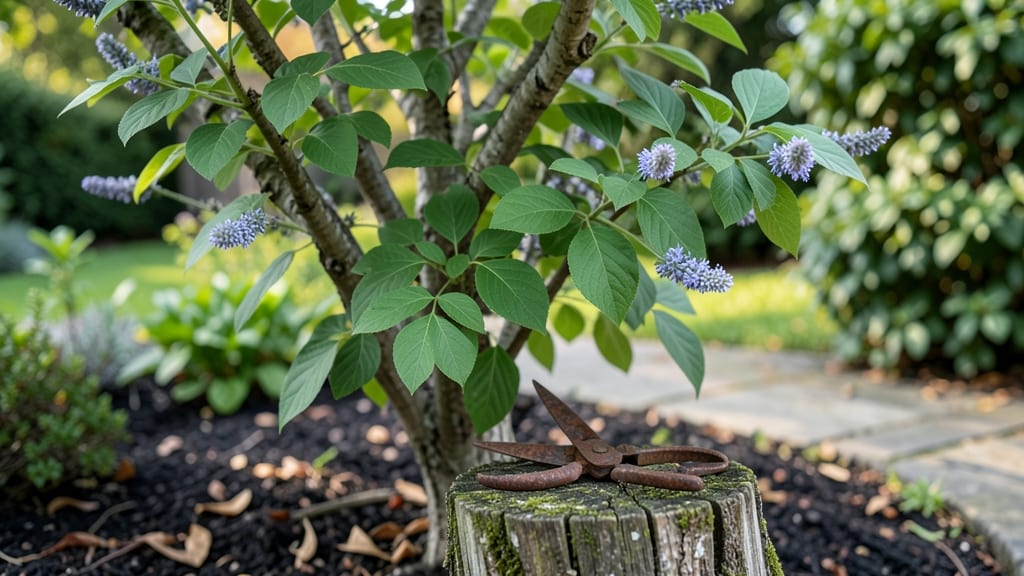
Pruning vitex trees isn’t just about shaping—it’s about unlocking their frost-resistant superpowers. ✂️ I’ve learned that skipping this step means woody, leggy growth that struggles through winter, but the right cuts transform vitex into a dense, vibrant shrub that thrives year-round.
The best time to prune is late winter or early spring, when the tree’s dormant but ready to rebound. You’ll need clean, sharp pruners, a saw for thicker branches, and a clear vision for your desired shape—whether that’s a rounded bush or a more formal hedge.
Start by removing dead, diseased, or crossing branches, then thin out crowded areas to improve airflow.
What you’ll end up with is a vitex that bursts with fresh, dark green foliage by summer, its purple blooms arriving earlier and lasting longer. The secret? Cutting just above outward-facing buds encourages new growth in the right direction, and avoiding heavy pruning in fall prevents frost damage.
This method works for both young vitex and mature shrubs, though established plants handle pruning better. The key is consistency—prune the same way each year, and your tree will reward you with thicker growth and fewer winter struggles. Let’s get those branches looking sharp!
📚 In This Guide
- What you need
- Instructions
- Tips and common mistakes
- Wrapping up and next steps
What you need
- ● Pruning shears (bypass or anvil type) – Choose sharp, high-quality shears (4-6" blade length) for clean cuts on small branches (up to ½" thick). Quantity: 1 pair.
- ● Loppers – For branches ½" to 1½" thick. Opt for bypass loppers for precision. Quantity: 1 pair.
- ● Pruning saw – A curved-tooth saw (8-10" blade) for thicker branches (1½" and up). Quantity: 1.
- ● Gloves – Heavy-duty, cut-resistant gloves (e.g., mechanics’ or pruning gloves) to protect hands from thorns and sharp edges. Quantity: 1 pair.
- ○ Ladder or step stool – A stable, extendable ladder (e.g., aluminum extension ladder, 16-24 ft) if your Vitex exceeds 6 ft tall. Optional: Safety harness if working high.
- ● Disinfectant (70% isopropyl alcohol or pruning sealant) – To sterilize tools between cuts and prevent disease spread. Quantity: Small bottle.
- ● Heavy-duty trash bags or bucket – For collecting pruned debris. Quantity: 2-3 bags or 1 large bucket.
- ● Safety gear – Sunglasses (to shield from debris) and long sleeves/pants (to protect from thorns).
- ● Hand pruners with ratcheting mechanism – For easier cutting on stubborn branches.
- ● Pole saw – If your tree is tall (10+ ft) and you prefer not to climb.
- ● Tree wound dressing – Controversial but useful for large cuts (e.g., Tanglefoot Tree Wound Pruning Seal).
- ● Marking spray or tape – To flag branches for removal before cutting.
- ● First-aid kit – For minor cuts or thorn pricks (include antiseptic wipes and bandages).
Step-by-Step instructions for pruning vitex trees
Here's the method I trust to keep vitex thriving through every season.
✂️ Step 1: Prune for Shape in Late Winter
Start your pruning when new growth begins in late winter or early spring, just before buds swell. This is when the tree naturally sheds old wood, making it easier to see the structure. I always begin by removing any dead, diseased, or crossing branches—these are the first to go. Use clean, sharp pruning shears to make cuts at a 45-degree angle, about ¼ inch above a healthy bud or outward-facing branch.
For shaping, I focus on opening the center of the tree to improve airflow and sunlight penetration. Vitex grows quickly, so I never remove more than 25% of the foliage in one session—this prevents stress. Look for branches growing straight up; these can be cut back to encourage a fuller, bushier form. The goal is to create a vase-like shape that allows light to reach all parts of the tree.
🌿 Step 2: Light Trimming After Flowering
Once your vitex finishes flowering in late summer, give it a light trim to maintain its shape and encourage next year’s blooms. I only remove spent flower clusters and any leggy growth that looks out of place. Avoid heavy pruning now—this can reduce next year’s flowering. Use hand pruners for smaller branches and loppers for thicker stems, always cutting just above a leaf node or bud.
This is also the time to check for any suckers or water sprouts—these are fast-growing, weak shoots that pop up at the base or along branches. Snip them off at the base to redirect the tree’s energy into stronger growth. If you notice any branches rubbing together, remove one of them to prevent future damage. The key here is to keep the tree looking tidy without overdoing it—vitex is resilient but doesn’t need heavy pruning after flowering.
⏰ Step 3: Frost Preparation in Fall
As temperatures drop in fall, focus on preparing your vitex for winter. Remove any weak, damaged, or diseased branches first—they’re more susceptible to frost damage. I also thin out crowded areas to improve airflow, which helps prevent fungal issues. Cut back any late-season growth that hasn’t hardened off yet; this reduces stress on the tree as winter approaches.
If you live in a colder climate, you can lightly prune back the outer growth to create a more compact shape, but avoid heavy cuts. Vitex is frost-tolerant, but a well-shaped tree recovers better in spring. Avoid pruning in late fall if frost is expected soon—new cuts can take longer to heal. Instead, wait until early spring to finish any remaining adjustments. The goal here is to give the tree a clean, healthy structure so it can focus on root growth over winter.
☀️ Step 4: Spring Cleanup and Growth Encouragement
Early spring is the time to do any final pruning before the tree wakes up fully. Remove any dead wood, frost-damaged branches, or crossing growth that might have formed over winter. I also check for any suckers that popped up and trim them back immediately. This keeps the tree’s energy focused on producing strong new growth rather than supporting weak shoots.
After pruning, give your vitex a light application of balanced fertilizer to encourage vigorous new growth. Water deeply at the base to help the tree recover from any cuts. You’ll notice new buds forming within a few weeks—that’s your signal that the pruning was successful. Keep an eye out for any signs of stress, like yellowing leaves or wilting, but don’t worry if the tree looks a little bare at first. It’ll fill out beautifully as the season progresses.
Tips & tricks for perfect vitex tree pruning
Here's what nobody tells you about keeping your vitex looking its best through every season.
Tool Prep Matters: Always sterilize your pruning tools with rubbing alcohol between cuts—especially when removing diseased branches. I learned this the hard way after accidentally spreading fungal spores to healthy parts of the tree. For larger branches, use a handsaw for clean cuts, then follow up with pruning shears for the final snip. This prevents jagged edges that can invite pests or disease.
Seasonal Timing Secrets: In Step 1, when pruning for shape in late winter, wait until you see the first hint of green growth—this is your cue that the tree is waking up. If you prune too early, you risk cutting off potential blooms. For Step 2, I mark my calendar for when the last flowers fall off—typically 6-8 weeks after blooming—to know it's time for light trimming. This timing keeps your vitex flowering reliably year after year.
Visual Cues for Healthy Cuts: When making your 45-degree cuts in Step 1, look for the bright green, plump buds just below the branch collar. These are your target—cutting too close can damage the tree's healing response. For Step 3's frost prep, focus on branches that look dull or have dead spots; these are the first to go. Healthy branches should have a firm feel and vibrant green leaves.
Post-Prune Care: After any significant pruning session, give your vitex a deep watering to help it recover. I always add a layer of mulch around the base (but not touching the trunk) to retain moisture and regulate soil temperature. This is particularly important after Step 4's spring cleanup when the tree is putting out new growth. The mulch also helps prevent weeds from competing with your vitex for nutrients.
Pro Tips for Vitex Tree Pruning
- Here's what nobody tells you about keeping your vitex looking its best through every season.
- Tool Prep Matters: Always sterilize your pruning tools with rubbing alcohol between cuts—especially when removing diseased branches.
- Seasonal Timing Secrets: In Step 1, when pruning for shape in late winter, wait until you see the first hint of green growth—this is your cue that the tree is waking up.
Frequently asked questions
Got questions about pruning your vitex tree? You’re not alone! Here are some of the most common concerns—plus straightforward answers to keep your tree thriving year-round.
When is the best time to prune a vitex tree?
The ideal time is late winter or early spring (before new growth starts), but you can also do light maintenance in summer to shape it. Avoid heavy pruning in fall—it can stimulate tender growth vulnerable to frost. For frost-resistant varieties, a light trim after winter helps too!
How much can I trim back my vitex tree?
You can safely remove up to one-third of the plant’s growth in a single session. For older trees, gradual pruning (spreading cuts over 2–3 years) prevents stress. Never cut into old wood—focus on new, green growth for the best results.
What if my vitex tree isn’t flowering after pruning?
Vitex flowers on new wood, so aggressive pruning too late in the season can delay blooms. If it’s not flowering, check your timing (prune in late winter) and ensure you’re not cutting back all the current year’s growth. Fertilize lightly in spring to encourage vigor!
Can I prune vitex in winter if it’s frost-resistant?
Yes! Frost-resistant vitex (like Vitex agnus-castus) can handle light pruning in late winter (after hard frosts pass). Avoid heavy cuts—focus on dead or crossing branches first. Wait for spring for major shaping to avoid stressing the tree.
What’s the alternative if I miss the pruning window?
Don’t panic! If you skip late winter/early spring, lightly shape the tree in summer (after flowering) to remove only overgrown or leggy branches. Avoid heavy cuts—this keeps the tree healthy until next year’s ideal pruning season.
Pro tip: Mark your calendar for February–March to stay ahead of vitex pruning! A little planning = big rewards for blooms and shape.
Wrapping up and next steps
Pruning your vitex tree isn’t just about keeping it tidy—it’s the secret to fostering vibrant, frost-hardy growth year after year! By mastering the right techniques, timing, and tools, you’ll encourage lush foliage, better air circulation, and even blooms that stand out in your landscape. 🌿✨
Now that you’re armed with the knowledge, roll up your sleeves and get pruning! Start with a quick assessment of your tree, gather your tools, and follow the step-by-step guide to transform your vitex into a thriving centerpiece. Your future self—and your tree—will thank you!
💡 Pro Tip: Snap a before-and-after photo to track your progress and celebrate the difference!