
Pruning
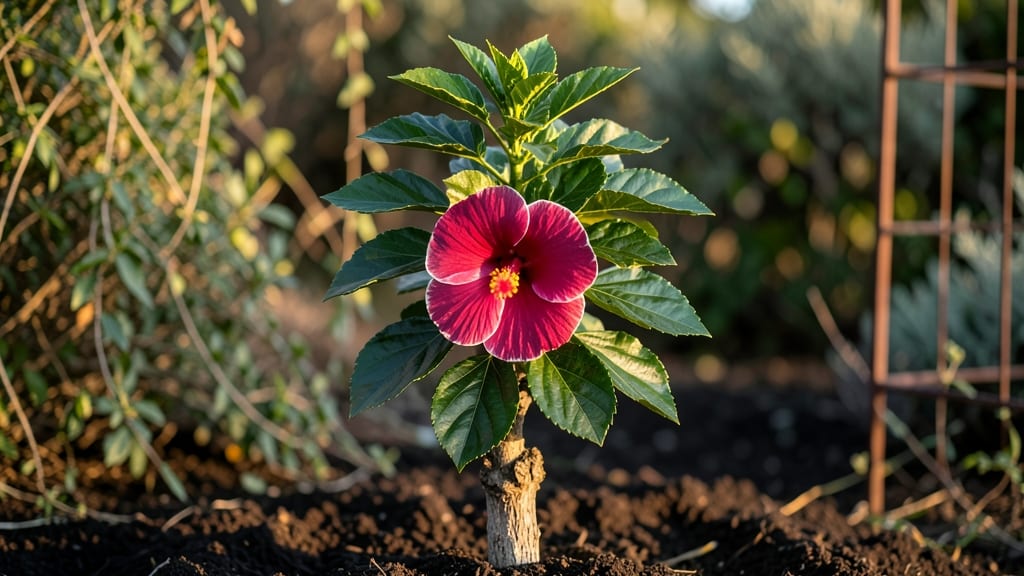
Your single hibiscus tree can become the star of your garden with the right pruning approach—transforming from a wild shrub into a sculpted masterpiece that blooms like crazy. 🌺 I’ve pruned mine every season for years, and the difference in shape, size, and flower production is night-and-day.
The key isn’t just cutting back; it’s understanding how hibiscus responds to light, air flow, and growth habits.
Start by mapping out your vision: do you want a tall, tree-like silhouette or a rounded, bushy form? Hibiscus grows fast, so 3-4 pruning sessions a year keep it in check—light trims after blooms fade, a mid-season shape-up, and a winter reset.
The right cuts encourage new growth where you want it, turning bare spots into lush, flower-covered canopies.
What you’ll end up with is a year-round focal point that steals the show: glossy leaves in summer, bold blooms from spring to frost, and even winter interest from its sturdy branches.
Place it where it gets at least 6 hours of sun, surrounded by complementary plants like coleus, cannas, or ornamental grasses to highlight its dramatic form.
This works for both small yards and large landscapes—just adjust the pruning intensity to match your space. Whether you’re trimming a 3-foot dwarf or a 10-foot tropical giant, the same principles apply. Let’s shape that hibiscus into the garden showstopper it was meant to be.
📚 In This Guide
- What you need
- Instructions
- Tips and common mistakes
- Wrapping up and next steps
What you need
Ready to give your single hibiscus tree the TLC it deserves? Here’s everything you’ll need to prune like a pro—whether you’re shaping for aesthetics, encouraging blooms, or keeping it healthy year-round! 🌿✂️
📋 Essential Materials & Tools
- Pruning shears: Bypass pruners (for clean cuts on small branches, 1 pair).
- Loppers: For thicker branches (1–2 inches in diameter, 1 pair).
- Pruning saw: For stubborn, woody stems (optional but handy for mature trees).
- Disinfectant: 70% isopropyl alcohol or a 1:10 bleach-water mix (to sterilize tools and prevent disease).
- Gloves: Heavy-duty work gloves (to protect from thorns and sap).
- Sharpie or marker: Permanent marker for labeling cuts (if grafting or propagating).
- Bucket or trash bag: For collecting pruned debris (1–2 gallon-sized).
- Hose or water spray bottle: To clean tools and rinse sap off cuts.
🌱 Optional (But Helpful!) Extras
- Hand pruners with a bypass blade: For precision cuts on delicate stems.
- Rubbing alcohol wipes: For quick tool sterilization between cuts.
- Pruning sealant: (e.g., tree wound dressing) for large cuts (use sparingly—hibiscus heals well without it!).
- Notebook or app: To log pruning dates, notes on growth patterns, or bloom cycles.
- Safety glasses: If working with large branches or near power lines.
📅 Prerequisites & Best Practices
- Know your hibiscus type: Tropical (Hibiscus rosa-sinensis) vs. hardy (Hibiscus syriacus)—pruning needs vary!
- Check the weather: Prune on a dry, overcast day (avoid midday heat or rain).
- Timing: Best for tropical hibiscus: Late winter/early spring (before new growth). Hardy hibiscus: Late winter or early summer.
- Safety first: Ensure the area is clear of pets, kids, or bystanders—hibiscus branches can snap!
How to prune a single hibiscus tree for year-round beauty
Here's the method I trust to keep my tropical hibiscus thriving—and blooming—through every season.
✂️ Step 1: Time Your Pruning for Maximum Growth
Prune your hibiscus in late winter or early spring before new growth begins. This is when the plant naturally enters its active growth phase, and strategic cuts will encourage stronger branching and more abundant blooms. Avoid pruning in fall or winter unless you're dealing with damaged growth—dormant-season cuts can stress the plant.
Look for new leaf buds along the stems—these signal the plant's readiness to respond to pruning. I always wait until I see at least three or four buds before making any cuts. This ensures the plant has enough energy reserves to support new growth.
✂️ Step 2: Remove Dead, Diseased, or Weak Wood First
Start by inspecting your hibiscus for any dead, diseased, or crossing branches. Use sharp, clean pruners to make clean cuts just above a leaf node or outward-facing bud. This prevents unsightly stubs and encourages better growth patterns. If a branch is completely dead, cut it back to the main trunk.
Here's the thing—hibiscus trees hate crowded branches. If two branches are growing toward each other, remove the weaker one. You'll know it's the right choice when the remaining branch has a stronger structure and more vibrant leaves. Don't worry about removing too much at once; hibiscus are resilient and will bounce back with vigorous new growth.
✂️ Step 3: Shape the Tree with Strategic Cuts
Next, focus on shaping the tree by cutting back overly long or leggy branches to encourage a fuller, bushier form. Aim to reduce these branches by about one-third of their length. Make your cuts just above a leaf node or bud that faces outward—this directs growth away from the center of the plant, improving airflow and reducing disease risk.
For a single-stem hibiscus, I like to create a natural, slightly tapered shape by making gradual reductions in branch length as I move upward. This mimics the plant's natural growth habit and results in a more balanced, visually pleasing tree. Watch for new shoots emerging from the cuts—these will become your plant's future blooming branches.
✂️ Step 4: Maintain Year-Round with Light Pruning
After the initial spring pruning, keep your hibiscus looking its best with light maintenance pruning throughout the year. Remove any spent blooms by cutting the stem just above the next leaf node. This encourages the plant to produce more flowers and prevents seed formation, which can drain energy from the plant.
In summer, if you notice any overly aggressive growth or branches that are growing in an unruly direction, trim them back by about one-quarter of their length. This keeps the plant in check and ensures it doesn't become too top-heavy. Always use sterilized pruners to avoid introducing pathogens to fresh cuts.
☀️ Step 5: Post-Pruning Care for a Thriving Hibiscus
After pruning, give your hibiscus a light but thorough watering to help it recover. The roots will need to adjust to the new structure, and adequate moisture supports the plant's ability to heal. Avoid fertilizing immediately after pruning—wait 4-6 weeks to allow the plant to establish new growth before applying any nutrients.
Place your hibiscus in a location where it can receive bright, indirect light for the first few weeks after pruning. This helps the new shoots acclimate without the stress of full sun. Once you see new leaves emerging, you can gradually reintroduce it to its usual sunlight conditions. With proper care, your hibiscus will reward you with vibrant blooms and a well-shaped canopy all year long.
Tips & tricks for perfect single hibiscus tree pruning
Confession: I skipped the timing details for years and wondered why my hibiscus never bloomed reliably. These small adjustments make all the difference.
Seasonal Timing: The late winter to early spring window is critical because hibiscus enter their growth phase then. If you're in a warmer climate, watch for those three or four new leaf buds along stems—they're your go signal. In colder regions, don't prune after the first frost, even if buds appear, as the plant needs energy reserves for winter survival.
Cutting Technique: Always make clean cuts at a 45-degree angle just above a leaf node or outward-facing bud. This prevents water from pooling on the cut and encourages new growth in the right direction. I use sterilized pruners dipped in rubbing alcohol between cuts to prevent disease transmission—this simple step has saved my plants from multiple infections.
Shape Maintenance: When reducing leggy branches by one-third, visualize the plant's natural shape. For single-stem hibiscus, taper the cuts gradually from bottom to top—this mimics the plant's growth pattern and creates that elegant, tree-like silhouette. The new shoots that emerge from these cuts will form your future blooming branches, so position your cuts to direct growth outward.
Pro Tips for Single Hibiscus Tree
- Confession: I skipped the timing details for years and wondered why my hibiscus never bloomed reliably. These small a...
- Seasonal Timing: The late winter to early spring window is critical because hibiscus enter their growth phase then. I...
- Cutting Technique: Always make clean cuts at a 45-degree angle just above a leaf node or outward-facing bud. This pre...
Frequently asked questions
Got questions about nurturing your single hibiscus tree? You’re not alone! Here are answers to the most common queries—from pruning timing to troubleshooting—so you can keep your tropical beauty thriving with minimal stress.
When is the best time to prune a single hibiscus tree?
The ideal window is late winter or early spring, just before new growth begins. This encourages vibrant blooms and maintains shape. Avoid pruning in fall or winter, as it can stunt growth. For tropical hibiscus, light pruning can happen year-round, but never cut more than 1/3 of the plant at once to avoid shock.
How often should I prune my hibiscus tree?
Prune once a year for maintenance, but light trims (removing dead or overgrown branches) can happen every 3–4 months. Focus on shaping in spring and minor clean-ups after blooming seasons. Over-pruning stresses the plant—think of it as a haircut, not a buzz cut!
Can I prune a hibiscus tree in summer?
Yes, but only lightly—summer pruning can reduce blooms if overdone. If you must prune, do it early morning to minimize stress from heat. Avoid heavy cuts; instead, focus on removing spent flowers or leggy growth. Hydrate well before and after!
Why isn’t my hibiscus blooming after pruning?
Bloom delays often stem from over-pruning or nutrient imbalance. Ensure you’re leaving healthy branches (cut just above a leaf node) and fertilizing with low-nitrogen, high-phosphorus food post-prune. Too much shade or inconsistent watering can also halt flowers—keep it in full sun (6+ hours/day).
What if my hibiscus tree looks leggy after pruning?
Leggy growth means it’s stretching for light! Prune just below a leaf (never at a bare stem) to encourage bushier growth. Use a balanced fertilizer and ensure it gets bright, indirect light. If indoors, rotate the pot monthly for even growth. Patience is key—new branches take 4–6 weeks to emerge!
Still stumped? Drop your hibiscus’s specific issue in the comments—we’re happy to help!
Wrapping up and next steps
A single hibiscus tree can be your year-round blooming star with the right pruning care! 🌺 The key takeaways? Timing is everything—prune strategically in late winter, summer, and after blooms to encourage vibrant growth, and always use clean, sharp tools to avoid stress.
With patience and consistency, your hibiscus will reward you with lush foliage and stunning flowers.
Ready to transform your garden? Start small—pick one season to practice, then expand your skills. Grab your tools, roll up your sleeves, and give your hibiscus the love it deserves! 🌱