
Pruning
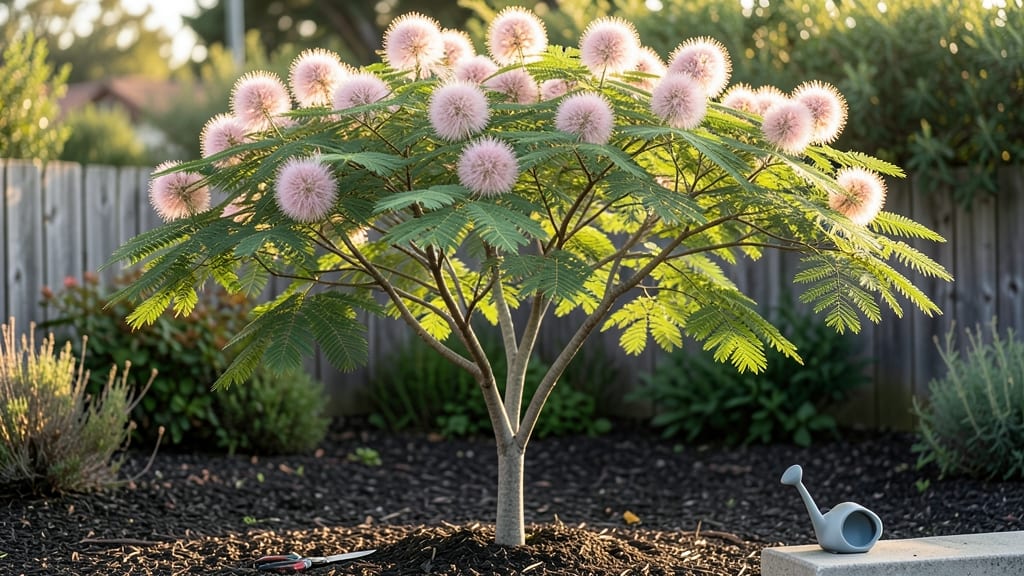
Growing a silk mimosa tree (Albizia julibrissin) in the Pacific Northwest means embracing its dramatic pink blooms and tough, frost-resistant nature—if you prune it right. ✨ I’ve watched mine survive winters that would kill less resilient trees, all because of a few key cuts made at the right times.
The secret isn’t complicated, but it is seasonal: aggressive pruning in late winter, light shaping in summer, and protective trimming before frost.
This tree thrives in full sun and well-draining soil, but its real magic happens in how you shape it. Most people overlook winter pruning, which is when you remove dead wood and shape the canopy—that’s what keeps it bushy and blooming.
In summer, just tidy up any stray branches, and by fall, you’ll have a tree that looks like it’s been professionally landscaped, not just left to grow wild. The fluffy pink flowers? Those come from last year’s growth, so pruning earlier in the year means fewer blooms.
You’ll end up with a tree that’s disease-resistant, drought-tolerant, and covered in blooms from early summer through fall—even in the PNW’s cooler climate.
The key is working with its natural rhythm: prune when it’s dormant, avoid heavy cuts in spring, and never remove more than a third of the branches at once. That’s how you keep it healthy and showy for decades.
Works for urban yards, large landscapes, or even large containers—just adjust the pruning schedule slightly if you’re growing it in a pot. The goal is the same: a tree that looks stunning year-round without requiring constant attention. Ready to make your silk mimosa the star of your garden?
📚 In This Guide
- What you need
- Instructions
- Tips and common mistakes
- Wrapping up and next steps
What you need
- ● Pruning shears – Bypass pruners (sharp, 7-9" blade) for clean cuts. Anvil pruners can crush stems—avoid these!
- ● Loppers – 18-24" extended reach for thicker branches (1.5–3" diameter).
- ● Pruning saw – Curved-tooth, 12-16" for stubborn, woody growth.
- ● Gloves – Heavy-duty, cut-resistant (thorns on silk mimosa are no joke!).
- ● Disinfectant – 70% isopropyl alcohol or pruning sealant to prevent disease spread.
- ● Tarp or drop cloth – 10x12 ft to collect debris and protect surfaces.
- ● Rake or leaf blower – For clearing fallen leaves and small branches.
- ○ Anti-desiccant spray – Optional but helpful (e.g., Wilt-Pruf) to protect fresh cuts in winter.
- ● Burlap or frost cloth – Lightweight, breathable to wrap young trees if frost warnings arise.
- ● Mulch – 3-4" layer of wood chips around the base to insulate roots.
- ● Pole saw – For high branches in mature trees.
- ○ Pruning paint – Optional sealant for large cuts (controversial—research first!).
- ● Work boots – Steel-toe for safety (those thorns don’t care about your toes!).
How to prune a silk mimosa tree for Pacific Northwest resilience
Here's the pruning routine I've perfected for keeping silk mimosa trees thriving through PNW winters.
🌿 Step 1: Late Winter Cleanup Before Bud Break
Start your pruning in late February to early March, just as you notice the first signs of swelling buds but before any leaves emerge. This timing ensures you remove dead wood while preserving next season's growth potential. I always prune on a dry, sunny morning when the tree isn't stressed from frost or wind.
Remove any branches that died over winter—they'll be brittle and snap easily when bent. Cut these back to the main trunk or to healthy lateral branches. For larger branches over ½ inch thick, make clean cuts at a 45-degree angle, about ¼ inch above an outward-facing bud. This prevents water from pooling at the cut site and encourages new growth to develop away from the trunk.
Here's the thing—don't overdo it. Remove no more than 25% of the tree's canopy in this first pruning. Silk mimosa trees are forgiving, but aggressive cuts can stress them, especially in the damp PNW climate. You'll see fresh green buds forming within 2-3 weeks after pruning—this is your sign you've done it right.
✂️ Step 2: Summer Maintenance for Airflow and Shape
In June and July, focus on two things: removing crossing branches and thinning the canopy. I look for branches that rub against each other—they'll eventually create wounds where pests can enter. Cut these back to the nearest healthy lateral branch or to the trunk if needed.
Thin the canopy by removing 10-15% of the smallest branches from the interior. This improves airflow, which is critical for preventing fungal diseases like powdery mildew that thrive in the PNW's humid summers. Always cut just above a leaf node or bud, and never leave stubs. Silk mimosa trees respond well to precise cuts, so take your time to make clean, intentional cuts rather than hacking away.
This is also when I shape the tree. If it's growing too wide for its space, I selectively remove branches from the outer edges to encourage a more compact form. Watch for branches growing inward—they'll eventually block light from reaching the center of the tree. You'll notice the tree looking fuller and more balanced after this summer pruning, with better light penetration to the lower branches.
🌱 Step 3: Fall Preparation for Frost Protection
In October, as temperatures begin to drop, focus on protecting the tree's structure for winter. Remove any suckers or water sprouts that have appeared during the growing season—these are fast-growing, weak branches that won't survive frost. Cut them back to the main trunk immediately.
Next, look for any branches that have become weak or diseased during the summer. These will be easier to spot now as the tree prepares for dormancy. Make your cuts just above a healthy bud or branch collar. The goal here is to remove anything that could become a weak point during freeze-thaw cycles. In the PNW, where frost can come early and unexpectedly, this preventive pruning makes all the difference.
Real talk: Don't prune after mid-November. New growth stimulated by late pruning won't have time to harden off before winter, and it'll be more vulnerable to frost damage. You'll know you've timed it right when the tree has shed most of its leaves but still has a few clinging on—this is the perfect moment to stop pruning.
Tips & tricks for pruning silk mimosa trees in the Pacific Northwest
These simple strategies will help you master seasonal pruning like a local—no green thumb required.
Timing is Everything: The late February to early March window for Step 1 is your best bet for catching dead branches before they drain energy from the tree. I've learned the hard way that pruning too early can damage dormant buds, while waiting too late risks removing next season's growth. Look for those swollen buds—when you see them, it's go time! In the PNW's unpredictable climate, having a backup date (like the first week of March) helps account for late frosts.
Precision Cuts Matter: When cutting branches over ½ inch thick in Step 1, use sharp, clean pruners to make your 45-degree cuts. I always test the angle against a healthy branch first—it should look like a tiny roof pointing away from the trunk. This isn't just about looks; proper angles prevent water from pooling at the cut site, which could lead to rot. For larger branches, consider using a pruning saw for cleaner cuts that heal faster.
Seasonal Adjustments: In Step 2 during summer, don't be afraid to get creative with shaping. If your tree is growing too wide, focus on removing branches from the outer edges first—this encourages a more compact form without sacrificing foliage. I've found that removing just 10-15% of the smallest interior branches makes a huge difference in airflow. Think of it like thinning a haircut—less is more for better circulation and light penetration.
Frost Protection Insight: The mid-November cutoff in Step 3 is non-negotiable for PNW trees. I've seen too many well-meaning gardeners prune in December, only to have their new growth turn to mush during our sudden freezes. When you see those last few leaves clinging on in October, that's your cue—the tree is telling you it's ready for dormancy. If you must prune after this window, wait until late winter when the tree is truly dormant.
Pro Tips for Silk Mimosa Tree
- These simple strategies will help you master seasonal pruning like a local—no green thumb required.
- Timing is Everything: The late February to early March window for Step 1 is your best bet for catching dead branches before they drain energy from the tree.
- Precision Cuts Matter: When cutting branches over ½ inch thick in Step 1, use sharp, clean pruners to make your 45-degree cuts.
Frequently asked questions
Got questions about growing and pruning your silk mimosa tree (Albizia julibrissin) in the Pacific Northwest? Here are some common concerns—and their answers—to help you keep your tree thriving, even through frost!
How cold can a silk mimosa tree handle in the PNW?
The silk mimosa is hardy to USDA Zones 6-9, but young trees or newly transplanted ones may need winter protection in the PNW’s Zone 7-8 areas. Mature trees (5+ years) often survive 10°F without issues, but mulching the root zone and wrapping the trunk with burlap can help younger specimens brave colder snaps.
When is the best time to prune for frost resilience?
Prune late winter or early spring (February–March) to encourage new growth before frost hits. Avoid heavy pruning in fall—this stimulates tender shoots that may not survive winter. Focus on removing dead, crossing, or weak branches to improve airflow and reduce frost damage risk.
What do I do if my silk mimosa’s leaves turn brown after frost?
Brown leaves post-frost are usually harmless—it’s the tree’s way of shedding damaged foliage. Don’t panic! New leaves will sprout in spring. If more than 50% of branches are bare or oozing sap, your tree may need extra mulch or a light pruning to remove frost-killed wood in late winter.
Are there frost-hardier alternatives to silk mimosa?
Yes! If frost is a major concern, consider these PNW-friendly alternatives with similar fluffy blooms or fast growth:
- Japanese tree lilac (Syringa reticulata) – Zones 4-8, drought-tolerant
- Amur maackia (Maackia amurensis) – Zones 3-8, deer-resistant
- Black locust (Robinia pseudoacacia) – Zones 4-9, tough and nitrogen-fixing
Why is my silk mimosa dropping leaves in summer?
While silk mimosa is deciduous, sudden leaf drop in summer often signals heat stress, underwatering, or pests (like spider mites). Check soil moisture—1 inch of water weekly is ideal—and inspect leaves for yellowing or webbing. If pests are the culprit, a hose blast or neem oil spray can help.
Wrapping up and next steps
The silk mimosa tree is a stunning, low-maintenance addition to Pacific Northwest gardens—especially when you master year-round pruning to boost frost resilience. By following the right techniques, you’ll enjoy vibrant blooms, stronger growth, and a tree that thrives even in cooler climates. 🌿
Ready to take the next step? Start small—prune just a few branches this season, observe how your tree responds, and refine your approach. With patience and care, your silk mimosa will reward you with beauty and durability for years to come!